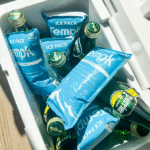
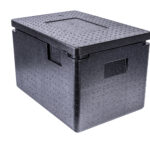
Transportar y servir alimentos perecederos es un desafío cuando no se puede confiar en un refrigerador. A paquete de hielo seco para catering Resuelve este problema ofreciendo temperaturas ultrafrías sin agua de deshielo.. En las primeras frases aprendes que el hielo seco se sublima directamente de sólido a gas., alcanzando -78,5 °C, que mantiene intactos los productos congelados hasta 48 horas. Esta guía explica cómo funcionan estas capas de hielo seco flexibles., por qué son ideales para servicios de catering, y como dimensionar, empacarlos y manipularlos de forma segura.
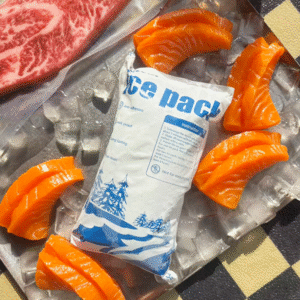
¿Qué diferencia a las bolsas de hielo seco para catering de las bolsas de hielo o gel normales?? Aprenderás sobre la sublimación., Temperaturas ultrabajas y por qué evitan que los envases se empapen.
¿Cómo se elige el tamaño y la cantidad correctos?? Proporcionamos fórmulas simples basadas en la duración del evento y el tipo de comida..
¿Cuáles son las mejores prácticas para el embalaje y manipulación?? Siga las pautas paso a paso para mantener sus alimentos seguros y a su personal protegido.
¿Qué alimentos se benefician más de las capas de hielo seco?? Explore recomendaciones basadas en casos para carnes congeladas, mariscos y lácteos.
¿Qué nuevas innovaciones están surgiendo en 2025? Descubra la logística inteligente, tendencias de automatización y embalaje sostenible.
¿Por qué las bolsas de hielo seco para catering son ideales para los servicios de catering??
Temperaturas ultrabajas y refrigeración seca: Las capas de hielo seco para catering son mantas flexibles de múltiples células rellenas de dióxido de carbono de alta pureza.. Cuando el dióxido de carbono se sublima (cambia directamente de sólido a gas), Absorbe calor sin crear agua líquida.. Este proceso mantiene temperaturas tan bajas como -78,5 °C. (-109,3 °F), garantizar que los alimentos congelados, como helado o marisco, permanecer muy por debajo del punto de congelación durante el transporte. A diferencia de los paquetes tradicionales de hielo o gel, El hielo seco no se derrite en el agua, por lo que no hay riesgo de que el embalaje se empape o se dañe por agua..
Duración de enfriamiento extendida: Una sola capa de hielo seco puede proporcionar refrigeración a 24–48 horas, mientras que las compresas de gel suelen durar sólo entre 6 y 12 horas. Para eventos de varios días o entregas de larga distancia, Esta duración extendida del enfriamiento evita picos de temperatura de último minuto y reduce la necesidad de reponer agentes refrigerantes a mitad del evento.. Los proveedores de catering suelen utilizar las láminas dentro de contenedores aislados para que el ambiente ultrafrío persista hasta el momento del servicio..
Rentabilidad y sostenibilidad: A primera vista, el hielo seco puede parecer más caro, pero preservar la calidad de los alimentos reduce el deterioro y el desperdicio, compensando el costo. El hielo seco se produce a partir de emisiones de dióxido de carbono capturadas., convirtiéndolo en una opción más sostenible que el uso de refrigerantes sintéticos. Además, Las capas de hielo seco flexibles se adaptan a bandejas y refrigeradores., lo que significa que puede utilizar menos paquetes que los ladrillos rígidos o los paquetes de gel y, al mismo tiempo, mantener la temperatura deseada..
Fiabilidad mejorada: Porque el hielo seco se sublima en lugar de derretirse, Mantiene una temperatura baja constante durante toda su vida útil., dando tranquilidad a los proveedores de catering. El diseño de manta de múltiples celdas cubre toda la superficie de bandejas o cajas de alimentos., distribuir el frío uniformemente y evitar bolsas de calor que podrían comprometer la seguridad alimentaria.
La ciencia detrás del hielo seco: sublimación y rendimiento ultra frío
Cómo funciona la sublimación: Cuando el hielo seco se calienta, pasa directamente de un sólido a un gas de dióxido de carbono, absorbiendo calor latente en el proceso. Esto es diferente a derretir el hielo., que primero se vuelve líquido. El proceso de sublimación no crea residuos líquidos., para que su empaque permanezca seco y la comida no se vuelva aguada.
Comparando temperaturas: El hielo normal se derrite a 0 °C (32 °F), mientras que el hielo seco mantiene temperaturas alrededor de -78,5 °C (-109,3 °F). La temperatura extremadamente baja significa que el hielo seco puede mantener los productos congelados en lugar de simplemente refrigerados.. Los paquetes de gel generalmente mantienen los alimentos casi congelados (−21°C). La elección entre estas opciones depende de si necesita sus alimentos fríos o completamente congelados..
Hielo seco versus hielo normal: diferencias clave
| Propiedad | Bolsa de hielo seco para catering | bolsa de hielo normal | Lo que significa para ti |
| Temperatura | −78,5°C (-109,3 °F) | 0 °C (32 °F) | El hielo seco es mucho más frío., que mantiene sólidos los artículos congelados. |
| cambio de fase | Se sublima en gas CO₂ | Se funde en agua líquida | La sublimación evita charcos o envases empapados.. |
| Duración del enfriamiento | Arriba a 48 horas | 1–2 horas | El hielo seco proporciona un enfriamiento más prolongado, importante para eventos de varios días. |
| Desorden | Sin agua de deshielo | Deja charcos de agua | La limpieza es más fácil con hielo seco.. |
Estas diferencias muestran por qué las bolsas de hielo seco para catering son invaluables para los eventos.: Ofrecen un enfriamiento significativamente más prolongado., mantener temperaturas más bajas, y evitar escorrentías desordenadas.
Beneficios y casos de uso adicionales
Además de las ventajas de rendimiento enumeradas anteriormente, El hielo seco agrega un efecto visual espectacular cuando se expone al agua tibia., producir una niebla baja que puede mejorar la atmósfera de una fiesta. Esto hace que las bolsas de hielo seco sean una opción única para eventos especiales como bodas., Fiestas de Halloween o lanzamientos de productos donde la presentación importa tanto como la función..
Elegir el tamaño y la cantidad adecuados de capas de hielo seco
Dimensionar correctamente el hielo seco es crucial para garantizar la seguridad alimentaria y evitar desperdicios innecesarios. La cantidad de hielo seco que necesitas depende del volumen de comida., La calidad del aislamiento de su contenedor., y la duración de tu evento. He aquí una sencilla regla general extraída de las directrices de logística de la cadena de frío.:
Envíos pequeños o eventos cortos (p.ej., platos de mariscos): tener pensado 1–2 libras (0.5–1 kilogramo) de hielo seco por 24 horas. Esto mantiene pequeñas cantidades congeladas durante un día completo sin una sublimación excesiva.. Para una recepción de tres horas, puedes usar menos, pero siempre redondee hacia arriba para evitar picos de temperatura.
Envíos más grandes o eventos de varios días (p.ej., catering para bodas o festivales): asignar 5–10 libras (2–5 kilogramos) de hielo seco por 24 horas. El rango superior es esencial para artículos voluminosos como carne asada o salmón entero que requieren un enfriamiento profundo..
Envíos especiales: Los productos farmacéuticos o biotecnológicos a menudo necesitan entre 5 y 10 libras por 24 horas debido a los estrictos requisitos de temperatura. Sin embargo, para fines de restauración, Considere si el producto debe permanecer congelado o simplemente refrigerado..
Al calcular la cantidad, Siempre tenga en cuenta la temperatura ambiente y el aislamiento del contenedor.. Los climas cálidos y el aislamiento deficiente aceleran la sublimación y requieren más hielo seco. En cambio, Las cajas o refrigeradores aislados de alta calidad reducen la cantidad necesaria..
Mesa: Pautas de peso de hielo seco para eventos de catering.
| Tipo de evento | Alimentos de ejemplo | Duración | Hielo seco recomendado por 24 h | Notas |
| Cóctel de recepción | Cócteles de camarones, tablas de quesos | 3–6 horas | 0.5–1 libra | Utilice hojas pequeñas colocadas alrededor de las bandejas.; comida preenfriada. |
| cena de boda | filetes, platos de mariscos, postres | 6–12 horas | 2–5 libras | Combina láminas de hielo seco con packs de gel para ensaladas y postres. |
| festival al aire libre | carnes a la barbacoa, barras de helado | 12–24 horas | 5–10 libras | Utilice refrigeradores aislados; coloque una capa de hielo seco en el fondo y entre las bandejas. |
| Evento de varios días | Preparación de comidas para tours o conferencias de varios días. | 24–48 horas | 10–15 libras | Utilice varias capas de hielo seco y controle con un sensor de temperatura. |
Estas pautas le brindan un punto de partida. Para mayor tranquilidad, considerar un calculadora de peso de hielo seco: una herramienta interactiva que le pregunta sobre el tamaño del contenedor, temperatura deseada y duración del evento, luego sugiere el número de hojas necesarias. Implementar esto en su sitio web fomenta la participación del usuario y reduce las conjeturas..
Mejores prácticas para empaquetar y manipular bolsas de hielo seco para catering
Empacar hielo seco correctamente garantiza la máxima eficiencia de enfriamiento y protege a los manipuladores de daños. A continuación se muestra un enfoque paso a paso extraído de las mejores prácticas de la cadena de frío.:
Prepara tu contenedor: Utilice una hielera aislada o una caja de envío con una tapa hermética. Enfríe previamente el recipiente colocándolo en un congelador o agregando paquetes de gel reutilizables durante una hora antes.. Cuanto mejor sea tu aislamiento, menos hielo seco necesitarás.
Capa en la parte inferior: Coloque una capa de cartón o plástico corrugado en el fondo del recipiente para evitar que el frío extremo toque directamente los paquetes de alimentos.. Luego, coloque las capas de hielo seco de manera uniforme en la parte inferior..
Añadir comida y capas de separación.: Apila tus contenedores de comida encima del hielo seco.. Utilice capas adicionales de cartón o espuma entre los alimentos y el hielo para permitir un enfriamiento controlado y un fácil desembalaje.. Mantenga los artículos perecederos como carnes y mariscos cerca del hielo., y artículos más resistentes (p.ej., verduras) ligeramente más alto.
Llenar los vacíos: Evite los espacios vacíos añadiendo materiales de embalaje como papel arrugado o bloques de espuma reutilizables.. Una compresa apretada ralentiza la sublimación y mantiene una temperatura uniforme..
La ventilación es crítica: Dry Ice libera gas de dióxido de carbono mientras se sublima, que puede acumular presión en un recipiente hermético. Asegúrese siempre de que su refrigerador tenga una ventilación o abra ligeramente la tapa.. Nunca selle el hielo seco en un recipiente completamente hermético..
Etiquete apropiadamente: Marque su contenedor con “Hielo seco (Y 1845)”y el peso neto del hielo seco en el interior. Esto no sólo es necesario para el transporte, sino que también alerta al personal para que manipule el paquete con cuidado..
Tratar con cuidado: Utilice siempre guantes aislantes al tocar hielo seco.. Utilice pinzas o una pala para mover las hojas.. Direct skin contact can cause frostbite.
Temperatura de monitor: Utilice dispositivos de monitoreo de temperatura, como sensores habilitados para Bluetooth o NFC, para que pueda rastrear las condiciones internas de su refrigerador en tiempo real.. Esto garantiza el cumplimiento de las normas de seguridad alimentaria y ofrece tranquilidad a los clientes..
Siguiendo estos pasos, Minimizas los riesgos de acumulación de CO₂., congelación y deterioro de los alimentos. Incorporar un breve vídeo de formación o un cuestionario interactivo en su sitio web puede atraer aún más la atención de los lectores y reducir los accidentes..
Alimentos que más se benefician del catering en capas de hielo seco
No todos los elementos del menú requieren el mismo grado de enfriamiento. Las siguientes categorías se benefician especialmente del hielo seco:
Alimentos congelados: Productos como helado, Las carnes y aves congeladas deben permanecer a temperaturas bajo cero para evitar que se descongelen.. El hielo seco asegura que se mantengan sólidos hasta el consumo..
Mariscos: Los mariscos y pescados son muy sensibles a los cambios de temperatura.. Incluso una ligera descongelación puede afectar la calidad y la seguridad.. El hielo seco previene la descongelación y el crecimiento bacteriano..
productos lácteos: Queso, la leche y la crema requieren refrigeración constante. El hielo seco ayuda a mantener la calidad durante el transporte prolongado.
Uso híbrido para artículos menos sensibles: Por frutas, ensaladas o productos horneados que solo necesitan enfriarse, los paquetes de gel pueden ser suficientes. Un enfoque híbrido (usar hielo seco para carnes congeladas y paquetes de gel para postres delicados) optimiza los costos y garantiza que cada artículo se mantenga a su temperatura ideal..
La conclusión clave es adaptar el método de enfriamiento a la sensibilidad de cada alimento.. Esto no sólo reduce el desperdicio sino que también demuestra profesionalismo a sus clientes..
Combinar hielo seco con otros métodos de enfriamiento
Aunque el hielo seco es poderoso, combinarlo con otros agentes refrescantes puede proporcionar una solución personalizada para diversos menús. Por ejemplo:
hielo seco + paquetes de gel: Utilice hielo seco para carnes congeladas y paquetes de gel para ensaladas o platos de frutas.. Esta técnica híbrida evita el enfriamiento excesivo de artículos que solo necesitan enfriarse y puede reducir el consumo general de hielo seco..
hielo seco + hielo de agua: En casos raros donde la humedad es deseable (p.ej., mantener las verduras crujientes), puedes incorporar cantidades mínimas de hielo normal encima del hielo seco. Sin embargo, tenga cuidado de no atrapar humedad alrededor de los productos.
Enfoque en capas: Coloca hielo seco en el fondo., luego un divisor, luego gel o agua helada. Este enfoque permite que cada capa cumpla su propósito único sin interferir con la otra..
La refrigeración híbrida no sólo optimiza los costes sino que también demuestra un enfoque personalizado para las necesidades de los clientes de catering.. Para ayudar a los lectores a determinar qué combinación se adapta a su evento., Considere ofrecer un cuestionario simple que pregunte sobre los elementos del menú y luego recomiende una mezcla refrescante..
2025 Tendencias que dan forma a la restauración y la logística de la cadena de frío.
Mantenerse a la vanguardia de las tendencias de la industria ayuda a los proveedores de catering a mejorar la calidad y la sostenibilidad del servicio.. Desarrollos clave para 2025 incluir:
Logística inteligente y monitorización de temperatura: Los sensores en tiempo real y los dispositivos IoT permiten a los proveedores de catering controlar la temperatura durante todo el transporte.. Estos sistemas envían alertas si las temperaturas se salen del rango, garantizar una acción correctiva inmediata.
Embalaje sostenible: Existe una creciente adopción de materiales biodegradables y reciclables para complementar el enfriamiento con hielo seco.. El uso de aislamientos reciclables y contenedores reutilizables reduce el impacto ambiental.
Automatización en la logística de la cadena de frío.: Las líneas de envasado automatizadas y la manipulación robótica reducen los costes laborales y los errores. Para empresas de catering, Esto significa una preparación más rápida y un embalaje más consistente..
Producción de hielo seco ecológica: El hielo seco se crea a partir del CO₂ capturado que, de otro modo, se liberaría a la atmósfera.. Las innovaciones en captura y almacenamiento de carbono hacen que el hielo seco sea aún más sostenible, Alinearse con los objetivos de responsabilidad social corporativa..
Al adoptar estas tendencias, Los proveedores de catering pueden distinguirse en un mercado competitivo.. Resalte su uso de hielo seco sostenible y tecnología de monitoreo en sus materiales de marketing para atraer a clientes conscientes del medio ambiente..
Consideraciones de seguridad: Manejar el hielo seco de forma responsable.
El hielo seco es seguro si se manipula correctamente, pero presenta peligros si se usa mal. Siga estas pautas de seguridad:
Ventilación: Deje siempre escapar el gas CO₂. Nunca almacene hielo seco en recipientes sellados.. Deje un pequeño espacio en la tapa de la hielera o use recipientes con rejillas de ventilación incorporadas..
Equipo de protección personal: Use guantes o pinzas aislantes al manipular hielo seco para evitar la congelación..
Etiquetado y señalización: Marque los paquetes con “Hielo seco (Y 1845)” y el peso neto para cumplir con la normativa y alertar a los manipuladores.
Mantener alejado de los niños y las mascotas.: El hielo seco es extremadamente frío y puede causar lesiones si se toca.. Guárdelo fuera de su alcance y evite dejarlo desatendido..
Desecho: Deje que el hielo seco restante se sublime en un área exterior bien ventilada.. No lo viertas por desagües ni en espacios cerrados., ya que el gas puede desplazar el oxígeno y crear un peligro de asfixia.
Reglas de transporte: Las aerolíneas a menudo limitan a los pasajeros a 2.5 kilos (5.5 lb) de hielo seco en el equipaje facturado, mientras que los envíos de carga pueden permitir cantidades mayores cuando se etiquetan adecuadamente. Siempre consulte las regulaciones locales antes de realizar el envío..
La incorporación de una lista de verificación de seguridad imprimible o un breve módulo de capacitación en su sitio fomenta prácticas seguras y demuestra el compromiso con el bienestar de los empleados..
Preguntas frecuentes sobre las bolsas de hielo seco para catering
- ¿Cuánto duran las capas de hielo seco para catering??
Las hojas correctamente empaquetadas suelen durar entre 24 y 48 horas. La duración depende de la calidad del aislamiento., temperatura ambiente y la cantidad de hielo seco utilizado. - ¿Las bolsas de hielo seco son adecuadas para todo tipo de alimentos??
El hielo seco es ideal para alimentos congelados, mariscos y lácteos. Para artículos que solo necesitan enfriarse (p.ej., frutas y ensaladas), combine hielo seco con paquetes de gel o use paquetes de gel solos para evitar la congelación excesiva. - ¿Puedo reutilizar las capas de hielo seco para catering??
A diferencia de los paquetes a base de gel, El hielo seco se sublima y no se puede reutilizar.. Sin embargo, Algunos productos de capas de hielo seco utilizan un núcleo de polímero superabsorbente que se puede rehidratar y volver a congelar varias veces.. Consulta las instrucciones del fabricante.. - ¿Cómo desecho de forma segura el hielo seco sobrante??
Deje que el hielo seco se sublime en un área ventilada.. No lo tires a la basura ni lo viertas por los desagües.. Evite espacios cerrados donde pueda acumularse CO₂. - ¿Puedo transportar hielo seco en un avión??
Sí, pero el equipaje de los pasajeros generalmente se limita a 2.5 kilos (5.5 lb)de hielo seco, y el paquete debe estar ventilado y etiquetado. Para vuelos de carga, arriba a 200 Se pueden permitir kg bajo el etiquetado y la capacitación adecuados.. Consulte las pautas de la aerolínea antes de viajar..
Resumen y recomendaciones
En resumen, bolsas de hielo seco para catering proporcionar el ultra frío, Se necesita un ambiente libre de humedad para mantener los alimentos frescos y seguros durante horas o días.. Mantienen temperaturas tan bajas como −78,5 °C, últimas 24 a 48 horas, y prevenir daños por agua, haciéndolos superiores a los paquetes de hielo y gel normales para muchas aplicaciones de catering. Para usarlos de manera efectiva:
Adapta la cantidad de hielo seco a la duración y al menú de tu evento, usando de 1 a 2 libras por día para bandejas pequeñas y hasta 10 libras para eventos grandes o de varios días.
Siga las mejores prácticas de embalaje: coloque capas de hielo seco con barreras protectoras, llenar los vacíos, y ventilar tus contenedores.
Combine hielo seco con paquetes de gel cuando sea apropiado para adaptar el enfriamiento a cada elemento del menú..
Adopte un seguimiento inteligente y tendencias de embalaje sostenible para seguir siendo competitivo.
Al implementar estas pautas, Los proveedores de catering pueden entregar alimentos deliciosos y seguros., mientras reduce el desperdicio y el costo.
Plan de acción
Estima tus necesidades: Utilice las pautas de peso del hielo seco para calcular cuánto hielo seco necesita. Considere la posibilidad de crear una calculadora en línea sencilla para que sus clientes la utilicen al realizar pedidos..
Capacita a tu personal: Proporcionar capacitación práctica sobre procedimientos de manipulación y embalaje seguros.. Anímelos a usar guantes y a nunca sellar el hielo seco en recipientes herméticos..
Actualice su embalaje: Invierta en contenedores aislados de alta calidad y considere agregar sensores de IoT para monitorear la temperatura.
Promover la sostenibilidad: Resalte su uso de envases reciclables y hielo seco capturado con carbono en materiales de marketing para atraer clientes conscientes del medio ambiente..
Mantente informado: Monitorear las tecnologías emergentes de la cadena de frío, como líneas de embalaje automatizadas y aislamiento biodegradable, y adoptarlos cuando sea posible.
Acerca de Tempk
somos tempk, líder de la industria en soluciones logísticas de cadena de frío. Nuestros productos de hielo seco, Los envases aislados y los sistemas de monitoreo inteligentes ayudan a las empresas a transportar productos sensibles a la temperatura de manera segura y eficiente.. Con un enfoque en la innovación y la sostenibilidad, Desarrollamos continuamente materiales de embalaje ecológicos y producción de hielo seco basada en la captura de carbono.. Si eres un proveedor de catering, empresa farmacéutica o empresa de biotecnología, Brindamos soluciones personalizadas que garantizan que sus productos lleguen en perfectas condiciones..
Llamado a la acción: Contáctenos hoy para una consulta personalizada sobre la integración de paquetes de hielo seco para catering en sus operaciones.. Nuestro equipo le ayudará a elegir los productos adecuados., Calcule cantidades e implemente las mejores prácticas para que pueda brindar un servicio excepcional..