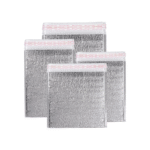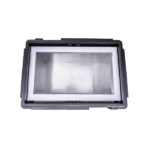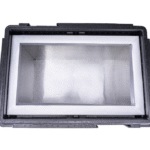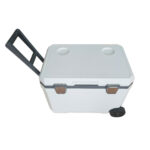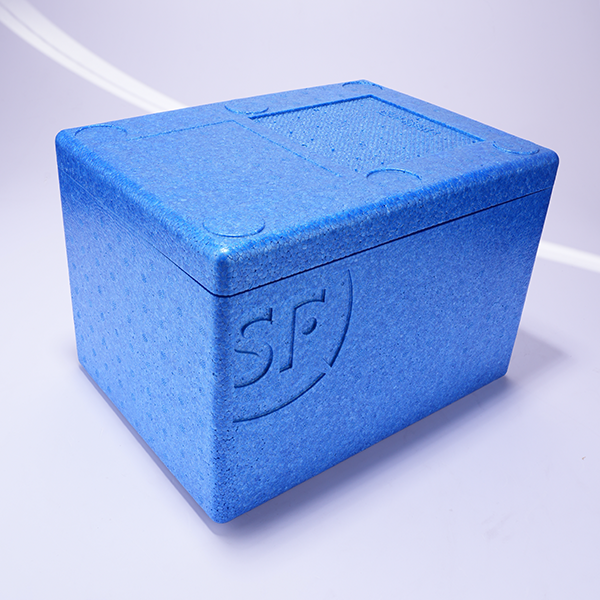
Caja enfriadora de EPP resistente a productos químicos: Una guía de selección práctica para compradores de cadena de frío
Para resistentes a químicos Caja refrigeradora EPP decisiones, Se debe seleccionar una nevera portátil de EPP resistente a productos químicos como parte funcional de su sistema logístico., no como una promesa independiente de control de temperatura. La elección correcta depende del transporte o de la preparación de materiales sensibles a la temperatura en los que se utilicen agentes de limpieza., residuos, contenedores de muestra, o se debe considerar una exposición química leve, el requisito de temperatura del producto, la carga útil, la fuente fría, y la evidencia detrás de cualquier reclamo de desempeño. Utilice la siguiente guía para comparar opciones, pregunta proveedores, y pasar de la evaluación de muestras al uso confiable sin prometer demasiado lo que es Caja EPP puede hacer.
respuesta rapida: una nevera portátil de EPP resistente a productos químicos es un buen candidato cuando se necesita un aislamiento liviano, protección contra impactos, y manejo repetible, pero debería ser aprobado con la fuente fría., carga útil, ruta, y proceso de recepción. No es un atajo para el control de la temperatura o la revisión de la calidad..
Qué puede hacer la caja y qué no puede hacer
Una caja de EPP puede proporcionar protección contra impactos, aislamiento, y ventajas de manejo de uso repetido. Puede facilitar el flujo de trabajo de la cadena de frío o del embalaje protector al reducir el peso., soporte de inserciones moldeadas, y resiste mejor los golpes cotidianos que algunas opciones de espuma desechable. Para transportar o almacenar materiales sensibles a la temperatura donde los agentes de limpieza, residuos, contenedores de muestra, o se debe considerar una exposición química leve, esas ventajas pueden ser significativas.
Lo que no puede hacer es definir los requisitos del producto., generar frio, documentar el envío, o garantizar la aceptación regulatoria. Esos roles pertenecen a la etiqueta del producto., la fuente fría, el paquete, dispositivos de monitoreo, procedimientos de calidad, y las personas que operan la ruta. Una especificación sólida mantiene estos roles separados.
Este es el principio central de compra.: Elija la casilla para el trabajo que realmente puede realizar., luego construye el resto del flujo de trabajo a su alrededor. Cuando los compradores se saltan ese principio, A menudo terminan con envases que parecen profesionales pero que fallan en el manejo rutinario..
Comience con la ruta, Carga útil, y rango de aceptación
Antes de comparar proveedores, escribir la ruta en lenguaje operativo. ¿Dónde se almacena el producto antes de empacar?? quien lo empaca? ¿Cuánto tiempo podría esperar antes de cargar?? ¿Qué vehículo o transportista lo maneja?? ¿Dónde podría estar expuesto al calor?, frío, o retraso? quien lo recibe, y que tan rápido se desempaqueta? Estas preguntas revelan si el packaging necesita más margen térmico, mejor etiquetado, o un formato diferente.
Próximo, definir la carga útil. La capacidad bruta no es suficiente. Necesitas saber las dimensiones del producto., masa del producto, límites de orientación, divisores requeridos, volumen de fuente fría, documentos, y cualquier dispositivo de monitoreo. El espacio de carga útil utilizable después de incluir esos elementos es el espacio que importa. Una pequeña discrepancia puede crear presión en la tapa o un embalaje inconsistente..
Finalmente, confirmar el rango de aceptación. Las necesidades térmicas y la compatibilidad química son cuestiones de aprobación independientes.; ambos deben ser revisados para el uso planeado. Si no define claramente la condición del producto, Ningún proveedor puede confirmar de manera responsable si la caja y el paquete propuestos son adecuados..
Los reclamos de los proveedores deben convertirse en puntos de verificación
Los reclamos de los proveedores son útiles cuando inician una conversación técnica. Son arriesgados cuando terminan la conversación demasiado pronto.. Una frase como "buen aislamiento" debería llevar a preguntas sobre las condiciones de prueba. Una frase como "reutilizable" debe conducir a criterios de limpieza e inspección. Una frase como "personalizable" debería conducir a dibujos, revisión del molde, tolerancias, y muestra de aprobación.
Para una caja refrigeradora de EPP que pueda tolerar condiciones rutinarias de manipulación y limpieza y al mismo tiempo se evalúe según las necesidades específicas de compatibilidad química., Un mejor archivo de compras incluye tanto la declaración del proveedor como el paso de verificación del comprador.. Si el rendimiento térmico es importante, mantener notas sobre la carga útil, fuente fría, exposición ambiental, y límites de aceptación. Si la higiene es importante, documentar los métodos de limpieza y qué condición de la superficie es aceptable después de un uso repetido.
Este enfoque protege a ambas partes.. El comprador evita asumir más de lo que respaldan los datos.. El proveedor recibe requisitos más claros y puede recomendar una opción más realista..
| Punto de decisión | Que confirmar | Por qué protege al comprador |
|---|---|---|
| Producto y gama | Rango de temperatura requerido, sensibilidad, y exposición permitida. | Evita que la caja sea aprobada por una condición incorrecta del producto.. |
| Ruta realidad | Tiempo de tránsito en el peor de los casos, puesta en escena, traspasos, y retraso en la recepción. | Muestra si el embalaje necesita un margen térmico adicional o control de proceso.. |
| Diseño de embalaje | Tipo de refrigerante, posición, acondicionamiento, inserciones, y espacio de cabeza. | Convierte la caja de EPP en un sistema repetible en lugar de un contenedor suelto. |
| Evidencia del proveedor | Datos de prueba, consistencia de la muestra, dibujos, y control de cambios. | Reduce el riesgo de reclamaciones sin fundamento y desajustes en la producción.. |
| Operación diaria | Limpieza, inspección, etiquetado, apilado, y flujo de retorno. | Mantiene el programa utilizable después de la primera compra.. |
La tabla es útil porque separa lo que es físicamente la caja de lo que el comprador aún necesita confirmar.. También mantiene prácticas las conversaciones con los proveedores.. Si un punto no se puede confirmar durante la etapa de muestreo, debe permanecer abierto en lugar de convertirse en una afirmación de producto sin respaldo.
La compatibilidad química es un paso de verificación, No es un eslogan
Este módulo debe completarse antes de realizar pedidos al por mayor o de la aprobación personalizada final.. Convierte la búsqueda de una nevera portátil de EPP resistente a productos químicos en un proceso de selección controlado en lugar de una comparación de catálogos.
Utilice contención secundaria cuando la carga útil pueda tener fugas., métodos de limpieza de documentos, y pregunte al proveedor sobre la compatibilidad con los desinfectantes o residuos previstos. Si el envío es de alto riesgo, involucrar calidad, operaciones, y recepción de personal antes de la aprobación de la compra.. A caja de cadena de frio afecta a más departamentos que el de adquisiciones por sí solo.
| Punto de decisión | Que confirmar | Por qué protege al comprador |
|---|---|---|
| Producto y gama | Rango de temperatura requerido, sensibilidad, y exposición permitida. | Evita que la caja sea aprobada por una condición incorrecta del producto.. |
| Ruta realidad | Tiempo de tránsito en el peor de los casos, puesta en escena, traspasos, y retraso en la recepción. | Muestra si el embalaje necesita un margen térmico adicional o control de proceso.. |
| Diseño de embalaje | Tipo de refrigerante, posición, acondicionamiento, inserciones, y espacio de cabeza. | Convierte la caja de EPP en un sistema repetible en lugar de un contenedor suelto. |
| Evidencia del proveedor | Datos de prueba, consistencia de la muestra, dibujos, y control de cambios. | Reduce el riesgo de reclamaciones sin fundamento y desajustes en la producción.. |
| Operación diaria | Limpieza, inspección, etiquetado, apilado, y flujo de retorno. | Mantiene el programa utilizable después de la primera compra.. |
La tabla es útil porque separa lo que es físicamente la caja de lo que el comprador aún necesita confirmar.. También mantiene prácticas las conversaciones con los proveedores.. Si un punto no se puede confirmar durante la etapa de muestreo, debe permanecer abierto en lugar de convertirse en una afirmación de producto sin respaldo.
De la aprobación de la muestra al uso diario
Se debe probar una muestra para comprobar su ajuste., usabilidad, y proceso de coincidencia. Empaquételo con el producto real o un sustituto realista., incluir la fuente de frío, cerrar la tapa como lo harían los operadores durante un turno ocupado, y muévelo a través de una ruta realista. Si el equipo necesita un esfuerzo especial para que la muestra funcione, el uso de producción puede volverse inconsistente.
Para programas personalizados, registrar dibujos aprobados, notas materiales, requisitos de color o marca, detalles de la tapa, insertar diseño, y expectativas de embalaje de cartón o paleta. Para programas masivos, definir criterios de aceptación para la inspección entrante. buscar deformaciones, ajuste de la tapa, condición de la superficie, dimensiones, y etiquetado. Estos controles no son burocracia. Evitan que pequeños defectos se conviertan en problemas operativos repetidos.
Herramientas útiles para tomar decisiones
Comprueba los detalles antes de elegir el embalaje.
Estas herramientas rápidas pueden ayudarle a comparar el riesgo de la ruta, necesidades de dimensionamiento, opciones de refrigerante, y detalles del embalaje antes de solicitar una cotización.
Revestimiento de caja & Dimensionamiento de la cubierta de paleta
Lógica de tamaño de revestimiento de cajas y cubiertas de paletas para proyectos de embalaje aislado.
Estimar el tamañoCalculadora de hielo seco
Calcule las necesidades de hielo seco para envíos congelados o ultrafríos antes de empacar.
Estimar hielo secoSelector de embalaje
Compare las opciones de embalaje aislado por producto, ruta, y necesidad de temperatura.
encontrar embalajeUna vez que la caja esté en uso, crear un bucle simple para recibir comentarios. Los operadores deben reportar tapas dañadas., problemas de limpieza, olor, etiquetas faltantes, y confusión en el embalaje. Embalaje reutilizable Sigue siendo confiable sólo cuando la organización lo trata como un activo administrado..
Notas prácticas de funcionamiento antes de la aprobación
Escriba el procedimiento de embalaje en el mismo idioma que utilizan los operadores.. Incluye preacondicionamiento del producto., colocación de fuente fría, cierre de tapa, colocación de etiquetas, y la persona responsable del control final. Si el procedimiento es demasiado complejo para repetirlo durante un turno ocupado, El diseño del embalaje debe simplificarse antes de que se expanda el programa..
Definir las expectativas de recepción. Un envío sensible a la temperatura no debe esperar en un área de recepción general sin atención.. El receptor debe saber qué inspeccionar a su llegada., que grabar, donde colocar las mercancías, y a quién contactar si la caja está dañada o si un monitor de temperatura muestra preocupación.
Planifique devoluciones vacías cuando la caja esté destinada a ser reutilizada. El flujo de retorno afecta el costo total, sostenibilidad, e inventario de reemplazo. Una caja que sea duradera pero que se pierda con frecuencia puede no ser la opción más económica.. Marcas de identificación, propiedad de la ruta, y los puntos de control de devolución pueden reducir ese problema.
Mantenga la especificación bajo control. Si el proveedor cambia la calidad del material, diseño de tapa, geometría de la pared, insertar diseño, o método de producción, El comprador debe entender si el cambio afecta el embalaje., limpieza, o supuestos térmicos. El control de cambios es especialmente importante para programas personalizados y masivos..
Utilice la retroalimentación del piloto antes de escalar. Los operadores suelen notar detalles que los equipos de compras pasan por alto: un mango que aprieta, una tapa que es difícil de alinear, un área de etiqueta que se moja, o un inserto que ralentiza el embalaje. Esos detalles afectan la adopción y deben revisarse mientras aún sean posibles cambios..
Una regla útil para los compradores de laboratorios, equipos de logística farmacéutica, operaciones alimentarias, y los ingenieros de embalaje preocupados por la seguridad es separar la aprobación en tres capas: ajuste del producto, ajuste de ruta, y operación adecuada. El ajuste del producto pregunta si la carga útil, condición de temperatura, y la sensibilidad tienen sentido para el contenedor propuesto. El ajuste de ruta pregunta si la caja y el paquete tienen suficiente margen para la exposición esperada.. Operation Fit pregunta si la gente puede hacer las maletas, mover, recibir, limpio, y devolver la caja consistentemente. Una debilidad en cualquier capa puede deshacer una buena elección de material.
Otra comprobación práctica es comparar el mejor uso con el peor día normal.. La muestra de un proveedor a menudo se evalúa en condiciones de calma., mientras que la logística real incluye recogidas tardías, puertas abiertas del muelle, áreas de recepción ocupadas, y operadores que necesitan instrucciones claras. La nevera portátil de EPP resistente a los productos químicos adecuada debe ser lo suficientemente tolerante con las variaciones normales, pero no utilizarse como sustituto del control del proceso..
Para pedidos personalizados o repetidos, La documentación debe mantenerse simple pero completa.. un dibujo, nota de muestra aprobada, instrucción de embalaje, nota de limpieza, y la expectativa de control de cambios puede evitar confusiones posteriores. Esto es especialmente útil cuando más de un sitio utiliza el mismo diseño de caja o cuando diferentes equipos manejan las adquisiciones., embalaje, recepción, y revisión de calidad.
El comprador también debe revisar el costo total más allá de la primera compra.. Tasa de reemplazo, trabajo de limpieza, espacio de almacenamiento, flete de regreso, activos perdidos, reetiquetado, y el riesgo de rechazo del producto puede ser más importante que una pequeña diferencia en el precio unitario. Una caja de EPP ligeramente mejor diseñada puede reducir la fricción en el manejo y hacer que el programa reutilizable sea más fácil de mantener..
Finalmente, Evite convertir el lenguaje cauteloso del proveedor en afirmaciones absolutas.. Si un proveedor dice que la caja es adecuada para un tipo de aplicación, pregunta bajo que condiciones. Si mencionan aislamiento, preguntar qué paquete se utilizó. Si mencionan la reciclabilidad, preguntar qué ruta de identificación y recuperación de materiales son prácticas. El expediente de compras debe mostrar lo que se sabe y lo que aún depende de su proceso..
Una regla útil para los compradores de laboratorios, equipos de logística farmacéutica, operaciones alimentarias, y los ingenieros de embalaje preocupados por la seguridad es separar la aprobación en tres capas: ajuste del producto, ajuste de ruta, y operación adecuada. El ajuste del producto pregunta si la carga útil, condición de temperatura, y la sensibilidad tienen sentido para el contenedor propuesto. El ajuste de ruta pregunta si la caja y el paquete tienen suficiente margen para la exposición esperada.. Operation Fit pregunta si la gente puede hacer las maletas, mover, recibir, limpio, y devolver la caja consistentemente. Una debilidad en cualquier capa puede deshacer una buena elección de material.
Preguntas frecuentes
¿Es una caja refrigeradora de EPP resistente a productos químicos con temperatura controlada automáticamente??
No. es un contenedor aislado, no es una unidad de enfriamiento activa. Puede retardar la transferencia de calor y proteger la carga útil del impacto del manejo., pero el rendimiento de la temperatura depende de la temperatura inicial del producto, fuente fría, diseño de paquete, exposición de ruta, disciplina de la tapa, y proceso de recepción. Para mercancías sensibles, tratar la caja como parte de un sistema de embalaje completo.
¿Qué debo preguntar antes de pedir muestras??
Preguntar por dimensiones interiores utilizables, Detalles del material y la tapa., compatibilidad con fuente fría, guía de limpieza, dibujos de muestra, información de prueba disponible, y cómo el proveedor controla los cambios en la producción.. Para una caja refrigeradora de EPP que pueda tolerar condiciones rutinarias de manipulación y limpieza y al mismo tiempo se evalúe según las necesidades específicas de compatibilidad química., describe también tu ruta, carga útil, rango de temperatura, y puntos de entrega para que la muestra pueda evaluarse de manera realista.
¿Se pueden reutilizar las cajas de EPP??
El EPP se selecciona comúnmente para envases reutilizables porque es liviano., resiliente, y capaz de recuperarse de muchos impactos de manejo. La reutilización todavía depende del diseño., proceso de limpieza, rutina de inspección, y cómo se devuelve y guarda la caja. Los compradores deben definir los criterios de daños y las reglas de retiro antes de iniciar un programa reutilizable..
¿Cómo sé si la caja se ajusta a mi ruta??
Comience con el producto, no la caja. Confirme la condición de temperatura requerida, masa del producto, duración de la ruta, tiempo de espera, exposición al vehículo, frecuencia de apertura, y proceso de recepción. Luego pruebe o evalúe la caja con el mismo tipo de fuente de frío y disposición de carga útil que planea usar en las operaciones diarias..
¿La reciclabilidad significa que la caja será aceptada en todas partes??
No necesariamente. El EPP es una espuma a base de polipropileno y puede reciclarse en sistemas de recuperación adecuados., pero la aceptación local depende de la colección., clasificación, contaminación, y canales de reciclaje. Los compradores que planifiquen un programa de sostenibilidad deberían analizar el etiquetado, flujo de retorno, limpieza, y manejo al final de su vida útil en lugar de depender de una declaración de reciclaje genérica.
Conclusión
Una nevera portátil de EPP resistente a productos químicos puede ser una buena opción de embalaje cuando el comprador conecta los beneficios materiales con la realidad de la ruta.. Utilice EPP por su peso ligero., aislamiento, resistencia al impacto, y potencial reutilizable, pero no asuma que la caja por sí sola controla la temperatura o demuestra el cumplimiento. Confirmar la gama de productos, ajuste de carga útil, empacar, fuente fría, proceso de recepción, rutina de limpieza, y evidencia del proveedor antes de escalar. La decisión de compra más fuerte es la que protege tanto el envío como el flujo de trabajo diario que lo rodea..