Bolsas refrigerantes en gel para transporte de sangre: Cómo elegir el suministro adecuado
Comience con la decisión real
El transporte relacionado con sangre requiere la lógica de compra más disciplinada en este grupo de palabras clave. El pack nunca es el producto.. El paquete es un componente controlado dentro de un sistema de protección más grande., y el mejor proveedor es el que respeta claramente ese límite.
El marco de decisión más confiable comienza con el uso previsto. Anota el producto a proteger, la banda de temperatura objetivo, la longitud de la ruta o la duración del uso, y las limitaciones operativas. Luego compare los formatos de los paquetes con esos requisitos.. Esto suena simple, pero previene el error de abastecimiento más común: comprar un producto que parezca familiar antes de definir el trabajo real.
Después, avanzar a través de la decisión en capas. La capa uno es de ajuste térmico.. La capa dos es operativa, incluyendo almacenamiento, acondicionamiento, velocidad de embalaje, y recibiendo experiencia. La tercera capa es el control de proveedores.: consistencia del lote, gestión del cambio, y la capacidad de apoyar el crecimiento. Cuando los compradores toman decisiones en ese orden, Por lo general, obtienen un mejor resultado que cuando comienzan con el precio o las reclamaciones genéricas en frío..
Incluso un buen paquete puede fallar en el sistema equivocado. Espesor del aislamiento, tamaño de la caja, densidad de carga útil, espacio vacío, y la colocación del paquete cambian el resultado. En rutas reguladas o de alta sensibilidad, El refrigerante es sólo un componente de un paquete controlado más grande.. En programas de consumo o minoristas, La experiencia del usuario después de la entrega puede ser tan importante como la tendencia de la temperatura interna..
Es por eso que el paquete siempre debe discutirse junto con el resto de la construcción.. Si cambias la caja, el revestimiento, el número de unidades, o la forma en que se preacondiciona el producto, es posible que hayas cambiado el rendimiento. Los compradores que entienden que el sistema se adapta temprano gastan menos dinero en nuevas pruebas evitables más adelante.
Una ruta que parece simple sobre el papel aún puede desafiar a una bolsa de gel refrigerante una vez que ingresa al mundo real. Puesta en escena de la primera milla, exposición de última milla, retraso del fin de semana, disponibilidad del receptor, y los picos ambientales son todos importantes. No es lo mismo una salida de almacén frigorífico que una vía protegida de entrega a domicilio, y no es lo mismo un traspaso en una clínica que un muelle de recepción en un hospital o una sala de entrenamiento deportivo.
Por eso es importante el mapeo operativo. Los compradores deben preguntar dónde pasa el tiempo la manada fuera de condiciones controladas., ¿Cuánto tiempo permanece el producto después del embalaje?, si las cajas se abren inmediatamente después de su recepción, y que pasa cuando algo sale mal. Cuantas más variables de ruta puedas definir, es menos probable que compre en exceso en masa, protección contra compra insuficiente, o elegir un formato que parezca eficiente en teoría pero genere quejas en la práctica.
Cuando los compradores combinan ese marco con una lista corta disciplinada y piloto, Por lo general, terminan con una mejor elección final que cualquier artículo individual., pagina del catalogo, o la revisión de la muestra podría proporcionar por sí sola.
Un marco claro para elegir el paquete adecuado
Comparar formatos es más útil que comparar eslóganes. Una gama de bolsas de refrigerante en gel puede incluir bolsas de refrigerante planas, paquetes de temperatura de precisión, ladrillos de soporte rígido, y bolsas compatibles con bolsas secundarias, y cada formato cambia el comportamiento de embalaje. Los paquetes planos o en láminas a menudo mejoran la velocidad de embalaje y se superponen perfectamente a las cajas o revestimientos.. Los paquetes estilo almohada pueden envolver productos y llenar los huecos de forma más natural. Los bloques rígidos mantienen su forma y pueden ser más fáciles de colocar de manera predecible, pero ocupan más espacio en el congelador y pueden ser menos indulgentes con cargas útiles irregulares.
Por lo tanto, el método de comparación correcto depende del trabajo. Pregunte qué formato funciona con su huella de cartón actual, cuál se almacena eficientemente en su congelador, ¿Cuál reduce la confusión del empacador?, y cuál limita el riesgo de daños o fugas. La mejor respuesta puede no ser la que tenga el perfil de frío más agresivo. Puede ser el que tu equipo pueda condicionar, identificar, y utilizar correctamente todos los días.
Cómo funciona el producto dentro de un sistema completo
El principio de funcionamiento es simple., pero la decisión de compra no es. Una bolsa de refrigerante en gel absorbe el calor mientras está congelada o acondicionada y luego libera gradualmente la energía almacenada.. La rapidez con la que esto suceda depende de la masa del paquete., la forma y el área del paquete, el aislamiento circundante, y la cantidad de tiempo que la carga útil permanece expuesta al calor ambiental.
Los paquetes de gel estándar a base de agua generalmente se congelan alrededor del punto donde se congela el agua., lo que los hace prácticos y económicos para muchos trabajos generales de cadena de frío. Polímero superabsorbente, a menudo abreviado como SAP, Se utiliza comúnmente para convertir la fase acuosa en una matriz de gel.. Eso ayuda al relleno a resistir el movimiento del líquido libre cuando la bolsa está estresada.. En programas más exigentes, o cuando los productos sensibles a la congelación deben protegerse, Los compradores también pueden considerar materiales de cambio de fase.. Los paquetes basados en PCM se pueden diseñar para derretirse y solidificarse más cerca de una banda objetivo, de modo que liberen el frío con más suavidad que los refrigerantes estándar a base de agua congelada..
Por eso el condicionamiento importa tanto como la química.. Un comprador no necesita un paquete que se sienta frío en el congelador.. El comprador necesita un paquete que entre en el paso de envío o uso en el estado térmico adecuado.. Si el producto debe permanecer refrigerado en lugar de congelado, un paquete a base de agua completamente congelado puede crear un sobreenfriamiento localizado. Si la ruta incluye pasos cortos refrigerados pero una larga exposición en la última milla, Puede ser necesario un paquete más pesado o un mayor número de paquetes.. En otras palabras, la manada nunca puede ser juzgada sola; tiene que ser juzgado dentro de la ruta y el proceso de manejo que realmente importan.
Material, Calidad, y puntos de cumplimiento que no deben omitirse
Desde una perspectiva de materiales, más a granel paquetes fríos están construidos alrededor de sistemas de llenado a base de agua sellados dentro de estructuras de bolsas multicapa. Los compradores deben centrarse en toda la arquitectura del paquete.: llenar la fórmula, construcción de película, diseño de costura, y acondicionamiento recomendado. Esos detalles influyen no sólo en el comportamiento térmico sino también en la resistencia a las fugas., eficiencia de almacenamiento, y consistencia del embalaje.
Los programas de sangre y muestras se acercan más a la gestión formal de la calidad. Public WHO guidance treats the blood cadena de frío as a system extending through collection, tratamiento, almacenamiento, distribución, y recibo. Para algunas muestras de diagnóstico que se mueven por aire, La guía pública de IATA y PHMSA para la Categoría B agrega reglas de empaque, como el empaque triple, material absorbente, un paquete exterior rígido, y notas requeridas. Incluso cuando un envío queda fuera de esa clasificación exacta, la misma disciplina en torno a la protección y la trazabilidad en capas es valiosa.
En todas estas categorías, Una discusión técnica más sólida cubre cómo se comporta el paquete en condiciones de funcionamiento reales.: que rápido se congela, si necesita templado, cómo reacciona bajo compresión, y en qué medida el lote terminado coincide con la muestra aprobada. Ese tipo de profundidad es más útil que una larga lista de afirmaciones sin fundamento..
El control de calidad comienza con la integridad del sello. Una bolsa que gotea fallará por muy bien que se vea su diseño térmico en papel. Los compradores deberían preguntar cómo se forman los sellos., ¿Qué pruebas de fugas o estallidos se utilizan?, cómo se comprueba la resistencia a la perforación, y cuál es la tolerancia de llenado aceptable de un lote a otro. En programas repetidos, Pequeños cambios en el embalaje pueden tener grandes efectos operativos., especialmente cuando el caso cuenta, cubo, almacenamiento en el congelador, o embalaje automatizado están involucrados.
La otra parte del control de calidad es la gestión del cambio.. Los grandes compradores a menudo asumen que las especificaciones cotizadas permanecerán fijas., pero eso no siempre es cierto en la práctica. Suministro de película, ancho de costura, relación de llenado, área de impresión, e incluso el número de cajas puede cambiar si no hay un proceso de control de cambios definido.. Una relación más sólida con los proveedores incluye un aviso previo, especificaciones maestras retenidas, y una forma de comparar el material piloto con la producción completa.
Una lista de verificación práctica para proveedores
Los compradores al por mayor deben convertir las conversaciones con los proveedores en una evaluación estructurada en lugar de una discusión de ventas abierta.. Las preguntas más útiles son aquellas que definen el ajuste antes de que el precio se convierta en el único tema..
Idoneidad de la banda de temperatura para el producto sanguíneo específico, muestra, o reactivo que se está moviendo, no es solo un reclamo genérico en frío.
Herramientas útiles para tomar decisiones
Comprueba los detalles antes de elegir el embalaje.
Estas herramientas rápidas pueden ayudarle a comparar el riesgo de la ruta, necesidades de dimensionamiento, opciones de refrigerante, y detalles del embalaje antes de solicitar una cotización.
Referencia del material aislante
Compare opciones de materiales aislantes para diferentes necesidades de embalaje de la cadena de frío.
Comparar materialesEvaluador de riesgo de ruta
Revise las condiciones del carril antes de seleccionar el embalaje para requisitos operativos reales..
Comprobar riesgo de rutaCalculadora de hielo seco
Calcule las necesidades de hielo seco para envíos congelados o ultrafríos antes de empacar.
Estimar hielo secoSi el proveedor comprende la diferencia entre los componentes sanguíneos., muestras de diagnóstico, y otros materiales biológicos.
Compatibilidad con sistemas de triple embalaje., materiales absorbentes, exteriores rígidos, y el espacio necesario para las marcas reguladas.
Trazabilidad del lote, recibiendo apoyo de inspección, y documentación que ayuda con la validación o revisión de calidad interna..
Comportamiento al utilizar hielo seco u otros refrigerantes en sistemas mixtos, incluida la colocación fuera del embalaje secundario cuando sea necesario.
Instrucciones claras para el acondicionamiento., colocación del paquete, y prevenir la congelación local en cargas médicas sensibles.
Si el proveedor puede admitir el ajuste de la banda de temperatura.
Si el proveedor puede respaldar la compatibilidad con el embalaje de muestra.
Si el proveedor puede soportar la trazabilidad y el control de lotes..
Si el proveedor puede respaldar la documentación para el trabajo de validación..
Si el proveedor puede brindar soporte para rutas aéreas y terrestres..
Cómo preseleccionar proveedores antes de comprometerse
Una lista corta sólida generalmente se construye en torno a tres preguntas. Primero, ¿Puede el proveedor respaldar honestamente la aplicación prevista en lugar de forzar cada solicitud a la misma solución estándar?? Segundo, ¿Puede el proveedor explicar el acondicionamiento?, adaptar, y el comportamiento del embalaje en un lenguaje práctico? Tercero, ¿Puede el proveedor mantener estable la especificación a medida que crece el programa??
Los compradores también deben buscar pruebas de soporte operativo.. Eso incluye un muestreo sensato., información clara sobre cajas y palés, trazabilidad, y la voluntad de definir qué se controla y qué puede variar. Un proveedor más débil a menudo recurre a un lenguaje genérico de tiempo de espera., consejos de tallas vagos, o una muestra que se ve bien sólo porque fue preparada en condiciones ideales.
Plan de implementación antes de la ampliación total
Una vez que preseleccione un proveedor, La implementación debe seguir una secuencia disciplinada.. Aprobar la especificación por escrito.. Valide el método de acondicionamiento que su equipo realmente utilizará. Ejecute una prueba piloto utilizando la caja prevista, aislamiento, carga útil, y supuestos de ruta. Revise el resultado de la recepción de la misma manera que lo experimentará el equipo interno o el usuario final.. Luego, bloquee los controles de reorden para que los lotes futuros permanezcan dentro del rango aprobado..
Si el programa crece, Actualiza el sistema antes de que los problemas te obliguen a hacerlo.. Nuevos tamaños de cajas, carriles más calientes, tiempos de permanencia más largos, o un cambio del suministro de existencias a una impresión personalizada pueden cambiar el resultado. Los equipos que revisan el paquete de manera proactiva generalmente evitan el costoso ciclo de quejas., reemplazo de emergencia, y recalificación apresurada.
Preguntas frecuentes
¿Es suficiente una bolsa de gel refrigerante por sí sola para el transporte de sangre??
No. Es un componente dentro de un sistema de envasado y control de temperatura más grande.. Los flujos de trabajo de sangre generalmente requieren un transportista definido, proceso de manipulación, y recibir cheques.
¿Qué pasa si los envíos relacionados con sangre se transportan por vía aérea como muestras de diagnóstico??
Entonces la clasificación del transporte importa. La orientación pública de IATA y PHMSA para la categoría B apunta al triple embalaje, material absorbente, un paquete exterior rígido, y marcas requeridas cuando se aplican esas reglas.
¿Qué deben pedir los equipos de calidad a un proveedor??
Trazabilidad del lote, guía de acondicionamiento, especificaciones estables, y suficientes detalles técnicos para respaldar la validación o la evaluación de riesgos interna.
Recomendación final
La forma más útil de comprar productos de bolsas refrigerantes en gel es comenzar con el trabajo real.: productos sanguíneos, muestras de sangre, y diagnóstico y transporte de tejidos.. Una vez que ese trabajo esté claramente definido, la elección correcta se vuelve más fácil de ver. Comparas formato, acondicionamiento, estabilidad, manejo, y control de proveedores en lugar de distraerse con afirmaciones generales. Así es como los compradores al por mayor reducen el desperdicio, proteger la integridad del producto, y evitar reconstruir el programa después de la primera ampliación.
Acerca de Tempk
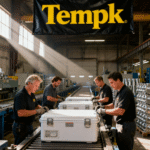
Y Tempk, nos centramos en embalaje de cadena de frío para transporte sensible a la temperatura. Nuestra gama que cotiza en bolsa incluye bolsas de hielo en gel, bolsas de hielo llenas de agua, paquetes de hielo seco, ladrillos de hielo, bolsas aisladas, cajas aisladas, revestimientos de cajas, cubiertas de paletas, y materiales relacionados de la cadena de frío. También apoyamos trabajos de envasado para alimentos., farmacéutico, y proyectos de distribución sensibles a la temperatura. En la práctica, Nuestra fortaleza es ayudar a los compradores a igualar los refrigerantes., aislamiento, y manejar las necesidades en lugar de depender de un reclamo genérico en frío.
Siguiente paso: Comparta su rango de temperatura objetivo, duración de la ruta, tamaño del listón, y condiciones de manejo, y podemos ayudarle a definir un plan de embalaje a granel más práctico..