Elegir un 25 Liter Ice Chest Supplier With Fewer Assumptions
The safest way to choose a 25 litro proveedor de hieleras is to replace the capacity label with a controlled use case. Define what must fit, how it is cooled, who carries and opens it, donde viaja, como se limpia, and what evidence supports its claims. Then compare suppliers using one configuration and one commercial scope. This approach prevents a common procurement error: selecting a lower price for a chest that has less usable space, a different insulation system, missing hardware, weaker packaging, or an irrelevant performance test.
Establish the Intended Operating Model
Write a one-page use description. Identificar contenidos, rango de carga, condición inicial, temperature objective if any, refrigerante, duración, exposición ambiental, aberturas, limpieza, almacenamiento, transporte, y regresar. Add the sales or service channel because retail, servicio de comida, promocional, and controlled-distribution programs value different features.
State product boundaries clearly. An insulated chest slows temperature change. No es refrigeración activa.. A shell alone is not a complete passive thermal system. Coolant and packout can create a controlled arrangement, but only within supported operating limits. A temperature logger records conditions; it does not protect the contents.
Rank requirements as critical, privilegiado, y opcional. This gives suppliers space to offer economical alternatives without silently altering essentials. Por ejemplo, loaded handle performance may be critical, a custom color preferred, and wheels optional.
Convertir 25 L Into a Verified Load Plan
Ask how the nominal capacity was determined. Obtain empty internal dimensions and a contour drawing. Próximo, define the usable payload envelope after dividers, botellas, refrigerante, espaciadores, or trays are installed. Finalmente, measure total loaded mass.
| Paso de verificación | Producción | Decisión que apoya |
|---|---|---|
| Empty-cavity review | Gross capacity definition | Catalog normalization |
| Complete packout drawing | Usable volume and payload envelope | Product count and orientation |
| Physical fit trial | Clearance and operator access | Aprobación de muestra |
| Loaded weighing | Total handling mass | Manijas, ruedas, transporte, safety procedure |
| Partial-load review | Supported minimum load | Divisor, relleno, or alternate size decision |
Do not use a calculated liter value to overrule a failed fit trial. Esquinas redondeadas, afilar, huecos de la tapa, and packaging tolerances can leave unusable space. Asimismo, do not pack so tightly that users cannot remove contents or close the lid consistently.
If load quantity changes, determine whether thermal or movement behavior changes materially. A controlled divider, relleno, or smaller chest may be appropriate. The supplier should not promise that any load from empty to full performs identically without evidence.
Evaluate the Wall, Tapa, and Interfaces as One Product
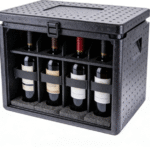
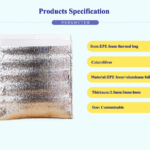
Review a cross-section showing shell and insulation. Common directions include plastic shells around foam, EPP molded structures, EPS shippers with protective packaging, heavy molded coolers, and VIP-enhanced systems. Each has a different balance of thermal resistance, durabilidad, masa, espesor, respuesta a la humedad, reparar, y costo.
The lid deserves equal attention. Check wall overlap, empaquetadora, compresión, bisagras, pestillos, and local insulation. Heat paths at joints and hardware can reduce the value of a well-insulated broad wall. Drains and wheel mounts also affect structure and cleaning.
Assess interfaces with a representative load. Cycle the lid and latches, carry the chest, pull it if wheeled, drain it, limpiarlo, and store it. Inspect for pinch points, bordes afilados, loose components, water traps, olor, alabeo, y abrasión. Ask whether high-wear parts can be replaced and how they are identified.
Material choice must follow intended contact. If unpackaged food touches the inner liner, verify the exact resin formulation, aditivos, pigmentos, contenido reciclado, and conditions of use under the destination rules. A polymer name or recycling symbol is not regulatory evidence. For packaged goods, describe the contact boundary accurately.
Require a Test That Matches the Claim
List the claims you plan to publish or rely on. Capacidad, manipulación cargada, resistencia a fugas, impacto, closure life, compatibilidad de limpieza, and thermal duration each require a different test definition.
For ice retention, specify ambient profile, temperaturas iniciales, ice quantity and form, carga útil, aberturas, drenaje, duración, and the criterion defining retention. For a cold-chain packout, specify product acceptance range, configuración del refrigerante, carga útil, mapa de sensores, perfil ambiental, and qualification approach. ISTA thermal transport resources can support parcel-packaging evaluation, but a standard name is not a universal performance guarantee.
Compare reports at the configuration level. The sample identity, materiales, refrigerante, carga útil, and conditions should match the proposed product. A duration from a larger model, a different lid, or a full-ice test should not be transferred to the offered chest without justification.
Six questions for any duration claim
Which exact production-equivalent chest was used?
What and how much was loaded?
What were the starting and ambient conditions?
Was the lid opened, and how often?
What sensors or observations defined the result?
What was the pass or end criterion?
These questions do not make testing unnecessarily complex. They make the answer interpretable.
Make Correct Use Easy
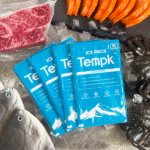
A product that depends on a precise packout needs clear instructions. Identify every component, preparation step, loading position, opening rule, y control de cierre. Use drawings that match the delivered revision. If coolant is supplied, define conditioning and inspection; a missing or leaking pack should have a clear response.
For foodservice and fleet use, instructions should cover cleaning agent, concentration or method as appropriate, enjuague, el secado, almacenamiento, and pre-use inspection. Para productos de consumo, explain drain, pestillo, and safe handling without unsupported promises. Para uso médico, monitoring and excursion response belong to the responsible quality procedure.
A typical field problem occurs when staff add extra loose ice because the chest feels partly empty. The additional ice changes weight, exposición al agua, y espacio utilizable; for sensitive payloads it may also create local cold risk. A supported load arrangement and visible fill line or divider can be safer than improvisation.
Herramientas útiles para tomar decisiones
Comprueba los detalles antes de elegir el embalaje.
Estas herramientas rápidas pueden ayudarle a comparar el riesgo de la ruta, necesidades de dimensionamiento, opciones de refrigerante, y detalles del embalaje antes de solicitar una cotización.
Selector de embalaje
Compare las opciones de embalaje aislado por producto, ruta, y necesidad de temperatura.
encontrar embalajeReferencia del material aislante
Compare opciones de materiales aislantes para diferentes necesidades de embalaje de la cadena de frío.
Comparar materialesCalculadora de bolsa de hielo
Estimación de la cantidad de bolsas de hielo en gel para envíos refrigerados y planificación práctica de rutas.
Estimar las bolsas de hieloConfirm Production Can Repeat the Sample
Approve a bill of materials, dibujos, estándar de color, obra de arte, embalaje, and production-equivalent sample. Identify characteristics tied to fit and performance: material, peso parcial, dimensiones internas, alineación de la tapa, compresión de la junta, latch and handle assembly, insulation process, drain sealing, impresión, y embalaje.
Ask how the factory controls inputs and processes. Finished inspection cannot see every foam void, bead-fusion issue, or damaged hidden panel, so process records may be needed. En cambio, process data do not replace simple functional checks. Use both according to the construction.
Set change-notification rules. Resina, contenido reciclado, pigmento, espuma, personaje, empaquetadora, pestillo, adhesivo, refrigerante, herramienta, and production site changes can matter. Require an impact review and suitable evidence before approval. The review may conclude no further test is needed, but it should not be skipped.
Receiving inspection can confirm identity, componentes, dimensiones clave, función, apariencia, precisión de la etiqueta, y daños en el envío. Trend problems across lots. Repeated minor defects may reveal tool wear, process drift, or weak packaging.
Compare the Full Commercial Offer
Normalize quotes to include the same chest construction, hardware, accesorios, herrada, embalaje, inspección, y documentos. Herramientas separadas, muestras, pruebas, configuración de color, and artwork from the recurring price. Record currency, quote validity, quantity tier, plazo de entrega, y término comercial.
Use packed dimensions and weight to calculate landed cost. Nesting can lower freight but may create scratches or destination assembly. Retail cartons protect presentation but consume space. Verify the loading plan physically where logistics cost is important.
Choose order quantity by total risk. Large tiers may lower factory price while increasing storage, dinero, and obsolete inventory. Start with a pilot if demand or design is uncertain. A staged release or forecast arrangement can support factory planning without placing every unit in the destination warehouse at once.
Para operaciones reutilizables, calculate cost per completed cycle using return, limpieza, inspección, almacenamiento, seguimiento, pérdida, reparar, y jubilación. Avoid assuming the maximum theoretical service life. Collect route data and use it for later purchasing and environmental claims.
A Practical Supplier Scorecard
Score each candidate on:
- Application and payload understanding
- Capacity definition and drawing quality
- Construction transparency
- Relevant test evidence
- Sample usability and finish
- Production and material controls
- Customization discipline
- Packed-cube and delivery plan
- Change notification and corrective action
- Landed and lifecycle economics
Weight the score to the program. A retail launch may emphasize cosmetics and parcel packaging; a foodservice fleet may emphasize cleaning and repair; a cold-chain route may emphasize packout evidence and monitoring. Price remains important, but it is evaluated against the same delivered outcome.
Close Open Risks Before the Production Deposit
Create an action register after supplier scoring. Each unresolved point should name an owner, evidencia requerida, dos citas, and consequence if it remains open. Examples include confirming the capacity measurement, revising the handle, providing current material documentation, completing a carton trial, or demonstrating the proposed coolant arrangement. Do not let the purchase order silently convert open technical questions into accepted risk.
Some actions can close during pilot production, while others must close before tooling or material commitment. A food-contact documentation gap, a payload that does not fit, or an unsafe loaded handle needs early resolution. A minor cosmetic reference or final shipping-mark position may reasonably close later if the schedule and approval path are controlled.
Use the same register at preproduction review. Confirm that approved changes have entered drawings, listas de materiales, instrucciones, obra de arte, inspección, y embalaje. A corrected sample without updated documents can be lost at the next reorder.
Establish a first-shipment learning loop
The first commercial delivery should produce structured feedback. Receiving can record carton condition, dimensiones, recuentos de componentes, surface issues, y controles funcionales. Operators can record loading time, manejo, acceso, drenaje, limpieza, y piezas faltantes. Logistics can compare verified freight cube with the plan. Quality can review any thermal or structural evidence required by the application.
Hold a short review before releasing the next large batch. Separate supplier nonconformance, daños de tránsito, instruction gaps, and user preference. Correct the responsible layer rather than redesigning the whole chest. The learning loop makes scale a controlled step instead of an automatic repeat of the first order.
Decide What Not to Claim
Before publication or customer handoff, remove claims that outrun evidence. A 25 L label does not guarantee 25 L of usable product. “HDPE” or “food grade” does not describe the complete formulation and use. A closed-lid ice test does not prove performance during repeated delivery access. Reusable does not mean unlimited life, and recyclable does not mean the complete chest will be recovered in every market.
Narrow claims are more credible and easier to maintain. State the capacity method, construcción, included features, tested conditions, piezas reemplazables, or measured packing improvement. When operating conditions can change the result, disclose them. This discipline protects the buyer's specification, the supplier's warranty boundaries, and the end user's expectations.
Preguntas frecuentes
Is nominal 25 L capacity standardized?
No necesariamente. Suppliers may use different measurement methods or model conventions. Ask whether the figure describes the empty internal cavity and how it was calculated. Request the usable payload envelope for your configuration and confirm it with real items before ordering.
What is the most important sample test?
There is no single test for every use. Begin with a complete loaded fit and handling trial because it reveals capacity, cierre, balance, acceso, and hardware issues. Then add claim-specific tests for leakage, impacto, limpieza, or thermal performance according to the application.
Does a thicker chest stay cold longer?
It may provide more insulation, but finished performance also depends on material, densidad, junta de tapa, puentes termicos, refrigerante, carga útil, aberturas, y exposición ambiental. Compare production-equivalent systems using the same relevant protocol rather than thickness alone.
What should trigger reapproval?
Potentially meaningful changes to resin, contenido reciclado, aislamiento, refrigerante, empaquetadora, hardware, geometría, estampación, proceso, sitio de producción, or packaging should trigger an impact review. The result may require documents, muestras, pruebas funcionales, or thermal work depending on the affected claim and risk.
How should I compare standard and custom products?
Compare time to market, estampación, costo unitario, ajuste de carga útil, channel value, densidad de embalaje, and change flexibility. A standard chest often suits pilots and general loads. Custom development is stronger when unique geometry or features create measurable operational or commercial value.
Conclusión
Elegir un 25 liter ice chest supplier is an exercise in removing assumptions. Define the use, verify the payload envelope, assess shell, aislamiento, tapa, and hardware together, and demand tests that match actual claims. Make use instructions repeatable, protect the approved sample through production, and compare the complete landed or lifecycle offer. The result is a chest selected for a real job rather than a catalog number.
Acerca de Tempk
Tempk, parte de Shanghai Tempk, suministros embalaje de cadena de frío categorías que incluyen cajas de plastico, Formatos del PPE, refrigeradores médicos, Opciones aisladas relacionadas con VIP, y opciones de refrigerante. A 25 liter project can begin with an existing or customized direction after payload, manejo, térmico, contacto, herrada, and logistics requirements are defined. Any performance or suitability decision should remain tied to the chosen configuration and relevant evidence.
Provide Tempk with one-page use and RFQ briefs to discuss a sample, construction direction, and comparable commercial scope.