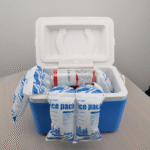
Cómo elegir un 25 Fabricante de hieleras de un litro
Una decisión confiable comienza con un caso de uso controlado, no es una capacidad de catálogo. Una búsqueda de un 25 litro fabricante de hieleras Generalmente combina varias preguntas.: ¿Cabrá la carga completa?, ¿Puede la configuración protegerlo en la ruta?, ¿Puede la producción reproducir la construcción probada?, y ¿puede el personal utilizar el sistema de manera consistente?? La categoría nominal de 25 litros debe separarse del volumen bruto de la cavidad y de la geometría utilizable disponible después de cargar los accesorios y el refrigerante..
Para revisión final de un cofre comercial compacto de 25 litros., el siguiente marco convierte esas preguntas en puertas de decisión. Mantiene evidencia técnica., términos de adquisición, y ejecución en campo conectada sin tratar la caja como la única fuente de control de temperatura.
Puerta uno: Congelar el producto y el resumen del carril
Nombra los contenidos, presentación, cantidad, origen y destino del envío, exposición estacional, cambios de custodia, aperturas planificadas, retrasos creíbles, y proceso de recepción. El informe operativo debe definir el contenido previsto., temperatura inicial, condición objetivo, tiempo de viaje, frecuencia de apertura, necesidades de higiene, peso de carga, y entorno de almacenamiento. Una declaración general de "se mantiene frío" no puede reemplazar los puntos de aceptación mensurables.
Lanzamiento de una cómoda comercial compacta de 25 litros, convertir el informe en criterios de aceptación que puedan ser inspeccionados o probados. Los ejemplos incluyen geometría interna., peso empaquetado, cierre, área de etiqueta, compatibilidad de limpieza, evidencia de temperatura, documentación, y aviso de cambio. Asignar un propietario a cada criterio. La adquisición puede poseer términos comerciales., pero el personal técnico o de calidad debe poseer los requisitos que afectan la protección del producto..
Para revisión final de un cofre comercial compacto de 25 litros., si el carril es nuevo, marcar los supuestos abiertamente. Un tiempo de viaje máximo declarado es diferente de un perfil de distribución observado. La planificación para la incertidumbre es útil; ocultarlo dentro de un “margen de seguridad” inexplicable dificulta la revisión futura.
Puerta dos: Convierta la etiqueta de capacidad en un paquete
Lanzamiento de una cómoda comercial compacta de 25 litros, Comience con un dibujo dimensional de la carga útil real.. Agregue cada unidad de refrigerante, divisor, barrera, monitor, espaciador, y componente protector. Mostrar puntos estrechos, cono de pared, esquinas redondeadas, manejar intrusiones, y hueco de la tapa. Calcule la cavidad bruta y la carga útil neta por separado, luego pese la carga ensamblada.
Antes de la ampliación controlada de una cómoda comercial compacta de 25 litros, un arreglo eficiente no es simplemente el que tiene el menor espacio vacío. Los operadores necesitan espacio para cargar los componentes en el orden correcto y recuperar el contenido sin dañar las cajas.. El registrador necesita una posición definida, y el refrigerante no debe moverse durante el manejo. Revisar si el contenedor embalado sigue siendo práctico para una o dos personas según las normas de seguridad del comprador..
Antes de la ampliación controlada de una cómoda comercial compacta de 25 litros, crear un código de configuración para el paquete. Si el recuento de carga útil, refrigerante, o cambios de estación, Dar a la alternativa una identidad separada hasta que la evidencia respalde su combinación con una configuración existente..
Un registro de decisión único
| Puerta de revisión | Pruebas depositadas en el expediente. | Dueño de la decisión |
|---|---|---|
| Producto y carril | Límites aprobados, carga útil, mapa de ruta, retrasar los supuestos | Calidad y logística |
| Capacidad y manejo | dibujo interno, cargar mapa, peso empaquetado, ejecución en seco | Embalaje y operaciones |
| Actuación | Protocolo, datos termicos, controles físicos, desviaciones | Técnico o de calidad |
| Producción | Especificación publicada, plan de inspección, estado de revisión | Calidad y adquisiciones de proveedores. |
| Despliegue | Embalar, monitor, recibir, limpio, e instrucciones de excepción | Operaciones y calidad |
| Ciencias económicas | Costo de destino, mano de obra, devolver, pérdida, reparar, y supuestos de jubilación | Propietario de adquisiciones y programas |
Para revisión final de un cofre comercial compacto de 25 litros., Un registro no significa que una persona tome todas las decisiones.. Proporciona un índice común para que una cotización, muestra, prueba, especificación, y las instrucciones de trabajo no pueden derivar en versiones separadas.
Haga que la lista corta de proveedores sea comparable
En revisión multifuncional de un cofre comercial compacto de 25 litros, emitir el mismo paquete de requisitos a cada candidato y pedir a cada uno que identifique suposiciones y exclusiones. Comparar geometría interna, materiales propuestos, concepto de embalaje, alcance de la prueba, controles de producción, base de tiempo de entrega, cantidad mínima de pedido, estampación, piezas de repuesto, documentación, y aviso de cambio en campos alineados. Si una cotización incluye soporte de calificación y otra cubre solo hardware moldeado, normalizar el alcance antes de comparar precios.
Antes de la ampliación controlada de una cómoda comercial compacta de 25 litros, utilizar preguntas que produzcan evidencia. En lugar de preguntar si una caja es duradera, Solicite la definición de construcción y el método de prueba correspondientes.. En lugar de preguntar si la fábrica tiene buena calidad, pregunte qué dimensiones críticas, aislamiento oculto, ajuste de cierre, y las unidades no conformes son controladas. Una respuesta condicional con límites claros es más útil que una promesa amplia.
Antes de la ampliación controlada de una cómoda comercial compacta de 25 litros, calificar los elementos no resueltos por separado de las debilidades confirmadas. Es posible que se pueda obtener un informe faltante, mientras que una geometría que no se ajusta al paquete es un problema de diseño. Esta distinción evita que la incertidumbre temprana sea tratada como prueba y evita que los precios atractivos oculten el trabajo que todavía pertenece al comprador..
Puerta tres: Prototipo de la secuencia operativa
Antes de la ampliación controlada de una cómoda comercial compacta de 25 litros, Utilice componentes representativos y haga que los operadores previstos realicen el embalaje.. Tiempo de preparación del refrigerante, cargando, activación del registrador, cierre, etiquetado, transferir, apertura, y descargar. Observar la ambigüedad: Un componente que se puede instalar de dos maneras eventualmente se instalará de ambas maneras a menos que el diseño o las instrucciones lo impidan..
Especifique si el contenido comienza a enfriarse., cómo se prepara el refrigerante, donde se encuentran los divisores, y con qué frecuencia los usuarios acceden a la carga. El monitoreo puede ser apropiado para rutas alimentarias o contractuales de mayor riesgo., pero el método debe coincidir con la decisión en el momento de la entrega.
Para revisión final de un cofre comercial compacto de 25 litros., fotografiar la secuencia aprobada y definir las sustituciones permitidas. Una carga útil más pequeña, cartón alternativo, o un tamaño diferente de refrigerante puede alterar la masa térmica y la distribución de temperatura.. No confíe en "equivalente" a menos que la equivalencia tenga una base técnica documentada.
Puerta cuatro: Construya evidencia en capas
Para revisión final de un cofre comercial compacto de 25 litros., Las pruebas de desarrollo ayudan a seleccionar la geometría y el refrigerante.. La calificación formal desafía la configuración final frente a un protocolo preaprobado. Las pruebas físicas examinan los choques., vibración, compresión, cierre, e integridad del paquete. La verificación de campo verifica los supuestos durante el movimiento real.. El monitoreo continuo ayuda a detectar variaciones después del lanzamiento.
Utilice pruebas comparativas controladas al decidir entre diseños.. Retener carga útil, refrigerante, condiciones iniciales, exposición ambiental, ubicaciones de sensores, y patrón de apertura constante. El resultado puede guiar la selección, pero no debe ampliarse hasta convertirse en una promesa para cada condición de campo..
Lanzamiento de una cómoda comercial compacta de 25 litros, leer informes más allá de la duración del título. Confirmar revisión de caja, carga útil, refrigerante y acondicionamiento, temperaturas iniciales, perfil ambiental, mapa de sensores, estado del equipo, recuento de muestras, desviaciones, datos sin procesar, y pasar criterios. Los resultados se aplican a las condiciones indicadas.. Si el informe no puede reproducirse a partir de su descripción, es un débil apoyo a una instrucción de trabajo controlada.
Puerta cinco: Haga que la producción coincida con la evidencia
Lanzamiento de una cómoda comercial compacta de 25 litros, publicar una especificación que identifique el shell, aislamiento, hardware, empaquetadora, dimensiones críticas, peso ensamblado, finalizar, etiquetas, y embalaje. Vincúlelo a la lista de materiales probada y a la revisión del modelo.. Acordar cómo los materiales entrantes, moldeado o montaje, características de aislamiento ocultas, ajuste de cierre, y el funcionamiento final son inspeccionados.
Herramientas útiles para tomar decisiones
Comprueba los detalles antes de elegir el embalaje.
Estas herramientas rápidas pueden ayudarle a comparar el riesgo de la ruta, necesidades de dimensionamiento, opciones de refrigerante, y detalles del embalaje antes de solicitar una cotización.
Selector de embalaje
Compare las opciones de embalaje aislado por producto, ruta, y necesidad de temperatura.
encontrar embalajeCalculadora de bolsa de hielo
Estimación de la cantidad de bolsas de hielo en gel para envíos refrigerados y planificación práctica de rutas.
Estimar las bolsas de hieloGenerador de listas de verificación de cumplimiento
Cree una lista de verificación práctica para la revisión del embalaje, envío, y documentación.
Crear lista de verificaciónLanzamiento de una cómoda comercial compacta de 25 litros, aprobar la producción piloto en lugar de asumir que la muestra de ingeniería representa una producción estable. Verifique las unidades de las cavidades de herramientas relevantes, observar el montaje, y comparar mediciones críticas. Definir cómo se segrega el producto no conforme y cómo se comunica la acción correctiva..
Lanzamiento de una cómoda comercial compacta de 25 litros, El control de cambios protege esta cadena.. Una nueva fuente de resina, formulación de espuma, pestillo, empaquetadora, moho, o subcontratista puede ser legítimo, pero requiere notificación y revisión de riesgos.. Lo mismo se aplica cuando el comprador cambia de carga útil., refrigerante, posición del registrador, ruta, o instrucción laboral.
Puerta seis: Liberar el destino, No solo la caja
Prepare el receptor con la identificación del envío., espacio de almacenamiento o descarga, un método de lectura de monitor cuando se utilice, y un contacto de escalada designado. Definir controles de daños, sellos, cierre, demora, y registros. Al recibir, comprobar la limpieza, cierre, daño visible, refrigerante restante, y cualquier temperatura de contenido requerida. Definir rechazo, segregación, uso rápido, o devolver acciones antes de que el personal encuentre una excepción.
Lanzamiento de una cómoda comercial compacta de 25 litros, el destino también comienza el siguiente ciclo. inspeccionar el caparazón, tapa, empaquetadora, hardware, límites de aislamiento, olor, etiquetas, y entrada de agua. Asignar un estado como en espera de inspección, limpio, liberado, en cuarentena, o jubilado. Mantenga los contenedores dañados o sucios alejados del stock liberado.
En revisión multifuncional de un cofre comercial compacto de 25 litros, La retroalimentación de la ruta debe distinguir el diseño., embalaje, manejo, demora, y recibir causas. Los problemas repetidos en un centro pueden necesitar una solución de programación o preparación en lugar de más aislamiento..
Excepciones de impugnación antes de la aprobación
Para revisión final de un cofre comercial compacto de 25 litros., El éxito de la rutina no muestra cómo se comporta el sistema cuando las operaciones se desvían.. Durante la revisión del diseño, pasar por una recogida tardía, conexión perdida, exposición al invierno, apertura de la tapa, caja parcialmente cargada, pestillo dañado, falla del registrador, receptor ausente, o almacenamiento controlado no disponible. Seleccionar escenarios que sean creíbles para la ruta en lugar de inventar eventos dramáticos que el programa nunca enfrentará..
Para revisión final de un cofre comercial compacto de 25 litros., para cada excepción, definir detección, contención inmediata, comunicación, autoridad, documentación, y recuperación. Algunos riesgos se reducen mejor mediante el margen de embalaje; otros necesitan instrucciones del transportista, almacenamiento de respaldo, control de citas, monitores de repuesto, o un proceso de cuarentena. Este ejercicio evita que la caja térmica se convierta en la respuesta predeterminada a problemas operativos que no puede controlar..
Lanzamiento de una cómoda comercial compacta de 25 litros, Las excepciones también revelan qué información debe viajar con el envío.. Un destino puede necesitar una identidad de producto, tiempo de empacar, instrucciones del monitor, un contacto de escalada, condiciones de almacenamiento, y una decisión sobre si se puede abrir la tapa. Mantenga breves las instrucciones visibles, con procedimientos detallados mantenidos en el sistema controlado.
Puerta siete: Comparar el valor del ciclo de vida
Antes de la ampliación controlada de una cómoda comercial compacta de 25 litros, combinar el precio unitario con el flete entrante, carga de salida, preparación de refrigerante, mano de obra de embalaje, escucha, limpieza, almacenamiento, devolver, reparar, pérdida, documentación, y jubilación. Utilice suposiciones específicas de ruta y muestre varias tasas de recuperación para un programa reutilizable. No convertir un escenario optimista en una reivindicación de ahorro universal.
Para revisión final de un cofre comercial compacto de 25 litros., un circuito cerrado puede justificar una caja resistente y reparable, mientras que una red abierta puede priorizar la disponibilidad, cubo de caja vacía, y opciones locales al final de su vida útil. El análisis de la sostenibilidad sigue la misma lógica. Viajes completados, distancia de recuperación, proceso de lavado, daño, y la ruta de eliminación son medibles; La palabra “reutilizable” por sí sola no es un resultado ambiental..
Mantenga el control después del lanzamiento
Para revisión final de un cofre comercial compacto de 25 litros., establecer un ritmo de revisión de los datos de envío, tiempo de ruta, daño, errores de embalaje, retrasos en la recepción, regresa, rechazos de limpieza, y desviaciones de proveedores. Información de tendencias por configuración y carril para que un problema en una temporada o centro no produzca un cambio global innecesario. Definir umbrales que desencadenan la investigación, reentrenamiento, acción del proveedor, revisión del protocolo, o recalificación.
Antes de la ampliación controlada de una cómoda comercial compacta de 25 litros, la trazabilidad debe ser proporcional al riesgo y utilizable en la práctica. Revisión del modelo, lote o fecha de producción, identidad del refrigerante, identificador del registrador, envasador, referencia de envío, y el receptor pueden ser todos relevantes. Elija los campos necesarios para reconstruir un evento y facilite su captura. Un registro complicado con frecuentes espacios en blanco es más débil que un registro enfocado que los equipos completan de manera confiable.
Para revisión final de un cofre comercial compacto de 25 litros., programar una revisión multifuncional posterior al lanzamiento. Confirma que la casilla seleccionada está disponible, el paquete es repetible, los registros son recuperables, se manejan excepciones, y los supuestos sobre el ciclo de vida siguen siendo creíbles. Un diseño publicado es un punto de partida controlado., no es el fin de la mayordomía.
Ejemplo práctico: cerrando las puertas
Preguntas frecuentes
¿Qué información se debe enviar primero al fabricante??
Proporcionar dimensiones y peso reales del contenido., temperatura inicial, tiempo de viaje, frecuencia de apertura, entorno de ruta, metodo de limpieza, accesorios, personalización, cantidad de pedido, y embalaje objetivo. Explique si la caja se vende a los consumidores., utilizado por el personal, o devuelto en un circuito cerrado. Estos detalles dirigen las preguntas de diseño y prueba hacia el programa real..
¿Por qué se debe separar el volumen bruto y utilizable??
La cavidad vacía puede soportar una etiqueta de 25 litros nominales., pero paquetes fríos, paredes redondeadas, intrusión en la tapa, divisores, y los contenidos irregulares reducen el espacio de trabajo. Solicite dimensiones internas y cree un plano de carga.. Carga útil neta, peso empaquetado, y el acceso son más útiles para las operaciones que una etiqueta de litro por sí sola.
¿Debería preferirse siempre la caja más ligera??
No. Un peso más bajo puede reducir el transporte y mejorar el manejo, pero la construcción aún tiene que cumplir con la durabilidad, aislamiento, cierre, y necesidades de vida útil. Compara productos completos en las mismas condiciones.. Un diseño más pesado tampoco es automáticamente más fuerte o más frío; geometría, materiales, tratamiento, y el hardware determinan el resultado final.
¿Cómo se deben gestionar los cambios de producción??
Acordar qué cambios requieren notificación previa, incluyendo formulación de resina, aislamiento, hardware, cavidad del molde, sistema de color, subcontratista, y embalaje. Revisar cada cambio según el riesgo. Algunos necesitan documentos y muestras.; otros justifican la repetición de pruebas térmicas o físicas. Mantenga la especificación aprobada y la muestra maestra sincronizadas con la revisión actual..
Conclusión
Antes de la ampliación controlada de una cómoda comercial compacta de 25 litros, seleccionar el sistema en un orden controlado: definir el producto y el carril, demostrar ajuste utilizable, prototipo del proceso, construir evidencia apropiada, controlar la producción, preparar recibiendo, y comparar el valor del ciclo de vida. Mantener la categoría nominal, volumen bruto, y carga útil utilizable distinta. Lo más importante, Vincular cada declaración de rendimiento con la configuración y condiciones exactas que la respaldan..
Acerca de Tempk
Lanzamiento de una cómoda comercial compacta de 25 litros, Tempk, asociado con Shanghai Tempk, suministros refrigeradores médicos, Cajas EPP, Boxes aislados VIP, plástico cajas de cadena de frio, y opciones de refrigerante a juego. Una revisión puede comenzar con la geometría de la carga útil., condiciones requeridas, ruta, empacar, manejo, y plan de pedido. Los compradores siguen siendo responsables de evaluar y calificar la configuración final para su producto específico., procedimientos operativos, y entorno de distribución.
Siguiente paso: Envía a Tempk tu dibujo de carga, límites de operación, supuestos de carril, y cantidad esperada para comparar configuraciones prácticas de caja y refrigerante. Solicite esta solicitud de revisión final de arcón comercial compacto de 25 litros.