Elegir el gel refrigerante biotecnológico adecuado para la cadena de frío
Si estás evaluando gel refrigerante para biotecnología envío de cadena de frío, El punto de partida correcto es definir el problema de envío antes de definir el paquete.. En la mayoría de las situaciones de compra, El objetivo es seleccionar refrigerante al por mayor que admita materiales biotecnológicos sensibles a la temperatura sin simplificar demasiado la diferencia entre un componente refrigerante y un sistema de envío calificado.. Un buen formato de refrigerante debería ofrecer esa protección sin peso innecesario., desastre evitable, o complejidad operativa oculta.
Los materiales biotecnológicos son diversos.. Algunos reactivos se mueven fríos.. Algunos productos biológicos son sensibles a la congelación.. Algunos materiales requieren soporte congelado.. Es por eso que los compradores de biotecnología deben tratar el gel refrigerante como un componente del sistema que debe adaptarse al producto y al carril., no como compra genérica de compresas frías. Las decisiones de compra más confiables provienen de tratar el paquete de gel como parte de un sistema completo y luego verificar si el proveedor puede mantener esa parte consistente a escala..
Eso significa mirar el objetivo de temperatura., geometría del paquete, método de acondicionamiento, colocación del paquete, exposición de ruta, y control de cambios de proveedores juntos. Una vez que esas piezas estén claras, resulta mucho más fácil decidir si una bolsa de gel estándar, un ladrillo rígido, o un formato basado en PCM es la mejor opción.
Comience con la definición correcta
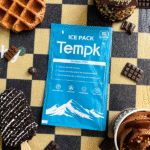
Un gel refrigerante para la cadena de frío biotecnológica es un componente refrigerante diseñado para frenar el aumento de temperatura o soportar una ventana de envío definida dentro de un paquete más grande.. En la práctica, puede ser una bolsa de gel estándar, un inserto delgado, un ladrillo rígido, o un formato de cambio de fase elegido para una temperatura objetivo más específica.
No es lo mismo que un transportista aislado totalmente calificado.. el paquete ayuda, pero el resultado final aún depende del aislamiento., carga de producto, exposición ambiental, acondicionamiento, y colocación del paquete. Las buenas decisiones de compra mantienen la visión del sistema enfocada desde el principio.
Comportamiento térmico y límites de cumplimiento
Antes de aprobar cualquier proveedor, asegúrese de que la estrategia de refrigerante realmente coincida con la ventana de envío objetivo. Para esta categoría, eso generalmente significa admitir aplicaciones específicas, desde soporte refrigerado hasta temperatura ambiente controlada o asistencia congelada, según el producto biotecnológico, con un paquete que los operadores pueden acondicionar y cargar de forma repetitiva de la misma manera en cada turno..
También es importante separar la capacidad térmica de las conclusiones regulatorias o de calidad.. Una mochila bien hecha aún puede ser incorrecta para la ruta., y un paquete técnicamente adecuado aún puede requerir una calificación adicional del paquete., escucha, o documentación antes de que se utilice en un programa sensible.
La idoneidad de la cadena de frío biotecnológica depende del sistema de embalaje completamente aislado o calificado, perfil de ruta, y requerimiento del producto.
Si los envíos incluyen sustancias biológicas o materiales clínicos., Las reglas de embalaje pueden requerir primaria., secundario, y embalaje exterior rígido más allá del propio refrigerante.
Formatos, materiales, y estrategia de temperatura
Los formatos y materiales deben evaluarse juntos porque un paquete de buen tamaño con la película equivocada aún puede fallar., mientras que una mochila duradera con una geometría incorrecta puede desperdiciar espacio y masa fría.
El refrigerante biotecnológico puede variar desde el estándar a base de agua hasta paquetes de gel a PCM diseñado elegido para ventanas de temperatura específicas, como soporte de temperatura ambiente controlada o refrigerada.
Se pueden preferir películas laminadas y formatos rígidos cuando se requiera resistencia a la perforación., repetibilidad dimensional, o reutilizar son importantes.
Cuanto más sensible sea el producto, Cuanto más importante se vuelve hacer coincidir el comportamiento del refrigerante con el patrón de carga..
En la mayoría de los proyectos de abastecimiento, la mejor muestra es la que equilibra el trabajo térmico, facilidad de línea de embalaje, y resistencia al daño al mismo tiempo. Un paquete que destaca sólo en una de esas áreas a menudo se vuelve caro más adelante..
Aplicaciones y contextos operativos más adecuados
La mejor adaptación a la aplicación proviene de hacer coincidir el refrigerante con el patrón de envío., no por asumir que una prueba exitosa puede cubrir todos los carriles. Estos son los casos de uso más comunes que los compradores evalúan primero.
Muchas empresas acaban descubriendo que las estrategias de doble SKU o de temporada superan a un enfoque único para todos., especialmente cuando las condiciones de la ruta son variables.
Envío refrigerado de reactivos biotecnológicos, enzimas, y materiales de ensayo. La elección correcta del refrigerante depende en gran medida de la sensibilidad del producto y de si el envío está frío., temperatura ambiente controlada, o congelado.
Masa fría de apoyo en el interior. cargadores calificados para productos biológicos. La elección correcta del refrigerante depende en gran medida de la sensibilidad del producto y de si el envío está frío., temperatura ambiente controlada, o congelado.
Distribución de kits de investigación y materiales de laboratorio sensibles a la temperatura.. La elección correcta del refrigerante depende en gran medida de la sensibilidad del producto y de si el envío está frío., temperatura ambiente controlada, o congelado.
Adquisición al por mayor de centros de embalaje, cdmos, y redes de suministro de laboratorio. La elección correcta del refrigerante depende en gran medida de la sensibilidad del producto y de si el envío está frío., temperatura ambiente controlada, o congelado.
Escenarios prácticos y decisiones de ruta.
Las decisiones de compra reales mejoran cuando el paquete se juzga en contexto. Los siguientes escenarios capturan las preguntas que los compradores normalmente necesitan resolver..
Un kit de reactivos que debe permanecer frío puede funcionar bien con un refrigerante PCM dentro de un remitente de paquetes validado., mientras que un biológico congelado puede necesitar un sistema muy diferente basado en hielo seco u otro soporte congelado.
Los equipos de biotecnología a menudo califican paquetes separados para diferentes SKU incluso cuando utilizan un remitente externo común..
Los programas mayoristas se benefician de una hoja de especificaciones documentada porque la compra, embalaje, y los equipos de calidad necesitan todos la misma base.
Una práctica lista de verificación de proveedores para pedidos al por mayor
Si la compra es para el fabricante, proveedor, o uso al por mayor, la lista corta más útil proviene de hacer preguntas operativas con anticipación. Eso ahorra tiempo, reduce la rotación de muestras, y evita sorpresas tardías.
Como mínimo, La revisión de su proveedor debe cubrir las dimensiones internas y externas., masa fría utilizable, materiales de construcción, método de acondicionamiento, apilabilidad o eficiencia de almacenamiento, higiene o facilidad de limpieza cuando sea relevante, soporte de etiquetado y trazabilidad, y la coherencia del resultado de la muestra a la producción. Si el proveedor no puede responder esos puntos claramente, el riesgo de una costosa prueba y error aumenta rápidamente.
Pregunte qué puntos de fase u opciones de PCM están disponibles y cómo se debe utilizar cada uno.. Es un filtro práctico para separar a los proveedores capaces de las ofertas similares..
Herramientas útiles para tomar decisiones
Comprueba los detalles antes de elegir el embalaje.
Estas herramientas rápidas pueden ayudarle a comparar el riesgo de la ruta, necesidades de dimensionamiento, opciones de refrigerante, y detalles del embalaje antes de solicitar una cotización.
Revestimiento de caja & Dimensionamiento de la cubierta de paleta
Lógica de tamaño de revestimiento de cajas y cubiertas de paletas para proyectos de embalaje aislado.
Estimar el tamañoCalculadora de hielo seco
Calcule las necesidades de hielo seco para envíos congelados o ultrafríos antes de empacar.
Estimar hielo secoReferencia del material aislante
Compare opciones de materiales aislantes para diferentes necesidades de embalaje de la cadena de frío.
Comparar materialesRevisar la tolerancia del peso de llenado, estabilidad dimensional, y trazabilidad de lotes porque los paquetes de biotecnología a menudo están estrictamente controlados. Es un filtro práctico para separar a los proveedores capaces de las ofertas similares..
Confirmar si el proveedor apoya el control de cambios., documentación, y revisión técnica cuando cambian las especificaciones del material. Es un filtro práctico para separar a los proveedores capaces de las ofertas similares..
Verifique la dureza de la película y la compatibilidad con la contención secundaria si el paquete se mueve cerca de un empaque primario sensible. Es un filtro práctico para separar a los proveedores capaces de las ofertas similares..
Solicite una evaluación de muestra en el transportista calificado real o en el prototipo de ingeniería. Es un filtro práctico para separar a los proveedores capaces de las ofertas similares..
Pregunte sobre MOQ y planificación de continuidad si varios estudios o programas comerciales pueden compartir la misma familia de refrigerantes.. Es un filtro práctico para separar a los proveedores capaces de las ofertas similares..
Errores que generan costos, daño, y excursiones
La forma más fácil de gastar dinero en embalaje de cadena de frío es corregir el problema equivocado. Muchos envíos están sobreembalados, subprobado, o emparejado con la familia de refrigerantes incorrecta. Estos son los errores que más importan.
En la práctica, Los mejores resultados generalmente provienen de especificaciones más estrictas e instrucciones de funcionamiento más simples., no por agregar sin cesar más masa fría.
Un estándar 0 El paquete de gel C no es apropiado para todos los productos biotecnológicos y puede ser riesgoso para materiales sensibles a la congelación.. Un buen diseño del envase y una comunicación clara con el proveedor deberían reducir este riesgo antes del lanzamiento., no después de que aparezcan las quejas.
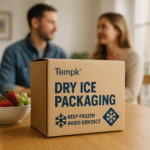
Algunos envíos de biotecnología requieren hielo seco u otras soluciones congeladas en lugar de refrigeración a base de gel únicamente.. Un buen diseño del envase y una comunicación clara con el proveedor deberían reducir este riesgo antes del lanzamiento., no después de que aparezcan las quejas.
Calificación, registro de datos, y el diseño del empaque siguen siendo críticos incluso cuando el refrigerante está bien especificado. Un buen diseño del envase y una comunicación clara con el proveedor deberían reducir este riesgo antes del lanzamiento., no después de que aparezcan las quejas.
Eficiencia, sostenibilidad, y costo total de operación
El debate sobre la sostenibilidad en torno al gel refrigerante para la cadena de frío biotecnológica se está volviendo más práctico. Los compradores preguntan no sólo de qué está hecho el paquete, pero también si el formato reduce el tamaño de la caja., evita el reenvío, se adapta a bucles de retorno, y corta masa fría innecesaria.
Los compradores de biotecnología pueden valorar las películas reciclables o las estrategias de reutilización, pero la confiabilidad y el control de cambios generalmente superan los mensajes generales de sostenibilidad..
La reducción de los envíos fallidos y el sobredimensionamiento innecesario es a menudo el logro de sostenibilidad más significativo en la logística biotecnológica..
El abastecimiento mayorista de biotecnología está cada vez más basado en especificaciones, con más atención a la selección de PCM, documentación, y soporte de calificación para rutas específicas.
Preguntas frecuentes
Estas breves respuestas cubren las preguntas que con mayor frecuencia retrasan la decisión de abastecimiento..
¿Puede un gel refrigerante biotecnológico funcionar para todos los productos??
Por lo general no. Los productos biotecnológicos varían ampliamente en cuanto a sensibilidad a la temperatura y riesgo de envío..
¿Por qué son importantes las opciones PCM en el envío de productos biotecnológicos??
PCM puede proporcionar un objetivo de temperatura más estricto que un paquete congelado estándar, que es útil para materiales sensibles a la congelación.
¿Las compras al por mayor reducen la supervisión de la calidad??
No debería. Los programas mayoristas aún necesitan trazabilidad, control de cambios, y evaluación de ajuste de ruta.
Conclusiones finales
La forma más eficaz de obtener gel refrigerante para el envío de la cadena de frío biotecnológica es definir primero el envío., luego el refrigerante. Una vez que conozca el objetivo de temperatura real, exposición de ruta, geometría de embalaje, y método de manipulación, La comparación de proveedores se vuelve mucho más precisa..
Para la cadena de frío biotecnológica, Los buenos resultados generalmente provienen de paquetes que son fáciles de acondicionar., consistente en tamaño y relleno, lo suficientemente resistente para la ruta, y honestos sobre lo que pueden y no pueden hacer. Esa combinación suele ser más valiosa que el reclamo en frío más agresivo del mercado..
Por qué las pruebas de muestra deberían reflejar las operaciones reales
La revisión de muestras siempre debe ir más allá de una simple prueba de congelar y sentir. Para la cadena de frío biotecnológica, El enfoque más útil es probar el paquete en el transportista real con producto real o sustitutos de carga útil realistas., utilizando la misma ventana de acondicionamiento y patrón de carga planificados para operaciones en vivo.
Este tipo de prueba muestra rápidamente si el formato es demasiado voluminoso., demasiado frágil, demasiado frio al principio, o demasiado inconsistente en la línea. También revela detalles prácticos como si el paquete interfiere con el cierre., turnos en tránsito, o crea condensación evitable en el momento de la entrega.
Cuando los proveedores apoyan bien este proceso, Por lo general, proporcionan instrucciones de acondicionamiento más claras., dimensiones más estables, y una mejor alineación entre el material de muestra y el material de producción. Esos detalles reducen las costosas sorpresas posteriores..
El ajuste operativo es tan importante como el ajuste térmico
La simplicidad operativa es fácil de subestimar al revisar paquetes fríos en una mesa de conferencias, pero se vuelve crítico una vez que el programa escala. Un paquete que requiere pasos especiales de templado, espacio de puesta en escena incómodo, o el criterio constante del operador puede ofrecer buenos resultados de laboratorio y aun así fracasar comercialmente.
Los mejores paquetes suelen ser fáciles de almacenar., simple de identificar, y sencillo de cargar en la posición correcta. También toleran variaciones razonables en el ritmo de los turnos y las condiciones del almacén.. En programas de alto volumen, Ese tipo de repetibilidad a menudo crea más valor que perseguir ganancias marginales en la vida fría..
Por esta razón, Los compradores deben preguntar no sólo si el paquete funciona, pero si funciona limpiamente dentro de su modelo laboral, capacidad del congelador, y huella del embalaje. Esa pregunta a menudo remodela la lista corta.
Acerca de Tempk
Y Tempk, nos centramos en embalaje con temperatura controlada y materiales de envío de cadena de frío. Fundada en 2011, Ofrecemos productos como bolsas de hielo., ladrillos de hielo, paquetes de hielo seco, materiales PCM, bolsas aisladas, revestimientos de cajas, cajas más frescas, y cubiertas de palets para logística alimentaria y farmacéutica. Trabajamos con clientes que necesitan embalaje adaptado al rango de temperatura real., duración del tránsito, y condiciones de manipulación del envío, con personalización disponible cuando los formatos estándar no son los más adecuados.
Siguiente paso
Si está comparando opciones de gel refrigerante para cadena de frío biotecnológica, pregúntanos sobre tu temperatura objetivo, duración del tránsito, formato de paquete, y necesidades de suministro a granel. Podemos ayudarle a definir un enfoque práctico de embalaje antes de comprometerse con un pedido grande..