Embalaje de cadena fría para muestras de laboratorio y productos biológicos deben realizar dos trabajos al mismo tiempo: proteger el requisito de temperatura y proteger a las personas de fugas o exposición durante el transporte. Una caja fría que aguante entre 2 y 8°C no es suficiente si la muestra no está contenida adecuadamente. Un paquete triple compatible no es suficiente si la muestra se calienta, se congela, fugas, o carece de la documentación adecuada. Para transportistas B2B, El diseño del embalaje debe conectar la clasificación de la muestra., objetivo de temperatura, modo de transporte, contención, refrigerante, aislamiento, etiquetado, y flujo de trabajo del receptor.
Esta guía está destinada a ingenieros de embalaje., equipos de operaciones de laboratorio, proveedores de investigación clínica, proveedores de kits de diagnóstico, distribuidores de biologicos, y equipos de adquisiciones de la cadena de frío. No es asesoramiento legal ni formación sobre mercancías peligrosas.. Siga siempre las normas aplicables, requisitos del transportista, y procedimientos capacitados para mercancías peligrosas para su envío específico.
Comience con clasificación y rango de temperatura
Las muestras de laboratorio y los productos biológicos pueden incluir especímenes humanos exentos., Sustancias biológicas de categoría B, muestras clínicas, muestras de diagnóstico, materiales de investigación, enzimas, reactivos, materiales de apoyo a la terapia celular, vacunas, y otros productos sanitarios sensibles a la temperatura. La especificación del embalaje debe comenzar con dos preguntas.: ¿Cuál es la clasificación del transporte?, y que rango de temperatura se debe mantener?
Para sustancias infecciosas de categoría B en los EE. UU., 49 CFR 173.199 requiere triple embalaje: un receptáculo primario, embalaje secundario, y un embalaje exterior rígido. Instrucción de embalaje de IATA 650 También describe los requisitos para sustancias biológicas., Envíos categoría B por vía aérea, incluyendo la marca UN3373 y el nombre de envío adecuado. Las orientaciones de la OMS sobre el transporte de sustancias infecciosas hacen hincapié en la formación, clasificación, embalaje, calificación, etiquetado, documentación, y entrega segura.
Mesa 1. Primeras decisiones para el envasado de muestras de laboratorio y productos biológicos en la cadena de frío.
| Pregunta de diseño | Por que importa | Dirección de referencia |
|---|---|---|
| ¿Cuál es la clasificación de la muestra?? | La clasificación determina el embalaje., calificación, etiquetado, y reglas de documentación. | UN3373 Categoría B, espécimen exento, Categoría A, hielo seco, u otra clasificación aplicable. |
| ¿Cuál es el rango de temperatura?? | El refrigerante y el aislamiento deben satisfacer las necesidades de estabilidad del producto.. | Los rangos comunes incluyen ambiente, 2-8°C, congelado, o ultra bajo, pero los requisitos del producto controlan. |
| ¿La muestra es líquida?? | Los líquidos requieren control de fugas y material absorbente.. | El embalaje triple y el material absorbente son fundamentales para muchos sistemas de envío de muestras.. |
| ¿Se utiliza hielo seco?? | El hielo seco introduce marcas adicionales, ventilación, y requisitos reglamentarios. | PHMSA requiere que los paquetes de hielo seco permitan la liberación de gas y muestren marcas adecuadas, como Hielo seco/UN1845 y masa neta.. |
| ¿Qué modo de transporte se utiliza?? | Aire, camino, mensajero, y los envíos internacionales pueden tener diferentes requisitos. | Las regulaciones modales y del transportista deben verificarse antes del envío.. |
Embalaje triple: La contención viene antes que el aislamiento
Para envíos regulados de muestras biológicas, La contención no puede ser reemplazada por un enfriador de espuma o cargador aislado. Un sistema típico de embalaje triple incluye un receptáculo primario, embalaje secundario a prueba de fugas o tamices, material absorbente para líquidos, y un embalaje exterior rígido. La capa de cadena de frío se puede agregar alrededor de este sistema de contención., pero no debería comprometer el cierre, calificación, o integridad del paquete.
Mesa 2. Componentes de embalaje triple y notas de diseño térmico..
| Capa | Función típica | Nota de diseño de la cadena de frío |
|---|---|---|
| receptáculo primario | Sostiene la muestra directamente. | Debe estar sellado y protegido contra roturas.; No confíe en el aislamiento para evitar fugas.. |
| Material absorbente | Absorbe líquido si el receptáculo primario tiene fugas.. | Colóquelo correctamente para que la fuga no llegue al remitente exterior.. |
| embalaje secundario | Proporciona contención a prueba de fugas o tamices.. | Debe caber dentro del recipiente aislado sin aplastarse ni interferir con la tapa.. |
| Embalaje exterior rígido | Protege el paquete y lleva las marcas requeridas.. | Debe permanecer visible incluso cuando se coloca dentro de sobrepaquetes o contenedores térmicos.. |
| capa termica | Aislamiento, refrigerante, y componentes de control de temperatura. | Debe diseñarse en torno al sistema de contención compatible., no al revés. |
Opciones de embalaje con temperatura controlada
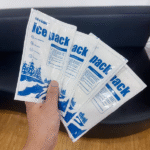
El embalaje correcto depende de si la muestra debe permanecer refrigerada, congelado, o protegido de temperaturas extremas. Un paquete refrigerado a 2-8°C a menudo utiliza paquetes de gel o paquetes PCM con separación de productos. Los envíos congelados pueden requerir hielo seco o paquetes congelados, dependiendo del producto y las reglas del transportista. Algunos productos biológicos pueden ser sensibles a la congelación., lo que significa que se debe evitar el contacto directo con el refrigerante congelado. Otros materiales pueden requerir almacenamiento congelado o a temperatura ultrabaja y necesitan un embalaje completamente diferente..
Mesa 3. Dirección de empaquetado de la cadena de frío según el requisito de temperatura.
| Necesidad de temperatura | Posible dirección de embalaje | Riesgo clave |
|---|---|---|
| Protección ambiental | Remitente, revestimiento térmico, o buffer de temperatura. | Sobrecalentamiento o shock de frío durante la exposición estacional. |
| 2-8°C refrigerado | Transportista aislado calificado con refrigerante acondicionado o PCM. | Daño por congelación por contacto directo con el refrigerante o mal acondicionamiento. |
| Congelado | Sistema de refrigeración con hielo seco o congelado cuando esté permitido y sea adecuado. | Ventilación con hielo seco, calificación, sublimación, y seguridad del producto. |
| Ultrabajo | Transportador activo/pasivo especializado o con hielo seco. | Duración, límites de hielo seco, manejo capacitado, y preparación del destino. |
| Mensajero local corto | Enfriador calificado, registrador de datos, y proceso de transferencia definido. | Frecuencia de apertura, retraso en la ruta, y documentación de temperatura. |
Colocación de refrigerante y protección contra congelamiento
Una falla común en la cadena de frío es colocar refrigerante congelado directamente contra una muestra o producto biológico sensible a la congelación.. Para materiales de 2-8°C, El paquete puede necesitar acondicionamiento de refrigerante., una cámara de producto, divisores, material amortiguador, o paquetes PCM con una temperatura de cambio de fase adecuada. El diseño debe definir dónde se ubica el registrador de datos., donde se encuentra la muestra, donde se asienta el refrigerante, y cómo se debe cargar el transportista después del preacondicionamiento.
Herramientas útiles para tomar decisiones
Comprueba los detalles antes de elegir el embalaje.
Estas herramientas rápidas pueden ayudarle a comparar el riesgo de la ruta, necesidades de dimensionamiento, opciones de refrigerante, y detalles del embalaje antes de solicitar una cotización.
Selector de embalaje
Compare las opciones de embalaje aislado por producto, ruta, y necesidad de temperatura.
encontrar embalajeGenerador de listas de verificación de cumplimiento
Cree una lista de verificación práctica para la revisión del embalaje, envío, y documentación.
Crear lista de verificaciónComprobador de riesgos de ruta
Revise las condiciones del carril antes de seleccionar el embalaje para requisitos operativos reales..
Comprobar riesgo de rutaLos recursos de almacenamiento y manipulación de vacunas de los CDC enfatizan los métodos adecuados de almacenamiento y transporte., uso de monitoreo de temperatura, y procedimientos diseñados para evitar condiciones de almacenamiento comprometidas.. Si bien las vacunas no son iguales que todos los productos biológicos o muestras de laboratorio, el principio es relevante: El embalaje de la cadena de frío debe ser repetible., documentado, y monitoreado cuando la calidad del producto depende de la temperatura.
Consideraciones sobre hielo seco y ONU 1845
El hielo seco es útil para envíos congelados y ultrabajos, pero está regulado porque se libera gas dióxido de carbono a medida que se sublima. La guía de PHMSA establece que paquetes de hielo seco debe permitir la liberación de gas para evitar la acumulación de presión., y los paquetes deben mostrar el nombre de envío/número de identificación adecuado, como hielo seco, UN1845, y la masa neta de hielo seco. UPS y FedEx también brindan instrucciones específicas para el transportista sobre hielo seco y productos perecederos.. Si se utiliza hielo seco con muestras biológicas, El remitente debe confirmar todos los requisitos aplicables sobre mercancías peligrosas..
Pruebas y documentación de embalaje
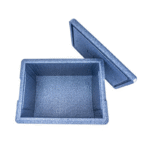
Un paquete de muestra de laboratorio debe probarse como un sistema completo.: recipiente, aislamiento, refrigerante, masa de muestra o carga útil sustituta, material absorbente, posición del registrador, caja de cartón, y perfil ambiental. Probar sólo un paquete de gel o sólo un caja de espuma no es suficiente. Si el envío es de alto valor, periódico, o regulado, preparar una instrucción de embalaje por escrito y capacitar al equipo de embalaje.
Mesa 4. Documentos recomendados para paquetes de cadena de frío de muestras de laboratorio.
| Documento | Objetivo |
|---|---|
| Instrucción de embalaje | Muestra cada capa, condición del refrigerante, colocación, y método de cierre. |
| Resumen de la prueba de temperatura | Registra el perfil ambiental, duración, carga útil, masa refrigerante, posición del registrador, y resultado. |
| Instrucción de cierre | Garantiza que el paquete esté cerrado de la forma en que fue probado o certificado.. |
| Lista de verificación de marcado y etiquetado | Evita la falta de UN3373, hielo seco, flechas de orientación, o datos del responsable. |
| Lista de verificación del receptor | Temperatura de llegada de documentos., condición del paquete, y decisión de aceptación. |
Lista de verificación de RFQ para muestras de laboratorio y envases de productos biológicos
- Tipo de muestra y clasificación de transporte..
- Rango de temperatura y límites máximos de excursión permitidos.
- Modo de transporte: mensajero, parcela, camino, aire, doméstico, o internacional.
- Volumen de muestra, número de contenedores primarios, y estado líquido/sólido.
- Sistema de contención requerido y si se aplican las marcas UN3373 u otras marcas.
- Tipo de aislamiento, tipo de refrigerante, diseño de la cámara del producto, y posición del registrador.
- Duración del envío, perfil ambiental, preparación del destino, y flujo de trabajo del receptor.
- Requisitos de documentación, requisitos de formación, y requisitos de aprobación del transportista.
Preguntas frecuentes
¿Es suficiente una caja de espuma aislada para muestras de laboratorio??
No. El cargador térmico debe combinarse con el sistema de contención correcto, calificación, etiquetado, y documentación para la clasificación de muestras..
¿Qué significa UN3373??
UN3373 se utiliza para sustancias biológicas, Envíos de categoría B. Los requisitos incluyen embalaje específico., calificación, y documentación según las normas aplicables, como IATA PI650 y 49 CFR 173.199.
¿Se pueden colocar los paquetes de gel directamente al lado de los productos biológicos??
Sólo si el producto lo permite y el embalaje está diseñado para ello.. Los productos sensibles a la congelación a menudo necesitan separación, refrigerante acondicionado, o paquetes de PCM.
¿Cuándo se necesita hielo seco??
Es posible que se necesite hielo seco para envíos congelados o ultrabajos., pero introduce marcas de hielo seco, ventilación, y requisitos de cumplimiento del operador.
¿Los envíos de muestras de laboratorio deben utilizar registradores de temperatura??
Para alto valor, regulado, o envíos recurrentes sensibles a la temperatura, Se recomienda encarecidamente el uso de registradores de datos para documentar el rendimiento del paquete y las condiciones de llegada..