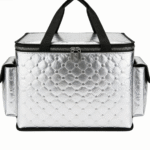
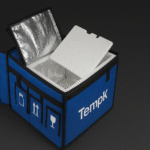
Costumbre bolsas de entrega aisladas son una práctica herramienta de cadena de frío para restaurantes, plataformas de comestibles, empresas de preparación de comidas, cocinas oscuras, compañero de catering, y operadores locales de entrega de alimentos. Pero un bolsa aislante no es una hielera mágica. Retarda la transferencia de calor; no crea frío por sí solo. La comida debe empezar a la temperatura correcta., el tiempo de ruta debe ser realista, y paquetes fríos Puede ser necesario cuando los productos refrigerados están expuestos a períodos de entrega largos o a condiciones ambientales cálidas..
Esta guía explica cómo los compradores B2B pueden elegir bolsas de entrega isotérmicas según el modelo de ruta., tipo de carga útil, objetivo de temperatura, estructura material, tamaño, cierre, proceso de limpieza, herrada, y compatibilidad de paquetes.
Defina primero el objetivo de seguridad alimentaria
Para comida refrigerada y entrega de comestibles, La cuestión de diseño más importante es la temperatura objetivo en el momento de la entrega.. La guía para el consumidor de la FDA utiliza 40°F / 4°C o menos para almacenamiento de alimentos refrigerados, mientras que el modelo del Código Alimentario de la FDA utiliza 41°F / 5°C o menos para mantener en frío los alimentos TCS en el servicio de alimentos. Algunas pautas locales de entrega de alimentos también utilizan 41 °F o menos para alimentos fríos y 135 °F o más para alimentos calientes.. Estas referencias ayudan a las marcas a crear un plan de temperatura práctico., pero cada empresa aún debe seguir sus reglas locales y requisitos específicos del producto..
Mesa 1. Referencias de temperatura para la planificación personalizada de bolsas de entrega con aislamiento.
| Solicitud | Referencia de temperatura | Implicación del embalaje |
|---|---|---|
| Alimentos refrigerados y preparación de comidas. | 40°F / 4°C o menos es una referencia común de seguridad de los alimentos refrigerados.. | Utilice productos preenfriados, bolsas aisladas, y paquetes de gel cuando el tiempo de ruta o la temperatura ambiente requieren enfriamiento adicional. |
| Mantenimiento en frío del servicio de alimentos | 41°F / 5Se utiliza °C o menos para mantener en frío el estilo del Código alimentario de la FDA.. | Punto de referencia adecuado para restaurantes., comisarios, y programas de entrega de alimentos preparados. |
| entrega de comida caliente | 135°F / 57°C o más es una referencia común para mantener el calor. | Utilice bolsas calientes separadas; No mezcle comidas calientes y artículos fríos en el mismo compartimento.. |
| Pedidos de comestibles mixtos | refrigerado por separado, congelado, ambiente, y artículos calientes. | Es posible que se necesiten bolsas con múltiples compartimentos o reglas de embalaje en ruta.. |
Elija el tipo de bolsa por modelo de ruta
Un mensajero en bicicleta que lleva dos pedidos de un restaurante necesita una bolsa diferente a la de un conductor de supermercado que lleva leche, producir, comida congelada, y bienes ambientales. Una marca de preparación de comidas con una ruta de retorno puede preferir una bolsa reutilizable duradera. Un mercado de restaurantes puede necesitar bolsas de bajo costo que muchos conductores puedan llevar. El modelo de ruta debe decidir el diseño del bolso antes de discutir la marca..
Mesa 2. Dirección de la bolsa de entrega por modelo de negocio.
| Modelo de ruta | Dirección de diseño de bolsa recomendada | Punto clave de diseño |
|---|---|---|
| Entrega en restaurante | Bolsas de entrega livianas con aislamiento para frío y calor y revestimientos fáciles de limpiar. | La carga rápida y la comodidad del conductor son importantes. |
| entrega de comestibles | Bolsas isotérmicas estilo tote más grandes, posiblemente codificado por colores por zona de temperatura. | refrigerado por separado, congelado, ambiente, y productos frágiles. |
| Suscripción de preparación de comidas | Bolsas térmicas reutilizables de marca o bolsas aislantes plegables. | Admite un comportamiento limpio de unboxing y retorno. |
| Abastecimiento | Bolsas grandes rígidas o semirrígidas con asas reforzadas y de fácil limpieza. | La carga útil pesada y el control de derrames son más importantes que la compacidad. |
| Mensajería de farmacia o asistencia sanitaria. | Bolsa/caja más controlada con packs de gel, divisores, y monitoreo de temperatura. | Evite el contacto directo de fuentes frías con productos sensibles a la congelación.. |
Estructura de materiales: Qué deben especificar los compradores
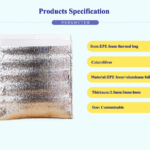
La mayoría de las bolsas de reparto aisladas combinan una capa exterior, capa aislante, revestimiento interior, sistema de cierre, manijas o correas, y a veces películas reflectantes o paneles rígidos.. La elección de materiales afecta la limpieza., durabilidad, resistencia al agua, resistencia térmica, calidad de marca, y costo. Las referencias de ingeniería definen la conductividad térmica como la capacidad de un material para conducir calor.; Una conductividad térmica más baja generalmente respalda un mejor aislamiento cuando la estructura está diseñada correctamente.. La espuma de polietileno se describe comúnmente como de celda cerrada., ligero, resistente a la humedad, y aislante, lo que explica su uso frecuente en bolsas térmicas y embalaje.
Mesa 3. Componentes clave en una especificación de bolsa de entrega aislada personalizada.
| Componente | Opciones comunes | Notas de selección |
|---|---|---|
| capa exterior | Poliéster, nylon, tela no tejida, tela laminada, Tejido recubierto de PVC. | Elija según la resistencia a la abrasión, herrada, resistencia al agua, y limpieza. |
| Capa de aislamiento | Hambriento, Espuma EPE, Espuma, aislamiento reflectante, aislamiento multicapa. | El espesor y la densidad afectan el rendimiento., pero las pruebas en ruta son más confiables que las afirmaciones materiales por sí solas. |
| Forro interior | HOY, laminado de papel de aluminio, TPU, Revestimiento sin PVC, revestimiento compatible con contacto con alimentos. | Priorice la superficie que se limpia con un paño, resistencia a fugas, y control de olores. |
| Cierre | Cremallera, gancho y bucle, solapa, hebilla, solapa magnética. | Un cierre deficiente puede generar fugas térmicas y frustración en el conductor.. |
| Estructura | Bolsa blanda, bolso semirrígido, cubo plegable, mochila, bolsa de pizza, bolso de compras. | Haga coincidir la forma con la carga útil y el manejo del vehículo. |
| Herrada | Impresión de pantalla, transferencia de calor, etiqueta tejida, bordado, logotipo reflectante, codificación de colores. | La marca no debe interferir con la limpieza., plegable, o rendimiento térmico. |
Tamaño de la bolsa: Comience con la carga útil, Dimensiones no catalogadas
Las bolsas de gran tamaño desperdician capacidad térmica porque el espacio de aire adicional se calienta o enfría más rápidamente que una carga empaquetada. Las bolsas de tamaño insuficiente aplastan los contenedores de comida, reducir la circulación de aire, sellos de daños, y obligar a los conductores a dejar la bolsa abierta. Una buena especificación de bolsa comienza con la carga útil.: cajas de comida, bolsas de supermercado, bandejas de mariscos, botellas de bebidas, contenedores de lácteos, paquetes congelados, y limitaciones de manejo del conductor.
Herramientas útiles para tomar decisiones
Comprueba los detalles antes de elegir el embalaje.
Estas herramientas rápidas pueden ayudarle a comparar el riesgo de la ruta, necesidades de dimensionamiento, opciones de refrigerante, y detalles del embalaje antes de solicitar una cotización.
Generador de listas de verificación de cumplimiento
Cree una lista de verificación práctica para la revisión del embalaje, envío, y documentación.
Crear lista de verificaciónrefrigerante & Referencia PCM
Compare las opciones de refrigerante y PCM cuando una ruta necesite soporte de temperatura adicional.
Comparar opcionesSelector de embalaje
Compare las opciones de embalaje aislado por producto, ruta, y necesidad de temperatura.
encontrar embalaje- Mida el pedido más grande esperado, no solo el pedido promedio.
- Deje suficiente espacio para paquetes de gel o bloques de hielo cuando la entrega en frío los requiera.
- Evite un espacio de cabeza excesivo que aumente la deriva de temperatura.
- Compruebe si los recipientes deben permanecer en posición vertical para evitar fugas de salsa o líquido..
- Confirme si la bolsa debe caber en portabicicletas., scooters, baúles de autos, o carritos de recogida de tiendas.
Compatibilidad con fuentes frías
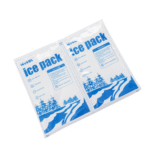
Una bolsa aislante ralentiza la transferencia de calor, mientras que la fuente fría absorbe el calor. Para rutas frías más largas, usar paquetes de gel, ladrillos de hielo reutilizables, o paquetes PCM en una ubicación controlada. El paquete no debe aplastar la comida., filtrarse en las etiquetas, o crear daño directo por congelación. Para artículos congelados, especialmente helados o paquetes de mariscos congelados, una simple bolsa de parto aislada puede no ser suficiente; a caja más fresca o puede ser necesario un paquete compatible con hielo seco.
Mesa 4. Compatibilidad con fuentes frías para bolsas de entrega aisladas.
| Fuente fría | Mejor ajuste | Precaución |
|---|---|---|
| Paquetes de hielo de gel | Comidas refrigeradas, tienda de comestibles, lácteos, postres, rutas cortas del mar. | Haga coincidir la cantidad con el tiempo de ruta y el volumen del equipaje. |
| Ladrillos de hielo reutilizables | Rutas de circuito cerrado de preparación de comidas y compras. | Requerir recuperación, limpieza, y capacidad del congelador. |
| Paquetes de PCM | Objetivos de temperatura más controlada, incluyendo algunas aplicaciones de 2-8°C. | Debe seleccionar la temperatura de cambio de fase correcta. |
| hielo seco | Artículos congelados donde estén permitidos y empacados adecuadamente.. | Requiere ventilación, calificación, y cumplimiento del operador; no para bolsas herméticas selladas. |
Limpieza, Olor, y manejo del conductor
Las bolsas de entrega fallan en operaciones reales cuando son difíciles de limpiar, absorber olores, romper en el mango, colapso bajo carga, o son inconvenientes para los conductores. Los compradores B2B deben especificar el método de limpieza., químicos de limpieza permitidos, tiempo de secado, manejar la carga, durabilidad de la cremallera, diseño de costura del forro, y si la bolsa se puede plegar para guardarla de regreso. Una bolsa que funciona bien en un laboratorio pero que no es utilizada por los conductores no protegerá la cadena de frío..
Marca personalizada y codificación de colores
La marca puede mejorar la confianza del cliente y el cumplimiento de los conductores. La codificación de colores también puede reducir los errores operativos: azul para frío, rojo para caliente, verde para producir, negro para congelados, o un sistema personalizado para recogida en almacén. Para marcas de comestibles y preparación de comidas, imprimir un código QR en la bolsa puede llevar a los clientes o conductores a devolver las instrucciones, guía de limpieza, o reglas de manejo de temperatura.
Lista de verificación de solicitudes de presupuesto para bolsas de entrega con aislamiento personalizado
- modelo de negocio: restaurante, tienda de comestibles, preparación de comida, abastecimiento, mensajero de farmacia, o entrega mixta.
- Objetivo de temperatura de los alimentos y tiempo máximo de entrega.
- Dimensiones de carga útil, peso, y requisitos de orientación del contenedor.
- Tipo de vehículo y método de manejo del conductor..
- Fuente de frío requerida: paquete de gel, ladrillo de hielo, PCM, o sin refrigerante.
- Proceso de limpieza, resistencia al agua, control de olores, y requisitos del revestimiento.
- Herrada, logo, codificación de colores, etiqueta, y requisitos del código QR.
- Ejemplo de plan de prueba para condiciones de entrega en verano e invierno..
Preguntas frecuentes
¿Cuánto tiempo puede mantener fría la comida una bolsa de reparto aislada??
No hay tiempo universal. Depende de la temperatura inicial de los alimentos., tamaño de la bolsa, aislamiento, temperatura ambiente, duración de la ruta, frecuencia de apertura, y si se utilizan paquetes de gel o bloques de hielo.
¿Las bolsas aislantes necesitan bolsas de hielo??
Para rutas cortas, los alimentos preenfriados y el aislamiento pueden ser suficientes. Para rutas más largas y frías o condiciones ambientales cálidas, A menudo se necesitan paquetes de gel o ladrillos de hielo..
¿Se puede usar la misma bolsa para comida fría y caliente??
Se puede diseñar el mismo estilo de bolsa para uso en frío o en caliente., pero los productos fríos y calientes no deben mezclarse en el mismo compartimento cargado. La limpieza y el control de olores también son importantes..
¿Cuál es el mejor material para las bolsas de entrega aisladas??
No existe un mejor material. Una buena bolsa equilibra la durabilidad exterior, capa aislante, limpieza del revestimiento, calidad del cierre, y manejo operativo.
¿Se pueden etiquetar de forma privada las bolsas de entrega aisladas??
Sí. Impresión de logotipos, codificación de colores, etiquetas tejidas, etiquetas de instrucciones, códigos QR, y el embalaje minorista se puede personalizar para las marcas de entrega de alimentos.