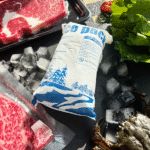
Aislamiento de almacenamiento de mariscos con cadena de frío en 2025?
Aislamiento de almacenamiento de mariscos en cadena de frío funciona cuando tu controlas temperatura, tiempo, and moisture—No cuando simplemente “lo haces frío”. Si quieres menos reembolsos, menos malos olores, y llegadas más consistentes, necesitas objetivos estables (a menudo 41°F / 5°C para mantener en frío), además de control de agua de deshielo y transferencias rápidas.
Este artículo te ayudará:
- Elija objetivos de temperatura para vivir, descascarado, y congelado mariscos (sin conjeturas).
- Utilice aislamiento de cadena de frío para almacenar mariscos para evitar picos calientes durante la puesta en escena y la entrega.
- Cree un paquete para "mantenerlo seco" que reduzca las quejas por fugas y los problemas de olores..
- Configuración 90-etiqueta de día/mantenimiento de registros hábitos que lo protegen durante disputas y auditorías.
- Elija el nivel de aislamiento adecuado (EPS, personaje, PCM) usando una herramienta de decisión rápida.
¿Por qué es tan estricto el aislamiento del almacenamiento de mariscos en la cadena de frío??
El aislamiento del almacenamiento de mariscos en cadena de frío es estricto porque la calidad de los mariscos puede colapsar rápidamente después de una breve exposición al calor.. El daño real suele ocurrir en los “minutos de traspaso”,” no sólo durante toda la ruta.
Piensa en los mariscos como si fueran flores recién cortadas.. Una vez que están estresados, rara vez “se recuperan”.
¿Qué fallos estás evitando??
Por lo general, estás evitando estos cuatro resultados.:
- Picos cálidos esa velocidad de deterioro.
- Contaminación cruzada de agua de deshielo y goteos.
- Colapso de calidad (olor, textura blanda, pérdida por goteo).
- prueba faltante que tu proceso quedó controlado.
¿Qué objetivos de temperatura hacen que funcione el aislamiento del almacenamiento de mariscos en la cadena de frío??
Un objetivo común del día a día en el mantenimiento en frío es 41°F / 5°C o menos, con verificación periódica. El aislamiento del almacenamiento de mariscos en cadena de frío debería ayudarle permanecer estable, especialmente cuando las puertas se abren, los camiones llegan tarde, o ocurre un retraso en el porche.
Objetivos rápidos por tipo de producto
Utilice esta tabla como su conjunto de reglas para "publicar en el muro":
| Tipo de marisco | Objetivo práctico | Mayor riesgo | Lo que significa para ti |
|---|---|---|---|
| Conchas vivas | ~0–4°C (32–40 °F) | Caza de focas, remojo, agua estancada | mantener frio, respirable, y drenado |
| Mariscos desbullados | ≤5°C (41°F) | Calentamiento + contaminación | Sellar herméticamente, enfriar rápido, evitar mezclar lotes |
| Mariscos congelados | ≤-18 ° C (0°F) | Calentamiento “congelado” | Manténgase completamente congelado de un extremo a otro |
El hábito de los “dos termómetros”
Usar un termómetro para aire más frío y una sonda para el producto. La temperatura del aire puede verse bien mientras que el producto se calienta en las horas punta.
Ejemplo práctico: Una temperatura más fría marca 3°C, pero el estante superior alcanzó entre 8 y 10 °C durante las horas pico de tráfico. Pequeños cambios en el flujo de aire y un mejor aislamiento redujeron los picos y los descartes.
¿Cómo se almacenan mariscos vivos con aislamiento de almacenamiento de mariscos de cadena de frío??
El almacenamiento de mariscos vivos tiene éxito cuando se puede respirar, mantente frio, y permanecer húmedo, sin sentarse en el agua. El aislamiento del almacenamiento de mariscos en cadena de frío ayuda, pero no puede solucionar la asfixia o el ahogamiento..
Temperatura y humedad de almacenamiento de ostras vivas.
Trate los mariscos vivos como un envío vivo, carne no envasada. mantenlo frio, dale flujo de aire, y evitar el agua estancada.
| Factor de almacenamiento en vivo | Hacer | No | Impacto real en ti |
|---|---|---|---|
| Flujo de aire | Bandeja ventilada o recipiente respirable | Papelera hermética | Mejor tasa de supervivencia |
| Humedad | Cubierta húmeda (respirable) | sumergir en agua | Humedad sin ahogarse |
| Drenaje | Mantener por encima del agua de deshielo | Deje reposar el producto en gotas. | Menos problemas de olores y mortalidad |
La “regla de respiración” que su personal recordará
Los mariscos son como un equipo en un viaje en autobús.. Les va bien cuando el autobús está fresco y las ventanas están rotas.. Luchan cuando sellas el autobús y lo estacionas al sol..
Consejos prácticos y sugerencias.
- Cajas de etiquetas: “VIVO—NO SELLAR” para que el error más común nunca ocurra.
- Utilice una bandeja ranurada + bandeja de goteo: El aislamiento del almacenamiento de mariscos en la cadena de frío se fortalece cuando se gestiona el agua de deshielo..
- control diario: retire los mariscos muertos lo antes posible para que el deterioro no se propague.
Resultado del mundo real: El cambio de baldes sellados a bandejas ventiladas con cubiertas húmedas redujo la mortalidad y eliminó las quejas de "mal olor" en días.
¿Cómo se almacenan los mariscos descascarados en un aislamiento de almacenamiento de mariscos de cadena de frío??
Los mariscos desbullados necesitan un control del frío más estricto y una separación más limpia que el producto vivo. Muchos flujos de trabajo apuntan a mantener el frío cerca 41°F / 5°C y verificación periódica.
Mariscos desbullados que se mantienen en frío a 41°F (5°C)
Mantener sellado el producto descascarado, mantenlo más frío, y manténgalo alejado de goteos y contenedores de hielo desordenados.. El aislamiento del almacenamiento de mariscos en cadena de frío ayuda más cuando la puerta del refrigerador está abierta todo el día.
Retención de etiquetas de mariscos: el flujo de trabajo de 90 días
Si no puede probar la identidad del lote, pierdes disputas incluso si tus temperaturas fueran perfectas. Los registros de identificación de mariscos se mantienen comúnmente para 90 días en muchas prácticas basadas en códigos alimentarios.
| lo que guardas | Cuánto tiempo | método sencillo | lo que protege |
|---|---|---|---|
| Etiquetas / etiquetas / facturas | 90 días | Archivar por “última fecha de venta” | Rastreo más rápido y menos cancelaciones |
| notas de separación de lotes | Durante la celebración | Mapa de estantería + registro | Previene retiros mixtos |
| Comprobaciones de temperatura más frías | A diario (o más) | Hoja de registro o aplicación | Prueba de control |
Consejos prácticos y sugerencias.
- Un estante = un lote: nunca “rellene” un contenedor con un lote nuevo.
- Proteger de goteos: Coloque los mariscos donde nada pueda gotear sobre ellos..
- Recibir un control de la realidad: algunos flujos de trabajo permiten temperaturas de recepción más altas si se enfría a 41°F / 5°C dentro de una ventana definida: escribe tu regla y entrénala.
Ejemplo práctico: Archivar etiquetas por “última fecha de venta” ayudó a un pequeño mercado a aislar el producto afectado en minutos en lugar de horas.
¿Qué aislamiento y refrigerantes debería utilizar para el aislamiento del almacenamiento de mariscos en cadena de frío??
El aislamiento para el almacenamiento de mariscos en cadena de frío es como un abrigo de invierno. Un gran abrigo falla cuando se desabrocha, de gran tamaño, o empapado.
EPS vs VIP vs PCM en lenguaje sencillo
Generalmente elegirás entre:
- EPS (espuma): desempeño básico sólido.
- personaje (paneles de vacío): Aislamiento mucho mayor en un espacio más delgado., mejor para carriles largos/calientes.
- PCM (material de cambio de fase): un amortiguador de temperatura que reduce las oscilaciones cuando se sintoniza correctamente.
La “regla de ajuste” que la mayoría de los equipos pasan por alto
Incluso el aislamiento resistente de la cadena de frío para el almacenamiento de mariscos falla si:
- Tienes grandes espacios de aire vacíos.
- Refrigerante toca el producto directamente.
- te olvidas vías de drenaje y fugas.
El tamaño correcto es una característica de rendimiento. Reduce el volumen de aire caliente y mantiene las mochilas en su lugar..
herramienta de decisión: Elija aislamiento de cadena de frío para el almacenamiento de mariscos en 90 artículos de segunda clase
Puntuación de cada elemento 0–2, luego sigue el resultado:
- Tiempo de tránsito: 0 (<8h) / 1 (8- 24 horas) / 2 (24-48h+)
- Exposición al calor: 0 (revisado) / 1 (alguna puesta en escena) / 2 (frecuente al aire libre)
- Riesgo de retraso: 0 (extraño) / 1 (a veces) / 2 (frecuente)
- Valor del producto: 0 (producto) / 1 (medio) / 2 (premium/en vivo)
Total 0-3: EPS + proceso disciplinado + drenaje fuerte.
Total 4-6: Aislamiento más grueso + ajuste mejorado + agregar monitoreo básico.
Totales 7-8: Almacenamiento en búfer VIP y/o PCM + escucha + plan de respuesta escrito.
¿Cómo se empaca para la entrega de última milla con aislamiento de almacenamiento de mariscos con cadena de frío??
El aislamiento es un termo., no una nevera. No crea frío: protege el frío que ya has creado.. Su paquete también debe mantener el interior seco, porque el agua acelera el calentamiento y propaga el olor.

Mantenlo seco: Control del agua de deshielo que reduce las quejas.
Para mariscos, El agua es un doble problema.:
- Transfiere calor rápidamente, entonces el calentamiento se acelera.
- Puede contaminar cruzadamente y crear problemas de olores..
Construye tu paquete con:
- Almohadillas o barreras absorbentes (cuando sea apropiado).
- Capas interiores resistentes a fugas.
- Un diseño para “mantener el producto por encima del agua de deshielo”.
Paquete paso a paso (Funciona para la mayoría de carriles fríos.)
- Prehillado el transportista si puedes.
- Agregar un barrera contra fugas + capa absorbente para controlar goteos.
- Colocar refrigerante alrededor el producto, no directamente sobre él.
- Agregue divisores para que el producto no se aplaste y los paquetes no se muevan.
- cerrar rapido: El aislamiento funciona mejor cuando se sella rápidamente..
| Elemento de embalaje | Buen valor predeterminado | Error común | Lo que significa para ti |
|---|---|---|---|
| Ajuste de aislamiento | Ajustado, sin espacios de aire | Caja de gran tamaño | Calentamiento más rápido |
| Colocación de refrigerante | Alrededor del producto | Tocar producto | Daños en la textura o puntos fríos. |
| Control de agua de deshielo | Drenar + absorber | Agua estancada | Olor, desorden, mayor riesgo |
¿Cómo se detienen los picos de temperatura durante los traspasos??
La mayoría de las pérdidas ocurren en 20–60 minutos-cargando, puesta en escena, y entrega, no durante todo el viaje. El aislamiento del almacenamiento de mariscos en cadena de frío gana tiempo, pero tu proceso decide si usas bien ese tiempo.
La regla de carga de los 7 minutos
Entrena a tu equipo para seguir esta secuencia.:
- El camión está listo primero..
- Las cajas se sellan y etiquetan antes de que el producto salga del refrigerador..
- El producto sale el último.
- La carga es un empujón continuo.
Opciones de protección de última milla (elige uno)
- Firma requerida para climas cálidos y productos premium/vivos.
- Punto de recogida / armario para reducir la exposición del porche.
- Mensajes de ventana de entrega para que los clientes estén listos.
- Planificación de ruta Así que los productos perecederos se entregan primero..
Herramienta de participación del usuario: Puntuación de aislamiento del almacenamiento de mariscos en cadena de frío (0–18)
Complete esto para su carril superior:
- Tiempo de ruta: 0 (<8h) / 2 (8- 24 horas) / 4 (24-72h) / 6 (>72h)
- Exposición al calor: 0 (revisado) / 2 (alguna puesta en escena) / 4 (frecuente al aire libre/puerta)
- Exposición al agua o al derretimiento: 0 (seco + drenable) / 2 (a veces mojado) / 4 (acumulación/goteo)
- Prueba de control: 0 (registros) / 2 (ocasional) / 4 (sin registros)
Total: ___ / 18
- 0–5: Conceptos básicos estables. Mejorar la velocidad y la consistencia..
- 6–11: Mejorar el diseño del aislamiento y el control del agua de deshielo..
- 12–18: Actualizar aislamiento, agregar monitoreo, rediseñar traspasos.
¿Qué monitoreo demuestra que el aislamiento del almacenamiento de mariscos en cadena de frío funcionó??
El seguimiento debería responder a una pregunta: ¿Puedes demostrar control cuando importaba?? No necesitas dispositivos avanzados en todas partes, pero sí necesitas visibilidad donde cambian las decisiones.
La escalera de seguimiento
- Controles del termómetro + registros: recepción, revisión diaria del refrigerador, cheque de despacho.
- Indicadores de tiempo-temperatura: señales visuales para "esto se calentó demasiado".
- Registradores de datos: auditorías, envíos de alto valor, validación de carril.
| herramienta de seguimiento | lo que capturas | El mejor uso | Lo que significa para ti |
|---|---|---|---|
| Recibir cheques | Temperatura + condición | Cada entrega | Detiene lotes malos temprano |
| Registrador de datos | Tendencia a lo largo del tiempo | Carriles largos/calientes | Pruebas contundentes en disputas |
| Fotos | Hielo, etiquetas, sellos | Capacitación + auditorías | Trabajo de causa raíz más rápido |
Qué hacer cuando encuentras un pico
Decide tu regla antes de que suceda:
- Esperar para control de calidad.
- Acortar la ventana de vida útil.
- Segregar y etiquetar.
- Investigar la causa raíz (puesta en escena, demora, aislamiento húmedo).
¿Cómo se construye un POE simple para el aislamiento del almacenamiento de mariscos en cadena de frío??
Un buen SOP es corto, visual, y repetible. Debería funcionar en un viernes ocupado., no solo en el entrenamiento.
El POE de 8 pasos (fácil de entrenar)
- recibir frio: verificar y registrar.
- Etiqueta/rastreo: almacenar registros requeridos.
- Colocación de zona: vivo vs descascarado vs cocido.
- Mantener seco: evitar la acumulación de agua.
- control diario: verificación temporal + quitar los mariscos muertos.
- empacar rápido: el producto deja el refrigerador al final; cerrar cajas inmediatamente.
- Disciplina de aislamiento: colocación correcta del revestimiento; sin aislamiento húmedo.
- control de transferencia: definir reglas de entrega para carriles de alto riesgo.
Una mesa que tu equipo realmente usará
| Paso | Que hacer | que no hacer | Por qué te importa |
|---|---|---|---|
| Recibir | control de temperatura + registro | “Se siente frío” | Evita entregas silenciosas y cálidas. |
| Almacenar | Zona por tipo de producto | Apilar al azar | Evita el estrés y el contacto cruzado. |
| Embalar | Sellar rápido | Dejar las tapas abiertas | El aislamiento funciona sólo cuando está cerrado. |
| Barco | Plan de transferencia claro | “Dejar en puerta” siempre | La última milla es el minuto más caluroso |
Una regla que ahorra dinero: “No hay cajas de mariscos colocadas fuera del refrigerador más de 10 minutos." Redujo los picos de calor más que cambiar los refrigerantes.
2025 Novedades y tendencias en el aislamiento del almacenamiento de mariscos en cadena de frío.
En 2025, El aislamiento del almacenamiento de mariscos en la cadena de frío está siendo moldeado por tres fuerzas: disciplina de manejo más estricta, expectativas de embalaje más claras para productos perecederos, y una mayor presión sobre la sostenibilidad.
¿Qué está cambiando más rápido? (y por qué te ayuda)
- Más atención al tiempo + disciplina de temperatura durante el manejo, puesta en escena, y pasos de carga aérea.
- Más expectativas de "prueba de control": registros, acciones correctivas, y la validación se vuelve rutinaria.
- Opciones de embalaje más inteligentes: Más aislamiento en los carriles y embalajes del tamaño adecuado., no hay una caja para todo.
Insight del mercado (simple y practico)
Los clientes no compran "gráficos de temperatura". ellos compran confianza: presentación limpia, textura firme, y temperatura de llegada confiable. Cuando entrega producto caliente o con fugas, pierdes la confianza rápidamente.
Preguntas comunes sobre el aislamiento del almacenamiento de mariscos en cadena de frío
Q1: ¿Cuál es la temperatura de conservación en frío más segura para los mariscos pelados??
Muchos flujos de trabajo apuntan 41°F / 5°C o menos y centrarse en un control constante con controles periódicos.
Q2: ¿Puedo almacenar mariscos vivos en recipientes sellados??
No. Los mariscos vivos necesitan flujo de aire, y el sellado aumenta el estrés y el riesgo de mortalidad.
Q3: ¿Por qué mi caja aislante llega caliente incluso con compresas frías??
Las causas comunes son el tiempo de puesta en escena cálido., El aislamiento húmedo pierde rendimiento., espacios de aire, y mal sellado de la tapa.
Q4: ¿Por qué es tan importante "secar dentro de la caja"??
El agua transfiere el calor rápidamente y puede propagar olores y contaminación cruzada entre los productos..
Q5: ¿Necesito un seguimiento avanzado para cada envío??
No. Comience con registros, luego use indicadores o registradores de datos en carriles de alto riesgo y SKU premium.
Q6: cual es el mas rapido, mejora más barata que puedo hacer esta semana?
Controlar los minutos de traspaso: cargar rapido, etapa menos, y elija una regla de última milla que reduzca el tiempo de visita.
Resumen y recomendaciones
El aislamiento del almacenamiento de mariscos en cadena de frío tiene éxito cuando se conserva el producto frío, estable, y seco, luego controle los minutos cortos de traspaso donde ocurren la mayoría de los picos. Utilice aislamiento como un termo.: eliminar huecos, mantenlo seco, y sellar rápido. Almacene mariscos vivos con flujo de aire y sin remojo., y almacene el producto descascarado en un lugar más frío con una separación limpia y disciplina de lote.
Plan de acción (CTA)
- Elige tu blusa dos rutas y ejecutar el 0–18 puntuación arriba.
- Estandarizar un paquete por ruta y hacer cumplir las 7-regla de carga de minutos.
- Seguimiento de quejas/devoluciones para 30 días, luego ajuste el aislamiento y el drenaje solo cuando los datos muestren riesgo.
Acerca de Tempk
Y tempk, Le ayudamos a construir sistemas de aislamiento de almacenamiento de mariscos con cadena de frío que pueda utilizar todos los días.. Nos centramos en el diseño práctico de aislamiento., estrategia de hielo y drenaje, y monitorear flujos de trabajo que crean pruebas claras para clientes y auditores.
Siguiente paso: Comparte tu tipo de producto (vivo vs descascarado vs congelado), tiempo de tránsito típico, y el punto de exposición más caliente en tu ruta. Trazaremos un plan simple de empaquetamiento y monitoreo que puede estandarizar en todos los carriles..