Cómo lograr la certificación de hortalizas de cadena de frío en 2025
Certificación de hortalizas en cadena de frío garantiza que sus productos se mantengan frescos, seguro y rastreable durante todo su recorrido desde la granja hasta la mesa. En 2025 este estándar no es opcional. Refleja las últimas regulaciones., Tendencias en tecnología y sostenibilidad.. La certificación valida que gestionas la temperatura., humedad y registra adecuadamente, protegiendo el valor de tus hortalizas y de tu marca. Sin cadenas de frío fiables, acerca de 12–13 % de los alimentos mundiales se pierde debido a una refrigeración inadecuada, y aproximadamente 25 % de los alimentos refrigerados se desperdician debido a violaciones de temperatura. Entendiendo los requisitos y adoptando las mejores prácticas., podrás lograr la certificación y satisfacer a los clientes que exigen transparencia y calidad..
Este artículo te ayudará a responder.:
¿Qué implica la certificación de hortalizas en cadena de frío?? Comprender el propósito de la certificación, por qué es importante y qué marcos regulatorios se aplican.
¿En qué se diferencian los carriles de temperatura y los niveles de humedad para las verduras de hojas verdes?, raíces y hortalizas de fruto? Conozca las condiciones óptimas y cómo implementarlas..
¿Qué registros y requisitos de trazabilidad se aplican según la FSMA? 204 y otros estándares? Cumplir con los EE.UU.. Ley de Modernización de la Inocuidad de los Alimentos y directrices internacionales.
¿Qué tecnologías respaldan la certificación?? Explora los sensores de IoT, AI, cadena de bloques, Gemelos digitales y packaging inteligente.
Qué definen las tendencias de sostenibilidad y la evolución del mercado 2025? Descubra prácticas energéticamente eficientes, Los mandatos de cero emisiones y el creciente mercado de la cadena de frío..
¿Qué significa la certificación de hortalizas de cadena de frío y por qué es importante??
La certificación de hortalizas de cadena de frío verifica que su organización mantiene constantemente los productos dentro de los rangos recomendados de temperatura y humedad., sigue estrictos protocolos de higiene y manipulación y mantiene registros precisos. Demuestra el cumplimiento de leyes nacionales como la Ley de Modernización de la Seguridad Alimentaria. (FSMA), Estándares globales como el Codex Alimentarius y programas impulsados por el mercado como la trazabilidad GS1.. Sin certificación, corre el riesgo de estropear el producto, recuerda, desconfianza del consumidor y pérdida de ventas. La certificación es especialmente vital para los vegetales orgánicos o bio., donde el valor se disipa rápidamente: La calidad se deteriora mucho antes que la seguridad.. Los cambios de temperatura aceleran la respiración., Deshidratación y crecimiento microbiano.; una ventana cálida corta puede reducir silenciosamente la vida útil, mientras que las condiciones excesivamente frías pueden causar lesiones por frío.
Los requisitos reglamentarios se están volviendo más estrictos 2025. Sección FSMA 204 clasifica muchas verduras (verduras de hoja verde, cortar fruta, pepinos) como alimentos de alto riesgo y mandatos Elementos de datos clave (KDE) para cada uno Evento de seguimiento crítico (CTE)—como la cosecha, enfriamiento, embalaje y envío. Las empresas deben proporcionar estos registros a los EE. UU.. Administración de Alimentos y Medicamentos dentro 24 horas. Aunque la fecha de cumplimiento inicial se fijó para enero 20 2026, La FDA y el Congreso han ampliado la aplicación de la ley a Julio 20 2028. La certificación proactiva le ayuda a cumplir tempranamente y agiliza las auditorías. Más allá de los beneficios regulatorios, La certificación genera confianza en el consumidor y abre mercados premium.. Los minoristas y operadores de servicios de alimentos exigen cada vez más cadenas de frío certificadas para garantizar la seguridad y la transparencia de los productos..
Componentes clave de la certificación de hortalizas de cadena de frío
Los esquemas de certificación difieren según la región y el estándar, pero la mayoría comparte los siguientes pilares:
| Elemento | Qué cubre | Por que importa |
| Temperatura & carriles de humedad | Asigna rangos específicos de temperatura y humedad a cada grupo de vegetales.. Por ejemplo, Las verduras de hojas verdes como la lechuga y las espinacas prosperan en 0–2 ºC con 95–100 % humedad, mientras que los tomates y los pepinos requieren condiciones más cálidas (12–15 °C para tomates, 7–10 °C para pepinos). | Los carriles adecuados previenen la deshidratación, Daño por condensación y frío., preservando el color, textura y nutrición. |
| Manejo & límites de tiempo | Set rules for pre cooling, tiempo de puesta en escena, cargando, stacking and vibration control. Pre cool produce within dos horas de cosecha; limit staging time before cooling; handle vegetables gently. | Minimises bruising and moisture loss. A distributor that enforced a “no warm staging” rule and switched to moisture protective packaging cut shrink significantly. |
| Trazabilidad & mantenimiento de registros | Capture KDEs (números de lote, harvest dates, shipping details, supplier/receiver) at each CTE. Maintain records for at least dos años and produce them within 24 horas de solicitud. | Enables rapid recall, reduces liability and is mandatory under FSMA 204. |
| Humedad & control de embalaje | Use packaging that balances humidity and ventilation—perforated bags, moisture resistant liners and phase change packs. Avoid sealing warm produce to prevent condensation and mould. | Maintains quality during transport and meets certification auditors’ requirements. |
| Mejora continua | Conduct self audits, monitor key performance indicators (KPI) tales como variaciones de temperatura y resultados de vida útil, y revisar los estándares trimestralmente. | Demuestra compromiso con la calidad y reduce las pérdidas con el tiempo.. |
Consejos prácticos
Preenfriar rápidamente: Utilice enfriamiento por vacío o hidroenfriamiento para eliminar el calor del campo.. Trate de reducir la temperatura de la pulpa a 0-2 °C dentro de las dos horas posteriores a la cosecha.
Asignar carriles: Etiquetar contenedores o pallets según grupo de vegetales (frondoso/hierbas, Brassicas, raíces, sensible al escalofrío). Formar al personal en el sentido de que “lo estable y lo correcto vencen al frío a cualquier precio”.
Establecer límites de preparación: Limite el tiempo que el producto permanece a temperatura ambiente.; un límite de 15 minutos es un buen punto de partida.
Utilice listas de verificación de pasar/retener/reprobar: Al recibir, temperatura récord, tiempo fuera de control, integridad del embalaje y asignar una decisión de pasar/retener/fallar. Mantenga registros para auditorías.
Caso del mundo real: Un distribuidor regional implementó una política de “no montar en escena en caliente”: los trabajadores programaron la puesta en escena y utilizaron cubiertas aislantes.. Combinado con embalaje protector contra la humedad., La empresa redujo las pérdidas y las quejas sobre productos y mejoró la satisfacción del cliente..
¿Cómo garantizan la certificación los carriles de temperatura y las prácticas de manipulación??
Los carriles de temperatura organizan las verduras en grupos según sus temperaturas óptimas de almacenamiento y sus necesidades de humedad.. Este enfoque sistemático garantiza que cada tipo de verdura permanezca dentro de un rango seguro., Prevenir la pérdida de calidad y los daños por frío.. Por ejemplo, Las verduras y hierbas de hojas verdes son muy perecederas y requieren temperaturas cercanas al punto de congelación. (0–2 ºC) con humedad cercana a la saturación para mantenerse fresco. Verduras de raíz y crucíferas como las zanahorias., las remolachas y las coles prosperan a 0–2 °C con 90–95 % humedad. Tubers such as potatoes prefer slightly warmer temperatures (3–4 ºC) to prevent sweetening, while sweet potatoes need 10–13 °C to avoid chilling injury. Fruiting vegetables—tomatoes, pepinos, peppers and eggplants—are sensitive to cold and should be stored at 7–15 °C. Incorrect temperatures accelerate respiration, cause moisture loss or lead to chilling damage.
Temperature Control Strategies for Different Vegetable Groups
Vegetables differ in physiology, ethylene production and sensitivity to cold. Grouping them into temperature lanes helps you design storage and transport protocols.
| Grupo | Temperatura recomendada (°C/°F) | Humedad recomendada | Implications for Certification |
| Verdes de hoja & hierbas | 0–2 ºC (32–36 °F) para hojas sin cortar; ≤5°C (41 °F) for cut greens | 95–100 % RH | Mantiene la nitidez, slows respiration and prevents wilting; cut greens require strict refrigeration to control pathogens. |
| Cruciferous & hortalizas de raíz | 0–2 ºC (32–36 °F) | 90–95 % RH | Keeps vegetables firm and juicy; high humidity reduces shrivelling and weight loss. |
| Tubers & bulbs | Papas: 3–4 ºC (38–40 °F); batatas: 10–13 ºC (50–55 °F); cebollas & ajo: 0–4 ºC (32–40 °F) | 85–90 % RH for potatoes; 70–75 % RH for sweet potatoes | Equilibra la supresión de los brotes y la textura.; moderate humidity prevents rot. |
| Verduras de fruto & cucurbitáceas | tomates: 12–15 ºC (54–59 °F); pepinos & pimientos: 7–10 ºC (45–50 °F) | 85–90 % RH | Evita lesiones por frío.; retains flavour and colour. |
| calabaza de invierno & calabazas | 10–13 ºC (50–55 °F) | 70–75 % RH | Allows 2–3 month storage without chill damage; moderate humidity prevents decay. |
| Cut/ready to eat vegetables | ≤5°C (≤41°F) | 90–100 % RH | Controls pathogen growth and extends shelf life; mandatory for food safety. |
Best Practices for Each Group
Verduras de hoja verde y hierbas: Pre cool with vacuum or forced air cooling immediately after harvest. Use high humidity storage or misters in retail displays. Pack in perforated plastic to maintain moisture.
Roots and tubers: Maintain cold, moist environments for carrots and beets; avoid low temperatures that sweeten potatoes. Cure sweet potatoes and pumpkins before storage and provide ventilation to prevent condensation.
Verduras de fruto: Keep tomatoes at room temperature until ripe, luego refrigere solo brevemente para extender la vida útil. Guarde los pepinos y los pimientos lejos de las frutas que producen etileno.; mantener la humedad relativa alrededor 90 % para evitar arrugarse.
Consejo práctico: Etiquete cada contenedor con su carril de temperatura y capacite al personal para cargar los camiones en consecuencia.. Utilice registradores de datos durante el transporte para garantizar que cada carril permanezca dentro de su punto de ajuste y ajuste las zonas refrigeradas si es necesario..
Navegando por los marcos regulatorios: FSMA 204, Estándares GS1 y Codex
La certificación requiere comprender los marcos legales que rigen los vegetales de cadena de frío. Los EE. UU.. Sección FSMA 204 (Regla de trazabilidad) exige el mantenimiento de registros adicionales para los alimentos incluidos en la Lista de Trazabilidad de Alimentos, incluyendo verduras de hojas verdes y verduras cortadas. Las empresas deben mantener KDE para cada CTE: cosecha, enfriamiento, embalaje, envío y recepción, y entregárselos a la FDA dentro de 24 horas. Aunque la aplicación de la ley se ha extendido a Julio 20 2028, Establecer sistemas compatibles ahora evita el pánico en el futuro..
Internacionalmente, el Códice Alimentario establece pautas de higiene y manipulación de alimentos refrigerados y congelados. Es Norma para hortalizas congeladas rápidamente (CXS 320 2015) cubre la selección de variedades, madurez y ausencia de defectos. El Principios generales de higiene de los alimentos (CXC 1 1969) y el Código de prácticas de higiene para alimentos envasados refrigerados (CXC 46 1999) definir las mejores prácticas globales en preparación, embalaje y distribucion. Fruta Fresca GS1 & Directriz de verduras promueve la identificación única del producto mediante códigos de barras o RFID y trazabilidad un paso adelante/un paso atrás. En la Unión Europea, el Ley General de Alimentos exige la trazabilidad en todos los productos alimenticios. El cumplimiento de estos marcos superpuestos garantiza el acceso a los mercados internacionales y demuestra la debida diligencia..
Registros y documentación de certificación
Mantener registros exhaustivos es el núcleo de la certificación. Generalmente se requieren los siguientes registros:
Identificadores de lote y cosecha: Códigos únicos que vinculan cada lote a campos específicos, harvest dates and growers.
Cooling and packing data: Lecturas de temperatura, método (vacío, hidroenfriamiento) and times of pre cooling and packaging.
Shipping records: Carrier details, tiempos de carga, reefer settings and data logger outputs.
Receiving and inspection logs: Pulp temperatures, inspection results (pass/hold/fail), time outside control and corrective actions.
Plan de trazabilidad: Document describing processes, roles, KDEs and CTEs, and naming the personnel responsible for recordkeeping.
Records must be retained for two years and be made available to the FDA within 24 horas a pedido. Implement digital systems to automate data collection and integrate with barcodes, RFID and cloud storage. Electronic records simplify audits and accelerate recall execution.
Regulatory Frameworks at a Glance
| Estructura | Requisitos clave | Significado práctico |
| FSMA 204 (A NOSOTROS.) | Applies to high risk foods; mandates recording of KDEs at each CTE; extended compliance date to Julio 20 2028. | Organic vegetable producers must track harvest, enfriamiento, detalles de embalaje y envío y compartirlos con los reguladores dentro 24 horas de solicitud. |
| Fruta Fresca GS1 & Directriz de verduras | Requiere una identificación única de los productos., códigos de barras/etiquetas RFID e intercambio de datos entre socios de la cadena de suministro. | Simplifica el intercambio de datos y garantiza la interoperabilidad global; A menudo se utiliza para cumplir con los requisitos de PTI y FSMA.. |
| Códice & Normas ISO | Proporcionar prácticas de higiene para alimentos refrigerados y definir estándares de calidad para vegetales congelados rápidamente.. | Ofrecer puntos de referencia globales utilizados por muchos países y organismos de certificación.; seguirlos apoya la preparación para la exportación. |
| Iniciativa de trazabilidad de productos (PTI) | Etiquetado de programas liderados por la industria ~65 % de productos frescos; considerado una base para FSMA 204 cumplimiento. | Los primeros usuarios tienen una ventaja para cumplir con las nuevas reglas de trazabilidad y obtener una ventaja competitiva.. |
| Ley alimentaria general de la UE | Exige trazabilidad para todos los productos alimenticios y piensos.. | Los productores que exportan a la UE deben mantener registros detallados y garantizar que las etiquetas cumplan con los estándares de la UE.. |
Nota: Muchos organismos de certificación, como certificadores orgánicos acreditados por el USDA, BRCG (Estándar global del consorcio minorista británico), FSC 22000 y GLOBALG.A.P., integrar estos marcos. Elija un certificador con experiencia en su tipo de producto y cadena de suministro.
Innovaciones tecnológicas para la certificación de hortalizas de cadena de frío
La tecnología moderna convierte la certificación de un ejercicio en papel a un proceso basado en datos. sensores de iot, inteligencia artificial, blockchain y gemelos digitales mejoran la visibilidad, eficiencia y cumplimiento. Dispositivos IoT ambientales (Sensores sin batería o de baja potencia.) registrar continuamente la temperatura, humedad, Niveles de etileno y ubicación durante el almacenamiento y transporte.. Las alertas en tiempo real permiten a los operadores corregir las desviaciones antes de que las verduras se echen a perder., mejorando la confiabilidad mediante acerca de 30 %. Los algoritmos de IA analizan los datos de los sensores para pronosticar la demanda, predecir fallas de equipos y optimizar rutas. En proyectos piloto, La IA y las imágenes hiperespectrales reducen el tiempo de inspección manual 90 %, precisión mejorada por 15 %, y reducción de residuos mediante 65 %. Blockchain garantiza registros a prueba de manipulaciones y automatiza las actualizaciones de certificaciones mediante contratos inteligentes. Los gemelos digitales simulan el entorno de la cadena de frío, permitiendo pruebas de escenarios sin poner en riesgo el producto real. El embalaje inteligente integra sensores y materiales sostenibles para prolongar la vida útil y comunicar frescura.
Comparación de tecnologías emergentes
| Tecnología | Funciones clave | Beneficios de la certificación |
| sensores de iot & RFID | Temperatura de monitor, humedad, niveles de etileno y ubicación; enviar alertas en tiempo real; habilitar el mantenimiento predictivo. | Prevenir el deterioro durante el transporte., mejorar la confiabilidad de la cadena de frío en ~30 % y permitir intervenciones proactivas. |
| Inteligencia artificial | Analizar datos de sensores, demanda prevista, optimizar rutas e inventario, programar mantenimiento. | Reducir el tiempo de inspección mediante 90 %, aumentar la precisión mediante 15 % y reducir el desperdicio 65 %; aumentar los ingresos y la sostenibilidad. |
| cadena de bloques | crear inmutable, registros a prueba de manipulaciones; automatizar auditorías y contratos inteligentes para la certificación. | Mejorar la transparencia, Simplifique el cumplimiento y genere confianza en el consumidor verificando la procedencia orgánica.. |
| gemelos digitales | Simular la cadena de frío física; intervenciones de prueba y mantenimiento del plan. | Optimice los ajustes de temperatura y humedad., planificar la capacidad y el uso de energía, reducir el riesgo de tiempo de inactividad. |
| Embalaje inteligente | Monitorear los indicadores de frescura, utilizar sensores y materiales sostenibles. | Extender la vida útil, reducir los residuos y satisfacer la demanda de los consumidores de envases ecológicos. |
Implementación de tecnología: Guía paso a paso
Mapee su cadena de suministro: Identifique todos los CTE desde el campo hasta el consumidor y observe los controles existentes y los métodos de recopilación de datos..
Adoptar estándares globales: Utilice claves de identificación GS1 y códigos de barras o etiquetas RFID para identificar de forma única cajas y paletas.
Instalar monitoreo de IoT: Equipar almacenamiento, vehículos de transporte y embalajes con sensores para medir la temperatura, humedad y etileno. Configurar alertas en tiempo real.
Aprovechar el análisis de IA: Introduzca datos de sensores en plataformas de inteligencia artificial para pronosticar la demanda, programar el mantenimiento y predecir la maduración o el deterioro.
Construya un centro de datos blockchain: Utilice blockchain para almacenar cada evento de manejo de forma segura e integre contratos inteligentes para actualizaciones de certificación automatizadas..
Entrena a tu equipo: Asegúrese de que todo el personal comprenda cómo recopilar datos., mantener la cadena de frío y responder a las alertas.
Ejemplo: Un distribuidor de aguacate de Oriente Medio combinó sensores IoT, IA y cadena de bloques. Redujeron la contracción en 67 %, reducir la pérdida total en 17 % y mayores ingresos por 1.15 %. Se pueden lograr resultados similares en las cadenas de suministro de hortalizas..
Tendencias de sostenibilidad y 2025 Desarrollos
La industria de la cadena de frío está evolucionando rápidamente. La sostenibilidad y la eficiencia son temas centrales en 2025. Según un análisis de mercado de Custom Market Insights, el Mercado de la cadena de frío de alimentos de EE. UU. se proyecta que crezca de Dólar estadounidense 14.17 mil millones en 2025 a USD 54.88 mil millones por 2034, una tasa de crecimiento anual compuesta de 16.32 %. Varios factores impulsan este crecimiento.:
Mandatos de cero emisiones: California SB 1383 requiere un 75 % reducción de residuos orgánicos, empujando a los minoristas a invertir en almacenamiento en atmósfera controlada y conjuntos de sensores. Los operadores están adoptando furgonetas refrigeradas eléctricas y microcentros logísticos para cumplir los objetivos de cero emisiones..
Creciente alimentación en línea y comercio transfronterizo: La creciente demanda de productos frescos, Los productos exóticos aumentan la necesidad de cadenas de frío y trazabilidad confiables..
Energía renovable & logística verde: Integrando paneles solares, Las turbinas eólicas y los sistemas de recuperación de calor reducen el consumo de energía y la huella de carbono.. El Convidar a 15 °C Una iniciativa propone aumentar las temperaturas estándar de almacenamiento de alimentos congelados de –18 °C a –15 °C, que podría salvar 25 teravatios hora de energía y reducir 17.7 millones de toneladas de CO₂ anualmente.
Últimos desarrollos de un vistazo
Flotas frigoríficas eléctricas se están expandiendo en el noreste y California, Soporta enrutamiento de tres temperaturas. (ambiente, refrigerado y congelado en un camión).
Microcentros logísticos ubicado dentro 10 Kilómetros de consumidores reducen el tiempo de transporte y mantienen la integridad de la cadena de frío..
Refrigeración energéticamente eficiente utiliza refrigerantes naturales (amoníaco, Co₂) y compresores de velocidad variable, Reducir el uso de energía y al mismo tiempo preservar la calidad del producto..
Infraestructura resiliente—edificios aislados, Generadores de respaldo y microrredes: evitan variaciones de temperatura durante condiciones climáticas extremas..
Ideas del mercado
El mercado de la cadena de frío de alimentos de EE. UU. demuestra cómo la regulación y la demanda de los consumidores impulsan la inversión. Sanciones de Dólar estadounidense 10 000 por día por no reducir los residuos orgánicos motivar a los pequeños distribuidores a colaborar con terceros especialistas en lugar de asumir solos los costos de la tecnología. El aumento de las exportaciones de productos perecederos requiere una sólida cadena logística de frío para mantener la calidad en largas distancias.. Las empresas que invierten en energías renovables y tecnologías inteligentes obtienen una ventaja competitiva y cumplen objetivos de sostenibilidad.
Preguntas frecuentes
Q1: ¿Cuál es la temperatura ideal del frigorífico para conservar verduras frescas en casa??
Mantenga el refrigerador de su casa entre 32–40 °F (0–4 ºC); Esta gama previene el deterioro y retarda el crecimiento microbiano.. Guarde las verduras de hojas verdes en el cajón para verduras, donde la humedad es mayor., y evite llenar demasiado el frigorífico para permitir la circulación del aire..
Q2: ¿Qué tan rápido se deben enfriar las verduras después de la cosecha??
Las verduras deben ser preenfriado en dos horas de cosecha. El enfriamiento rápido ralentiza la respiración y preserva la calidad.. Utilice enfriamiento por vacío o aire forzado para verduras de hojas verdes e hidroenfriamiento para tubérculos.
Q3: ¿Por qué no puedo guardar los tomates en el frigorífico??
Los tomates son sensibles al frío.. Almacenándolos a continuación 12 °C (54 °F) causa pérdida de sabor y picaduras; funcionan mejor a 12-15 °C. Keep tomatoes at room temperature until ripe; refrigere solo para extender la vida útil una vez que alcancen la madurez deseada.
Q4: ¿Las verduras cortadas requieren un control de temperatura más estricto??
Sí. Las verduras de hojas verdes cortadas se clasifican en control de tiempo/temperatura para alimentos seguros y debe almacenarse a una temperatura igual o inferior 5 °C (41 °F). Cortar aumenta la superficie y libera nutrientes., creando condiciones para las bacterias. La refrigeración adecuada suprime el crecimiento de patógenos.
Q5: ¿Qué documentación se requiere según la sección FSMA? 204?
Las empresas deben registrar Elementos de datos clave—como el nombre del proveedor, códigos de lote, harvest dates, tiempos de enfriamiento y registros de envío, para cada Evento de seguimiento crítico, y proporcionar estos registros a la FDA dentro de 24 horas. Los sistemas digitales simplifican el cumplimiento y garantizan que los datos estén fácilmente disponibles para el Julio 20 2028 fecha de ejecución.
Q6: ¿Quién puede certificar hortalizas de cadena de frío??
Los organismos de certificación varían según la región. En los EE.UU., Los certificadores acreditados por el USDA supervisan la certificación orgánica, mientras que programas como BRCG, FSC 22000 y GLOBALG.A.P. auditar sistemas de seguridad y calidad. Elija un certificador con experiencia en productos perecederos y asegúrese de que reconozca la FSMA 204, Estándares GS1 y Codex.
Resumen y recomendaciones
Control de llave
La certificación valida la calidad y el cumplimiento.: Garantiza que las verduras se mantengan dentro de sus rangos óptimos de temperatura y humedad., seguir prácticas higiénicas y mantener registros de trazabilidad. La mala gestión de estos elementos provoca deterioro y pérdida..
Los carriles de temperatura son esenciales: Agrupe las verduras según su sensibilidad al frío: verduras de hojas verdes cercanas al punto de congelación., raíces frías y húmedas, tubérculos ligeramente más calientes, hortalizas frutales arriba 7 °C: para prevenir la deshidratación y las lesiones por frío.
FSMA 204 exige un mantenimiento de registros sólido: Capture KDE en cada CTE y esté listo para suministrarlos a los reguladores dentro 24 horas. Los plazos de cumplimiento se extienden hasta Julio 20 2028, pero la adopción temprana reduce el riesgo.
La tecnología acelera la certificación: sensores de iot, AI, blockchain y gemelos digitales aumentan la visibilidad, reducir el desperdicio y simplificar las auditorías. Las alertas en tiempo real y el análisis predictivo conducen a una gestión proactiva.
La sostenibilidad impulsa el futuro: Refrigeración energéticamente eficiente, energías renovables y el movimiento hacia 15 Iniciativa °C para reducir costes y emisiones de carbono. Los centros de micrologística y logística ecológica cumplen con los mandatos de cero emisiones y las expectativas de los consumidores.
Plan de acción
Realizar una auditoría de la cadena de frío.: Mapee cada etapa desde la cosecha hasta la venta al por menor; identificar puntos sensibles a la temperatura, deficiencias en la recopilación de datos y equipos que necesitan mejoras.
Asignar carriles de temperatura: Cree categorías claras para verduras de hojas verdes, raíces, tubérculos y hortalizas de fruto; etiquetar los contenedores y capacitar al personal en consecuencia.
Implementar sistemas de monitoreo: Implemente sensores de IoT y registradores de datos para registrar la temperatura y la humedad.; establecer umbrales y alertas.
Digitalizar registros: Utilice plataformas basadas en la nube con códigos de barras o etiquetas RFID para capturar KDE y mantenerlos durante dos años..
Adopte IA y blockchain: Analizar datos para mantenimiento predictivo y previsión de la demanda.; utilice blockchain para proteger registros y automatizar auditorías.
Invertir en infraestructura sostenible: Actualice a refrigeración energéticamente eficiente, integrar fuentes de energía renovables, y considere Mover a 15 Recomendaciones en °C.
Elija un socio de certificación: Asóciese con un certificador acreditado por el USDA o reconocido internacionalmente con experiencia en vegetales de cadena de frío.
Entrena a tu equipo: Educar al personal sobre las prácticas de la cadena de frío., mantenimiento de registros, protocolos de saneamiento y emergencia.
Acerca de Tempk
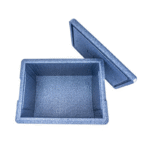
Tempk es un innovador líder en soluciones de monitoreo y empaque de cadena de frío. Nos especializamos en cajas isotérmicas., bolsas de hielo en gel y registradores de datos habilitados para IoT para garantizar que las verduras y otros productos perecederos mantengan temperaturas óptimas durante el tránsito. Nuestro equipo de investigación y desarrollo es pionero en materiales ecológicos y tecnologías de cambio de fase para reducir el impacto ambiental y maximizar el rendimiento.. Ayudamos a las empresas a cumplir con FSMA, Normas Codex e ISO, entrega envases reutilizables y reciclables que se alinea con sus objetivos de sostenibilidad. Si necesitas cajas aisladas, paneles aislados al vacío o sensores inteligentes, Tempk diseña soluciones adaptadas a su cadena de suministro.
Siguientes pasos: Listo para elevar su cadena de frío? Consulte a nuestros expertos para diseñar una solución personalizada y lista para la certificación de sus hortalizas.. Lo guiaremos a través del diseño del carril de temperatura, sistemas de trazabilidad y selección de envases para que su producto llegue crujiente, seguro y compatible.