Control de diseño ODM de Cool Brick desde el resumen hasta el lanzamiento
ODM es útil cuando el comprador puede definir el problema de la cadena de frío pero quiere que el proveedor diseñe más componentes de la solución.. Se vuelve riesgoso cuando una plataforma, formulación, y el gráfico de prueba llegan como una respuesta terminada antes de que se entienda la aplicación. Un socio ODM de ladrillos geniales puede contribuir con la geometría, materiales, refrigerante, cierre, estampación, y conocimientos de fabricación; el comprador aún posee el requisito de carga útil y la decisión de utilizar el paquete final. El proyecto debería reducir la incertidumbre por etapas., registrar lo que aún no se ha demostrado, y evitar tratar un ladrillo diseñado por el proveedor como un sistema de envío calificado por sí solo.
Demuestre que ODM se adapta al problema
Elija ODM cuando exista una brecha significativa en el diseño de componentes. Los ejemplos incluyen una interfaz de caja que los ladrillos estándar no pueden ocupar de manera eficiente., errores de orientación recurrentes, un cierre vulnerable al bucle de retorno, o la necesidad de integrar el refrigerante con una bandeja o barrera existente. Una plataforma de proveedores también puede ser valiosa cuando ya se conocen sus límites de fabricación y solo se necesita una adaptación específica..
No inicie ODM porque la aplicación no está definida. Si el comprador no puede indicar la condición autorizada de la carga útil, sensibilidades al calor y al congelamiento, carga representativa, recipiente, ruta, retrasos, eventos de apertura, equipo de preparación, y proceso receptor, el proveedor debe inventar suposiciones. Esas suposiciones pueden producir un ladrillo elegante para el sistema equivocado..
Compara las alternativas antes de autorizar el desarrollo. Un componente estándar puede satisfacer la necesidad con un mejor soporte., separador, etiqueta, o instrucción laboral. Una ruta OEM es más apropiada cuando el comprador ya posee el diseño completo y desea una producción según las especificaciones.. ODM gana sus herramientas adicionales, evidencia, propiedad intelectual, y continuidad del trabajo solo cuando los aportes de diseño del proveedor resuelven una restricción medida.
Definir el alcance del diseño explícitamente. ¿El ODM es responsable únicamente del ladrillo?, o también para un titular, contenedor aislado, propuesta de paquete, coordinación de pruebas, o instrucciones de funcionamiento? ¿Quién elige las condiciones de la prueba?? ¿Quién aprueba las desviaciones?? ¿Quién controla los reclamos públicos?? Una etiqueta comercial como “solución completa” no debería dejar esas decisiones sin nombre.
Cree un criterio de salida y un objetivo de lanzamiento.. El comprador debe saber qué expediente técnico, acceso a herramientas, datos, opciones de suministro alternativas, y los derechos permanecen si el proyecto se detiene después de la viabilidad o termina la relación de suministro. La dependencia puede ser aceptable, pero debe entenderse antes de que el diseño se incorpore a un kit comercial..
Sea dueño del resumen de resultados y sus supuestos
Un informe de ODM debe definir claramente los resultados y dejar espacio para la ingeniería.. Comience con información controlada del producto: condiciones de transporte requeridas, exposiciones inaceptables, geometría de carga útil y masa, estado inicial del producto, limitaciones de contacto, y la función autorizada para evaluar una excursión. No le pida al diseñador del refrigerante que deduzca la estabilidad del producto a partir de un rango común de la industria..
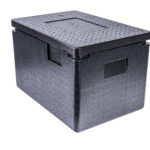
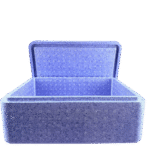
Describir la interfaz completa del contenedor.. Proporcionar dimensiones internas y tolerancias., aislamiento y construcción de la tapa, bandejas, bolsillos, cierres, sobre de carga útil, y la revisión controlada. Indique si el contenedor es fijo o codesarrollado.. Si existen varias versiones de caja, identificar cuál gobierna en lugar de permitir una geometría promedio.
Mapear el carril por tiempo y entrega. puesta en escena de origen, levantar, vehículos, centros, aduanas, paradas de última milla, horas del receptor, exposición estacional, demora, y la apertura de la caja puede importar más que la distancia. Los datos históricos de carriles pueden informar el desafío, mientras que una evaluación de riesgos documentada selecciona las condiciones de prueba. “Aire internacional” o “ruta de verano” no es un perfil térmico adecuado.
Operaciones aporta otro conjunto de entradas de diseño: congelador o equipo de acondicionamiento, espacio libre para estantes, flujo de aire, patrón de cambio, máxima puesta en escena práctica, uso de guantes, secuencia de línea de embalaje, agentes de limpieza, segregación de retorno, almacenamiento disponible, y trazabilidad. Un concepto que requiere un estado de preparación que el sitio no puede reproducir no es factible, independientemente de sus propiedades materiales.
Requisitos separados, preferencias, y desconocidos. Adaptar, protección de carga útil, orientación identificable, y la evidencia para un paquete con nombre puede ser un requisito. El color de la marca o una manija empotrada pueden ser preferencias.. El efecto de la carga útil mínima., limpieza en una etiqueta, o el condicionamiento densamente apilado pueden ser preguntas sin resolver. Esta separación otorga al ODM permiso para negociar preferencias sin debilitar los requisitos..
Mantener un libro de suposiciones. Cada propuesta debe indicar el estado inicial del refrigerante., carga útil, caja, exposición ambiental, acuerdo, duración, usar patrón, y reutilizar las suposiciones detrás de esto. Asignar un propietario y evidencia de cierre. Un supuesto que permanece abierto en el momento de la congelación del diseño se convierte en una limitación explícita, no es una base silenciosa para un reclamo.
Comparar conceptos como decisiones comprobables
Las propuestas ODM deben compararse por el conocimiento que crean., no por apariencia renderizada o por un valor de propiedad único.
| Incertidumbre de diseño | Opción de proveedor o experimento | evidencia de decisión | Lo que todavía requiere una prueba del sistema |
|---|---|---|---|
| Es posible que la plataforma estándar no encaje después de la preparación | Muestras dimensionales en estado preparado y estudio de interfaz. | Geometría, tolerancia, espacio libre de tapa y cierre | gradientes térmicos y rendimiento de la ruta |
| El comportamiento del refrigerante puede crear un riesgo de frío local | Opciones de materiales controlados más paquetes comparativos mapeados | Respuesta relativa bajo la misma configuración. | Aceptación del producto en el sistema comercial liberado. |
| La cara ancha y delgada puede acondicionarse de manera desigual en bastidores densos | Prueba de acondicionamiento instrumentado con carga de congelador representativa | Efectos del tiempo y la posición en el estado inicial. | Rendimiento después de la puesta en escena operativa y el embalaje |
| Los errores de orientación pueden arruinar el diseño | Función clave, identidad contrastante, o prototipo de titular | Empaquetadores desconocidos completan una prueba de usabilidad | Efecto térmico de la geometría final y barrera. |
| El cierre puede no tolerar el manejo de reutilización | Integridad del representante de producción y desafíos de manejo | Modos de falla y criterios de retiro. | Vida de campo real en el circuito de retorno del comprador |
| Es posible que el informe existente no cubra una variante de marca | Evaluación de brechas de configuración | Diferencias de material, geometría, llenar, etiqueta, y procesar | Nuevas pruebas requeridas por la decisión de riesgo documentada |
Esta matriz obliga a cada concepto a revelar una pregunta., un experimento, y el límite restante. También ayuda a que el departamento de adquisiciones compare las propuestas de desarrollo de manera justa.. Un precio de herramientas más bajo no es necesariamente mejor si el proveedor ha excluido muestras representativas., datos sin procesar, trabajo piloto, o cambiar el control.
Las opciones termodinámicas requieren contexto. El refrigerante almacena calor sensible a medida que cambia su temperatura y puede almacenar calor latente sustancial durante una transición de fase.. Un valor de transición nominal no convierte al ladrillo en un termostato. Resistencia de la cáscara, superficie, espesor, capacidad calorífica de carga útil, contacto, flujo de aire, aislamiento, y las condiciones externas producen temperaturas que varían según la ubicación y el tiempo..
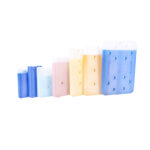
La geometría crea compensaciones operativas. Un panel ancho y delgado puede utilizar una pared de manera eficiente y proporcionar un amplio intercambio de calor., pero puede reducir el ancho de la carga útil o enfriar demasiado una superficie adyacente. Un cuerpo compacto y grueso transporta masa en menos área de la cara, pero puede tardar más en alcanzar un estado inicial uniforme.. Las nervaduras mejoran la rigidez o el apilamiento mientras cambian el flujo de aire y la limpieza.. Una tapa protegida puede resistir el impacto pero resulta difícil de inspeccionar. Pídale al diseñador que conecte cada característica con un requisito y un método de verificación..
La simulación puede limitar las opciones cuando sus entradas y condiciones de contorno son visibles.. Debería guiar los experimentos físicos y la colocación de sensores., luego compararse con los resultados medidos antes de la extrapolación. Un modelo colorido no es calificación.. Asimismo, El análisis de laboratorio de una muestra de refrigerante puede controlar las características de la formulación, pero no puede reproducir un componente lleno dentro de un cargador aislado.
Incluir el mal uso y el ciclo de vida en la revisión del concepto.. ¿Se pueden mezclar variantes similares?? ¿Se puede instalar un ladrillo al revés?? ¿Las unidades congeladas se mantendrán juntas?? ¿Se pueden acumular residuos en un hueco?? ¿Permanece visible un cierre dañado?? ¿Permite el armazón propuesto una inspección práctica antes de su reutilización?? Los controles de riesgo incorporados en la forma suelen ser más fuertes que una advertencia que los empacadores pasan por alto habitualmente..
El lenguaje ambiental debe seguir basándose en evidencia. Una masa de material más baja puede entrar en conflicto con la durabilidad; la reutilización introduce el transporte de retorno, lavado, acondicionamiento de energía, pérdida, y jubilación; La reciclabilidad depende de los sistemas y la preparación locales.. Un ODM debe proporcionar información sobre el material y el desmontaje que respalde la evaluación del comprador., no es una insignia universal de “sostenible”.
Utilice puertas que eliminen la incertidumbre específica
Una puerta de desarrollo es útil solo cuando cierra preguntas nombradas y autoriza un próximo gasto definido.. El registro puede ser proporcional al riesgo., pero cada puerta necesita evidencia, problemas no resueltos, aprobadores, y continuar, revisar, pausa, o detener la decisión.
Puerta problemática. Aprobar el informe de resultados, mapa de responsabilidad, revisión del contenedor, suposiciones, conflictos de prioridad, marco de propiedad intelectual, y plan de evidencia. Ninguna forma debe ser tratada como preferida ante esta puerta..
Herramientas útiles para tomar decisiones
Comprueba los detalles antes de elegir el embalaje.
Estas herramientas rápidas pueden ayudarle a comparar el riesgo de la ruta, necesidades de dimensionamiento, opciones de refrigerante, y detalles del embalaje antes de solicitar una cotización.
Comprobador de riesgos de ruta
Revise las condiciones del carril antes de seleccionar el embalaje para requisitos operativos reales..
Comprobar riesgo de rutaGenerador de listas de verificación de cumplimiento
Cree una lista de verificación práctica para la revisión del embalaje, envío, y documentación.
Crear lista de verificaciónCalculadora de hielo seco
Calcule las necesidades de hielo seco para envíos congelados o ultrafríos antes de empacar.
Estimar hielo secoPuerta conceptual. Comparar plataformas estándar, adaptaciones, y nuevos diseños. Revisar la geometría, enfoque del refrigerante, cierre, capacidad de fabricación, acondicionamiento, usabilidad, información de seguridad, estructura de costos, y riesgos clave. Seleccione una dirección porque aborda mejor el problema controlado., no porque lleve la mayor cantidad de refrigerante.
Puerta de ingeniería. Publicar un dibujo preliminar y una especificación funcional., luego verifique el ajuste, dimensiones, controles relacionados con el llenado, cierre, identidad, manejo, y limpieza utilizando muestras identificadas. Los primeros prototipos mecanizados o rellenos a mano se marcan como no producidos y se limitan a las preguntas que pueden responder..
Puerta de intención de producción. Utilice la herramienta propuesta, materiales, proceso de llenado y cierre, sitio, inspección normal, etiqueta, y embalaje maestro. Compare cavidades y posiciones de producción cuando sea relevante. Demostrar métodos de medición., planes de reacción, codificación de lotes, y la capacidad de contener un fracaso.
Puerta del sistema. Evalúe el paquete aislado completo con la revisión de ladrillo prevista., preparación, contar, acuerdo, carga útil o simulante justificado, condiciones iniciales, sensores, perfil externo, duración, criterios de aceptación, y desviaciones. Estándar ISTA 7E y Estándar 20 puede proporcionar pruebas y calificaciones térmicas estructuradas para paquetes cuando su alcance se ajuste. No certifican el componente ODM suelto o una variación de marca no probada..
Puerta operativa. El personal representativo recibe, condición, escenario, embalar, monitor, despacho, recuperar, limpio, inspeccionar, y retirar unidades siguiendo las instrucciones preliminares.. Esta prueba revela soluciones alternativas y errores de estado que un montaje cuidadoso en el laboratorio puede ocultar. Se deben incluir los datos del receptor y el proceso de desviación..
Una decisión de desarrollo en la práctica
Imagine que un proveedor de laboratorio utiliza una caja aislada compacta con un estante central para reactivos.. Los ladrillos estándar ocupan demasiado espacio en el bastidor y se pueden insertar en dos orientaciones. El comprador solicita a un ODM un cuerpo refrigerante en forma de U que parece solucionar ambos problemas.
El resumen de resultados revela limitaciones adicionales: una posición de rejilla es sensible al contacto directo congelado, Los estantes del congelador limitan la altura total., y los casos devueltos se limpian en un sitio diferente. El primer concepto se adapta al estuche cálido, pero se curva después de la preparación y deja una esquina interior difícil de limpiar.. Un segundo diseño utiliza dos componentes laterales con llave y un separador controlado en lugar de una forma de U compleja..
Las pruebas comparativas mapean ubicaciones frías y cálidas con cargas de estantes representativas. Las unidades piloto hechas con herramientas exponen una cavidad con mayor proyección de tapa, entonces la fábrica corrige el proceso y repite el ajuste en estado preparado. Luego, Operaciones descubre que los dos componentes se pueden mezclar con un programa más antiguo.; Se agregan identificadores permanentes y ubicaciones de estado separadas antes del lanzamiento del sistema..
El diseño seleccionado no es el más novedoso. Avanza porque su geometría, preparación, controles de fábrica, resultado del paquete, limpieza, y la identificación son todos compatibles. El concepto abandonado en forma de U permanece documentado como conocimiento en lugar de resurgir más tarde como una idea de ahorro de costos inexplicable..
Mantenga un archivo técnico utilizable por el comprador y una ruta de salida
El ODM puede ser propietario de la plataforma base., pero el comprador necesita suficiente información controlada para operar, investigar, y evaluar los cambios. El archivo debe identificar el producto y la revisión., sitio y plataforma o herramienta, dibujo, tolerancias, materiales y refrigerante al nivel de divulgación acordado, cierre, código de unidad, etiqueta, embalaje maestro, preparación, criterios de componentes, informes de embalaje, desviaciones, reclamaciones aprobadas, y cambiar la historia.
Si la formulación es patentada, acordar una ruta protegida para revisión calificada. El comprador aún necesita información sobre seguridad y transporte., atributos y rangos funcionales, controles de lotes, trazabilidad, y aviso previo antes de la sustitución. Una fórmula confidencial es compatible con el control; una caja negra que puede cambiar sin evaluación no es.
Definir derechos sobre dibujos., moldes, modificaciones, datos, modelos, metodos, informes, elementos de marca, mejoras, y suministro posterior a la terminación. Propiedad de la herramienta, propiedad del diseño, y el permiso para reproducir son cuestiones legales separadas. Los datos de prueba y los metadatos sin procesar deben permanecer accesibles bajo condiciones acordadas para que se pueda defender una comparación posterior de desviación o cambio..
Los planes de continuidad deben distinguir disponibilidad de equivalencia. Otra carcasa con el mismo volumen nominal puede diferir en superficie, adaptar, refrigerante, preparación, cierre, y rendimiento del sistema. Las alternativas potenciales pueden identificarse tempranamente, pero permanecen sin aprobar hasta que se complete el proceso de verificación y calificación documentada.. Un sitio de respaldo que utilice el mismo dibujo aún puede requerir una evaluación de los materiales., equipo, operadores, metodos, y registros.
La revisión posterior al lanzamiento conecta la evidencia de campo con el control del diseño. Fuga de tendencia, alabeo, identificación errónea, fallas de acondicionamiento, desviaciones del embalaje, eventos de temperatura, dificultad de limpieza, y pérdidas por lote y configuración. Preservar las muestras devueltas, archivos de registrador, registros de embalaje, y encaminar los hechos durante las investigaciones. No culpes al ladrillo automáticamente., pero no lo excluya simplemente porque la inspección entrante pasó.
Preguntas frecuentes
¿En qué se diferencia el ODM de ladrillo frío del OEM??
En la práctica común, un ODM contribuye más al diseño del producto o adapta una plataforma propiedad del proveedor, mientras que un OEM fabrica con mayor frecuencia según una definición controlada por el comprador. Los contratos varían, así asignar autoridad de diseño, estampación, control de formulación, datos, calificación, reclamos, y cambia artículo por artículo. El acrónimo no determina la responsabilidad por la carga útil o el embalaje final..
¿Cuándo es preferible una plataforma ODM existente a un molde nuevo??
Utilice una plataforma existente cuando las muestras representativas de la producción cumplan con la interfaz, preparación, identificación, integridad, y necesidades de evidencia del sistema con adaptación limitada. Una nueva herramienta se justifica cuando resuelve un requisito documentado que las opciones estándar no pueden. incluir desarrollo, calificación, inventario, propiedad intelectual, y costos de continuidad en la decisión en lugar de comparar precios unitarios únicamente.
¿Puede el comprador confiar en el informe térmico del ODM??
Sólo después de revisar el ladrillo exacto., estado del refrigerante, caja, carga útil, acuerdo, ubicaciones de sensores, perfil ambiental, duración, criterios de aceptación, y cambios de marca. Un informe relevante puede reducir el trabajo de desarrollo; uno que no coincide no puede calificar para el paquete del comprador. Documentar la evaluación de deficiencias y autorizar cualquier prueba adicional a través del proceso de calidad del propietario del producto..
¿Cómo se debe manejar un cambio de refrigerante patentado??
Requerir aviso previo, la razón del cambio, comparación funcional controlada, información de seguridad y transporte, impacto en la producción, lotes afectados, y evidencia suficiente para una revisión técnica confidencial. Evaluar la preparación, aptitud física, controles de componentes, rendimiento del paquete, etiquetas, y documentos de mercado. No aprobar únicamente porque la descripción de la transición nominal parece sin cambios.
Liberar un diseño defendible, No es una historia ODM
Un proyecto ODM disciplinado de ladrillos fríos comienza con un resultado propiedad del comprador y termina con un componente diseñado por el proveedor cuyas suposiciones, compensaciones, evidencia, producción, y los cambios siguen siendo visibles. Las puertas de desarrollo gastan dinero sólo después de que se haya reducido la incertidumbre anterior., mientras que el archivo técnico preserva el conocimiento más allá del equipo actual del proyecto.
El activo comercial final no es la forma.. Es un diseño que se puede hacer., identificado, acondicionado, lleno, monitoreado, investigado, y cambiado sin desconectar las afirmaciones de la prueba.
Acerca de Tempk
Podemos utilizar las plataformas rígidas de ladrillos de hielo de Tempk como punto de partida o discutir una nueva dirección de ODM cuando una restricción de empaque definida sigue sin resolverse.. Nuestra revisión puede cubrir la geometría., requisitos de refrigerante, presentación de concha, etiquetado, embalaje, etapas de muestra, y los supuestos detrás de una propuesta. El comprador controla los requisitos de carga útil y la aprobación final del sistema..
Compartir la interfaz del contenedor, ruta, equipo de preparación, proceso de reutilización, y resultados no negociables para solicitar una ruta de viabilidad de ODM con puertas de evidencia explícitas.