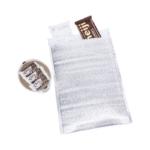
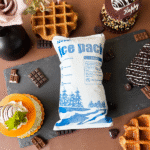
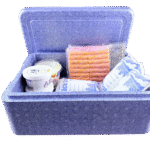
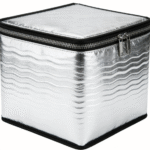
La elección del refrigerante es una de las decisiones más importantes en embalaje de cadena de frío. paquetes de gel, hielo seco, y los paquetes PCM pueden proteger productos sensibles a la temperatura, pero no son intercambiables. La elección correcta depende del rango de temperatura del producto., masa de carga útil, duración de la ruta, riesgo de congelación permitido, Reglas del operador, necesidades de documentación, y experiencia de recepción del cliente.
Para compradores B2B, El objetivo no es elegir el refrigerante más frío.. El objetivo es elegir el refrigerante que mantenga el producto dentro del rango de temperatura requerido durante el tiempo requerido., en condiciones de manipulación realistas, con seguridad aceptable, costo, cumplimiento, y experiencia de marca.
respuesta rapida
Los paquetes de gel suelen ser el punto de partida para los envíos refrigerados y refrigerados.. FedEx describe refrigerantes en gel para productos que deben permanecer entre 34°F / 1°C y 50°F / 10°C. El hielo seco se utiliza cuando los productos deben permanecer congelados., pero se sublima a -78,5°C / -109.3°F y requiere ventilación, calificación, y controles de manejo. Los paquetes PCM se utilizan cuando el paquete necesita una absorción y liberación de calor más controlada alrededor de un rango de cambio de fase específico..
Comparación de refrigerantes respaldados por fuentes
| Tipo de refrigerante | Parámetro respaldado por fuente | Uso óptimo de la cadena de frío | Riesgo clave a controlar |
|---|---|---|---|
| Paquete de gel / gel refrigerante | FedEx describe refrigerantes en gel para envíos que deben permanecer entre 34°F / 1°C y 50°F / 10°C. | Comida fría, tienda de comestibles, kits de comida, mariscos mantenidos por encima del punto de congelación, productos cosméticos, algunos paquetes refrigerados. | Masa de refrigerante insuficiente, riesgo de congelación por contacto directo, condensación, fuga, cartones mojados. |
| hielo seco | El USGS afirma que el hielo seco se sublima a -78,5°C / -109.3°F. | comida congelada, mariscos congelados, helado, materiales ultracongelados, y carriles donde los paquetes de gel no pueden mantener condiciones de congelación. | Presión del gas CO2, ventilación, riesgo de congelación, sobrecongelación, calificación, aceptación del transportista. |
| Paquete de pcm | ScienceDirect define los materiales de cambio de fase como materiales que absorben y liberan grandes cantidades de calor durante el cambio de fase., a menudo cerca de un rango de temperatura estable. | 2-8°C farmacéutica, productos refrigerados de banda estrecha, programas controlados a temperatura ambiente, sistemas premium validados. | Temperatura de cambio de fase incorrecta, mal acondicionamiento, costo, especificación de suministro, necesidades de validación. |
| Paquete de hielo para inyección de agua | Utiliza agua o refrigerante a base de agua que se llena antes de su uso.; El rendimiento final depende del diseño de congelación y envasado.. | Programas de alimentos y abarrotes de gran volumen que necesitan un flete de entrada más bajo y un almacenamiento más fácil en el almacén antes de la hidratación.. | Calidad de llenado, integridad del sello, congelar el tiempo, entrenamiento del operador. |
Cuando las bolsas de gel son el punto de partida adecuado
Los paquetes de gel se utilizan mucho porque son familiares., asequible, y fácil de integrar con bolsas aisladas, cajas de EPS, revestimientos de cajas, Enfriadores de PPE, y cajas de paquetes. Suelen ser la primera opción para los alimentos refrigerados., entrega de comestibles, comidas preparadas, mariscos frescos, productos cosméticos, y pedidos de comercio electrónico refrigerados.
Un pack de gel es apropiado cuando el producto debe permanecer frío pero no necesariamente congelado.. También es útil cuando el cliente receptor espera una limpieza, refrigerante no peligroso. Para kits de comida y entrega de comestibles, la experiencia del usuario final importa: el paquete de gel no debe gotear, mojar demasiado la caja, o hacer que la eliminación sea confusa.
Sin embargo, Los paquetes de gel no son una solución universal.. Un paquete de gel congelado puede crear puntos de congelación locales si entra en contacto con un medicamento., ensalada, chocolate, u otros productos sensibles a la congelación. En el envío de paquetes de verano a larga distancia, Es posible que la masa del paquete de gel deba ser mayor de lo esperado.. En una caja de cartón con aislamiento débil, simplemente agregar más paquetes de gel puede hacer que la caja sea pesada y seguir fallando en la ruta.
Cuando todavía se necesita hielo seco
El hielo seco es la fuente más potente de resfriado común en los envíos de paquetes y aéreos.. Puede mantener productos congelados donde los paquetes de gel solo pueden mantenerlos fríos.. Eso hace que el hielo seco sea relevante para los mariscos congelados, helado, carne congelada, comidas preparadas congeladas, y algunos materiales de laboratorio congelados.
Pero el hielo seco no es sólo una bolsa de gel más fría.. Es dióxido de carbono sólido.. Mientras sublima, se convierte en gas. El embalaje no debe ser hermético y debe permitir la liberación de gas.. PHMSA afirma que paquetes de hielo seco utilizado como refrigerante debe estar diseñado para permitir la liberación de gas para evitar la acumulación de presión y debe estar marcado con el nombre de envío y el número de identificación adecuados., como “hielo seco,"UN1845, y masa neta cuando corresponda. La guía PackSafe de la FAA también establece que los paquetes de hielo seco no deben ser herméticos y deben permitir la ventilación..
El hielo seco también crea riesgos para la calidad del producto. Puede congelar demasiado los productos., Dañar etiquetas o contenedores por frío extremo., y crear un problema de seguridad para los empacadores y receptores.. La guía de UPS para envíos de alimentos y productos perecederos recomienda mantener el contenido separado del hielo seco y usar espuma EPS dentro del embalaje corrugado..
Cuando los paquetes PCM son mejores que los paquetes de gel estándar
Los paquetes PCM son útiles cuando el cliente necesita un mejor control de la temperatura alrededor de una banda elegida. Un material de cambio de fase absorbe calor cuando se funde y libera calor cuando se congela.. Este comportamiento del calor latente puede ayudar a reducir los cambios de temperatura cuando el PCM se selecciona y acondiciona correctamente..
Herramientas útiles para tomar decisiones
Comprueba los detalles antes de elegir el embalaje.
Estas herramientas rápidas pueden ayudarle a comparar el riesgo de la ruta, necesidades de dimensionamiento, opciones de refrigerante, y detalles del embalaje antes de solicitar una cotización.
Selector de embalaje
Compare las opciones de embalaje aislado por producto, ruta, y necesidad de temperatura.
encontrar embalajeResistencia a la caída del material aislante
Revise la resistencia a caídas y los factores de manipulación antes de elegir materiales aislantes..
Comprobar resistenciaReferencia del material aislante
Compare opciones de materiales aislantes para diferentes necesidades de embalaje de la cadena de frío.
Comparar materialesLos paquetes PCM a menudo se consideran para envíos farmacéuticos entre 2 y 8 °C., productos refrigerados controlados, biológicos especializados, y embalajes donde el daño por congelación es una preocupación importante. También son útiles cuando la marca necesita un documento, envasado repetible en lugar de un simple enfoque de “agregar más hielo”.
La desventaja es que los paquetes PCM requieren especificaciones más precisas.. La temperatura de cambio de fase., diseño de contenedores, método de acondicionamiento, diseño de carga útil, y el perfil de prueba debe estar alineado. Si el PCM está acondicionado incorrectamente, puede que no funcione como se esperaba. Por lo tanto, PCM es un componente de diseño de soluciones., no solo un refrigerante básico.
Matriz de decisión para compradores empresariales
| pregunta del comprador | Mejor opción inicial | Por qué |
|---|---|---|
| El producto debe llegar frío pero no congelado.. | Paquete de gel o paquete PCM | Los paquetes de gel son rentables; PCM puede reducir el riesgo de congelación en bandas más estrechas. |
| El producto debe permanecer congelado. | Sistema PCM con hielo seco o congelado | El hielo seco se utiliza habitualmente para envíos congelados., pero requiere ventilación y marcas.. |
| El envío es un medicamento de 2-8°C.. | Paquete PCM o paquete de gel sin congelación | El principal riesgo no es sólo el calentamiento sino también la congelación por el contacto directo con el refrigerante.. |
| La ruta es entrega de comida local.. | paquetes de gel, paquetes de inyección de agua, bolsas o revestimientos aislantes | Menor complejidad regulatoria y mejor manejo del usuario final. |
| La marca quiere envases de marca blanca. | paquetes de gel, paquetes de inyección de agua, bolsas aisladas | Estos componentes pueden admitir la impresión de logotipos e instrucciones de estilo minorista.. |
| La ruta incluye envío aéreo con hielo seco.. | Paquete de hielo seco con revisión de cumplimiento | El envío aéreo requiere ventilación, calificación, y procedimientos de aceptación del transportista. |
| El comprador quiere menores cargas entrantes y almacenamiento en almacén.. | Bolsas de hielo para inyección de agua | Los paquetes se envían compactos antes de llenarlos., luego se hidratan y congelan cerca de su uso.. |
Cómo pensar en la masa refrigerante
La masa de refrigerante no debe copiarse de la caja de un competidor.. La cantidad necesaria depende de la masa del producto., temperatura inicial, aislamiento, dimensiones de la caja, perfil de temperatura ambiente, tiempo de tránsito, y el margen de seguridad. Una caja más grande con más espacio libre necesita una ubicación de refrigerante diferente que una pequeña bolsa aislada. Una comida refrigerada a 2-4°C necesita una estrategia diferente a un pedido de marisco congelado que sale del congelador a -18°C.
Para un primer diseño, crear un presupuesto térmico utilizando la masa del producto, tipo de aislamiento, duración de la ruta, y riesgo ambiental. Luego valide mediante un paquete de muestra con un registrador de datos.. Para clientes empresariales, la especificación final debe incluir el tamaño del refrigerante, cantidad, tiempo de acondicionamiento, colocación, formato de aislamiento, tamaño del cartón, y secuencia de embalaje.
Reglas prácticas de embalaje
| Regla | Solicitud |
|---|---|
| Acondicione previamente el refrigerante y el aislamiento antes de empacar.. | FedEx recomienda congelar los refrigerantes en gel y preenfriar el contenedor aislado cuando sea práctico.. |
| Utilice un revestimiento de plástico y material absorbente donde el agua de deshielo, purga, o puede producirse condensación. | Ayuda a evitar que los cartones se mojen y protege la etiqueta de envío.. |
| Evite el contacto directo entre el refrigerante congelado y los productos sensibles a la congelación.. | Especialmente importante para la medicina., chocolate, producir, y alimentos preparados delicados. |
| Permita que los paquetes de hielo seco se ventilen. | La sublimación de hielo seco crea riesgo de gas y presión. |
| Pruebe el paquete completo, no solo el refrigerante. | El rendimiento del refrigerante depende del aislamiento., carga útil, colocación, y exposición de ruta. |
Preguntas frecuentes
¿Son las bolsas de gel más seguras que el hielo seco??
Para muchos envíos refrigerados, Los paquetes de gel son más fáciles de manejar porque no liberan gas de dióxido de carbono y no requieren marcado con hielo seco.. Sin embargo, los paquetes de gel aún pueden tener fugas, congelar productos sensibles, o crear condensación si el paquete está mal diseñado.
¿Se puede utilizar hielo seco para alimentos refrigerados??
Puede hacer demasiado frío para muchos productos refrigerados.. El hielo seco puede congelar productos que deberían permanecer refrigerados. Usar separación, almacenamiento en búfer, y pruebas específicas del producto si se considera hielo seco para envíos refrigerados.
¿Los paquetes PCM son siempre mejores que los paquetes de gel??
No. Los paquetes PCM son mejores cuando su temperatura de cambio de fase y su método de acondicionamiento coinciden con el envío. Para rutas sencillas y frías, un paquete de gel y un sistema de aislamiento bien probados pueden ser más rentables.
Qué se debe probar antes de la aprobación?
Pruebe el paquete completo: carga de producto, caja de cartón, aislamiento, refrigerante, colocación, acondicionamiento, perfil de ruta, y ubicación del registrador de datos. No apruebe un refrigerante basándose únicamente en su hoja de especificaciones..
Comida final para llevar
paquetes de gel, hielo seco, y los paquetes PCM resuelven diferentes problemas de la cadena de frío. Los paquetes de gel suelen ser los mejores para la distribución refrigerada., El hielo seco se utiliza para paquetes congelados, pero requiere controles de ventilación y transporte., y los paquetes PCM son útiles cuando se necesita una banda de temperatura más estrecha o un diseño sin congelación. El mejor refrigerante es el que mantiene la carga útil dentro del alcance a lo largo de la ruta real., No es el que parece más frío en el papel..