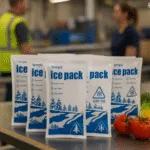
Guía de envasado de la cadena de frío de cangrejo para entrega de mariscos
Embalaje de cadena de frío guía para envíos de cangrejo, cubriendo manipulación refrigerada viva o cocida, humedad, ventilación, protección de presión, colocación de refrigerante, duración de la ruta, pérdidas comunes, y selección de paquetes Tempk.
Por qué el cangrejo necesita un paquete de mariscos específico
Los envíos de cangrejo varían según el estado.. El cangrejo cocido se comporta como un paquete de marisco refrigerado, mientras que el cangrejo vivo necesita un manejo fresco y húmedo y protección contra la congelación y el aplastamiento.. El embalaje de productos del mar debe proteger conjuntamente la temperatura y la calidad visible de recepción.. Un paquete puede llegar frío pero aun así fallar si tiene fugas, huele cálido, aplasta el producto delicado, o moja la caja exterior.
El envasado debe partir de un producto frío., use un forro interior apto para mariscos, mantenga el refrigerante separado del paquete de mariscos, e incluir la recepción de controles de temperatura., olor, goteo, textura, y condición del cartón.
Herramientas útiles para tomar decisiones
Comprueba los detalles antes de elegir el embalaje.
Estas herramientas rápidas pueden ayudarle a comparar el riesgo de la ruta, necesidades de dimensionamiento, opciones de refrigerante, y detalles del embalaje antes de solicitar una cotización.
Referencia del material aislante
Compare opciones de materiales aislantes para diferentes necesidades de embalaje de la cadena de frío.
Comparar materialesResistencia a la caída del material aislante
Revise la resistencia a caídas y los factores de manipulación antes de elegir materiales aislantes..
Comprobar resistenciaGenerador de listas de verificación de cumplimiento
Cree una lista de verificación práctica para la revisión del embalaje, envío, y documentación.
Crear lista de verificaciónTabla de requisitos de embalaje
| Factor de cadena de frío | Requisito de cangrejo |
|---|---|
| Temperatura objetivo | 0-4 C para cangrejo cocido y frío; el cangrejo vivo requiere frescor, húmedo, manipulación sin congelación |
| Humedad y condensación | Alto. Mantenga controladas las fugas de los paquetes de cangrejo cocido; mantenga el cangrejo vivo fresco y húmedo sin agua estancada |
| Preenfriamiento | Cangrejo cocido previamente enfriado; enfríe el cangrejo vivo antes de empacarlo |
| Presión de embalaje | Alto para conchas y garras.; Evite aplastarse con refrigerante u otros paquetes de mariscos. |
| Posición del refrigerante | Coloque paquetes de gel alrededor de la zona del producto con un separador.; Evite el contacto directo con la congelación. |
| Duración del tránsito | Se prefiere el mismo día o el día siguiente para cangrejos vivos.; validado 24-48 h carriles refrigerados para paquetes cocidos |
| Pérdidas comunes | rotura de concha, olor, goteo, producto caliente, estrés del cangrejo vivo, cartones mojados, y malas condiciones de recepción |
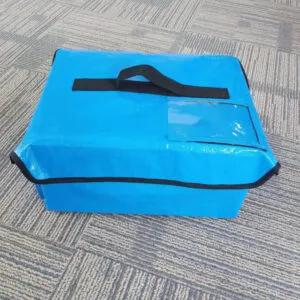
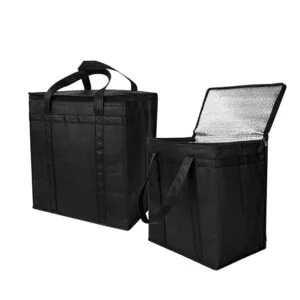
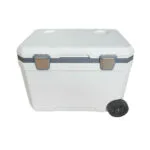
| Respuesta del embalaje Tempk | Transportador de mariscos con aislamiento Tempk y soporte rígido, revestimiento de fuga, paquetes de gel separados, material absorbente, y lista de verificación de recepción específica de la ruta |
Notas de diseño de ruta
Mapea cada punto cálido de la ruta: tiempo de banco de embalaje, traspaso de operador, permanencia en el centro de clasificación, vehículo de entrega habitar, y retraso del receptor. Los mariscos con mucha humedad o de tamaño pequeño pueden calentarse y filtrarse más rápido que los filetes densos., por lo que el diseño interior debe aprobarse con el paquete de venta real.
Utilice revestimientos sellados, capas absorbentes, soporte de bandeja, y separados paquetes de gel donde sea necesario. Para mariscos vivos, Evite el contacto con la congelación y el agua estancada.. Para mariscos procesados refrigerados, centrarse en la temperatura del producto, control de goteo, control de olores, y sequedad del paquete.
recomendación temporal
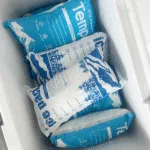
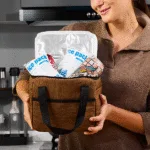
Un paquete típico de mariscos Tempk utiliza un cargador aislado, paquetes de gel acondicionados o mariscos bolsas de hielo, revestimiento a prueba de fugas, almohadilla absorbente, divisor de producto, separador de refrigerante, y un registrador a nivel de producto. Aprobar el embalaje después de comprobar la temperatura., olor, goteo, textura, daños en la carcasa o bandeja, y sequedad del cartón después de la ruta real.