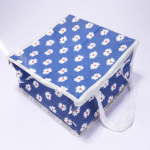
Shrimp and Prawns cadena de frío Packaging Guide for Seafood Delivery
Embalaje de cadena de frío guía para camarones y langostinos, cubriendo la celebración enfriada, control de goteo, preenfriamiento, protección de presión, colocación de refrigerante, duración de la ruta, pérdidas comunes, y selección de paquetes de mariscos Tempk.
Por qué las gambas y los langostinos necesitan un envase de marisco específico
Los camarones y langostinos tienen una gran superficie y sueltan el goteo rápidamente. Un paquete que funciona para un filete de pescado grueso aún puede fallar si los paquetes pequeños se calientan durante la clasificación o se filtran en la caja exterior.. El embalaje de productos del mar debe proteger conjuntamente la temperatura y la calidad visible de recepción.. Un paquete puede llegar frío pero aun así fallar si tiene fugas, huele cálido, aplasta el producto delicado, o moja la caja exterior.
El envasado debe partir de un producto frío., use un forro interior apto para mariscos, mantenga el refrigerante separado del paquete de mariscos, e incluir la recepción de controles de temperatura., olor, goteo, textura, y condición del cartón.
Herramientas útiles para tomar decisiones
Comprueba los detalles antes de elegir el embalaje.
Estas herramientas rápidas pueden ayudarle a comparar el riesgo de la ruta, necesidades de dimensionamiento, opciones de refrigerante, y detalles del embalaje antes de solicitar una cotización.
Calculadora de bolsa de hielo
Estimación de la cantidad de bolsas de hielo en gel para envíos refrigerados y planificación práctica de rutas.
Estimar las bolsas de hieloResistencia a la caída del material aislante
Revise la resistencia a caídas y los factores de manipulación antes de elegir materiales aislantes..
Comprobar resistenciarefrigerante & Referencia PCM
Compare las opciones de refrigerante y PCM cuando una ruta necesite soporte de temperatura adicional.
Comparar opcionesTabla de requisitos de embalaje
| Factor de cadena de frío | Requisito de camarones y langostinos |
|---|---|
| Temperatura objetivo | 0-2 C enfriado, o -18 C o menos cuando se envía congelado |
| Humedad y condensación | Alto riesgo de goteo y olores; Mantenga los paquetes de mariscos sellados y las cajas exteriores secas. |
| Preenfriamiento | Cargue desde el almacenamiento en frío y evite el tiempo en la banca caliente antes de que se cierre el transportista aislado. |
| Presión de embalaje | Medio. Las piezas pequeñas se comprimen fácilmente y pueden filtrarse a través de paquetes minoristas débiles. |
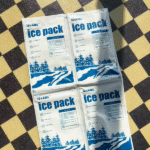
| Posición del refrigerante | Paquetes de gel o bolsas de hielo para mariscos encima y alrededor de la zona de mariscos con una barrera contra fugas |
| Duración del tránsito | el mismo día para 48 h carriles de paquetes refrigerados después de pruebas de ruta a nivel de producto |
| Pérdidas comunes | olor cálido, fuga de goteo, paquetes triturados, mojado de etiquetas, suavizado de textura, y el rechazo del cliente |
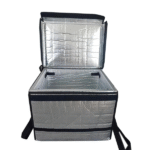
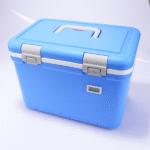
| Respuesta del embalaje Tempk | Transportador de mariscos con aislamiento Tempk y revestimiento interior sellado, paquetes de gel acondicionados, almohadilla absorbente, divisor de producto, y registrador de temperatura |
Notas de diseño de ruta
Mapea cada punto cálido de la ruta: tiempo de banco de embalaje, traspaso de operador, permanencia en el centro de clasificación, vehículo de entrega habitar, y retraso del receptor. Los mariscos con mucha humedad o de tamaño pequeño pueden calentarse y filtrarse más rápido que los filetes densos., por lo que el diseño interior debe aprobarse con el paquete de venta real.
Utilice revestimientos sellados, capas absorbentes, soporte de bandeja, y separados paquetes de gel donde sea necesario. Para mariscos vivos, Evite el contacto con la congelación y el agua estancada.. Para mariscos procesados refrigerados, centrarse en la temperatura del producto, control de goteo, control de olores, y sequedad del paquete.
recomendación temporal
Un paquete típico de mariscos Tempk utiliza un cargador aislado, paquetes de gel acondicionados o mariscos bolsas de hielo, revestimiento a prueba de fugas, almohadilla absorbente, divisor de producto, separador de refrigerante, y un registrador a nivel de producto. Aprobar el embalaje después de comprobar la temperatura., olor, goteo, textura, daños en la carcasa o bandeja, y sequedad del cartón después de la ruta real.