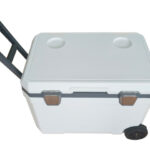
una costumbre caja aislada is the easiest way to stop «random warm arrivals» before they damage your product and your reputation. En ejemplos de campo, Los equipos reducen el deterioro hasta en 28% y uso de refrigerante en aproximadamente 35% después de dimensionar correctamente y estandarizar el embalaje. Cuando diseñas envases según tu ruta real, Reduces excursiones y coste total de envío.. Esta guía le muestra cómo elegir materiales., dimensionar el paquete, y validar el rendimiento para 2026 carriles.
Esta guía te ayudará:
Elija una caja aislada personalizada para envío de cadena de frío que coincida con su banda de temperatura y tiempo de espera
Cree un paquete repetible para su cargador aislado, incluso en turnos ocupados
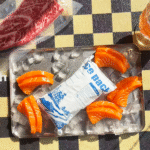
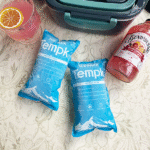
Comparar paquetes de gel frente a PCM para envíos entre 2 y 8 °C sin congelar productos sensibles
Validación del plan con pruebas prácticas. (incluyendo perfiles estilo ISTA y ubicación del registrador)
Mejorar la sostenibilidad con sostenibilidad embalaje aislado 2026 opciones
¿Por qué una caja aislante personalizada es mejor que el embalaje estándar??
Se construye una caja aislada personalizada para su producto, no para condiciones promedio. Coincide con tu rango de temperatura, duración del tránsito, y manejo de riesgos. Ese ajuste reduce los espacios de aire., limita los puentes térmicos, y mejora la consistencia del sello. El resultado son menos picos de temperatura y menos reembolsos.
Los transportistas estándar asumen rutas cortas y clima templado. Los carriles reales incluyen muelles calientes, pistas frías, y retrasos en la última milla. Un diseño personalizado le permite ajustar el grosor, inserciones, y método de cierre para tu peor día realista. Así se convierte el embalaje de un juego de azar en un sistema.
¿Cómo mejora el aislamiento personalizado la estabilidad de la temperatura??
Una caja aislada personalizada reduce la transferencia de calor al reducir el volumen vacío y mejorar el control de contacto.. Less «free air» means less mixing and fewer hot spots. Una mejor tapa y una cavidad más hermética también reducen las fugas de aire caliente.. Obtienes un mayor tiempo de espera con el mismo refrigerante.
| factor de aislamiento | Transportista estándar | Caja aislada personalizada | Lo que significa para ti |
|---|---|---|---|
| Espesor de la pared | Fijado | sintonizado | Mantener la temperatura por más tiempo |
| Ajuste interno | Genérico | Específico del producto | Menos pérdida de frío |
| Calidad del sello | Básico | Diseñado | Menos picos de temperatura |
| Protección de carga útil | Limitado | Optimizado | Menor riesgo de daños |
Consejos prácticos que puedes aplicar ahora
Rutas cortas: Utilice inserciones más ajustadas e inserciones más simples antes de pagar por paredes más gruesas.
Rutas largas: Agregue espesor de aislamiento y reduzca los espacios de aire para estirar cada paquete de gel..
Manejo brusco: Refuerce las esquinas y los bordes para evitar la compresión y la espuma agrietada..
Escenario real: Un transportista de alimentos frescos redujo el deterioro en 28% después de cambiar a una caja aislada personalizada adaptada a la ruta y un embalaje estandarizado.
¿Cómo reduce una caja aislada personalizada el costo total de envío??
Una caja aislada personalizada reduce los costos al prevenir fallas, no usando materiales más baratos. Cuando la temperatura se mantiene por más tiempo, Gastas menos en refrigerante de emergencia y reenvíos.. Cuando el embalaje se vuelve repetible, Reduces las reclamaciones y la carga de atención al cliente.. Esos costos ocultos suelen exceder el precio de la caja..
| Área de costos | Embalaje estándar | Caja aislada personalizada | Impacto del ahorro |
|---|---|---|---|
| Pérdida de producto | Mayor riesgo | Menor riesgo | Protección directa del margen |
| Peso del refrigerante | A menudo excesivo | Sintonizado al carril | Menor gasto en flete |
| Devoluciones & reenvíos | Más frecuente | menos frecuente | Menos reembolsos y retrasos |
| Esfuerzo de cumplimiento | Difícil de probar | Más fácil de documentar | Aprobaciones más rápidas |
| Ciclos de reutilización | Limitado | Diseñado para ciclos | Menor costo por viaje |
Estrategia de costos procesable
Utilice los datos del registrador de temperatura para ajustar el espesor del aislamiento y la masa del refrigerante.
Herramientas útiles para tomar decisiones
Comprueba los detalles antes de elegir el embalaje.
Estas herramientas rápidas pueden ayudarle a comparar el riesgo de la ruta, necesidades de dimensionamiento, opciones de refrigerante, y detalles del embalaje antes de solicitar una cotización.
Calculadora de acumuladores de frío
Estimación de la cantidad de bolsas de hielo en gel para envíos refrigerados y planificación práctica de rutas.
Estimar las bolsas de hieloResistencia a la caída del material aislante
Revise la resistencia a caídas y los factores de manipulación antes de elegir materiales aislantes..
Comprobar resistenciaGenerador de lista de cumplimiento
Cree una lista de verificación práctica para la revisión del embalaje, envío, y documentación.
Crear lista de verificaciónEstandarice los tamaños en todas las familias de productos para reducir el caos de SKU.
Upgrade inserts and SOP before adding «more gel» or «more foam.»
¿Qué debes medir antes de diseñar una caja isotérmica personalizada??
Una caja aislada personalizada funciona mejor cuando se diseña en torno a tres números. Necesitas tu banda de temperatura, su duración puerta a puerta, y tu peor exposición ambiental realista. Si te saltas estas entradas, construirás demasiado o subconstruirás. De cualquier manera, tu pagas por ello.
Comience con el historial de escaneo del operador y los tiempos de tránsito reales. Luego agregue estacionalidad y un margen de retraso para fines de semana y días festivos.. Design for «expected delays,» not the perfect day. Esa mentalidad hace que la caja aislada personalizada sea más confiable y más fácil de validar..
La puntuación de riesgo de carril de 60 segundos
Date a ti mismo 1 point for each «Yes.» This is a quick self-check, no es un informe de laboratorio.
¿Los envíos permanecen afuera durante 30+ minutos en la recogida o entrega?
¿Realizan envíos a través de más de una zona climática??
¿Ves retrasos de 12+ horas al menos una vez al mes?
¿Su producto es sensible a pequeñas variaciones de temperatura??
¿Envían los viernes o antes de los días festivos??
guía de puntuación
0–1: Un cargador aislado básico puede ser suficiente con un simple SOP.
2–3: Probablemente necesite una caja aislada personalizada con paquetes de temporada.
4–5: Planifique un mayor aislamiento, estrategia de refrigerante más fuerte, y pruebas de validación.
Acerca de Tempk
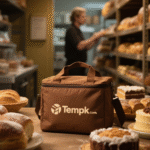
Y Tempk, Diseñamos sistemas de cajas aisladas personalizadas y transportistas con temperatura controlada for real cadena de frío operations. Nos centramos en la eficiencia de los materiales., paquetes repetibles, y documentación lista para la validación. Nuestro equipo le ayuda a diseñar con el tamaño adecuado, reducir el peso del refrigerante, y mejorar la coherencia en líneas de envasado muy ocupadas. Si compartes tu banda de temperatura, tener tiempo, y tipo de carril, Podemos ayudarle a delinear una especificación práctica y personalizada para una caja aislada..
Llamado a la acción: Envíe su perfil de carril y detalles de carga útil para solicitar una revisión de diseño y un plan de prueba piloto..