Cómo hacer que la entrega de leche con temperatura controlada sea eficiente en 2025?
Actualizado en noviembre 30, 2025
Entregar helados y lácteos que se mantengan frescos desde la lechería hasta su puerta requiere precisión. con más de $2.7 billones de tmercancías enviadas con temperatura controlada en camión en 2022, lo que representa 90 % of all modes—and a global food cadena de frío market projected to reach about $65.8 mil millones en 2025, hay mucho en juego. A pesar de este crecimiento, Aproximadamente una quinta parte de los alimentos del mundo todavía se pierde o desperdicia cada año., costando alrededor $1 billón. Esta guía explica cómo construir un sistema de entrega con temperatura controlada que mantenga seguros sus productos de leche., Reduce los residuos y cumple con las últimas normativas.. Aprenderá por qué es importante el control preciso de la temperatura, ¿Qué tecnologías aumentan la eficiencia?, cómo encaja la sostenibilidad en la logística láctea y lo que depara el futuro.
Comprenda por qué el control preciso de la temperatura es vital para la entrega de leche – conocer los requisitos reglamentarios, categorías de temperatura y ejemplos del mundo real.
Aprovecha la tecnología de punta (IoT, IA y gemelos digitales) – descubra cómo los sensores y el análisis predictivo previenen el deterioro y optimizan las operaciones.
Adoptar soluciones de transporte sostenibles y energéticamente eficientes – vea cómo los vehículos frigoríficos y multitemperatura sin diésel reducen los costes y las emisiones.
Optimice rutas y entrega de última milla – explorar tácticas que garanticen la puntualidad, entrega conforme incluso en zonas rurales.
Manténgase por delante de 2025 tendencias y regulaciones – obtener información sobre FSMA 204, blockchain traceability and other developments shaping the cadena de frío.
Por qué es importante el control preciso de la temperatura en la entrega de leche?
Entregar lácteos no es lo mismo que enviar productos secos. Los cambios de temperatura, incluso de unos pocos grados, pueden hacer que la leche se agrie o que el helado pierda su textura cremosa.. A “cadena de frío” is an integrated network of refrigerated storage and transportation that maintains goods within specified temperature limits. A diferencia de las cadenas de suministro tradicionales, cadena de fríos must control specific temperature ranges at every point. The Global cadena de frío Alliance recommends that specifications include numeric tolerances—upper and lower limits—rather than vague terms like “frozen” or “chilled”. La responsabilidad de mantener estas temperaturas es compartida entre el transportista., cargador y transportador.
Categorías de temperatura para productos lácteos
Diferentes productos lácteos requieren diferentes rangos de temperatura. No cumplir con estos puede provocar daños, Inventario desperdiciado y sanciones regulatorias.. La siguiente tabla resume las categorías comunes.:
| Categoría de temperatura | Rango (°C) | Productos lácteos típicos | Lo que significa para ti |
| Congelamiento profundo | –25 a –30 | Helado, postres congelados | Mantiene temperaturas ultrabajas para preservar la textura y evitar cristales de hielo.; crítico para la entrega de helados |
| Congelado | –10 a –20 | lácteos congelados (manteca, bloques de queso) | Retarda el crecimiento microbiano y mantiene estables las proteínas. |
| Enfriar | 2 a 4 | Leche, yogur, queso fresco | Extiende la vida útil sin congelarse; común para las entregas de leche líquida |
| Farmacéutico | 2 a 8 | Biológicos, bebidas probióticas | Mantiene potentes los productos sensibles; requiere pequeños contenedores especializados |
| Plátano/Tropical | 12 a 14 | Algunas leches vegetales | Controla la maduración y previene daños por frío. |
Preenfriamiento y embalaje: tu primera línea de defensa
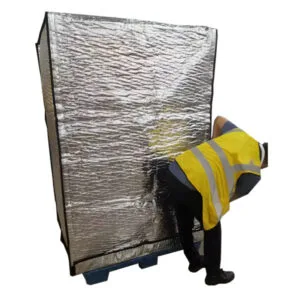
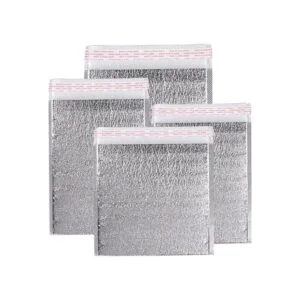
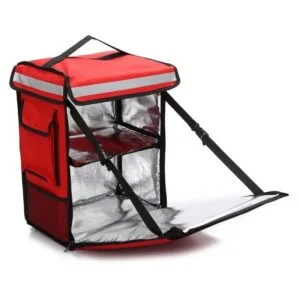
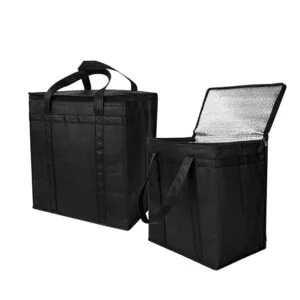
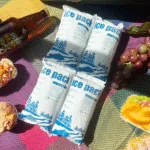
Mantener los productos lácteos frescos comienza inmediatamente después de la producción. El preenfriamiento elimina rápidamente el calor del campo y detiene el crecimiento microbiano; no enfriarse en unas horas puede provocar un rápido deterioro. Materiales de embalaje como cajas aisladas, paquetes de gel y los paquetes al vacío ayudan a mantener la temperatura requerida durante el transporte. Piense en ello como poner sus compras en un hielera: El aislamiento ralentiza la transferencia de calor para que lo que empacas frío permanezca frío por más tiempo..
Almacenamiento en frío y transporte.: algo más que refrigeración
almacenamiento en frío cuentas por más 58 % of food cadena de frío revenue in 2025. Los almacenes modernos utilizan zonas de múltiples temperaturas y atmósferas controladas para ralentizar la respiración y mantener la integridad del producto.. El transporte también debe cumplir estándares estrictos. Los camiones y contenedores refrigerados deben estar preenfriados., cargado rápidamente y sellado para evitar fluctuaciones de temperatura. Por ejemplo, Los transportistas de productos lácteos dedicados emplean vehículos especializados y conductores capacitados para manejar productos sensibles al tiempo y a la temperatura.. Sin estas precauciones, Incluso un viaje corto por la ciudad puede comprometer la calidad..
Seguimiento y trazabilidad: vigilancia constante
Sensores, Los registradores de datos y los sistemas telemáticos rastrean continuamente la temperatura., humedad y ubicación. Internet de las cosas (IoT) El monitoreo envía alertas en tiempo real cuando las condiciones se desvían., Permitir acciones correctivas antes de que ocurra el deterioro.. Los sistemas blockchain pueden registrar datos a prueba de manipulaciones para su trazabilidad. Para los alimentos de alto riesgo, incluidos los quesos blandos y los yogures, EE. UU.. FSMA de la Ley de Modernización de la Seguridad Alimentaria 204 La regla requiere que las entidades que fabrican, procesar o conservar estos elementos para mantener registros detallados de los elementos de datos clave y proporcionarlos dentro de 24 horas. En enero inician procesos de cumplimiento 2025, por lo que incorporar la trazabilidad digital en su proceso de entrega no es opcional: es la ley.
Ejemplo del mundo real: La demanda de lácteos de la India
India illustrates how growing consumption pushes cadena de frío infrastructure. Con un consumo per cápita de lácteos de alrededor 427 g por día, muy por encima del promedio mundial de 305 g—la urbanización y el auge de los restaurantes de servicio rápido han creado una necesidad urgente de una logística de frío fiable. Sin redes robustas, La leche y el helado podrían estropearse durante el transporte., desperdiciar recursos e ingresos. la lección? Incluso las entregas nacionales requieren sistemas profesionales de temperatura controlada para evitar pérdidas..
Consejos y consejos prácticos
Especificar rangos de temperatura exactos para cada producto de leche. Evite descriptores vagos; en cambio, límites superior e inferior del documento, frecuencia de seguimiento y tolerancias.
Preenfriar rápidamente después de la producción. Utilice refrigeración por vacío o abatidores para eliminar el calor antes de cargar.
Utilice almacenamiento multitemperatura para almacenar diferentes productos en sus rangos ideales.
Sellar y preenfriar vehículos antes de cargar. Esto minimiza las fluctuaciones de temperatura durante el tránsito..
Invierta en sensores y registro de datos. El seguimiento en tiempo real reduce el deterioro y respalda la FSMA 204 cumplimiento.
Caso real: Una lechería en la zona rural de Missouri pasó de ser camiones abiertos a remolques refrigerados con registradores de datos. Monitoreando la temperatura continuamente y respondiendo a alertas, redujeron el deterioro en 15 % y conocí a la nueva FSMA 204 requisitos de mantenimiento de registros.
Aprovechando la IoT, Inteligencia artificial y gemelos digitales para una logística de lechería eficiente
Modern cadena de fríos go far beyond a thermostat. A medida que nos adentramos más en 2025, Mantener condiciones ambientales precisas y visibilidad en tiempo real es una expectativa crítica para el negocio., no es un lujo. La logística actual con temperatura controlada incluye supervisión basada en datos, cumplimiento normativo y sostenibilidad ambiental. Tecnologías como los sensores IoT, inteligencia artificial (AI) y los gemelos digitales están transformando la logística de las lecherías.
IoT y sensores inteligentes: siempre encendido, siempre mirando
Dispositivos IoT integrados en camiones, Los contenedores y las zonas de almacén rastrean la temperatura., humedad, choque/vibración, aperturas de puertas y geolocalización. Por ejemplo, Un almacén con temperatura controlada en Milwaukee utiliza sensores inteligentes para monitorear todo, desde alimentos congelados hasta productos médicos sensibles.; Las alertas se activan automáticamente si un contenedor se sale del alcance., ayudando a prevenir el deterioro en tiempo real. Los clientes exigen cada vez más pruebas de que sus productos se mantuvieron dentro de los umbrales de temperatura aceptables.; Los retrasos en la detección pueden provocar la pérdida de producto., retiradas o envíos rechazados. La instalación de sensores en su flota de lecherías garantiza que pueda demostrar el cumplimiento y responder a los problemas antes de que se vuelvan costosos..
IA y análisis predictivo: prevenir problemas antes de que sucedan
La IA no es sólo una palabra de moda; es una herramienta para anticipar riesgos. Los modelos de aprendizaje automático pueden predecir cuándo podrían fallar los equipos de refrigeración, qué rutas u momentos del día son propensos a la variabilidad de la temperatura y cómo los patrones climáticos externos impactan las condiciones de tránsito. Si un modelo predictivo ve que las entregas del lunes por la mañana a lo largo de un corredor en particular tienen un alto riesgo de variaciones de temperatura, Los despachadores pueden redirigir o preenfriar el equipo para mitigar el problema.. La IA también analiza datos históricos para optimizar la planificación de carga y reducir el uso de energía..
El negocio de helados de Unilever demuestra el poder de la IA. La empresa utiliza IA para analizar datos meteorológicos para obtener pronósticos de volumen más precisos y actualizar los niveles de inventario en los congeladores en tiempo real.. Los ejecutivos apuntan a integrar la IA de extremo a extremo, desde proveedores hasta consumidores. Sin embargo, Señalan que mejorar la visibilidad en la última milla sigue siendo un desafío.; Los sensores conectados podrían proporcionar un seguimiento adicional., pero el costo es un obstáculo. La lección para las lecherías más pequeñas? Comience con una IA que ofrezca valor inmediato (como mantenimiento predictivo) y escalar gradualmente a medida que caen los costos de la tecnología.
gemelos digitales: un espejo virtual de su cadena de suministro
La tecnología de gemelo digital crea una réplica virtual de su almacén, camiones o toda la cadena de suministro. Combinando esta réplica con datos en tiempo real de dispositivos IoT, puedes monitorear las operaciones, ejecutar simulaciones e identificar cuellos de botella. Se espera que el mercado mundial de gemelos digitales crezca entre un 30 y un 40 % anualmente, alcanzando entre 125 y 150 mil millones de dólares 2032. Los primeros usuarios utilizan gemelos digitales para la planificación del envío, Utilización de activos y confianza del cliente a través de simulaciones avanzadas.. Los beneficios clave incluyen:
Visibilidad y trazabilidad de extremo a extremo: monitorear los niveles de inventario, rutas de transporte y actividades de almacén en tiempo real.
Análisis predictivo y planificación de escenarios.: ejecutar escenarios “qué pasaría si” para anticipar interrupciones (p.ej., clima extremo o falla del equipo) y desarrollar planes de contingencia.
Colaboración mejorada: proporcionar una plataforma digital compartida donde los proveedores, Los fabricantes y proveedores de logística acceden a datos e información en tiempo real..
Los gemelos digitales también ayudan a optimizar las rutas de transporte cuando se combinan con dispositivos de seguimiento de IoT. Por ejemplo, simulando varios escenarios de enrutamiento y analizando datos en tiempo real, Los proveedores de logística pueden identificar los caminos más eficientes., ajustarse al tráfico o al clima, y reducir el consumo de combustible.
Consejos profesionales para aprovechar la tecnología
Comience con sensores: Instalar sensores de temperatura y humedad en todos los vehículos y unidades de almacenamiento..
Adopte la IA en fases: Comience con el mantenimiento predictivo para evitar fallas en el equipo., luego expandirse a optimización de rutas y pronóstico de demanda.
Construye un gemelo digital: mapee su almacén y flota digitalmente para probar los cambios antes de implementarlos.
Garantizar la interoperabilidad de los datos: Seleccione sistemas que se integren fácilmente., permitiendo una vista unificada de todas las operaciones.
Caso real: Un productor regional de helados creó un gemelo digital de su almacén y flota. Las simulaciones demostraron que reposicionar los congeladores y ajustar las rutas podría reducir el consumo de energía en 10 %. Combinado con mantenimiento predictivo basado en IA, Estos cambios redujeron el deterioro anual en 12 % y ahorró miles de dólares.
Comparing traditional and techenabled cadena de fríos
La diferencia entre prácticas obsoletas y modernas., techenabled cadena de fríos is stark. El almacenamiento tradicional se basa en comprobaciones manuales periódicas y hojas de cálculo en papel., lo que lleva a respuestas reactivas y visibilidad limitada. En contraste, Las operaciones tecnológicas utilizan datos de IoT en tiempo real., sistemas de gestión de almacenes (WMS) con datos en vivo, Alertas predictivas impulsadas por IA y paneles en la nube. Estas herramientas proporcionan 24/7 acceso a niveles de inventario, seguimiento de vencimiento, desviaciones de temperatura y automático., informes listos para auditoría. Investing in technology transforms your cadena de frío from a reactive cost centre into a proactive strategic asset.
Entrega Sostenible y Descarbonización en el Transporte de Lecherías
Los consumidores de hoy se preocupan por el impacto ambiental de sus alimentos.. Las unidades de refrigeración alimentadas por diésel contribuyen a las emisiones de gases de efecto invernadero y aumentan los costos operativos.. Afortunadamente, Hay alternativas sostenibles disponibles., desde sistemas sin diésel hasta almacenes energéticamente eficientes.
Refrigeración sin diésel: lecciones de Fife Creamery
Lechería Fife, un mayorista líder de alimentos refrigerados y congelados en Escocia, proporciona un estudio de caso convincente. La empresa buscó mejorar la eficiencia y la sostenibilidad mediante la sustitución de unidades propulsadas por diésel.. La solución pasó por modernizar su flota con 30 vehículos nuevos sin motor, Sistemas de refrigeración accionados por compresores y sistemas adicionales accionados por inversores.. Los resultados fueron impresionantes:
Reducción del consumo de combustible hasta en 200,000 litros por año.
Emisiones reducidas por 1,929 mtCO2e.
Guardado un estimado $427,280 anualmente.
Para satisfacer las demandas de entregas intensivas y de larga distancia en centros urbanos como Edimburgo y Glasgow, Fife Creamery instaló sistemas de refrigeración multitemperatura sin diésel V800 MAX Spectrum. Estas unidades son aproximadamente 250 kg más ligero que sus equivalentes diésel, aumento de la capacidad de carga útil. La asociación demuestra que la refrigeración sostenible no compromete el rendimiento y destaca cómo la reducción de emisiones y la eficiencia pueden ir de la mano..
Almacenamiento en frío energéticamente eficiente y tecnología verde
El uso de energía es una preocupación medioambiental creciente en la logística del frío. Las empresas están adoptando control de temperatura por zonas (enfriar solo lo que necesita estar frío), Sistemas HVAC de alta eficiencia y ranuras optimizadas para reducir los tiempos de permanencia y los ciclos de manipulación.. Los almacenes con energía solar y la planificación de carga optimizada reducen el uso de combustible en los camiones frigoríficos. Las unidades de refrigeración alimentadas por energía solar amplían el almacenamiento en frío a regiones fuera de la red y reducen los costos operativos. Los materiales de embalaje ecológicos y los paquetes de gel biodegradables reducen aún más la huella ambiental.
Expansión de la industria: Instalaciones multitemperatura de Smart Warehousing
Rapid growth in cadena de frío demand has spurred investment in infrastructure. Almacenamiento inteligente, una empresa de cadena de suministro y almacenamiento, responded to increasing demand by expanding its cadena de frío footprint across multiple new markets—including Jacksonville, reno, Hazleton, Dallas–Fort Worth, Fénix y Atlanta. La compañía anteriormente operaba una única instalación con temperatura controlada, pero agregó varios sitios nuevos para respaldar el cumplimiento a nivel nacional.. Según el director general Carl Wasinger, el soporte de capacidades ampliadas entrega eficiente de última milla, mientras que la tecnología de cumplimiento líder en la industria permite soluciones personalizadas a medida que más marcas pasan a las ventas directas al consumidor.. Estas instalaciones proporcionan almacenamiento multitemperatura de diversos productos refrigerados y congelados., incluyendo lácteos.
Regulaciones e incentivos ambientales
Los marcos regulatorios favorecen cada vez más la sostenibilidad. FSMA 204 fomenta el mantenimiento de registros digitales, mientras que muchas jurisdicciones implementan zonas de bajas emisiones e incentivos para vehículos eléctricos o sin diésel. Mientras los consumidores exigen transparencia y responsabilidad medioambiental, Invertir en tecnología verde no sólo es bueno para el planeta: es una ventaja competitiva.
Herramientas útiles para tomar decisiones
Comprueba los detalles antes de elegir el embalaje.
Estas herramientas rápidas pueden ayudarle a comparar el riesgo de la ruta, necesidades de dimensionamiento, opciones de refrigerante, y detalles del embalaje antes de solicitar una cotización.
refrigerante & Referencia PCM
Compare las opciones de refrigerante y PCM cuando una ruta necesite soporte de temperatura adicional.
Comparar opcionesSelector de embalaje
Compare las opciones de embalaje aislado por producto, ruta, y necesidad de temperatura.
encontrar embalajeCalculadora de hielo seco
Calcule las necesidades de hielo seco para envíos congelados o ultrafríos antes de empacar.
Estimar hielo secoConsejos para una entrega de leche más ecológica
Considere las unidades de refrigeración sin diésel: evaluar sistemas impulsados por compresores sin motor para reducir el consumo de combustible.
Utilice control de temperatura por zonas: enfriar solo las zonas necesarias dentro de los almacenes.
Adoptar soluciones solares y energéticamente eficientes: integrar paneles solares y sistemas HVAC de alta eficiencia.
Optimice la planificación de carga: Reducir los tiempos de permanencia y el tiempo de inactividad de los camiones para reducir las emisiones..
Caso real: Después de instalar unidades de refrigeración sin motor y cambiar al control de temperatura por zonas, una lechería de tamaño mediano redujo su consumo anual de combustible en 18 %, aumento de la capacidad de carga útil y cumplimiento de los objetivos de emisiones en la zona de bajas emisiones de una ciudad.
Optimización de Rutas y Entrega de Última Milla para Productos de Lechería
La entrega de productos lácteos a menudo implica circular por carreteras urbanas muy transitadas, carriles agrícolas rurales y ventanas de entrega estrictas. Cada milla extra aumenta los costos, utiliza más refrigerante y corre el riesgo de desviaciones de temperatura. Por lo tanto, la planificación eficiente de rutas y la gestión del último kilómetro son fundamentales.
alta velocidad, logística integrada
The global cadena de frío has shifted from static storage to logística integrada de alta velocidad. Los clientes ahora esperan socios que puedan navegar por la complejidad global, garantizar el cumplimiento y entregar con rapidez y precisión. El monitoreo en tiempo real proporciona visibilidad continua de la cadena de custodia, logística inversa y prevención de pérdidas. Los proveedores de logística combinan la IA, Geocercas y políticas avanzadas para mitigar el robo de carga.; Por ejemplo, Los conductores pueden evitar detenerse dentro de 200 a 300 millas de los puntos de recogida y confiar en geocercas para detectar desviaciones no autorizadas..
Desafíos en el transporte de lácteos
El transporte de productos lácteos enfrenta obstáculos únicos. Las entregas deben ser confiables., alta calidad y rentable. Las pequeñas fluctuaciones de temperatura pueden provocar daños. Los productores deben hacer frente a las fluctuaciones de la oferta y la demanda y al mismo tiempo cumplir con estrictas normas de seguridad alimentaria.. Muchas granjas lecheras se encuentran en zonas rurales., hacer más complejo el transporte a los mercados urbanos; Las malas condiciones de las carreteras y las limitaciones de la infraestructura se suman al desafío.. La solución radica en servicios de transporte dedicados con vehículos con temperatura controlada y conductores capacitados.. Equipos especializados, como tractores., Remolques de leche a granel y unidades de temperatura controlada: ayudan a mantener la integridad del producto.. Capacitar a los conductores en el manejo de la temperatura y el manejo adecuado es igualmente importante.
Optimización de rutas asistida por IA y visibilidad del último kilómetro
La IA ayuda a planificar rutas que reducen el uso de combustible, acortar los tiempos de tránsito y mantener las entregas dentro de los límites de temperatura. Los algoritmos de optimización de rutas analizan el tráfico, ventanas meteorológicas y de entrega, ajustando en tiempo real. Por ejemplo, La IA puede desviar un camión para evitar la congestión, Preservar la calidad del producto y reducir las emisiones.. Las soluciones Blockchain crean registros a prueba de manipulaciones de los recorridos de los productos, mejorar la trazabilidad y el cumplimiento. Ligero, contenedores de transporte aislados con sensores IoT monitorean la temperatura y la ubicación; Los diseños modulares permiten cargas multitemperatura y reducen los costos de transporte..
La cadena de suministro de helados de Unilever destaca los desafíos del último kilómetro. A pesar de utilizar IA para la previsión y la eficiencia de las fábricas, la empresa sigue buscando una mejor visibilidad en la última milla; Los sensores conectados que envían datos directamente a la nube podrían proporcionar esto., pero los costos siguen siendo una barrera. El monitoreo en tiempo real de todos los camiones también requiere la colaboración con una combinación fragmentada de transportistas.. la comida para llevar? La integración de la tecnología en toda la red de entrega, incluidos los operadores propietarios independientes, es esencial para un seguimiento preciso y un control de la temperatura..
Autoevaluación: ¿Es eficiente su plan de ruta??
¿Analiza el tráfico y el clima antes del envío?? Utilice software de optimización de rutas para evitar retrasos.
¿Sus vehículos tienen el tamaño adecuado?? Los camiones de gran tamaño desperdician combustible; Los camiones de tamaño insuficiente corren el riesgo de sufrir fluctuaciones de temperatura debido al hacinamiento.
¿Realizas un seguimiento de las temperaturas del último kilómetro?? Instale sensores cerca de la puerta y en las áreas de carga para monitorear durante la última milla.
¿Los conductores saben cómo manejar los lácteos?? Ofrecer formación sobre carga., procedimientos de descarga y emergencia.
Caso real: Implementando optimización de rutas basada en IA y capacitando a los conductores., una lechería redujo los tiempos de entrega en 12 %, reducir el uso de combustible en 10 % y entregas puntuales mejoradas a 98 % durante la demanda máxima de verano.
2025 Tendencias y perspectivas futuras para la entrega de leche con temperatura controlada
Descripción general de la tendencia
El panorama de la cadena de frío está evolucionando rápidamente. Las tendencias clave incluyen:
Optimización de rutas y mantenimiento predictivo impulsados por IA: La IA analiza el tráfico, datos meteorológicos e históricos para ajustar rutas y evitar fallas en el equipo.
Blockchain para una trazabilidad mejorada: Libros de contabilidad a prueba de manipulaciones almacenan cada transacción a lo largo de la cadena de suministro, ayudando a cumplir con FSMA 204 requisitos y dar confianza a los consumidores.
Tecnología solar y verde: La refrigeración con energía solar y las unidades energéticamente eficientes reducen la dependencia de los combustibles fósiles y extienden el almacenamiento en frío a regiones fuera de la red.
Ligero, contenedores inteligentes: Contenedores aislados Equipado con sensores IoT monitorea la temperatura y la ubicación en tiempo real., Reducir el peso del envío y permitir cargas multitemperatura..
Gemelos digitales y agentes de IA: Las réplicas virtuales de las cadenas de suministro permiten el monitoreo y el análisis predictivo en tiempo real; Se prevé que el mercado de gemelos digitales crezca entre un 30 y un 40 % anualmente.
Automatización y almacenes oscuros: Los almacenes “oscuros” altamente automatizados utilizan drones y robótica para la gestión de stock. Unilever tiene aproximadamente 10 % de sus heladerías están a oscuras y pretende incrementar este número.
Ajuste regulatorio: FSMA 204 el cumplimiento comienza en enero 2025; Las nuevas reglas requieren un acceso rápido a los datos de temperatura y trazabilidad..
Último progreso de un vistazo
Sensores inteligentes: Encima 70 % de los exportadores de alimentos en América del Norte y Europa ahora utilizan soluciones de monitoreo digital.
Ampliación del almacén: La capacidad de almacenamiento en frío continúa expandiéndose; Creció la capacidad de los almacenes frigoríficos de la India 35 % entre 2020 y 2024, reflejando la inversión global.
Inversión en la industria: Empresas como Smart Warehousing y Americold están invirtiendo en centros de alta velocidad e instalaciones habilitadas con tecnología para reducir los tiempos de permanencia y brindar visibilidad en tiempo real..
Ganancias de sostenibilidad: La flota sin diésel de Fife Creamery reduce las emisiones aproximadamente 1,929 mtCO2e anualmente.
Ideas del mercado
The cadena de frío market is growing due to rising demand for temperaturesensitive goods and tighter regulations. Industrias como las ciencias biológicas., Los alimentos congelados y los productos químicos especiales dependen de controles ambientales ultraconsistentes.. Los consumidores exigen transparencia: saber que sus alimentos son frescos y manipulados de forma segura.. Inversiones en monitoreo digital, La IA y las tecnologías sostenibles posicionan a las empresas para capturar esta demanda y reducir costos.
Preguntas frecuentes
¿A qué temperatura se debe transportar el helado??
El helado debe transportarse en el congelar rango (–25 °C a –30 °C). Esta temperatura ultrabaja preserva la textura y evita la formación de cristales de hielo.. Utilice unidades de refrigeración sin diésel o contenedores aislados con refrigerante adecuado para mantener este rango durante el tránsito..
¿Por qué es importante el preenfriamiento para los productos lácteos??
El preenfriamiento elimina el calor después de la producción., ralentizar el crecimiento microbiano y preservar la calidad. Sin enfriamiento rápido, la leche puede echarse a perder en cuestión de horas. Utilice abatidores o enfriamiento al vacío para alcanzar la temperatura requerida antes de la carga..
¿Cómo funciona FSMA? 204 afectar la entrega de lácteos?
FSMA 204, efectivo en enero 2026 con procesos de cumplimiento a partir de enero 2025, requiere que las entidades que manipulan alimentos de alto riesgo mantengan registros detallados de datos de temperatura y trazabilidad y los proporcionen dentro de un plazo 24 horas. Para proveedores de lácteos, Esto significa instalar sensores y sistemas de registro digital para capturar datos automáticamente..
¿Cuáles son los beneficios de los gemelos digitales en la logística de frío??
Los gemelos digitales crean una réplica virtual de su cadena de suministro para monitoreo y simulación en tiempo real. Proporcionan visibilidad de extremo a extremo, le permite ejecutar escenarios "qué pasaría si", optimizar rutas y diseños y mejorar la colaboración entre las partes interesadas.
¿Cómo puedo reducir el impacto ambiental de la entrega de leche a domicilio??
Elija unidades de refrigeración sin diésel, Adoptar control de temperatura por zonas e integrar sistemas HVAC solares o de alta eficiencia.. Optimice la planificación de carga y las rutas para reducir el uso de combustible y las emisiones.. Usar envases ecológicos e invertir en monitoreo digital puede reducir aún más los residuos y su huella de carbono..
Resumen y recomendaciones
La entrega eficiente de leche a temperatura controlada requiere algo más que refrigeración: exige una estrategia holística que combine una gestión precisa de la temperatura., tecnología avanzada, sostenibilidad y logística inteligente. Las conclusiones clave incluyen:
El control preciso de la temperatura y el preenfriamiento son fundamentales. Utilice especificaciones de temperatura numéricas, preenfriar rápidamente y monitorear durante todo el viaje.
Invierta en IoT, IA y gemelos digitales. Los sensores y el análisis predictivo brindan visibilidad en tiempo real y previenen problemas antes de que ocurran. Los gemelos digitales le permiten probar escenarios y optimizar operaciones.
Adoptar el transporte y el almacenamiento sostenibles. Unidades de refrigeración sin diésel, El control de temperatura por zonas y los sistemas asistidos por energía solar reducen los costos y las emisiones..
Optimice rutas y entrega de última milla. Utilice IA para planificar rutas eficientes y equipar vehículos con sensores y conductores capacitados. Colaborar con operadores para ampliar el monitoreo en tiempo real en toda la red.
Prepárese para las regulaciones y tendencias cambiantes. FSMA 204 exige trazabilidad y registros digitales. Tendencias emergentes como los gemelos digitales, blockchain y los almacenes oscuros remodelarán las operaciones.
Próximos pasos viablesAudite su cadena de frío actual: mapee cada paso desde la producción hasta la entrega y documente los requisitos de temperatura y las lagunas de datos.
Instalar tecnología de monitoreo: equipar el almacenamiento y los vehículos con sensores; integrar datos en una plataforma central para visibilidad en tiempo real.
Implementar mantenimiento predictivo y optimización de rutas.: Utilice herramientas de inteligencia artificial para evitar fallas en los equipos y planificar rutas de entrega eficientes..
Actualícese a equipos energéticamente eficientes: Explore las unidades de refrigeración sin diésel, Control de temperatura por zonas y sistemas con soporte solar..
Desarrollar un plan de cumplimiento para FSMA 204: establecer el mantenimiento de registros digitales y asignar responsabilidades para la recopilación y presentación de informes de datos.
Listo para mejorar la entrega de lechería? Comience con un pequeño piloto: instale sensores en un vehículo, Adoptar software de optimización de rutas y medir los resultados.. Amplíe estrategias exitosas en toda su flota.
Acerca de Tempk
Tempk es líder en embalaje aislado and cadena de frío solutions, Ayudar a las empresas a entregar productos sensibles a la temperatura de forma segura y eficiente.. Ofrecemos una gama de productos, desde paquetes de gel y revestimientos aislados a contenedores inteligentes, que mantienen temperaturas óptimas para los lácteos, productos farmacéuticos y otros productos perecederos. Nuestro enfoque basado en la investigación garantiza que usted obtenga envases reutilizables, Reciclable y compatible con las últimas normativas.. With extensive expertise in the cadena de frío, Podemos ayudarle a diseñar una solución integral que reduzca el desperdicio., mejora la sostenibilidad y mantiene a sus clientes satisfechos.
Llamado a la acción
Para garantizar que sus productos de leche lleguen a los consumidores frescos y conformes, consulta a nuestros expertos. Contact Tempk today for a personalised cadena de frío assessment y descubra cómo nuestras soluciones innovadoras pueden mejorar su red de entrega.