¿Cómo puede Envasado de leche con temperatura controlada. seguir siendo asequible en 2025?
Actualizado en noviembre 30, 2025
Cuando diriges una lechería, cada gota de leche, El queso o yogur que enviéis es precioso.. No puede permitirse productos estropeados ni costes de embalaje altísimos. Afortunadamente, existen opciones asequibles de envasado de leche con temperatura controlada que protegen la calidad y al mismo tiempo respaldan su presupuesto y sus objetivos de sostenibilidad.. Lo global embalaje de cadena de frío el mercado subió a aproximadamente A NOSOTROS $27.7 mil millones en 2025 y los analistas esperan que alcance A NOSOTROS $102.1 mil millones por 2034, demostrando lo rápido que está evolucionando la industria. Esta guía desglosa las mejores soluciones para las operaciones de lechería y muestra cómo mantener los productos seguros sin gastar de más..

Comprenda por qué el control estricto de la temperatura es fundamental para la leche, queso y yogur, y qué rangos de temperatura importan (0–4 ºC).
Compare opciones de embalaje asequibles como cajas aisladas, Refrigerantes en gel y envases reutilizables., y vea cómo las tendencias del mercado están impulsando los precios.
Descubra cómo los materiales sostenibles, como el aislamiento a base de papel y los refrigerantes de origen vegetal, reducen los costes de residuos y eliminación..
Explorar 2025 tendencias en tecnología de cadena de frío, incluyendo sensores inteligentes, kits listos para usar y planificación basada en datos.
Obtenga consejos prácticos y una lista de verificación interactiva para elegir el empaque que se ajuste al volumen de su lechería, tipo de producto y presupuesto.
¿Por qué es importante el control de la temperatura en los productos de leche??
Mantener la frescura y la seguridad no es negociable.. Los productos lácteos se echan a perder rápidamente cuando se exponen a temperaturas superiores a 0-4 °C. (32–40 °F) rango. La leche puede albergar bacterias dañinas si se rompe la cadena de frío, mientras que la textura del queso cambia y el yogur se puede separar. Las agencias reguladoras exigen un control estricto de la temperatura para prevenir enfermedades transmitidas por los alimentos y proteger la salud pública..
La ciencia detrás del deterioro
Los productos lácteos son ricos en proteínas., grasa y humedad, convirtiéndolos en un caldo de cultivo perfecto para patógenos. Cuando un envío se calienta por encima 4 °C, las bacterias se multiplican rápidamente; abajo 0 °C, Los productos pueden congelarse y degradar la calidad.. Manteniendo el Encerrada dorada zona conserva el sabor, textura y valor nutricional.
| Parámetro | Rango óptimo | Impacto de la desviación | Lo que significa para ti |
| Temperatura (leche) | 1–4 ºC | Arriba 4 °C acelera el crecimiento bacteriano; abajo 0 °C provoca la cristalización | Mantiene la leche segura y cremosa. |
| Temperatura (queso) | 2–7 ºC | El calor produce moho; La congelación altera la textura. | Conserva el sabor y evita el desperdicio. |
| Temperatura (yogur) | 1–5 ºC | El calor causa separación.; La congelación mata las culturas. | Mantiene la actividad probiótica. |
Ejemplo del mundo real: pequeña lechería en California
Una lechería boutique en California envía queso artesanal a clientes de todo el país. Durante una ola de calor de verano, Un envío permaneció en un muelle de carga durante cuatro horas sin aislamiento.. El queso llego estropeado., costando a la empresa cientos de dólares y dañando la confianza del cliente. Después de cambiar a compostable cargadores aislados y refrigerantes en gel que mantienen la temperatura durante 72 horas, la lechería redujo el deterioro a casi cero y mejoró los márgenes.
Más allá de la seguridad: reputación de la marca
El control de la temperatura no es sólo una cuestión de cumplimiento; es parte de la promesa de tu marca. Los consumidores valoran cada vez más los envases sostenibles y fiables. En un informe reciente, 90 % de los consumidores dijeron que es más probable que compren marcas que utilizan embalaje sostenible. No cumplir con las expectativas puede dañar su reputación y sus ventas..
¿Qué opciones asequibles de envasado con temperatura controlada funcionan mejor para las lecherías??
Tienes más opciones de las que crees. De simple revestimientos aislados a contenedores reutilizables avanzados, hay opciones para cada presupuesto. The cadena de frío market segments packaging into contenedores aislados, transportistas de paletas, refrigerantes y dispositivos de monitoreo. Los contenedores aislados representan aproximadamente 40 % de cuota de mercado, mientras que los transportistas de paletas compensan 25 %. Comprender estas categorías le ayudará a elegir la solución adecuada.
Cajas y revestimientos aislados: el caballo de batalla del presupuesto
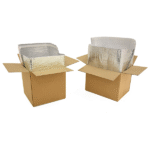
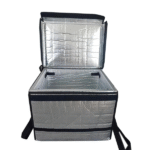
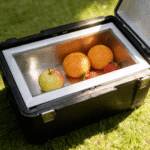
Los cartones y revestimientos aislados son la solución más común para los envíos de lácteos. Son livianos, fácil de montar y rentable. Muchos están hechos de poliestireno expandido. (EPS) espuma o papel reciclable. Sin embargo, La espuma EPS crea desafíos de eliminación. Más nuevo basado en papel materiales aislantes Proporcionan un rendimiento térmico comparable y pueden reciclarse.. Estos materiales reducen los desechos de los vertederos y pueden reducir las tarifas de eliminación..
| Opción | Características | Consideraciones de costos | Mejor para |
| Cajas de espuma EPS | Buen aislamiento, precio de compra bajo | Difícil de reciclar; tarifas de eliminación | Envíos grandes con baja tasa de devolución |
| Forros a base de papel | Reciclable, peso más ligero | Costo inicial ligeramente mayor pero menor costo de eliminación | Entregas regionales, marcas ecoenfocadas |
| Transportadores Biocooler® | Aislamiento compostable fabricado con biomasa | Mayor costo inicial; Reduce el desperdicio | Productos de primera calidad, granjas organicas |
Refrigerantes en gel y bolsas de hielo.
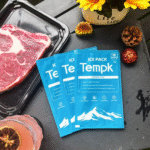
Los agentes refrescantes son esenciales. paquetes de gel, materiales de cambio de fase (PCM) y el hielo seco mantiene los productos fríos. Refrigerantes en gel NatureIce™ No son tóxicos y mantienen temperaturas frías constantes sin fugas.. para queso, una regla general es utilizar 2–3 libras de paquetes de gel por 5 libras de queso. Los PCM pueden ser más caros pero mantienen la temperatura durante períodos más largos. Al enviar productos congelados, El hielo seco es efectivo pero puede generar preocupaciones sobre materiales peligrosos..
Contenedores reutilizables: ahorros a largo plazo
Los contenedores reutilizables con temperatura controlada utilizan carcasas duraderas y refrigerantes reemplazables.. A menudo integran sensores de IoT para el seguimiento.. El El mercado de envases reutilizables llegó a EE. UU. $2.5 mil millones en 2024 y se espera que se duplique 2033. Si bien el costo inicial es mayor, La devolución de contenedores para múltiples viajes reduce el costo total de propiedad y el desperdicio.. Las opciones reutilizables son mejores para rutas de gran volumen con logística de devolución confiable.
Sellado al vacío (criovac) para lácteos
El sellado al vacío elimina el oxígeno, prevenir el deterioro y extender la vida útil. El envasado Cryovac utiliza bolsas de alta barrera y maquinaria especializada; Crea una piel apretada alrededor de los productos y reduce el uso de material.. Para queso o mantequilla de alto valor, El sellado al vacío puede reducir drásticamente los residuos y permitir la fabricación de productos más pequeños., embalaje exterior más ligero.
Envases en atmósfera modificada y bolsas flexibles.
Los envases en atmósfera modificada reemplazan el oxígeno con gases inertes para frenar el crecimiento microbiano. Las bolsas y bolsitas flexibles están ganando popularidad porque son fáciles de manejar, personalizable y requiere menos material. Las bolsas verticales con cremalleras que se pueden volver a cerrar y muescas para rasgar mejoran la comodidad y el atractivo en los estantes.. Sin embargo, Las bolsas brindan menos protección física durante el transporte y a menudo necesitan amortiguación adicional..
Equilibrar coste y rendimiento
Su elección debe considerar el tamaño del envío, distancia, clima y presupuesto. Los transatlánticos aislados son baratos pero pueden no durar mucho en rutas largas. Los contenedores reutilizables ofrecen una fuerte protección y pueden reducir los costos con el tiempo.. Los paquetes de gel son asequibles para distancias moderadas, mientras que los PCM y el hielo seco son adecuados para envíos largos o congelados. Muchos proveedores ofrecen kits térmicos premontados que reducen los costes laborales y los errores.
Consejos prácticos para seleccionar el embalaje
Evalúe el rango de temperatura de su producto: La leche y el yogur requieren entre 0 y 4 °C., mientras que la mantequilla puede tolerar temperaturas ligeramente más altas. Elija refrigerantes en consecuencia.
Calcular el peso del refrigerante: Utilice 2 a 3 libras de gel por 5 libras de queso.
Considere la logística de devolución: Si tienes una ruta constante, Los contenedores reutilizables pueden reducir los costos a largo plazo..
Comprobar el cumplimiento normativo: El embalaje debe cumplir estándares como ISTA 7D y Buenas Prácticas de Distribución. (PIB).
Equilibrio ecoimpacto y precio: Los materiales reciclables y compostables pueden costar más por adelantado, pero ahorran dinero en su eliminación y mejoran la reputación de la marca..
Estudio de caso: Después de pasar de un solo uso cajas de espuma a bolsas aislantes reutilizables con paquetes de gel, una lechería de tamaño mediano redujo los costos de empaque previo al envío en 15 % encima 18 meses y reducir las tarifas de eliminación de residuos, manteniendo la integridad de la temperatura durante 48 horas.
¿Cómo afecta la sostenibilidad a la asequibilidad de los envases??
La sostenibilidad no es sólo un objetivo para sentirse bien: puede reducir los costos. Los materiales tradicionales como la espuma EPS crean dolores de cabeza en la gestión de residuos. Nuevos materiales ecológicos como aislamiento de papel reciclable, Los productos repulpables y los paquetes de gel no tóxicos reducen los costos de eliminación.. Las empresas que adoptan estas soluciones a menudo descubren que Los materiales sostenibles cuestan menos para eliminar y reducen el peso del embalaje.. El embalaje liviano reduce los costos de envío al reducir los cargos por peso dimensional.
Opciones de aislamiento ecológicas
NaturePack's Bioenfriador® utiliza aislamiento a base de plantas que se biodegrada e incluso absorbe CO₂. Combinado con Refrigerantes en gel NatureIce™, mantiene la leche, queso y yogur fríos minimizando el desperdicio. Muchos envíos compostables pueden eliminarse en flujos de desechos orgánicos., evitando tarifas de vertedero. El aislamiento a base de papel también permite a los clientes reciclar los envases en casa..
Demanda del consumidor y valor de la marca.
La sostenibilidad resuena en los clientes. Según el estudio de Shorr Packaging, 90 % de los consumidores tienen más probabilidades de comprar marcas con envases sostenibles y más de la mitad había comprado dichos productos en los seis meses anteriores. Las marcas que invierten en envases ecológicos a menudo ven una mayor lealtad y pueden obtener precios superiores.. Sin embargo, Deben asegurarse de que el embalaje aún proteja el producto..
Presiones regulatorias y de mercado
Los gobiernos están introduciendo regulaciones de embalaje más estrictas. Muchas jurisdicciones gravan los plásticos de un solo uso o exigen a los productores que paguen por programas de reciclaje. El embalaje sostenible le ayuda a evitar multas y prepara su negocio para el futuro. Un cambio hacia opciones más ecológicas también ha impulsado la innovación y la inversión en nuevos materiales.; La infraestructura de la cadena de frío se está expandiendo en las regiones en desarrollo., hacer que las soluciones sostenibles sean más accesibles.
¿Qué tecnologías y tendencias están dando forma al envasado de leche con temperatura controlada en 2025?
La industria de la cadena de frío está experimentando una rápida transformación. Las innovaciones mejoran el rendimiento, reducir costos y mejorar la experiencia del cliente.
Monitoreo inteligente de temperatura e IoT
El monitoreo en tiempo real ahora es asequible. Los registradores Bluetooth y los sensores IoT registran la temperatura, humedad y ubicación y enviar alertas cuando se superan los umbrales. El monitoreo inteligente proporciona alertas inmediatas, documentación de cumplimiento y datos para la toma de decisiones. Para envíos de lácteos de alto valor, El monitoreo de extremo a extremo puede prevenir pérdidas y generar confianza en el cliente.. Muchos contenedores reutilizables ahora integran ranuras para sensores, haciendo la adopción más fácil.
Kits de embalaje listos para usar
Los kits térmicos precalificados agilizan las operaciones. Estos kits combinan caja., Revestimiento y refrigerante en un solo paquete.. Reducen la complejidad del inventario, acelerar la incorporación y Menor riesgo de errores de embalaje durante las temporadas altas.. Para pequeñas lecherías con personal limitado, Los kits listos para usar pueden ahorrar mucho tiempo y reducir errores que provocan deterioro..
Planificación de la cadena de frío basada en datos
Las empresas están aprovechando la analítica para optimizar las opciones y rutas de embalaje. El modelado predictivo utiliza pronósticos meteorológicos., tiempos de tránsito y rendimiento del transportista para seleccionar rutas óptimas de embalaje y envío. La planificación basada en datos mejora la seguridad y reduce los costos. Las lecherías pueden ajustar las cantidades de los paquetes de gel según la temporada o el destino., evitando el sobreembalaje y el peso innecesario.
Personalizado, embalaje de marca
El packaging se ha convertido en una herramienta de marketing. Impresión personalizada bolsas térmicas y cajas refuerzan su marca y crean una experiencia de unboxing memorable. Embalaje de marca mejora el reconocimiento, genera confianza en el consumidor y diferencia sus productos. Mientras que la impresión personalizada añade costes, puede justificarse cuando se venden quesos artesanales premium o cajas de suscripción. Las tecnologías de impresión digital han reducido las cantidades mínimas de pedido, hacer que la marca sea accesible para las lecherías más pequeñas.
Directo al consumidor (DTC) mejoramiento
El auge de los kits de comida, cajas de suscripción y comercio electrónico requieren más pequeñas, Embalaje ligero que resiste las condiciones de entrega residencial.. La optimización de DTC aborda ventanas de entrega extendidas, manejo no especializado, conveniencia de eliminación y restricciones de costos. El embalaje debe ser fácil de desembalar y reciclar para los clientes manteniendo la temperatura durante 24 a 48 horas..
Envases primarios flexibles para lácteos
El embalaje primario toca el producto., por lo que las mejoras impactan directamente en la calidad del producto. Se prevé que el mercado de envases de productos lácteos supere $51 mil millones por 2032. La industria está cambiando hacia bolsas flexibles, bolsitas y bolsas porque son más fáciles de manejar, personalizable y más sostenible. Las bolsas verticales con cremalleras que se pueden volver a cerrar ofrecen comodidad y un gran atractivo en los estantes.. Sin embargo, Las empresas deben asegurarse de que estos paquetes flexibles sigan protegiendo contra daños físicos..
Films reciclables y monomateriales
Proveedores líderes como TC Transcontinental y MULTIVAC invierten en polietileno orientado biaxialmente (BOPE) películas y estructuras monomateriales totalmente reciclables. Estos materiales mantienen propiedades de barrera y al mismo tiempo cumplen los objetivos de economía circular.. Mientras la legislación restringe los plásticos multimaterial, Los envases monomateriales se convertirán en la norma..
Herramientas útiles para tomar decisiones
Comprueba los detalles antes de elegir el embalaje.
Estas herramientas rápidas pueden ayudarle a comparar el riesgo de la ruta, necesidades de dimensionamiento, opciones de refrigerante, y detalles del embalaje antes de solicitar una cotización.
Evaluador de riesgo de ruta
Revise las condiciones del carril antes de seleccionar el embalaje para requisitos operativos reales..
Comprobar riesgo de rutaResistencia a la caída del material aislante
Revise la resistencia a caídas y los factores de manipulación antes de elegir materiales aislantes..
Comprobar resistenciaRevestimiento de caja & Dimensionamiento de la cubierta de paleta
Lógica de tamaño de revestimiento de cajas y cubiertas de paletas para proyectos de embalaje aislado.
Estimar el tamañoLista de verificación interactiva: elegir el packaging de tu lechería
Utilice esta lista de verificación para evaluar opciones según sus necesidades específicas. asignar una puntuación (1–5) para cada criterio y comparar soluciones. Las puntuaciones más altas indican un mejor ajuste.
| Criterio | Peso | Caja de espuma | Forro de papel | Bioenfriador compostable® | Contenedor reutilizable |
| Rendimiento térmico (tener tiempo) | 25 % | 4 | 3 | 4 | 5 |
| Costo de compra por envío | 25 % | 5 | 4 | 2 | 3 |
| Costo de eliminación/devolución | 15 % | 2 | 4 | 5 | 4 |
| Sostenibilidad/percepción de marca | 15 % | 1 | 4 | 5 | 4 |
| Facilidad de montaje | 10 % | 3 | 4 | 4 | 2 |
| Reutilizabilidad/longevidad | 10 % | 1 | 2 | 3 | 5 |
Ejemplo: Una lechería que envía semanalmente a los mercados de agricultores locales podría priorizar el bajo costo de compra y la facilidad de ensamblaje.. El soporte de papel obtiene una buena puntuación en estos puntos y proporciona un equilibrio entre sostenibilidad y asequibilidad.. Un quesero orientado a la exportación puede valorar el rendimiento térmico y la sostenibilidad, hacer de los contenedores reutilizables o Biocooler® la mejor opción.
Consejos y consejos prácticos
Para ventas en tiendas agrícolas: Utilice bolsas para llevar aisladas y ligeras con paquetes de gel. Los clientes pueden reutilizarlos, reforzando tu marca.
Para servicios de suscripción: Considere kits listos para usar con revestimientos de marca. Simplifican el cumplimiento y mejoran el atractivo del unboxing.
Para distribución mayorista: Invierta en transportistas de palés reutilizables con sensores IoT para rutas de gran volumen. Asegúrese de tener un plan de logística inversa para recoger los envases vacíos..
Para envíos de exportación: Utilice envases sellados al vacío o en atmósfera modificada combinados con cajas aisladas duraderas.. Emparéjelo con PCM si el tránsito excede 72 horas.
Ejemplo del mundo real: Un exportador europeo de queso adoptó aislamiento a base de papel con paquetes de gel no tóxico y registradores Bluetooth integrados. El cambio redujo el peso total del envío en 20 %, reducir los costos de flete, y los clientes elogiaron el embalaje reciclable. Los registros de datos mostraron que las temperaturas se mantuvieron dentro del rango de 2 a 8 °C durante el tránsito, mejorar la documentación de cumplimiento.
Últimas novedades y tendencias en envases a temperatura controlada. (2025)
El rápido crecimiento de la industria está impulsado por la demanda mundial de productos farmacéuticos., biológicos y alimentos frescos. El Se prevé que el mercado de soluciones de envasado con temperatura controlada llegue a EE. UU. $48.9 mil millones en 2025 y podría superar A NOSOTROS $110.2 mil millones por 2034. Varias tendencias dominan 2025:
La ecoinnovación se acelera
Aislamiento de fibra y papel reciclable: Los fabricantes lanzan soluciones basadas en papel que rivalizan en rendimiento con la espuma y son más fáciles de reciclar.
Aislamiento de biomasa compostable: Productos como los transportadores compostables Biocooler® absorben CO₂ y se degradan de forma natural.
Películas monomateriales: Los proveedores invierten en polietileno orientado biaxialmente para crear bolsas y tapas reciclables.
Crece la integración tecnológica
Sensores IoT y registradores Bluetooth: Los sensores asequibles permiten seguimiento y alertas en tiempo real.
Análisis de datos: Los modelos predictivos optimizan las rutas y el embalaje en términos de costo y rendimiento..
Plataformas de embalaje inteligentes: El software integra datos de monitoreo con sistemas de gestión de almacenes para una visibilidad de extremo a extremo.
Cambios en el mercado
América del Norte lidera: La sólida producción farmacéutica y los servicios de comestibles impulsan la demanda, mientras que Asia-Pacífico es la región de más rápido crecimiento.
Aumentan las soluciones reutilizables: Se espera que el mercado reutilizable se duplique 2033.
Sostenibilidad impulsada por el consumidor: La alta preferencia de los consumidores por los envases sostenibles influye en el desarrollo de productos.
Desafíos y oportunidades
Presiones de costos: Los materiales y sensores avanzados aumentan los costos unitarios entre un 15 y un 20 %, pero los ahorros en reducción de residuos y cumplimiento los compensan.
Complejidad regulatoria: Las regulaciones más estrictas para el envío de alimentos y productos farmacéuticos requieren embalaje y documentación validados..
Restricciones de última milla: Las entregas de DTC requieren, embalaje más ligero y logística inversa eficiente.
Preguntas frecuentes
Q1: ¿Cuánto refrigerante necesito para enviar queso de forma segura??
Usar 2–3 libras de refrigerantes en gel por 5 libras de queso para mantener una temperatura estable durante el tránsito. Ajuste según las condiciones ambientales y el tiempo de tránsito.
Q2: ¿Cuál es la diferencia entre paquetes de gel y PCM??
Los paquetes de gel son económicos y adecuados para duraciones cortas y medias.. Materiales de cambio de fase (PCM) mantener temperaturas precisas durante períodos más largos pero cuesta más. Elija PCM para envíos que excedan 48 horas o rangos de temperatura extremos.
Q3: ¿Son las cajas aislantes compostables lo suficientemente duraderas??
Sí. Productos como Biocooler® combina aislamiento de alto rendimiento con materiales de origen vegetal. Mantienen la temperatura y se biodegradan al final de su vida., Reducción del impacto ambiental.
Q4: ¿Cómo puedo garantizar el cumplimiento de las normas de envío??
Embalaje seleccionado probado según estándares como ISTA 7D y Buenas Prácticas de Distribución. Utilice sensores de IoT para monitorear la temperatura y mantenga registros para demostrar el cumplimiento.
Q5: ¿El embalaje sostenible aumentará mis costos??
Si bien los materiales ecológicos pueden tener precios de compra más altos, ellos a menudo Cuesta menos eliminarlo y reduce el peso total del envío., lo que reduce los costos de flete. La mejora de la percepción de la marca también puede impulsar las ventas..
Resumen y recomendaciones
Los envases asequibles para cremas con temperatura controlada están a su alcance cuando comprende los requisitos de su producto y aprovecha las nuevas tecnologías.. El mercado de la cadena de frío está creciendo rápidamente, y los analistas proyectan un salto desde A NOSOTROS $27.7 mil millones en 2025 a más de EE.UU. $102 mil millones por 2034. Cajas aisladas, refrigerantes en gel, y los contenedores reutilizables tienen sus ventajas; elegir según el tamaño del envío, distancia, y presupuesto. Los materiales sostenibles, como los revestimientos a base de papel y el aislamiento a base de plantas, reducen los costos de eliminación y atraen a los consumidores conscientes del medio ambiente.. Sensores inteligentes, Los kits preensamblados y el análisis de datos simplifican las operaciones y reducen el desperdicio..
Plan de acción:
Audite sus envíos actuales para comprender los requisitos de temperatura y los tiempos de tránsito.
Experimente con aislamiento a base de papel o compostable combinado con paquetes de gel no tóxicos para entregas locales.
Para rutas de alto volumen, evaluar contenedores reutilizables con monitoreo de IoT para reducir costos a largo plazo.
Implementar kits preensamblados para servicios de suscripción para agilizar el embalaje y reducir errores..
Capacite al personal sobre el uso adecuado de los paquetes de gel y supervise los envíos mediante registradores Bluetooth..
Equilibrando el rendimiento térmico, costo y sostenibilidad, puedes entregar fresco, Deliciosos productos lácteos mientras proteges tus finanzas y el planeta..
Acerca de Tempk
Tempk es innovador en envasado de cadena de frío. Ofrecemos cajas aisladas, Refrigerantes en gel y recipientes reutilizables diseñados para mantener seguros los productos sensibles a la temperatura.. Nuestras soluciones ayudan a las lecherías, Las empresas farmacéuticas y las empresas alimentarias mantienen rangos de temperatura precisos durante el envío.. Priorizamos la sostenibilidad aportando materiales reciclables y compostables. Nuestros ingenieros trabajan con los clientes para desarrollar soluciones personalizadas que equilibren el rendimiento., costo e impacto ambiental.
Listo para actualizar el empaque de su lechería? Póngase en contacto con Tempk para obtener asesoramiento experto sobre cómo elegir la solución de temperatura controlada adecuada para sus productos.. Le ayudaremos a proteger la calidad, reduzca el desperdicio y deleite a sus clientes.