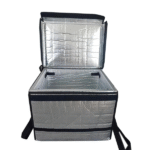
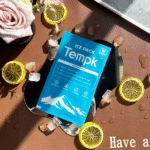
Enzyme replacement therapies are high-value biologic medicines that often move through specialty pharmacy, hospital, infusión casera, and clinical distribution lanes. The packout should protect the refrigerated range, avoid freeze contact, protect fragile vials and cartons, and create a clear temperature record for receiving. Because dose value and patient timing can be high, the route plan must be more controlled than an ordinary chilled parcel.
Enzyme replacement therapy planning data
| Rango objetivo típico | Many enzyme replacement therapies require 2-8 C refrigerated handling; always follow the approved label and local SOP. |
|---|---|
| Control de humedad | Protect vial cartons, inserciones, and labels from condensation because receiving teams may need clean lot and expiry data. |
| Preenfriamiento | Use preconditioned shippers, refrigerante, and separators; avoid loading product during prolonged room-temperature staging. |
| Presión de embalaje | Use vial trays or carton support to protect glass, stoppers, etiquetas, and specialty infusion packaging. |
| Posición del refrigerante | Uso condicionado 2-8 C coolant with a no-freeze buffer. Do not place vials against frozen gel packs. |
| Duración del transporte | Validar 24-96 h courier or specialty pharmacy lanes with summer and winter profiles where relevant. |
| Pérdidas comunes | Freeze contact, habitacion calida, humedecer la etiqueta, rotura del vial, aplastamiento de cartón, missing temperature data, and rejected receiving. |
| Ajuste del embalaje Tempk | Transportador con aislamiento médico, 2-8 PCM, vial support insert, barrera seca, forro absorbente, sello de manipulación, y registrador. |
Why enzyme therapies need a stronger cold-chain package
Enzyme products can be sensitive to temperature excursions and rough handling. The product may ship in small vial counts, which are vulnerable to cold spots when coolant mass is too close. Al mismo tiempo, warm exposure during last-mile dwell can create a release issue. The package must control both ends of the range while protecting labels, viales, stoppers, cajas de cartón, and infusion documentation.
Tempk would normally use a qualified cargador aislado, acondicionado 2-8 PCM, a vial support insert, forro absorbente, barrera seca, and a tamper-evident closure. The logger should sit in the payload zone and, para carriles de alto riesgo, an edge logger can help identify cold-wall or warm-corner risk. Route validation should test actual vial count, formato de cartón, perfil ambiental estacional, courier timing, y recibir flujo de trabajo.
Herramientas útiles para tomar decisiones
Comprueba los detalles antes de elegir el embalaje.
Estas herramientas rápidas pueden ayudarle a comparar el riesgo de la ruta, necesidades de dimensionamiento, opciones de refrigerante, y detalles del embalaje antes de solicitar una cotización.
Revestimiento de caja & Dimensionamiento de la cubierta de paleta
Lógica de tamaño de revestimiento de cajas y cubiertas de paletas para proyectos de embalaje aislado.
Estimar el tamañoReferencia del material aislante
Compare opciones de materiales aislantes para diferentes necesidades de embalaje de la cadena de frío.
Comparar materialesCalculadora de bolsa de hielo
Estimación de la cantidad de bolsas de hielo en gel para envíos refrigerados y planificación práctica de rutas.
Estimar las bolsas de hieloEnfoque Tempk recomendado
Confirm the approved label, especificación del producto, duración de la ruta, patient-delivery deadline, and receiving criteria before choosing the shipper. Al recibir, review temperature record, legibilidad de la etiqueta, sequedad del cartón, glass condition, sello de manipulación, y tiempo de ruta. eCFR drug warehousing and distribution rules emphasize written procedures, appropriate storage conditions, y trazabilidad de lotes; the package should make those controls easier to document.