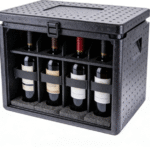
La terapia con proteínas recombinantes necesita una embalaje refrigerado Plan que protege la molécula y el registro de liberación.. Estos productos pueden ser sensibles al calor., congelación, agitación, luz, y traspaso repetido. Un buen paquete de cadena de frío debe mantener el producto dentro de su rango calificado., Evite el contacto directo congelado., limitar el movimiento del vial o la jeringa, y proporcionar evidencia de temperatura para una revisión de calidad.
Datos de planificación terapéutica de proteínas recombinantes.
| Rango objetivo típico | La mayoría de los productos de proteínas recombinantes refrigerados se planifican alrededor 2-8 C a menos que la etiqueta o el protocolo de estabilidad establezcan otro rango. |
|---|---|
| Control de humedad | Mantener cajas, etiquetas, bandejas de viales, y los documentos IFU secos; La condensación puede complicar la inspección visual y la recepción de registros.. |
| Preenfriamiento | Acondicionar previamente el transportista aislado, refrigerante, y materiales de amortiguación antes de cargar el producto desde un almacenamiento refrigerado calificado.. |
| Presión de embalaje | Viales de soporte, jeringuillas, o cartuchos para que el embalaje secundario no sea aplastado por la masa del refrigerante o la vibración del tránsito.. |
| Posición del refrigerante | Utilice PCM acondicionado o paquetes de gel con una capa amortiguadora. Evite el contacto con la pared congelada que puede desnaturalizar o agregar el producto proteico.. |
| Duración del transporte | Comúnmente validado para 24-96 h carriles dependiendo de la masa de carga útil, tamaño del listón, acondicionamiento del refrigerante, y perfil ambiental. |
| Pérdidas comunes | Excursión de temperatura, congelar contacto, riesgo de agregación de proteínas, humedecer la etiqueta, aplastamiento de cartón, y registros de ruta faltantes. |
| Ajuste del embalaje Tempk | Transportista aislado calificado, 2-8 PCM, inserto de buffer, soporte de bandeja de viales, capa absorbente, sello de manipulación, y registro de registro. |
Por qué las proteínas recombinantes necesitan un manejo específico del producto
Los productos de proteínas recombinantes suelen enviarse en viales., jeringas precargadas, cartuchos, o cajas secundarias. La carga útil puede ser pequeña., lo que significa que puede estar más expuesto a los efectos de las paredes frías si el refrigerante congelado se coloca demasiado cerca. El mismo producto también puede ser vulnerable a la permanencia en rutas cálidas., humedad del cartón, y shock físico que afecte la presentación o inspección.
Tempk normalmente comenzaría confirmando la etiqueta del producto., rango de estabilidad, duración de la ruta, y criterios de liberación. El paquete debe incluir acondicionado 2-8 PCM o paquetes de gel, una capa de amortiguamiento, bandeja de soporte del producto, forro absorbente, y un registrador colocado en la zona de carga útil. Para carriles de mayor valor, agregue un registrador de borde cerca del punto más frío o más cálido esperado.
Herramientas útiles para tomar decisiones
Comprueba los detalles antes de elegir el embalaje.
Estas herramientas rápidas pueden ayudarle a comparar el riesgo de la ruta, necesidades de dimensionamiento, opciones de refrigerante, y detalles del embalaje antes de solicitar una cotización.
Comprobador de riesgos de ruta
Revise las condiciones del carril antes de seleccionar el embalaje para requisitos operativos reales..
Comprobar riesgo de rutaCalculadora de hielo seco
Calcule las necesidades de hielo seco para envíos congelados o ultrafríos antes de empacar.
Estimar hielo secoCalculadora de bolsa de hielo
Estimación de la cantidad de bolsas de hielo en gel para envíos refrigerados y planificación práctica de rutas.
Estimar las bolsas de hieloEnfoque Tempk recomendado
Utilice el recuento real de viales o jeringas, temperatura inicial del producto, tamaño del listón, acondicionamiento del refrigerante, perfil ambiental, y sincronización de entrega de mensajería en la validación. Los cheques recibidos deben incluir un seguimiento de la temperatura., sequedad del cartón, condición del vial o jeringa, legibilidad de la etiqueta, sello de manipulación, y tiempo de ruta. El eCFR exige que los productos farmacéuticos se almacenen en condiciones de temperatura adecuadas., humedad, y luz para la identidad, fortaleza, calidad, y la pureza no se ven afectados; El embalaje debe respaldar esa expectativa en las rutas de distribución reales..