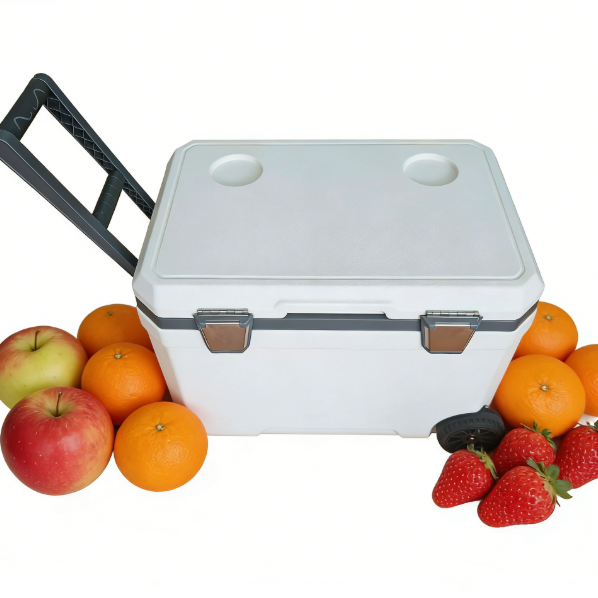
Fabricante de cajas aisladas de EPP para adquisiciones médicas
Una cotización baja puede resultar costosa cuando el precio es solo una caja moldeada y el comprador asume que incluye una solución de envío médico.. Un Fabricante de cajas aisladas EPP para adquisiciones médicas deben ser seleccionados a través de una cadena de responsabilidad: material controlado y moldeado, ajuste funcional, un paquete pasivo definido, evidencia de calificación relevante, escucha, y operaciones de carril. Cada enlace tiene un propietario y prueba diferente.. Si esos límites son explícitos antes de que comiencen las herramientas y las pruebas, Los compradores pueden comparar proveedores de manera justa y evitar descubrir después del lanzamiento que una “caja validada” nunca fue validada para su carga útil o ruta..
Comience con un resumen de decisiones compartido por adquisiciones, ingeniería de embalaje, calidad, y logística, no es un catalogo.
Comience con un mapa de responsabilidad, no es una especificación EPP
EPP es espuma de partículas de polipropileno expandido. Se valora en aplicaciones de transporte porque grados específicos pueden proporcionar aislamiento., baja masa, resiliencia, absorción de energía, y baja absorción de agua. Un fabricante puede moldearlo en una carrocería., tapa, canales de refrigerante, manijas, localizadores, y funciones de apilamiento. Esa flexibilidad de ingeniería es útil, pero el material no puede definir la condición requerida para un medicamento o demostrar que un envío permaneció dentro de él.
Cinco alcances deben aparecer por separado en el informe de decisión..
- Componente del PPE: el cuerpo moldeado, tapa, y cualquier inserto de espuma, regido por dibujos, identidad material, estampación, tolerancias, e inspección.
- Remitente: el contenedor más los accesorios especificados, potencialmente incluyendo una caja exterior, cierres, divisores, y ubicaciones de refrigerante.
- Sistema térmico pasivo: el remitente, material refrigerante o de cambio de fase, carga útil, acondicionamiento, secuencia de carga, e instrucciones de funcionamiento como una configuración definida.
- Escucha: un dispositivo seleccionado y un proceso para recolectar evidencia utilizable de tiempo y temperatura; Observa la exposición pero no protege la carga útil..
- Solución cualificada específica para carriles: un sistema controlado respaldado por pruebas apropiadas, supuestos de ruta o perfilado, operaciones entrenadas, documentación, y decisiones de desviación para el uso previsto.
Un proveedor puede cubrir un alcance o coordinar varios. Ningún modelo es automáticamente superior. Lo que importa es que la especificación de compra diga quién es el propietario de cada entregable., quien lo aprueba, y qué sucede en las interfaces. Si el moldeador de EPP suministra sólo componentes, El comprador u otro socio de embalaje debe poseer la integración y calificación del refrigerante.. Si un proveedor propone la totalidad remitente pasivo, su informe aún necesita revisión por parte de la organización responsable del producto médico.
Este mapa también evita un lenguaje de cumplimiento impreciso.. Dentro de su ámbito de distribución mayorista en la UE y el EEE, Los principios de buenas prácticas de distribución de la UE hacen hincapié en el mantenimiento de las condiciones definidas por el fabricante del producto, planificación de rutas basada en riesgos, embalaje adecuado, control y monitoreo de la temperatura cuando sea relevante, equipo calibrado, y procedimientos de desviación. Las orientaciones sobre vacunas y las categorías de equipos de la OMS se aplican en contextos específicos de vacunación. ISTA proporciona diseño estructurado de contenedores de envío aislados y métodos de prueba térmica. IATA aborda prácticas de manejo de carga aérea y control de temperatura. Ninguno de esos nombres convierte una pieza genérica de EPP en una caja médica aprobada universalmente..
Resuelva cinco cuestiones de propiedad antes de comprometerse con la producción
Explore estas preguntas en paralelo, pero dale a cada uno un propietario nombrado y una respuesta grabada. Los requisitos de producto indefinidos y los pasos operativos sin dueño crean evidencia frágil.
El propietario del producto proporciona la condición aprobada.
El propietario del producto proporciona e interpreta las condiciones de almacenamiento o transporte etiquetadas aprobadas., luego define los procedimientos de envío y excursión que aplican. Identifica la sensibilidad al calor., congelación, luz, choque, orientación, o vibración y aclara la contención primaria y secundaria.. Para muestras o materiales regulados, Pueden aplicarse clasificaciones de transporte adicionales.. El proveedor del embalaje puede solicitar y documentar; no debería inventar el requisito.
Traducir la condición aprobada en criterios de aceptación para el desarrollo y seguimiento.. Evite recurrir a una gama farmacéutica familiar simplemente porque sea común para algunos productos.. Diferentes medicamentos, biológicos, reactivos, vacunas, y los especímenes pueden tener diferentes requisitos.
La logística es dueña de los supuestos del carril.
Describa la carga de embalaje con dibujos., masa, cantidad, orientación, condición inicial, y casos mínimos y máximos representativos. El volumen de carga útil utilizable debe excluir el refrigerante, divisores, barreras, y autorizaciones. Confirme si se permite el contacto directo con el refrigerante. Una carga completa y una carga parcial pueden comportarse de manera diferente, Así que elija casos de prueba mediante un razonamiento de riesgo documentado..
Mapa del tiempo puerta a puerta, puesta en escena, levantar, centros, aduanas, entrega de última milla, y retraso creíble. Registre la exposición ambiental a partir de datos de carril relevantes cuando estén disponibles, o indicar qué perfil estandarizado justificado soportará las pruebas de diseño. Agregar datos de manejo: riesgo de caída o compresión, orientación, tipo de vehículo, tiempo en una plataforma o muelle, y el horario del receptor. El viaje máximo no es el tiempo de tránsito anunciado por el transportista..
El fabricante congela un diseño funcional
El proveedor revisa la geometría y las herramientas antes del lanzamiento.. Superposición de la tapa, planitud del borde, compresión de cierre, transiciones de pared, rasgos profundos, llenar caminos, respiraderos, eyectores, desagües, manijas, y los contactos de apilamiento deben examinarse tanto para determinar su función como para su viabilidad de moldeo.. El dibujo necesita datos funcionales y tolerancias que reflejen el comportamiento del EPP en lugar de una precisión arbitraria..
Pregunte cómo controla el proveedor el grado de la resina., condición moldeada, parte masa o densidad cuando sea útil, fusión, defectos, identidad de la cavidad, acondicionamiento, y inspección terminada. Propiedad de la herramienta, refacción, cavidades duplicadas, y las transferencias de sitios requieren una aprobación definida. El método de inspección debe indicar si un accesorio restringe la parte flexible y bajo qué condiciones ambientales se realizan las mediciones..
El lugar de envasado demuestra la reproducibilidad
Congele la lista de materiales antes de reclamar rendimiento térmico. Identificar cada componente y revisión.: caja, tapa, refrigerante, espaciadores, barreras, representación de carga útil, embalaje exterior, correa o sello, etiqueta, y monitorear. Documentar el equipo de acondicionamiento del refrigerante., método, condición final, ventana de manipulación permitida, cantidad, posición, y secuencia del paquete. Los operadores deberían poder ensamblar el sistema a partir de instrucciones controladas sin depender de la memoria personal..
El cierre recibe su propio paso de aceptación. Una tapa que parece cerrada aún puede quedar de manera desigual u omitir una correa requerida por la prueba. Utilice confirmación visible o táctil y defina los daños que impiden el servicio.. Si el diseño es reutilizable, incluir limpieza, el secado, inspección, reemplazo de componentes, y criterios de jubilación ahora; de lo contrario, La reutilización de rutina creará un sistema diferente de la muestra calificada..
La calidad aprueba la evidencia y la ruta de liberación.
Calificación del plan con el propietario de la calidad.. El protocolo debe identificar la configuración., desafío ambiental, duración, casos de carga útil, condiciones iniciales, sensores, replica, criterios de aceptación, desviaciones, y fundamento. Un tiempo de espera informado solo es significativo dentro de ese sobre.. Los perfiles térmicos estandarizados pueden respaldar la comparación y el diseño, mientras que el perfil de ruta y la calificación operativa pueden ser necesarios para abordar el riesgo del carril real.
El monitoreo debe respaldar un proceso definido de liberación o investigación.. Especificar la identidad del dispositivo, rendimiento requerido, estado de calibración o verificación, configuración de registro, colocación, control de reloj, activación, recuperación, retención, y respuesta de datos faltantes. Los principios de monitoreo de la USP pueden informar la evaluación del dispositivo, pero el propietario del producto determina cómo se interpretan los resultados.. Un registrador puede documentar una excursión; No puede determinar la disposición del producto sin conocimientos y procedimientos de estabilidad aprobados..
Convierta las afirmaciones de los proveedores en evidencia revisable
Palabras como “grado médico,” “validado,” “reutilizable," y "cumple" son demasiado amplios para una decisión de compra. Convierte cada uno en un objeto., condición, registro, y dueño.
| Declaración del proveedor | Pregunta aclaratoria | Evidencias que pueden responderla |
|---|---|---|
| “Hecho para uso médico” | ¿Qué material?, limpieza, trazabilidad, y los requisitos de envío están dentro del alcance? | Especificación controlada, declaraciones, procedimientos de inspección y manipulación |
| “Mantiene la temperatura” | Para qué paquete completo, carga útil, perfil, duración, y limites? | Protocolo e informe que identifica todas las condiciones de prueba y revisiones. |
| “Reutilizable” | ¿Bajo qué limpieza?, inspección, daño, y reglas de jubilación? | Trabajo de compatibilidad de limpieza., procedimiento de ciclo de vida, historial de unidades y datos de tendencias |
| “Tolerancias estrictas” | ¿Qué dimensiones son funcionales?, y como se miden? | Dibujo basado en datos, método de fijación, registros de capacidad o inspección |
| “Embalaje conforme” | que partido, proceso, regulación, o se está abordando el estándar? | Evaluación específica del alcance revisada por la función de calidad responsable |
| “Producción constante” | como son la resina, herramienta, cavidad, proceso, defectos, lotes, y cambios controlados? | plan de control, registros de muestra, trazabilidad, procedimientos de no conformidad y cambio |
Esta tabla es útil tanto durante la auditoría como durante la negociación.. Separa el trabajo verificable de la taquigrafía promocional y expone los costos que las propuestas pueden omitir. Un proveedor puede incluir muestras de ingeniería., pruebas de herramientas, accesorios de inspección, y apoyo a la cualificación, mientras que otro cita sólo piezas moldeadas. Normalice el alcance antes de comparar precios..
Herramientas útiles para tomar decisiones
Comprueba los detalles antes de elegir el embalaje.
Estas herramientas rápidas pueden ayudarle a comparar el riesgo de la ruta, necesidades de dimensionamiento, opciones de refrigerante, y detalles del embalaje antes de solicitar una cotización.
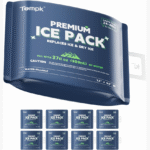
Calculadora de bolsa de hielo
Estimación de la cantidad de bolsas de hielo en gel para envíos refrigerados y planificación práctica de rutas.
Estimar las bolsas de hieloReferencia del material aislante
Compare opciones de materiales aislantes para diferentes necesidades de embalaje de la cadena de frío.
Comparar materialesResistencia a la caída del material aislante
Revise la resistencia a caídas y los factores de manipulación antes de elegir materiales aislantes..
Comprobar resistenciaEl expediente del fabricante debe ser proporcional al riesgo pero concreto. Busque dibujos controlados, identificación de materiales, registros de herramientas y cavidades, planes de inspección, estándares de defectos, trazabilidad del lote, manejo de no conformidades, registros retenidos, y cambiar notificación. Revisar ejemplos en lugar de aceptar un título de política. Un acuerdo de proveedor debe identificar los períodos de notificación., necesidades de aprobación, respuesta a la queja, y manejo de sustituciones de emergencia sin inventar términos comerciales que no hayan sido negociados.
La inspección entrante cierra el círculo. Verificar identidad, daños en el envío, limpieza, fósforo de la tapa, interfaces críticas, marcas, y documentos requeridos. El plan puede reducir la inspección si la capacidad y la historia lo respaldan., pero debe incluir escalamiento después de defectos o cambios.. Un certificado es útil sólo cuando se refiere a los atributos y al lote que realmente recibe.
Hacer que la calificación sea utilizable en la planta de embalaje.
Los informes térmicos a menudo fallan operativamente porque describen el montaje de un científico en lugar de la tarea de un operador.. Traduzca la configuración calificada en un embalaje controlado con una lista de materiales ordenada, imágenes claras, etiquetas de componentes, estado de acondicionamiento, momento, orientación de la carga útil, monitorear la ubicación, control de cierre, y verificación final. Evite instrucciones como "agregar paquetes congelados" cuando escriba, condición, cantidad, y la colocación son fundamentales.
Utilice la prueba de errores cuando sea práctico. Las formas de refrigerante solo pueden caber en una ubicación; Los huecos numerados pueden coincidir con los componentes numerados.; Los espaciadores pueden evitar el contacto directo.; una marca en la tapa puede mostrar la orientación. Estas características deben incluirse en las herramientas y la calificación., no agregado informalmente después. También necesitan consideración de limpieza e inspección.. Un hueco estrecho que atrapa residuos puede solucionar un error de embalaje y al mismo tiempo crear un problema de higiene..
La capacitación debe incluir demostración y ejecución observada.. Registra quién puede empacar, ¿Quién puede liberar componentes condicionados?, quien inicia el monitor, y quién revisa las excepciones. Al recibir, definir controles de daños visibles, recuperación de datos, cuarentena, y escalada. Si el destinatario no puede acceder a un sistema de registro propietario, el plan de monitoreo está incompleto incluso cuando la especificación del dispositivo parece sólida.
Ejecute pilotos controlados antes de su implementación generalizada. Examinar el tiempo de embalaje, confusión de componentes, errores de cierre, adhesión de etiquetas, aceptación del transportista, respuesta del receptor, recuperación de retorno, rendimiento de limpieza, y la integridad de los datos. Un piloto no tiene permiso para eludir la calificación.; Es una oportunidad para confirmar que el proceso diseñado puede operar bajo controles aprobados..
Punto de control de adquisiciones hipotético
Un comprador solicita propuestas para un cargador EPP reutilizable para un reactivo sensible a la temperatura. El proveedor A envía un dibujo de caja., un precio unitario, y un gráfico denominado "prueba térmica". El gráfico no identifica la carga útil., preparación de refrigerante, perfil ambiental, o revisión de caja. El proveedor B aún no ha prometido un tiempo de espera. En cambio, proporciona un formulario de entrada de diseño, propone dimensiones funcionales de tapa y bolsillo, explica la notificación de cambio de resina y herramienta, y enumera la información necesaria para un protocolo de calificación.
El proveedor B no ha demostrado su idoneidad, pero ha ofrecido una ruta creíble hacia la prueba.. El comprador puede encargar muestras controladas., confirmar el ajuste de la carga útil, congelar un paquete de candidatos, y ejecutar pruebas aprobadas por calidad. El proveedor A podría seguir siendo considerado si suministra las pruebas controladas que faltan. La decisión se basa en la madurez de la evidencia., no sobre qué propuesta utiliza un lenguaje más seguro.
Cambios de gobierno, reutilizar, y fin de la vida
El lanzamiento no congela el mundo. Cambios en la disponibilidad de resina, desgaste de herramientas, Los operadores revisan las redes., Se reemplazan los congeladores de refrigerante., las cargas útiles se reempaquetan, cambios en la química de limpieza, y las cajas reutilizables acumulan daños. Cada evento debe entrar en control de cambios cuando pueda afectar el estado calificado..
Definir categorías de cambio en el acuerdo con el proveedor y el procedimiento interno.. Grado de material, aditivos, sitio de moldeo, herramienta o cavidad, geometría funcional, cambios críticos en el proceso, refrigerante, cierre, monitor, carga útil, sitio de paquete, ruta, transportador, limpieza, y el método de reparación comúnmente merecen una evaluación. La evaluación puede concluir que no se necesitan pruebas adicionales., pero debería registrar por qué.
Para reutilizar, asignar una identidad de activo o lote apropiada a la red. Mantener "devuelto,” “en cuarentena," "limpio,” “inspeccionado,” y “liberado” como estados separados. Los criterios de inspección deben cubrir la espuma triturada o cortada., distorsión permanente, balanceo de la tapa, cierres dañados, contaminación, olor, componentes faltantes, identificación ilegible, y reparaciones no aprobadas. Fallos de tendencia, por lo que los daños recurrentes pueden influir en el diseño y el manejo.
Las declaraciones medioambientales deben utilizar datos medidos del ciclo de vida. Los grados de EPP pueden ser reciclables en términos técnicos, sin embargo, la recolección y el procesamiento reales dependen de la infraestructura local y del estado de la pieza.. Recuperaciones récord, viajes, pérdidas, rechazos de limpieza, transporte, refacción, y jubilación. Compare alternativas con igual carga útil y función térmica. Esto respalda una decisión de reutilización responsable sin prometer un recuento de ciclos o un beneficio ambiental que no haya sido demostrado..
Preguntas frecuentes
Lo que separa a un fabricante de una fábrica básica de cajas de EPP?
Un fabricante adecuado para trabajos controlados de embalaje médico puede conectar la intención del diseño con el material., estampación, proceso, inspección, registros de lotes, manejo de no conformidades, y cambiar notificación. También puede respaldar actividades de empaquetamiento y calificación.. Una fábrica aún puede ser una fuente de componentes capaz, pero el comprador debe identificar y regir cualquier diseño, pruebas, documentación, y responsabilidades del ciclo de vida que se encuentran en otra parte.
¿Es suficiente el informe térmico de un proveedor para aprobar al transportista??
Solo si el informe cubre la configuración y las condiciones relevantes para el uso previsto y su función de calidad acepta la justificación.. Revisar revisiones, acondicionamiento del refrigerante, carga útil, perfil ambiental, duración, sensores, criterios de aceptación, y desviaciones. Es posible que se necesite trabajo adicional para diferentes cargas., estaciones, rutas, retrasos, o sitios operativos.
¿Se debe comprar el monitoreo al fabricante de la caja??
puede ser conveniente, pero el suministro común no elimina la necesidad de una selección y control independientes. El dispositivo debe ajustarse a la decisión del producto., ruta, necesidades de precisión y calibración, flujo de trabajo de datos, y capacidad del receptor. Confirma quién lo configura, lo coloca, lo empieza, recupera datos, mantiene registros, e investiga fallas.
Qué se debe acordar antes de que se publiquen las herramientas del EPP?
Aprobar los insumos de diseño., dibujo controlado, datos funcionales y tolerancias, grado del material, características críticas, marcas, propiedad de la herramienta, plano de la cavidad, método de inspección, ruta de aprobación de muestras, estándares de defectos, y cambiar las reglas. También confirma cómo la caja integrará el refrigerante., carga útil, cierres, etiquetas, limpieza, y embalaje exterior para que las herramientas no se bloqueen en un sistema inviable.
Conclusión
La elección de un fabricante de cajas aisladas de EPP para adquisiciones médicas es exitosa cuando la compra cubre responsabilidades y evidencias definidas., no una “caja fría” indefinida. Separe los componentes moldeados del cargador aislado, embalaje pasivo, escucha, y calificación de carril. Cerrar producto, ruta, fabricación, sistema, y puertas de pruebas antes del lanzamiento de producción. Luego preserve el estado calificado a través de instrucciones., inspección entrante, acuerdos con proveedores, notificación de cambio, y reutilizar la gobernanza. Ese enfoque hace que las comparaciones de precios sean más honestas y brinda a los equipos de operaciones y calidad algo que pueden controlar..
Acerca de Tempk
suministros temporales embalaje de cadena de frío opciones que incluyen EPP embalaje aislado y paquetes de gel u otros materiales de cambio de fase, con desarrollo de paquetes personalizados, Planificación relacionada con la verificación y validación de laboratorio disponible para discusión.. Ayudamos a los compradores a organizar los insumos necesarios para evaluar una configuración propuesta., incluyendo carga útil, ruta, acondicionamiento y documentación. No tratamos el nombre de un material como prueba de desempeño.; Es necesario establecer el alcance de la prueba aplicable y la idoneidad para el envío médico previsto..
CTA: Envíe a Tempk su informe de decisión antes de seleccionar una casilla. Incluir el requisito del producto., carga útil, carril, capacidades del sitio de paquete, expectativas de evidencia, y plan de reutilización para que la siguiente conversación comience a nivel del sistema.