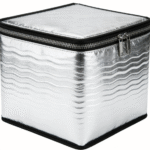
Fábrica de cajas aisladas EPP para abastecimiento médico: un manual de decisiones basado en el riesgo
Un Caja aislada de EPP La fábrica de abastecimiento médico debe ser preseleccionada por la calidad de sus preguntas y controles., no por una promesa de temperatura universal. El polipropileno expandido puede ser un recinto aislado eficaz, Sin embargo, los medicamentos están protegidos por un sistema completo.: carga útil definida, refrigerante acondicionado, material a cargar, cierre, manejo, Seguimiento y calificación de rutas.. Un buen proceso de abastecimiento hace que los límites sean explícitos, asigna evidencia al propietario correcto y evita que la muestra calificada se desvíe durante la producción en masa o la reutilización.
Comprar una configuración controlada, no es una etiqueta de material "médico"
La frase “médico Caja EPP"puede ocultar varios productos diferentes. Puede significar una bolsa de manipulación reutilizable, un recinto exterior protector, un cargador aislado suministrado sin refrigerante, o un componente de un paquete pasivo con temperatura controlada. Esos productos no son equivalentes.. Antes de comparar cotizaciones, definir qué está dentro del alcance de compra y qué se diseñará, calificado o suministrado en otro lugar.
El propio EPP es un moldeado, espuma de polipropileno predominantemente de células cerradas. Fuentes técnicas comerciales lo asocian con un peso reducido., aislamiento térmico, baja absorción de agua, absorción de energía y resiliencia. Estas características explican por qué se considera para embalaje retornable. No proporcionan una temperatura de envío aprobada., duración o estado regulatorio. El diseño terminado todavía tiene juntas., secciones de pared locales, Tolerancias y características de manipulación., mientras el paquete agrega refrigerante, carga útil y espacios aéreos.
Los límites del sistema deben aparecer en la primera página del resumen de abastecimiento.. Enumere el cuerpo y la tapa de EPP, inserciones, refrigerante, transatlántico, material a cargar, monitor, componente de etiqueta y evidencia de manipulación. Marcar cada artículo como suministrado por el cliente, suministrado de fábrica o aún en desarrollo. Identificar el documento que lo controla.. Este simple ejercicio evita que una fábrica suponga que el "refrigerante del cliente" está fuera de las pruebas térmicas., o un comprador suponga que una cotización de gabinete incluye un paquete calificado.
Utilice un lenguaje de cumplimiento con una disciplina similar.. Un material puede ajustarse a una especificación de componente acordada.. Una fábrica puede operar un sistema de calidad documentado y proporcionar registros.. Un paquete térmico definido puede calificarse según criterios aprobados.. Las actividades de distribución pueden gestionarse según el PIB aplicable u otros requisitos.. Ninguna de estas declaraciones significa que el EPP por sí solo cumple con todos los envíos médicos..
La guía autorizada respalda esta visión del sistema. Guía de la OMS para el tiempo- y productos farmacéuticos sensibles a la temperatura describe la cualificación de los recipientes pasivos con los medios térmicos necesarios, tabiques y estiba, incluyendo consideraciones de carga y ruta. La orientación del PIB de la UE en su alcance enfatiza la planificación del transporte basada en el riesgo, condiciones definidas por el fabricante, equipo adecuado, evaluación de ruta y estado de calificación. Estándar ISTA 20 y el estándar de prueba 7E puede admitir la calificación estructurada de remitentes aislados y perfiles de paquetes estandarizados.. Proporcionan marcos y evidencia., no es un respaldo universal a una sola casilla.
Redactar la URS en torno a las decisiones que las personas deben tomar
La especificación de requisitos del usuario debe permitir que la ingeniería, calidad, obtención, operaciones y el proveedor tomar las mismas decisiones a partir de los mismos hechos. Comience con el producto. Registre la condición de transporte aprobada., restricciones basadas en la estabilidad, sensibilidad a la congelación, embalaje primario y secundario, orientación, protección contra la luz o la humedad y riesgos mecánicos relevantes. No asignar un rango médico genérico cuando el propietario del producto no lo haya confirmado.
Defina la carga útil en arreglos en lugar de un solo volumen. Suministro de planos o muestras para las cargas previstas más pequeñas y más grandes., recuento de unidades, masa, masa térmica y espacio vacío permitido. Indique si se permite una carga ficticia o un espaciador.. Dimensiones exteriores separadas, Dimensiones brutas de la cavidad y espacio de carga útil después del refrigerante y los componentes de protección.. Incluye palet, vehículo, Restricciones de mensajería o manipulación manual que limitan la huella exterior..
Describir la ruta desde el embalaje hasta la recepción controlada. Captar el tiempo esperado y el retraso justificado, estaciones de origen y destino, modos, muelles de carga, centros, aduanas, Riesgo de fin de semana y entrega desatendida.. Marque dónde puede estar el paquete fuera del almacenamiento controlado y quién tiene la custodia.. Si se trata de transporte aéreo, El transportista debe revisar las regulaciones actuales de control de temperatura de la IATA., variaciones del transportista y cualquier requisito aplicable de mercancías peligrosas en lugar de solicitar a la fábrica de EPP una aprobación general para el transporte aéreo..
Luego defina el proceso operativo.. Especificar dónde y cómo a base de agua. paquetes de gel u otros materiales de cambio de fase serán acondicionados, cómo se identifica su estado, donde se inicia y coloca el monitor, cómo se revisa la tapa, y qué información necesita el receptor. Enumere los agentes de limpieza y los métodos para su reutilización., criterios de inspección y retiro, transporte de retorno e identificación de activos. Si la operación no puede reproducir el paquete del laboratorio, el diseño no está listo.
Los requisitos de documentación pertenecen a la URS como entregables.. Las necesidades comunes incluyen dibujos controlados., especificaciones de materiales y componentes, lista de materiales, instrucción de embalaje, criterios de inspección, identificación del lote, Certificados o registros de pruebas para atributos acordados., comunicación de no conformidades y notificación de cambios. Retención estatal y necesidades lingüísticas cuando corresponda. Solicitar cantidad mínima de pedido, estampación, capacidad y plazo de entrega como cotizaciones específicas del proveedor, no como hechos asumidos en la especificación técnica.
Finalmente, requisitos de rango. Marcar seguridad, La protección del producto y las necesidades del sistema de calidad son obligatorias.. Funciones separadas que mejoran la ergonomía o la marca.. Permitir que un proveedor presente una excepción documentada en lugar de responder "sí" a cada línea. Una excepción transparente descubierta durante la revisión es más barata que una capacidad implícita descubierta después del uso de herramientas..
Utilice puertas de evidencia desde el concepto hasta la producción
La evidencia debe crecer con el compromiso. El desarrollo temprano necesita suficiente información para rechazar conceptos deficientes.; necesidades de cualificación detalle controlado; El suministro de rutina necesita pruebas de que la producción se mantiene dentro de la definición aprobada.. Las siguientes puertas mantienen esos propósitos separados.
| Puerta | Decisión | Evidencia mínima útil | señal de parada |
|---|---|---|---|
| Revisión de requisitos | ¿Está el caso de uso lo suficientemente definido como para diseñarlo?? | Condición del producto aprobado, disposiciones de carga útil, supuestos de carril, necesidades operativas y de calidad | Requisito de temperatura no confirmado o carga útil indefinida |
| Concepto de componente | ¿Puede el diseño del EPP funcionar física y operativamente?? | Dibujo revisado, propuesta material, muestra adecuada, revisión de cierre y manejo | ajuste forzado, Montaje ambiguo o espacio de carga útil inutilizable. |
| Caracterización de ingeniería | ¿Qué paquete merece la calificación?? | Configuraciones comparadas, datos calibrados, Definición de refrigerante y acondicionamiento., riesgos identificados de frío y calor | El resultado no se puede vincular a una configuración controlada |
| Calificación térmica | ¿Cumple el sistema los criterios aprobados según perfiles justificados?? | Protocolo e informe con carga útil., perfiles ambientales, sensores, repeticiones, desviaciones y aceptación | Certificado de shell vacío o contexto de prueba faltante |
| Aprobación de producción | ¿Puede la fábrica reproducir el componente aprobado?? | Muestra de producción representativa, plan de inspección, evidencia de capacidad cuando sea apropiado, trazabilidad del lote | Muestra realizada mediante un proceso especial no documentado. |
| Piloto operativo | ¿Pueden los sitios empacar?, barco, recibir, limpiarlo y devolverlo correctamente? | Capacitación, carreras observadas, registros de envío y recepción, revisión de desviación | Solución alternativa repetida o sustitución incontrolada de componentes |
| control de rutina | ¿El desempeño permanece dentro del sobre aprobado?? | cheques entrantes, registros de lotes, tendencias de envío, evaluación de cambios y revisión periódica | Material silencioso, herramienta, cambio de planta o embalaje |
En cada puerta, escribir la decisión y la revisión de la configuración. No permita que un informe posterior se refiera únicamente al "cuadro del PPE". Debe identificar el cuerpo., tapa, insertar, refrigerante, carga útil, acondicionamiento, material a cargar, posición del monitor y cierre utilizado. La orientación de la OMS exige explícitamente detalles completos de ensamblaje y acondicionamiento del embalaje en la calificación de contenedores pasivos.. Preservar ese contexto es fundamental para una evaluación de cambio defendible.
Los perfiles de cualificación también necesitan una justificación. Un perfil ISTA estandarizado puede ayudar a la comparación o formar parte de un programa definido, mientras que los datos de carril pueden ser más apropiados para una red conocida. La descripción general oficial de ISTA 7E señala que los perfiles generales no son necesariamente el peor de los casos para cada situación de distribución.. Seleccionar perfiles mediante análisis de riesgos documentados, representan la exposición estacional y retardada aplicable, y definir el límite de tiempo desde el envío o embalaje hasta la recepción. Evite convertir la duración probada en una afirmación incondicional del producto.
La evidencia de seguimiento debe diseñarse al mismo tiempo.. Justificar las ubicaciones de los sensores durante la calificación, luego defina la posición del registrador de campo para que los registros de envío sean comparables. Confirmar la identidad del dispositivo, estado de calibración u otro control, exactitud, intervalo de muestreo, retraso de inicio, umbrales de alarma, idoneidad de la batería y método de recuperación de datos según las necesidades del programa. Esos parámetros son específicos del dispositivo y deben verificarse a partir de documentación controlada., no inventados como valores estándar.
Auditar si la fábrica puede preservar la evidencia.
Una auditoría debe probar si el proveedor puede realizar repetidamente la revisión que fue evaluada.. Seguir registros hacia atrás desde una pieza terminada. ¿Puede el proveedor identificar el lote de materia prima?, lote de moldeo, herramienta, resultados de la inspección, disposición y envío? Luego sigue un lote de material hacia adelante.. ¿Se puede localizar la producción afectada si surge un defecto o un aviso del proveedor?? Este rastreo bidireccional es más útil que una declaración genérica de que todos los productos son rastreables..
Herramientas útiles para tomar decisiones
Comprueba los detalles antes de elegir el embalaje.
Estas herramientas rápidas pueden ayudarle a comparar el riesgo de la ruta, necesidades de dimensionamiento, opciones de refrigerante, y detalles del embalaje antes de solicitar una cotización.
Referencia del material aislante
Compare opciones de materiales aislantes para diferentes necesidades de embalaje de la cadena de frío.
Comparar materialesCalculadora de hielo seco
Calcule las necesidades de hielo seco para envíos congelados o ultrafríos antes de empacar.
Estimar hielo secoRevestimiento de caja & Dimensionamiento de la cubierta de paleta
Lógica de tamaño de revestimiento de cajas y cubiertas de paletas para proyectos de embalaje aislado.
Estimar el tamañoRevisar primero el control de calidad entrante. Identidad material, proveedores aprobados, El estado del lote y los controles de sustitución deben coincidir con la especificación del componente.. Si se considera contenido reciclado o grados alternativos, acordar los límites exactos y evaluar los efectos sobre el moldeo, olor, apariencia, facilidad de limpieza, dimensiones, Rendimiento mecánico y calificación térmica.. La reciclabilidad del EPP no autoriza el contenido reciclado no controlado en un componente calificado.
En el piso de moldura, Identificar controles críticos de procesos y productos.. La fábrica puede proteger configuraciones propietarias., pero debería explicar cómo controla el inicio., Densidad o masa parcial cuando se especifique., fusión de cuentas, dimensiones, compromiso de la tapa, deformaciones y defectos visuales. Revisar medidores calibrados, instrucciones del método, Justificación del muestreo y planes de reacción.. Pregunte a los operadores qué sucede después de una verificación fallida; su respuesta a menudo revela si el procedimiento es real.
El control de no conformidades debe evitar que las piezas sospechosas vuelvan a ingresar al stock bueno.. Examinar la segregación, rehacer, aprobación de desviación y concesión del cliente. Las muestras retenidas o las unidades de referencia documentadas pueden ayudar a comparar lotes., pero las condiciones y el propósito del almacenamiento deben ser claros.. El embalaje para envíos salientes debe proteger los componentes limpios y terminados de la suciedad., deformaciones y revisiones mixtas.
El control de cambios es el puente entre los sistemas de calidad de la fábrica y del cliente.. Definir notificación anticipada de cambios en el material., aditivos, objetivo de densidad moldeada, estampación, dimensiones, planta, subcontratistas, métodos de inspección, retrabajo y marcado de componentes. Luego, el comprador realiza una evaluación de impacto.. Es posible que algunos cambios solo necesiten actualizaciones de documentos; otros pueden necesitar controles dimensionales, Trabajo térmico enfocado o recalificación completa.. El control importante es que los cambios relevantes se hagan visibles antes de su implementación..
Para sistemas reutilizables, Auditar el circuito de servicio y la fabricación cuando el proveedor realiza la limpieza., inspección o remodelación. Confirme la química de limpieza aprobada, el secado, segregación de contaminación, límites de reparación, eliminación de etiquetas, registros de activos únicos y jubilación. Una caja que parece intacta aún puede no cumplir con los criterios de cierre o tener un inserto no autorizado.. “Lavable” debe ser reemplazado por un método controlado y decisión de aceptación..
Probar el modelo operativo antes de escalar el pedido.
La aprobación de herramientas y la calificación térmica no prueban que un sitio de distribución pueda ejecutar el sistema. Un piloto debe utilizar personal normal., equipo de acondicionamiento, áreas de preparación, transportistas y prácticas de recepción. Observar la selección de componentes., tiempo de empacar, estado del refrigerante, activación del monitor, cierre, etiquetado, recogida en espera, recibo y devolución. Registre las desviaciones sin controlarlas; El propósito es descubrir dónde el diseño o la instrucción invitan al error..
Consideremos un fabricante hipotético que prepara un cargador reutilizable para un grupo de clínicas regionales.. Los datos del pedido muestran dos disposiciones de carga útil, mientras que la ruta más larga incluye un centro de transferencia y retrasos ocasionales durante el fin de semana. El equipo construye su URS en torno a esos hechos., pide a las fábricas muestras dimensionadas, y selecciona un diseño de EPP que utiliza espaciadores distintos para las dos cargas. La calificación evalúa las configuraciones controladas bajo perfiles estacionales justificados. durante el piloto, El personal confunde repetidamente los espaciadores., Por eso, el equipo agrega una identificación duradera de las piezas y una verificación con escáner mediante el control de cambios antes del lanzamiento de producción..
El ejemplo no tiene ningún resultado de temperatura reclamado ni ahorro comercial. Su valor reside en la secuencia.: entender la demanda, controlar los componentes, calificar el paquete, exponer el error humano, corregirlo, luego escalar. Una compra al por mayor antes del piloto habría convertido un problema de identificación solucionable en inventario circulante..
La comparación comercial debe seguir el ajuste operativo total. El precio unitario importa, pero también lo hace la propiedad de las herramientas, política de pedido mínimo, supuestos de tiempo de entrega, evidencia de capacidad de producción, embalaje de cajas vacías, cubo de carga, piezas de repuesto, carga de inspección, limpieza, Pérdidas de retorno y capacidad de respuesta al cambio.. Obtener estos como compromisos de proveedores fechados.. No infiera la capacidad a partir del tamaño de fábrica ni cite números no verificados en el archivo de aprobación..
Después del lanzamiento, revisar los datos operativos y de calidad juntos. Defectos de los componentes de tendencia, inspección entrante, desviaciones del embalaje, alertas de temperatura, retrasos en el envío, problemas con el receptor, Rechazos de limpieza y pérdida de activos por lote., ruta y configuración. Reevaluar después de un nuevo producto, carga útil, refrigerante, carril, transportador, cambio de fábrica o variabilidad de temperatura inexplicable. Mantener las excursiones dentro del sistema de calidad.: cuarentena cuando sea necesario, Investigar el registro real y permitir que el personal autorizado utilice la información de estabilidad del producto para su eliminación..
Preguntas frecuentes
Qué se debe enviar a una fábrica para obtener una cotización precisa?
Proporcionar la URS, dibujos o muestras de carga útil, alcance del sistema deseado, restricciones de dimensión exterior, patrón de orden estimado, documentos requeridos, expectativas de trazabilidad y control de cambios, y si se necesitan herramientas o personalización. Comparta suposiciones de ruta y refrigerante para el contexto del diseño sin pedirle a la fábrica que invente requisitos del producto.. Solicitar que las exclusiones, Cantidad mínima de pedido, plazo de entrega, Los términos y la capacidad de las herramientas se indicarán explícitamente en la cotización..
¿Es suficiente un informe ISTA 7E para aprobar el embalaje??
No automáticamente. Confirme que el informe identifica el paquete exacto, carga útil, acondicionamiento, sensores, perfil, Criterios de aceptación y desviaciones., y que el proceso de pruebas se ajuste a su estrategia de calidad. Los perfiles estandarizados son útiles pero es posible que no incluyan todos los carriles.. Requisitos específicos del producto, reproducibilidad operativa, Los peligros mecánicos y las expectativas regulatorias aplicables pueden requerir evaluaciones o evidencia adicionales..
¿Cómo se debe comprobar la coherencia entre la muestra y la producción??
Bloquear la revisión de la muestra y las especificaciones utilizadas para la calificación., luego obtenga piezas de producción representativas hechas con el material previsto, herramienta y proceso. Comparar identidad, dimensiones críticas, cierre, mano de obra y otros atributos acordados. Revisar los registros de fábrica y la inspección entrante en los primeros lotes.. Cualquier diferencia debe incluirse en la evaluación de no conformidad o cambio en lugar de ser aceptada porque las partes parecen generalmente similares..
¿Puede un gabinete EPP soportar múltiples cargas útiles??
puede, cuando cada carga aprobada utiliza una disposición controlada y la justificación de calificación o soporte cubre la masa térmica relevante, relación entre el espacio aéreo y el refrigerante. Definir cargas mínimas y máximas., espaciadores o cargas ficticias, e identificación de configuración inequívoca. Los operadores no deben improvisar rellenos de espacios vacíos.. Las nuevas cargas útiles fuera del ámbito evaluado necesitan una revisión técnica y de calidad documentada.
Conclusión
Un resultado de abastecimiento confiable comienza con los límites: EPP es un material de cerramiento, mientras que el control de temperatura pertenece al paquete calificado y a la ruta controlada. Escribe una URS que defina el producto., carga útil, carril y operación; avanzar a través de las puertas de evidencia; material de auditoría, proceso, trazabilidad y control de cambios; y pilotear el trabajo normal antes de realizar pedidos a escala. Un PPE fábrica de cajas aisladas para programas médicos obtiene la aprobación al preservar un componente reproducible y un registro transparente, no atribuyendo un reclamo universal a la espuma.
Acerca de Tempk
El portafolio de cadena de frío de Tempk reúne embalaje aislado opción, incluidos los formatos EPP, con paquetes de gel y otros materiales de cambio de fase. Desarrollo de paquetes personalizados, La verificación de laboratorio y la planificación relacionada con la validación pueden ayudar al comprador a establecer suposiciones de ruta., definición de carga útil, opciones de refrigerante, montaje y documentación en un solo proceso de preparación. Discutimos las opciones antes de que se arregle el plan de pruebas., reconociendo al mismo tiempo que el conjunto seleccionado aún debe ser evaluado y calificado para el producto individual, carril y sistema de calidad.
Trae a Tempk tu dibujo, Diseño de carga útil y supuestos de calificación para discutir un plan de muestra listo para producción y su evidencia de respaldo..