Guía de envasado de cadena de frío de comidas de pasta fresca
Los platos de pasta fresca necesitan un envase refrigerado que proteja la seguridad alimentaria, textura, condición de la etiqueta, y recibir decisiones al mismo tiempo. Una caja fría genérica puede mantener la temperatura en una prueba corta, pero aun así falla comercialmente si las salsas gotean, las cajas se mojan, las bolsas están perforadas, o la capa superior se calienta durante la estancia del mensajero.
Para planificar, esta guía utiliza un helado 0-4 Carril C porque muchos programas de alimentos preparados apuntan a la temperatura del refrigerador antes de la venta al por menor., abastecimiento, o transferencia directa al consumidor. El rango final aceptado siempre debe seguir la especificación del producto., HACCP plan, reglas alimentarias locales, y el acuerdo de calidad del cliente receptor.
Datos de planificación de embalaje
| Rango de temperatura | 0-4 C para distribución refrigerada; Los límites finales deben seguir el plan HACCP de la marca., etiqueta del producto, y reglas del mercado. |
|---|---|
| Humedad y condensación | Controle la condensación para que las fundas de papel, etiquetas de ingredientes, y las instrucciones de recalentamiento permanecen legibles. |
| Preenfriamiento | Bandejas llenas preenfriadas, salsas, paquetes de guarnición, y componentes del remitente antes de empacar. |
| Presión del paquete | Proteger los ravioles, pasta rellena, bandejas selladas con film, y tazas de salsa por compresión e impacto en las esquinas.. |
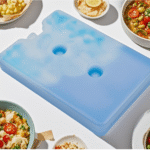
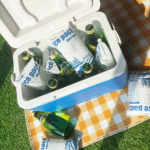
| Posición del refrigerante | Coloque paquetes de gel acondicionado encima y al lado de la carga con un revestimiento o una barrera de cartón., no directamente contra bandejas delicadas. |
| Duración del transporte | 24-48 h directo a la tienda, abastecimiento, o las rutas DTC deben incluir el tiempo de recogida y el retraso en la recepción. |
| Pérdidas comunes | Capa superior cálida, condensación, la taza de salsa gotea, elevación del sello de película, ablandamiento de la textura de la pasta, y bandejas trituradas. |
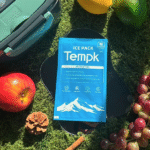
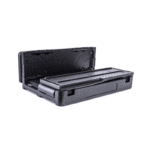
| Ajuste del embalaje Tempk | Transportador o revestimiento de caja aislado Tempk, paquetes de gel acondicionados, divisores a nivel de bandeja, capa absorbente cuando sea necesario, y registrador de rutas. |
¿Qué cambios para este producto?
Los platos de pasta fresca no deben envasarse únicamente en cajas de cartón.. El embalaje debe diseñarse teniendo en cuenta la masa del producto., espacio para la cabeza, actividad del agua, tipo de sello, y la forma en que el cliente abre o prepara la comida. El sistema de enfriamiento debe mantener el producto por debajo del límite aprobado sin crear puntos de contacto congelados que dañen la textura o la presentación..
El preenfriamiento es especialmente importante. Si el producto está tibio, tazas de salsa tibia, o bolsas recientemente llenas ingresan al remitente, paquetes de gel se ven obligados a eliminar el calor del producto en lugar de proteger la ruta. Esto acorta el tiempo de espera y aumenta las posibilidades de obtener un resultado de recepción cálido incluso cuando la caja exterior parece aceptable..
Herramientas útiles para tomar decisiones
Comprueba los detalles antes de elegir el embalaje.
Estas herramientas rápidas pueden ayudarle a comparar el riesgo de la ruta, necesidades de dimensionamiento, opciones de refrigerante, y detalles del embalaje antes de solicitar una cotización.
Generador de listas de verificación de cumplimiento
Cree una lista de verificación práctica para la revisión del embalaje, envío, y documentación.
Crear lista de verificaciónComprobador de riesgos de ruta
Revise las condiciones del carril antes de seleccionar el embalaje para requisitos operativos reales..
Comprobar riesgo de rutaSelector de embalaje
Compare las opciones de embalaje aislado por producto, ruta, y necesidad de temperatura.
encontrar embalajeEnfoque de embalaje recomendado de Tempk
Para carriles de rutina, usar un Tempk revestimiento de caja aislado o cargador aislado con paquetes de gel acondicionados, una caja interior lisa o una bandeja de producto, y un registrador colocado en una zona de producto representativa. Para cargas más pesadas o largas estancias de mensajería, validar la masa del refrigerante y el tamaño del transportista con perfiles de verano e invierno en lugar de depender de una única prueba ambiental.
El refrigerante debe separarse de los paquetes de alimentos delicados.. Esto protege los sellos de película., etiquetas de papel, tapas de almeja, bolsas de vacío, y textura de pan o pasta. Donde es posible la fuga, agregue una capa absorbente o una bolsa secundaria que contenga líquido sin bloquear el flujo de aire frío alrededor del producto.
Recibir cheques
A la llegada, el equipo receptor debe verificar los datos del registrador, sequedad del cartón, condición del sello, forma del producto, y fugas visibles antes de liberar stock. Si el registrador muestra una excursión no resuelta o la caja está saturada, El envío debe realizarse de acuerdo con el procedimiento de calidad del cliente..
Tempk puede admitir el tamaño del transportista, colocación del paquete de gel, prueba de ruta, e instrucciones de embalaje para programas de alimentos preparados refrigerados. Comparte las dimensiones del producto., cantidad de pedido, rango objetivo, duración de la ruta, perfil ambiental, y procedimiento de recepción para construir un paquete específico de carril.