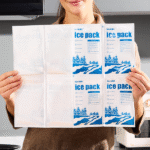
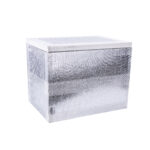
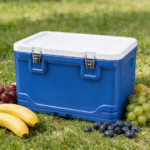
Los envíos de fruta congelada necesitan un embalaje congelado que proteja tanto la temperatura como la apariencia del producto.. Para la mayoría de las líneas comerciales de alimentos congelados, el objetivo receptor es -18 C o menos, y el cartón también debe evitar las heladas., aplastante, daño en la etiqueta, y pérdida de calidad al descongelar y volver a congelar.
Frozen fruit can fail visibly even when only the top layer warms for a short period.
bayas, mango, and sliced fruit need protection from compression because thaw-refreeze damage shows as clumping and juice bleed.
La prueba de validación debe verificar tanto la temperatura del registrador como la apariencia del producto después de abrir la caja..
Datos de planificación de la cadena de frío
| Ventana de temperatura | -18 C o inferior para entrega congelada; keep loading and transfer time short to avoid surface thaw. |
|---|---|
| Humedad o humedad | Frozen fruit is sensitive to condensation and ice crystal growth, por lo que la cavidad del cargador debe permanecer seca. |
| Preenfriamiento | Stage fruit and packaging in frozen conditions before loading; no cargue fruta en una caja con aislamiento cálido. |
| Presión de embalaje | Evite que el refrigerante duro presione las bolsas de frutos rojos; Utilice una lámina protectora para bayas y frutas cortadas.. |
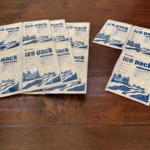
| Colocación de refrigerante | Coloque hielo seco o refrigerante congelado en una zona superior separada y a lo largo de las paredes laterales para carriles más largos.. |
| Duración del tránsito | 24-48 h los carriles para parcelas son comunes; 72 Las rutas h necesitan un aislamiento más fuerte y más validación de refrigerante. |
| Pérdidas comunes | fruta agrupada, sangrado de jugo, deshielo superficial, quemadura del congelador, bolsas trituradas, y etiquetas mojadas. |
| Paquete Tempk adecuado | Transportador aislado Tempk con revestimiento resistente a la humedad, zona de hielo seco separada, capa de soporte de bolsa, y controles de llegada para detectar aglomeraciones y descongelación de la superficie.. |
Enfoque de embalaje recomendado
Start with product that is already frozen to the dispatch target. Un cargador aislado y hielo seco El plan debe mantener la condición de congelado durante el tránsito., No tirar el producto caliente hacia abajo después de cargarlo.. Preacondicionar al transportista, mantenga corto el tiempo de preparación del congelador, y cierre la caja rápidamente para reducir el intercambio de aire caliente..
Herramientas útiles para tomar decisiones
Comprueba los detalles antes de elegir el embalaje.
Estas herramientas rápidas pueden ayudarle a comparar el riesgo de la ruta, necesidades de dimensionamiento, opciones de refrigerante, y detalles del embalaje antes de solicitar una cotización.
Referencia del material aislante
Compare opciones de materiales aislantes para diferentes necesidades de embalaje de la cadena de frío.
Comparar materialesCalculadora de hielo seco
Calcule las necesidades de hielo seco para envíos congelados o ultrafríos antes de empacar.
Estimar hielo secoRevestimiento de caja & Dimensionamiento de la cubierta de paleta
Lógica de tamaño de revestimiento de cajas y cubiertas de paletas para proyectos de embalaje aislado.
Estimar el tamañoPara envíos de hielo seco, use a separated coolant zone and carrier-compliant labeling. Dry ice should protect the thermal profile without rubbing retail bags, bandejas de craqueo, o crear quemaduras superficiales directas. Para carriles donde no se permite el hielo seco, congelado paquetes de gel y un aislamiento más fuerte requieren una validación separada porque la curva de temperatura será diferente.
Controles de calidad antes del lanzamiento.
Antes de utilizar el paquete comercialmente, probar el mismo tamaño de cargador, peso del producto, masa refrigerante, servicio de transportista, longitud de ruta, y temporada. Al recibir, comprobar la temperatura del producto, nivel de escarcha, integridad de la bolsa o bandeja, condición de la etiqueta, sequedad del cartón, and whether the product shows signs of thaw-refreeze.
Para la selección de envases Tempk, un punto de partida típico es un alto rendimiento caja aislada, Revestimiento compatible con hielo seco, capa de refrigerante separada, hoja de soporte del producto, y registrador de rutas. The final coolant mass should be set by validation data and destination handling rules, especialmente para 48-72 h rutas de paquetería.
Base de referencia
Los supuestos de temperatura siguen las prácticas comunes de manipulación de alimentos congelados y la guía de seguridad alimentaria para el consumidor de la FDA que identifica la temperatura del congelador en 0 F / -18 do. Los programas finales deben seguir las propias especificaciones del transportista., reglas del mercado de destino, y requisitos del transportista para hielo seco.