Los envíos de verduras congeladas necesitan un embalaje congelado que proteja tanto la temperatura como la apariencia del producto.. Para la mayoría de las líneas comerciales de alimentos congelados, el objetivo receptor es -18 C o menos, y el cartón también debe evitar las heladas., aplastante, daño en la etiqueta, y pérdida de calidad al descongelar y volver a congelar.
Las verduras congeladas generalmente se juzgan por su textura fluida., nivel de escarcha, y si las bolsas minoristas llegan limpias e intactas.
El paquete debe evitar el intercambio de aire caliente durante la carga y mantener hielo seco por el roce contra bolsas de película delgada.
Los cartones congelados mixtos deben mantener las verduras alejadas de cajas pesadas que pueden aplastar las bolsas y crear grumos después de la exposición al descongelamiento y recongelamiento..
Datos de planificación de la cadena de frío
| Ventana de temperatura | -18 C o menos al recibir; La exposición a cargas cortas debe controlarse mediante validación de etapas y rutas.. |
|---|---|
| Humedad o humedad | Mantenga el remitente seco y sellado. La humedad y la exposición al aire caliente crean heladas, aglomeración, y daños en la etiqueta. |
| Preenfriamiento | Preacondicionar el transportista aislado, transatlántico, y refrigerante. Cargue verduras congeladas directamente desde el congelador. |
| Presión de embalaje | Proteja las bolsas de venta minorista de las esquinas de las cajas, bloques de hielo seco, y SKU congelados mixtos pesados. |
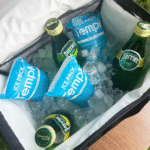
| Colocación de refrigerante | Utilice hielo seco o refrigerante congelado encima y alrededor de la carga con un divisor; Evite la abrasión directa en bolsas delgadas.. |
| Duración del tránsito | 24-72 h las rutas deben probarse con el recuento real de maletas, tamaño del cartón, y estancia estacional. |
| Pérdidas comunes | Floración helada, trozos agrupados, punción bolsa, Pérdida de textura al descongelar y volver a congelar, etiquetas mojadas, y el rechazo del cliente. |
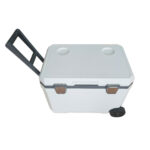
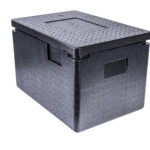
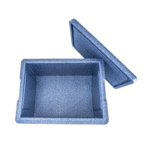
| Paquete Tempk adecuado | Caja aislada Tempk con revestimiento compatible con hielo seco, zona de refrigerante superior, aislamiento de paredes laterales, hoja de protección de bolsa, y registrador de rutas. |
Enfoque de embalaje recomendado
Start with product that is already frozen to the dispatch target. Un cargador aislado y el plan de hielo seco debe mantener la condición de congelado durante el tránsito, No tirar el producto caliente hacia abajo después de cargarlo.. Preacondicionar al transportista, mantenga corto el tiempo de preparación del congelador, y cierre la caja rápidamente para reducir el intercambio de aire caliente..
Herramientas útiles para tomar decisiones
Comprueba los detalles antes de elegir el embalaje.
Estas herramientas rápidas pueden ayudarle a comparar el riesgo de la ruta, necesidades de dimensionamiento, opciones de refrigerante, y detalles del embalaje antes de solicitar una cotización.
Generador de listas de verificación de cumplimiento
Cree una lista de verificación práctica para la revisión del embalaje, envío, y documentación.
Crear lista de verificaciónrefrigerante & Referencia PCM
Compare las opciones de refrigerante y PCM cuando una ruta necesite soporte de temperatura adicional.
Comparar opcionesResistencia a la caída del material aislante
Revise la resistencia a caídas y los factores de manipulación antes de elegir materiales aislantes..
Comprobar resistenciaPara envíos de hielo seco, use a separated coolant zone and carrier-compliant labeling. Dry ice should protect the thermal profile without rubbing retail bags, bandejas de craqueo, o crear quemaduras superficiales directas. Para carriles donde no se permite el hielo seco, congelado paquetes de gel y un aislamiento más fuerte requieren una validación separada porque la curva de temperatura será diferente.
Controles de calidad antes del lanzamiento.
Antes de utilizar el paquete comercialmente, probar el mismo tamaño de cargador, peso del producto, masa refrigerante, servicio de transportista, longitud de ruta, y temporada. Al recibir, comprobar la temperatura del producto, nivel de escarcha, integridad de la bolsa o bandeja, condición de la etiqueta, sequedad del cartón, and whether the product shows signs of thaw-refreeze.
Para la selección de envases Tempk, un punto de partida típico es un alto rendimiento caja aislada, Revestimiento compatible con hielo seco, capa de refrigerante separada, hoja de soporte del producto, y registrador de rutas. The final coolant mass should be set by validation data and destination handling rules, especialmente para 48-72 h rutas de paquetería.
Base de referencia
Los supuestos de temperatura siguen las prácticas comunes de manipulación de alimentos congelados y la guía de seguridad alimentaria para el consumidor de la FDA que identifica la temperatura del congelador en 0 F / -18 do. Los programas finales deben seguir las propias especificaciones del transportista., reglas del mercado de destino, y requisitos del transportista para hielo seco.