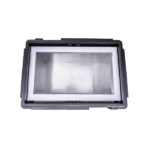
Guía de envasado de la cadena de frío de yogur helado para entrega congelada
Embalaje de cadena de frío guía para vasos y tarrinas de yogur helado, cubriendo textura congelada, seguridad de la tapa, condensación, hielo seco colocación, tiempo de tránsito, y opciones de embalaje Tempk.
Por qué el yogur helado necesita un envase congelado específico
El yogur helado a menudo utiliza tazas más livianas y una textura congelada más suave que el helado compacto., Por lo tanto, la seguridad de la tapa y la recuperación de la temperatura después de la permanencia en el depósito son más importantes que la resistencia del cartón por sí sola.. Los postres helados no fallan sólo cuando se vuelven líquidos. Textura, condición del envoltorio, ajuste de la tapa, floración helada, y la sequedad de la caja pueden afectar la aceptación del envío por parte del destinatario.. Una ruta que funcione para un recipiente denso aún puede dañar los envoltorios finos de las paletas heladas o sacar las tapas de yogur helado de su posición..
Para la mayoría de las líneas de paquetes de postres helados, El objetivo práctico es mantener el producto congelado durante el envasado., depósito habitar, transporte de línea, entrega de última milla, y exposición a domicilio. El bolsa de hielo seco o el refrigerante congelado debe tener el tamaño adecuado para el carril y separarse del embalaje minorista para que el producto permanezca congelado sin marcas de presión., etiquetas mojadas, o tapas aplastadas.
Requisitos de embalaje
| Factor de cadena de frío | Requisito de yogur helado |
|---|---|
| Temperatura objetivo | -18 C o inferior para transporte congelado |
| Humedad y condensación | Riesgo moderado en torno a los vasos de papel, etiquetas, tapas, y cajas de embalaje múltiple |
| Preenfriamiento | Congele el producto completamente antes de cargarlo y mantenga los vasos en frío hasta que el recipiente aislado esté listo.. |
| Presión de embalaje | Medio a alto para tazas y tapas; la compresión puede aflojar las tapas o deformar los paquetes minoristas. |
| Posición del refrigerante | Hielo seco colocado encima o en el perímetro con bolsillos de revestimiento, nunca presionar directamente sobre las tapas de las tazas. |
| Duración del tránsito | Rutas de paquetería congelada desde local el mismo día a 24-48 h carriles después de la prueba de ruta. |
| Puntos de pérdida comunes | Granulosidad de la textura, borde derretido, tapa pop, mojado de etiquetas, colapso de la caja de cartón, y separación de descongelación y recongelación. |
| Respuesta del embalaje Tempk | Transportador rígido aislado Tempk, paquete de hielo seco acondicionado, divisor de taza, capa protectora de la tapa, revestimiento seco, y registrador de temperatura para aprobación de ruta. |
Notas de diseño de ruta
Comience mapeando los puntos cálidos en el carril.: puesta en escena del producto, tiempo de embalaje, traspaso al transportista, permanencia en el centro de clasificación, vehículo de entrega habitar, y recogida del cliente. Los postres congelados con un peso unitario más pequeño necesitan tiempos de envasado más estrictos porque se recuperan mal después de una exposición cálida.. Si el producto se embala antes que el remitente, hielo seco, y los accesorios están listos, el carril ya ha perdido parte de su margen de seguridad.
Herramientas útiles para tomar decisiones
Comprueba los detalles antes de elegir el embalaje.
Estas herramientas rápidas pueden ayudarle a comparar el riesgo de la ruta, necesidades de dimensionamiento, opciones de refrigerante, y detalles del embalaje antes de solicitar una cotización.
Calculadora de hielo seco
Calcule las necesidades de hielo seco para envíos congelados o ultrafríos antes de empacar.
Estimar hielo secoRevestimiento de caja & Dimensionamiento de la cubierta de paleta
Lógica de tamaño de revestimiento de cajas y cubiertas de paletas para proyectos de embalaje aislado.
Estimar el tamañorefrigerante & Referencia PCM
Compare las opciones de refrigerante y PCM cuando una ruta necesite soporte de temperatura adicional.
Comparar opcionesEl paquete interior debe mantener las unidades minoristas en su lugar sin apretarlas.. Usa divisores, bandejas, o soportes de cartón cuando los productos estrechos pueden doblarse o las tazas pueden presionarse entre sí. Si el envío incluye sabores mixtos o multipacks, Verifique que las etiquetas sigan siendo legibles y que la escarcha o la humedad no hagan que los sabores se filtren visualmente en la caja exterior..
Comparación con postres helados relacionados
| Producto | Diferencia de manejo congelado | Prioridad de embalaje |
|---|---|---|
| paletas heladas / polos de hielo | masa pequeña, gran superficie, envoltorios finos, riesgo de alineación del palo | Carga rápida, restricción del paquete, manipulación de envoltura seca |
| yogur helado | Textura más suave, sensibilidad a la presión de la taza y la tapa, riesgo de empapado de la etiqueta | Protección de la tapa, revestimientos secos, colocación equilibrada de hielo seco |
| Tarrinas de helado | El ablandamiento de la capa superior y el estado del cartón son puntos de aceptación visibles. | Enfriamiento superior, protección de la tapa, sequedad del cartón |
Recomendación de embalaje Tempk
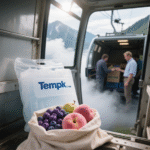
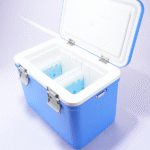
Un envío típico de postres congelados Tempk utiliza un rígido cargador aislado, una bolsa de hielo seco o un diseño de refrigerante compatible con hielo seco, una capa de restricción del producto, separadores secos, y una lista de verificación de recepción. Para rutas directas al consumidor, un formato de paquete compacto puede reducir el espacio aéreo y mejorar la eficiencia del frío. Para envíos mayoristas o de paquetes múltiples, Es posible que se necesiten divisores internos más fuertes y una masa de hielo seco más grande..
Ejecute la primera validación con un registrador de temperatura a nivel de producto y una lista de verificación de recepción visual. Comprobar la firmeza del producto, condición del envoltorio o la tapa, sequedad del cartón, helada, transferencia de olores, y si el cliente puede retirar el producto limpiamente del transportista. Aprobar el paquete solo después de probar la ruta real., tamaño del producto, cantidad de pedido, y condiciones de estación cálida.