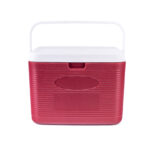
Cajas de suscripción de alimentos frescos Guía de empaquetado de cadena de frío para entrega de paquetes
Las cajas de suscripción de alimentos frescos combinan la seguridad de los alimentos refrigerados, calidad de los ingredientes, y presentación al cliente en un solo paquete. El paquete debe mantener los alimentos fríos., Proteger los ingredientes frescos de la humedad y la presión., y seguir luciendo limpio cuando el cliente abre la caja.
Por qué las cajas de suscripción de alimentos frescos necesitan su propio embalaje
Una caja de suscripción suele ser una carga mixta: proteína, artículos preparados, productos frescos, salsas, lácteos, y las tarjetas de recetas pueden compartir el mismo espacio aislado. Un diseño de refrigerante puede enfriar demasiado las verduras, triturar productos blandos, etiquetas de papel mojado, o dejar las proteínas densas más calientes de lo esperado. El objetivo no es sólo mantener una gama fría., pero para controlar la humedad, presión, y separación de productos mediante manipulación de paquetes.
Para entrega de paquetes de alimentos refrigerados, muchos operadores utilizan un objetivo práctico alrededor 0-4 C para la zona fría y validar la ruta contra la ubicación más cálida del producto.. El requisito exacto debe seguir el tipo de alimento., regulaciones locales, promesa al cliente, y duración de la ruta.
Herramientas útiles para tomar decisiones
Comprueba los detalles antes de elegir el embalaje.
Estas herramientas rápidas pueden ayudarle a comparar el riesgo de la ruta, necesidades de dimensionamiento, opciones de refrigerante, y detalles del embalaje antes de solicitar una cotización.
Calculadora de hielo seco
Calcule las necesidades de hielo seco para envíos congelados o ultrafríos antes de empacar.
Estimar hielo secoRevestimiento de caja & Dimensionamiento de la cubierta de paleta
Lógica de tamaño de revestimiento de cajas y cubiertas de paletas para proyectos de embalaje aislado.
Estimar el tamañoResistencia a la caída del material aislante
Revise la resistencia a caídas y los factores de manipulación antes de elegir materiales aislantes..
Comprobar resistenciaTabla de requisitos de embalaje
| Factor de cadena de frío | Requisito de caja de suscripción de alimentos frescos | Respuesta del embalaje Tempk |
|---|---|---|
| Rango de temperatura | Ruta del paquete refrigerado, comúnmente validado alrededor 0-4 C para contenidos refrigerados de alto riesgo. | Caja aislada con paquetes de gel acondicionados dimensionados para el tiempo de ruta y la masa del producto.. |
| Humedad | Alto riesgo en torno a los productos de hoja, tarjetas de recetas, etiquetas, y cartones de papel. | Forro seco, almohadilla absorbente, bolsas de ingredientes selladas, y separación del refrigerante. |
| Preenfriamiento | Proteínas, lácteos, y los componentes preparados deben ingresar a la caja desde la fase de preparación en frío.. | Empacar solo después de los productos., paquetes de gel, revestimiento, y el transportista están listos. |
| Presión de embalaje | Los ingredientes mezclados pueden ser triturados por el refrigerante o por productos más pesados durante la manipulación del vehículo.. | Usa divisores, soporte de bandeja, y una capa plana de protección contra el refrigerante. |
| Posición del refrigerante | Los paquetes de gel deben enfriar la zona del producto sin presión directa sobre artículos delicados.. | Colocación de refrigerante superior o lateral con separación de productos y prueba de ruta. |
| Duración del tránsito | el mismo día para 48 h rutas de paquetería, con estancia de última milla y domicilio incluida. | Validar carriles de estación cálida con datos de registrador y recepción de cheques. |
| Pérdidas comunes | Proteína caliente, verduras marchitas, tarjetas mojadas, salsas goteantes, productos triturados, y el rechazo del cliente. | Fuente de frío equilibrada, control de humedad, zonificación de ingredientes, y lista de verificación de recepción. |
Notas de diseño de ruta
Mapee los puntos calientes antes de elegir el transportista: tiempo de banco de embalaje, traspaso de operador, permanencia en el centro de clasificación, recorrido de línea, vehículo de entrega habitar, y exposición a domicilio. Una ruta que funciona en invierno puede fallar en verano si la masa del paquete de gel o el espesor del aislamiento no cambian..
El diseño interior debe separar los espacios densos., Artículos refrigerados de alto riesgo provenientes de productos delicados y materiales de papel.. Lugar paquetes de gel donde enfrían la zona de comida de manera uniforme, pero evite el contacto directo con los verdes, etiquetas de papel, tapas de salsa, o paquetes minoristas delgados. Para cajas con proteínas y productos frescos juntos, Utilice la zonificación del producto en lugar de una cavidad suelta..
recomendación temporal
Un paquete típico de suscripción a alimentos frescos de Tempk utiliza un caja aislada o forro, paquetes de gel acondicionados, una capa de separación seca, divisores de productos, material absorbente donde sea necesario, y validación específica de carril. Comience con las pruebas del registrador a nivel de producto, luego verifique la temperatura de los alimentos, condensación, artículos triturados, fugas, condición de la etiqueta, y la experiencia general de unboxing.