El diseño de la bolsa de ladrillos de gel comienza con el turno de entrega
A ladrillo de gel El bolso es una buena opción cuando se trata de portabilidad., manipulación frecuente, y el acceso organizado importan tanto como el aislamiento. No es simplemente un suave caja más fresca. Las paredes se flexionan, se abre el cierre, la carga útil cambia, y el refrigerante puede moverse cada vez que se levanta la bolsa. Por lo tanto, el rendimiento confiable proviene de un circuito operativo definido.: acondicionar los ladrillos, cargar un arreglo aprobado, aberturas de control, Proteger el producto del frío directo., monitorear cuando sea necesario, y devolver la bolsa para su inspección. Los compradores deben evaluar todo ese ciclo antes de comparar colores., capacidad nominal, o un reclamo de tiempo de espera no respaldado.
Defina el trabajo antes de seleccionar la bolsa
Comience con un producto y sígalo desde el almacenamiento controlado hasta el punto donde el receptor lo coloca en las condiciones de destino correctas.. Incluir el tiempo de espera en el despacho, caminando hacia un vehículo, de viaje, buscando una dirección, completando una entrega, y devolver mercancías no entregadas. El reloj de ruta suele ser más amplio que el tiempo de conducción..
Próximo, identificar el patrón de operación. Un traslado sellado de punto a punto es térmicamente diferente de una ruta de supermercado que se abre en cada parada.. Una bolsa de recolección de muestras tiene el patrón de carga útil opuesto: Se pueden agregar artículos relativamente calientes durante la ruta en lugar de quitar artículos fríos.. Estos usos no deben compartir una duración genérica ni una instrucción de embalaje..
Decida qué categoría de producto necesita realmente:
Un transportador con aislamiento general puede admitir sistemas de menor riesgo., trabajo local controlado.
Un reutilizable bolsa de entrega Se puede gestionar como un activo propiedad del depósito con carga definida., limpieza, y regresar.
Un paquete pasivo con temperatura controlada es una combinación documentada de aislamiento., refrigerante, carga útil, acondicionamiento, y montaje.
Un sistema de transporte calificado tiene evidencia de condiciones específicas., cargas, y procedimientos.
Una bolsa común de alimentos o bebidas no debe tratarse como un contenedor calificado para atención médica porque acepta ladrillos congelados.. Los programas farmacéuticos y de vacunas pueden requerir paquetes aprobados, escucha, y revisión de calidad. Las condiciones etiquetadas del producto y la guía del programa actual tienen prioridad sobre la descripción comercial de la bolsa..
Diseñe la bolsa en su forma cargada
La construcción blanda es útil para almacenamiento y transporte., pero hace que el límite térmico sea variable. Un panel lateral puede comprimirse contra la esquina de un producto.. Una bolsa llena puede abrir la cremallera en una curva.. Una bolsa con poco llenado puede colapsar, creando un canal de aire y dejando caer los ladrillos a la base. Evaluar prototipos con un mínimo, típico, y cargas útiles máximas aprobadas.
| Área de diseño | No buscar | Práctico cheque del comprador |
|---|---|---|
| Paneles aislados | Compresión, puntos delgados, o caminos de costura expuestos | Cargar y transportar la bolsa., luego inspeccione la separación de las paredes alrededor de la carga útil |
| Cierre | Espacio de cremallera, solapa desgastada, o tensión excesiva | Confirme que una persona pueda cerrarlo completamente con el máximo de embalaje. |
| Bolsillo de ladrillo | Abrasión, extensión, humedad atrapada, o movimiento del refrigerante | Pruebe los ladrillos rellenos después del acondicionamiento e incline la bolsa cargada. |
| Bahía de producto | Aplastante, pedidos mixtos, o contacto directo en frío | Modele cada carga útil aprobada y elimine elementos en orden de ruta |
| Base | Hundimiento, propina, o transferencia de calor desde el piso de un vehículo | Coloque la bolsa completamente cargada en superficies representativas. |
| Asa y correas | Mal equilibrio o puntos de sujeción sobrecargados | Evaluar la masa completa empaquetada y la distancia de transporte real |
| Revestimiento interno | Suelo inaccesible, revestimiento rasgado, o retención de líquidos | Inspeccione las costuras y esquinas después del método de limpieza aprobado. |
| Identificación | ruta perdida, estado, o información de activos | Comprobar la legibilidad de la etiqueta después de la condensación, limpieza, y abrasión |
Esta mesa conecta el diseño térmico con el manejo diario. Una capa aislante de alta especificación proporciona poco valor si la bolsa no puede cerrarse o el bolsillo del ladrillo falla después del transporte rutinario.. Revisar el sistema después del movimiento y la limpieza., no sólo cuando una nueva muestra está plana sobre una mesa.
El volumen utilizable es el volumen que queda después del refrigerante.
La capacidad de la bolsa de titulares puede ser engañosa. Ladrillos, bolsillos, divisores, un registrador, contención secundaria, y el espacio libre de cierre reducen el espacio de carga útil. Solicitar dimensiones internas, luego construye la configuración deseada. Una bolsa más pequeña con colocación controlada puede funcionar mejor que una bolsa grande llena de material de estiba de manera impredecible..
Las dimensiones condicionadas también importan. Los ladrillos rígidos pueden arquearse o expandirse., mientras que los paquetes flexibles pueden congelarse y adoptar formas desiguales. Consulta el estado real del producto utilizado en la ruta.. Si el personal debe forzar un ladrillo dentro de una manga, la tolerancia o el diseño de la cavidad necesitan corrección.
Haga que el acceso sea parte del plan térmico
Cada apertura intercambia aire interno con el entorno circundante y perturba el embalaje.. A medida que salen los pedidos, Caídas de masa térmica y cambios en el espacio de cabeza.. La última entrega puede enfrentar la exposición más larga con la carga útil restante más pequeña..
Para una ruta de múltiples descensos, organizar pedidos para que un conductor pueda retirar el siguiente artículo sin descargar la bolsa. Compartimentos numerados, módulos internos, o los métodos de una bolsa por pedido pueden reducir el tiempo de búsqueda. La elección correcta depende del espacio del vehículo, disponibilidad de activos, eficiencia de retorno, y riesgo del producto. Una bolsa por cliente reduce las vacantes pero aumenta el tamaño de la flota y el trabajo de limpieza.
Escriba el patrón de apertura en las pruebas de desarrollo.. Definir con qué frecuencia se abre la tapa., hasta donde se abre, cuanto tiempo permanece abierto, qué carga útil se elimina o agrega, y dónde se ubica la bolsa durante la parada. No se debe aplicar una duración de cámara cerrada a esa ruta sin pruebas.
Diseño alrededor de la parada final.
Una carga útil baja no es automáticamente fácil. Con menos masa de producto, la bolsa puede responder más rápido a las condiciones exteriores. Los ladrillos sueltos pueden migrar al espacio vacío y contactar con el pedido restante.. Pruebe la configuración de parada final y la devolución por entrega fallida, no solo la bolsa llena que sale del depósito.
La puesta en escena también consume protección. Coordinar el embalaje con el despacho y definir dónde esperan las bolsas cargadas.. Agregar refrigerante es un mal sustituto para corregir un retraso de rutina en la puerta de carga..
Restringir el refrigerante y gestionar el contacto frío
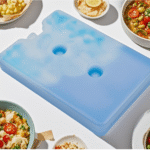
Los ladrillos rígidos son útiles en las bolsas porque se pueden contar y caben en bolsillos fijos.. Las posiciones laterales mantienen el centro accesible; un bolsillo en la tapa puede abordar un cierre vulnerable; una posición base puede admitir algunos diseños. Ninguno es universalmente correcto. Caminos de calor, orientación de la bolsa, sensibilidad del producto, y el patrón de acceso determinan la ubicación.
Asegure cada ladrillo para que al transportarlo no se mueva al punto más bajo.. El sistema de retención debe adaptarse a las dimensiones condicionadas y permanecer inspeccionable.. Las esquinas y costuras de los bolsillos necesitan suficiente durabilidad para tolerar inserciones repetidas., caminando, y vibración. Un casete extraíble puede simplificar el conteo y el intercambio, pero se convierte en un componente más a limpiar, identificar, y controlar.
El refrigerante congelado puede crear una condición local por debajo del límite inferior de un producto enfriado.. Utilice un separador aprobado o un espaciado controlado cuando el contacto directo no sea adecuado. Especificar el material y la posición del separador.; “Envolver el producto” deja demasiado margen de interpretación. El objetivo es no hacer que la bolsa esté lo más fría posible.. Es mantener el producto dentro de su condición aprobada durante el viaje definido..
Los artículos calientes y fríos generalmente necesitan zonas térmicas separadas.. Un divisor flexible no impide toda transferencia de calor., especialmente cuando el personal abre repetidamente la misma cavidad. Las muestras de laboratorio también pueden requerir contención primaria y secundaria., material absorbente, orientación, y etiquetado independiente de la capa de control de temperatura. La bolsa no puede sustituir esos requisitos..
Acondicionar los ladrillos como paso de producción controlado
El estado del refrigerante en el empaque afecta tanto la capacidad de enfriamiento como el riesgo de congelación.. "Ponlo en el congelador durante la noche" no es una instrucción completa. Definir el ladrillo exacto, equipo de acondicionamiento, arreglo de carga, método de preparación, estado liberado, y intervalo máximo entre la extracción y el cierre de la bolsa.
Verificar el proceso en carga máxima. Un congelador lleno de gente con puertas que se abren con frecuencia puede preparar los ladrillos de manera desigual. Los rendimientos cálidos no deben combinarse con las existencias liberadas. Un flujo simple puede utilizar ubicaciones separadas para la devolución., acondicionamiento, listo, y unidades rechazadas, con etiquetas que permanecen legibles en condiciones de frío y humedad.
Inspeccionar los ladrillos antes de acondicionarlos.. fuga de cuarentena, agrietado, hinchado, perforado, contaminado, o unidades muy distorsionadas. Una carcasa comprometida reduce la masa de refrigerante y puede ensuciar la bolsa o la carga útil..
El producto debe ingresar a la bolsa en las condiciones requeridas por el proceso aprobado.. El embalaje pasivo normalmente está diseñado para mantener una condición inicial para un viaje limitado., no enfriar una carga caliente rápidamente. Controlar el tiempo fuera de almacenamiento durante el embalaje y verificar que la línea pueda cumplir con su procedimiento durante los períodos de mayor actividad..
Demuestre el rendimiento con una simulación de ruta
La prueba más informativa combina el mapeo térmico., manejo, y comportamiento del trabajador. Comience con bolsas y ladrillos con intención de producción.. Empacar bajo, normal, y cargas útiles elevadas; Lleve la bolsa por cada asa prevista.; colóquelo en la posición real del portaequipajes o del vehículo; y confirmar que el cierre, bolsillos, divisores, y los sensores permanecen donde están previstos.
Herramientas útiles para tomar decisiones
Comprueba los detalles antes de elegir el embalaje.
Estas herramientas rápidas pueden ayudarle a comparar el riesgo de la ruta, necesidades de dimensionamiento, opciones de refrigerante, y detalles del embalaje antes de solicitar una cotización.
Calculadora de bolsa de hielo
Estimación de la cantidad de bolsas de hielo en gel para envíos refrigerados y planificación práctica de rutas.
Estimar las bolsas de hieloRevestimiento de caja & Dimensionamiento de la cubierta de paleta
Lógica de tamaño de revestimiento de cajas y cubiertas de paletas para proyectos de embalaje aislado.
Estimar el tamañoCalculadora de hielo seco
Calcule las necesidades de hielo seco para envíos congelados o ultrafríos antes de empacar.
Estimar hielo secoUtilice un desafío justificado de frío y calor y mida las ubicaciones probables de calor y frío.. La ubicación del sensor puede incluir áreas cerca de la cremallera, base, interfaz de ladrillo, y producto representativo. Un registrador que flote suelto en la cavidad puede migrar y producir datos que describan la ubicación incorrecta.
Luego reproduzca el horario de apertura.. Elimine pedidos en la secuencia planificada o agregue cargas de recolección representativas. Incluir un retraso creíble y la devolución de un artículo no entregado.. Los controles mecánicos deberían cubrir el transporte, estableciendo, volcar donde sea previsible, abrasión base, carga de correa, y ropa de bolsillo. Si la limpieza es parte de la reutilización, exponer las unidades de prueba al método aprobado y reevaluarlas.
Imagine que un mensajero de una farmacia utiliza una bolsa grande para varias paradas.. Durante la observación, El personal deja la tapa abierta mientras revisa la documentación y mueve un ladrillo lateral para llegar al siguiente pedido.. Un mejor diseño puede utilizar manifiestos externos., secciones interiores numeradas, y bolsillos de ladrillos cautivos. El sistema revisado aún debe evaluarse en función de los requisitos del producto., pero la mejora aborda la ruta de falla real en lugar de simplemente agregar refrigerante.
El seguimiento apoya una decisión; no protege la temperatura. Defina el rango y la precisión del dispositivo requerido, estado de calibración, intervalo de grabación, ubicación, activación, revisión de datos, y proceso de excursión según riesgo del producto. Los datos de múltiples entregas son más fáciles de interpretar cuando se registran los horarios de entrega o apertura.. Para uso sanitario, La función de calidad autorizada debe decidir la disposición del producto..
Ejecute bolsas reutilizables como una flota controlada
Las rutas locales cerradas pueden hacer que la reutilización de bolsas y ladrillos sea práctica porque los vehículos regresan a un depósito. La reutilización física por sí sola no es suficiente. El programa necesita propiedad de activos., devolver cheques, separación de sucio a limpio, lavado compatible, secado completo, inspección, y jubilación.
Las bolsas blandas pueden atrapar residuos en las costuras, bolsillos, pistas de cremallera, cierres de gancho y bucle, y tableros removibles. Siga un método compatible con el material y evite la inmersión a menos que la construcción lo permita.. La humedad que queda dentro del aislamiento puede afectar el olor, higiene, peso, y rendimiento.
Inspeccione las bolsas en busca de forros rotos., delaminación, paneles comprimidos, dientes de cremallera rotos, costura fallida, manijas dañadas, bases deformadas, contaminación persistente, e identificadores ilegibles. Definir qué reparaciones están permitidas y si una reparación puede afectar la evidencia térmica.. Realice un seguimiento de las bolsas y los ladrillos por separado porque pueden fallar o desaparecer a diferentes ritmos..
Una evaluación de sostenibilidad creíble incluye la tasa de retorno, usos completados, pérdida, lavado y secado, energía del congelador, transporte inverso, reparar, final de la vida, y desperdicio de productos. Una bolsa etiquetada como reutilizable pero perdida después de una ruta no ha brindado un beneficio de reutilización. El tamaño adecuado y la protección confiable del producto a menudo brindan beneficios más defendibles que una afirmación ambiental amplia..
Lo que los compradores deben confirmar antes de escalar
Pase de la muestra a la producción con una lista de verificación controlada:
dimensiones internas y externas en estado cargado;
construcción de aislamiento, costuras, cierre, y detalles de la base;
dimensiones del ladrillo relleno y acondicionado con tolerancias;
fuerza de bolsillo, retención, acceso de limpieza, y método de reemplazo;
masa cargada completa y evidencia de mango o correa relevante para su uso;
limpieza homologada, el secado, inspección, y orientación para la jubilación;
alcance del informe térmico, incluyendo carga útil, disposición del refrigerante, perfil, aberturas, sensores, y criterios de aceptación;
Información sobre productos y materiales requerida para el mercado objetivo.;
consistencia de la muestra de producción, identificación del lote, y cambiar notificación;
obra de arte personalizada, herramientas de bolsillo, cantidades de pedido, plazo de entrega, y disponibilidad de reemplazo.
Solicite al proveedor que separe los datos de los componentes de los resultados del sistema.. Una declaración de material no establece duración térmica., y una prueba con bolsa cerrada no establece el rendimiento en múltiples paradas. La aprobación final debe utilizar la configuración comercial exacta y un método de ruta aceptado por el equipo responsable de calidad o seguridad alimentaria..
Preguntas frecuentes
¿Cuánto tiempo puede mantener la temperatura una bolsa de ladrillos de gel??
No hay duración transferible para cada maleta.. El rendimiento depende del aislamiento y el cierre., tipo de ladrillo y condición, masa de carga útil y estado inicial, espacio para la cabeza, exposición externa, contacto superficial, y aberturas. Revise la configuración de prueba detrás de cualquier reclamo, luego evalúe su paquete comercial completo durante todo el ciclo operativo, incluyendo puesta en escena y retraso.
¿Es mejor un bloque de gel rígido que un paquete de gel flexible??
Los ladrillos rígidos ofrecen una forma predecible, cálculo, y ajuste de bolsillo. Los paquetes flexibles se adaptan a cargas útiles irregulares, pero pueden congelarse en formas variables o moverse más fácilmente.. Cualquiera de los dos puede ser adecuado cuando la bolsa, producto, acondicionamiento, y la moderación están diseñadas a su alrededor.. Trate un cambio en el formato del refrigerante como un cambio en el empaque que puede necesitar una reevaluación..
¿Puede la misma bolsa llevar comida?, medicamento, y especímenes?
El uso compartido puede crear higiene, documentación, y conflictos de proceso. Cada grupo de productos puede tener una contención diferente., limpieza, etiquetado, temperatura, y requisitos de calidad. Utilice flotas separadas a menos que una evaluación de riesgos documentada y un proceso de limpieza y segregación validado respalden el intercambio.. La codificación de colores puede ayudar a la identificación, pero no es suficiente control por sí solo.
¿Cuándo se debe reemplazar una bolsa??
Retíralo o ponlo en cuarentena cuando esté dañado., contaminación, fallo de cierre, aislamiento comprimido, o pérdida de identificación significa que ya no cumple con los criterios aprobados. No utilice un conteo universal de viajes sin evidencia. Retiro de base por inspección, historial de uso, compatibilidad de materiales, y revisión periódica del desempeño adecuada a la aplicación.
Una bolsa confiable es fácil de usar correctamente
La mejor bolsa de gel brick no es la más gruesa ni la que lleva más refrigerante. Es el que mantiene su forma cargada., restringe cada ladrillo, Protege el producto del frío y calor extremos., se cierra sin lucha, y soporta el patrón de apertura real. La calificación establece el límite operativo.; capacitación, limpieza, inspección, y monitoreo mantienen el trabajo rutinario dentro de él.
Antes de la compra por volumen, simular un turno completo con las personas que hacen las maletas, llevar, recibir, y limpiar el sistema. Sus acciones revelarán riesgos que una muestra estacionaria no puede.
Acerca de Tempk
Suministramos rígidos ladrillos de hielo, paquetes de gel reutilizables, bolsas aisladas, revestimientos de cajas, PPE y cajas de envío frías, paquetes de inyección de agua, y cubiertas de paletas para embalaje con temperatura controlada aplicaciones. Para un proyecto de bolsa móvil, Tempk puede discutir la geometría del refrigerante, ajuste de bolsillo, organización de carga útil, y opciones de embalaje estándar o personalizado utilizando la ruta y los requisitos de manipulación del comprador.. La configuración final debe evaluarse con el producto previsto., carga, patrón de apertura, proceso de acondicionamiento, y rutina de limpieza.
Comparte las dimensiones de tu bolso, carga útil, condición requerida, tiempo de ruta, calendario de apertura, método de transporte, proceso de limpieza, y capacidad de congelador con Tempk. Pregunte por opciones representativas de la producción que se puedan evaluar en una simulación de ruta monitoreada antes de escalar..