Diseño de revestimiento de cajas de gel para paquetes consistentes
Un ladrillo de gel revestimiento de caja es útil sólo después de que está doblado, equipado, cargado, y cerrado. En una hoja de material, el aislamiento puede parecer uniforme. Dentro de una caja de envío, espacios en las esquinas, paneles comprimidos, solapas desordenadas, y los ladrillos en movimiento pueden crear un límite térmico muy diferente. El revestimiento ralentiza la entrada de calor.; no enfría el producto ni regula un punto de ajuste.
Este formato puede ser eficaz para paquetes unidireccionales porque los componentes pueden almacenarse planos y funcionar con cajas corrugadas.. Su principal ventaja es la adaptabilidad., y su principal riesgo es la variación del montaje.. Trate la caja instalada, transatlántico, ladrillos, buffers, carga útil, cierre, y método de embalaje como producto que debe ser evaluado.
Decidir si el formato del liner se ajusta al modelo de distribución
Las cajas de cartón revestidas a menudo se consideran cuando se utiliza espacio de almacenamiento previo., peso de salida, manejo familiar de paquetes, y la entrega unidireccional es un asunto. Pueden adaptarse a los alimentos., ingredientes, productos cosméticos, materiales de laboratorio, y otros productos sensibles a la temperatura cuando el paquete completo cumpla con los requisitos aplicables del producto.
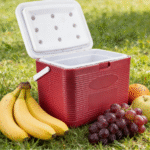
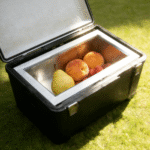
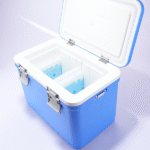
Un enfriador moldeado puede ser una mejor opción cuando la geometría es rígida., manipulación repetida, limpieza, y volver a dominar. Un sistema de paneles de alto rendimiento puede ser apropiado cuando el espesor de la pared y la fuga de calor son críticos, siempre que los bordes y paneles estén protegidos. El equipo activo o el transporte con temperatura controlada pueden ser más adecuados cuando una reserva pasiva no puede cubrir razonablemente una ruta larga o muy incierta..
Haga la elección después de definir la carga útil, condición requerida, duración total, exposición estacional, manejo, humedad, y criterios de aceptación. Un revestimiento seleccionado sólo porque es fácil de almacenar puede generar refrigerante adicional., relleno, mano de obra, o riesgo en la línea de embalaje.
El formato también necesita un dueño. Caja de cartón, transatlántico, ladrillo, y el espaciador pueden provenir de diferentes proveedores, pero el comprador necesita una lista de materiales controlada y una persona o función responsable de sus interfaces..
Cuatro zonas de interfaz determinan el rendimiento
Panel a panel
Las caras flexibles pueden unirse como juntas a tope, se superpone, refuerzos, o pliegues anidados. El calor y el aire tienden a seguir rutas más fáciles, por lo que un espacio alineado desde la base hasta la tapa puede ser más importante que el material del panel ancho. Mapea cada rincón, borde, ranura, y cierre superior. Especificar el orden de superposición y cómo la caja lo mantiene en su lugar..
No asuma que el revestimiento metálico resuelve un problema de costura. Una superficie reflectante puede reducir la transferencia radiante en un montaje adecuado, pero su efecto depende de la orientación, espacio adyacente, compresión, humedad, y los otros modos de flujo de calor. Evalúe el delineador completo en lugar de elegir por brillo o número de capas..
Forro a cartón
La caja corrugada le da forma al sistema flexible., cierre, superficie de etiquetado, y gran parte de su protección mecánica. Las dimensiones de la caja varían dentro de los límites de fabricación y pueden cambiar bajo compresión o humedad.. Un revestimiento desarrollado en una caja cortada a mano puede doblarse en una caja de producción más pequeña o dejar un canal en una más grande..
Revisar las dimensiones internas de la caja., construcción del tablero relevante para la carga, tolerancias del revestimiento, y cierre juntos. Ladrillos de gel agregar masa, mientras que la condensación o las fugas pueden debilitar una caja de cartón sensible a la humedad. El tipo y patrón de la cinta son componentes controlados cuando afectan el cierre y la fuerza de distribución..
Ladrillo a revestimiento
Esquinas de ladrillo rígido, costuras, tapa, o las superficies distorsionadas pueden desgastar un revestimiento flexible durante la vibración.. Un ajuste perfecto puede mejorar la geometría pero dañar el revestimiento o impedir que la tapa se cierre.. El exceso de espacio permite que el ladrillo se caiga de su ubicación en el mapa..
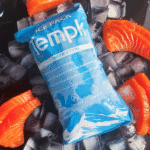
Especificar longitud, ancho, espesor, masa llena, forma de borde, y variación dimensional permitida en la condición utilizada para el embalaje.. La información de precalificación de la OMS para portadores de vacunas enfatiza que paquetes de refrigerante Necesita el tamaño y ajuste correctos para su contenedor aislado. El principio práctico se aplica ampliamente.: El refrigerante debe diseñarse en la cavidad., no incluido como accesorio.
Ladrillo al producto
Los revestimientos compactos pueden presionar el refrigerante congelado contra la carga útil.. Esto puede ser inaceptable para productos sensibles a la congelación.. Utilice una bandeja definida, separador, paquete secundario, o brecha controlada cuando la evidencia demuestra que es necesaria. El material del separador., espesor, cobertura, y la posición debe permanecer consistente con las pruebas.
Construya la cavidad desde el producto hacia afuera
Comience con los arreglos mínimos y máximos de productos.. Agregar contención secundaria requerida y una posición de monitoreo. Establecer dónde pueden asentarse los ladrillos sin aplastar la carga útil ni bloquear el cierre del revestimiento.. Sólo entonces elija el grosor del revestimiento y la caja exterior..
Esta secuencia evita comprar una caja original que deja un gran vacío incontrolado o descubrir que el revestimiento ha consumido el espacio reservado para el refrigerante.. También hace visible el espacio de carga útil utilizable.. Las dimensiones externas y el volumen nominal de la caja no describen la cavidad rectangular que queda después del aislamiento y los ladrillos..
| Decisión de diseño | Una pregunta de verificación útil | Riesgo si sigue siendo vago |
|---|---|---|
| Construcción de esquina | ¿Todas las tolerancias permitidas del cartón y del revestimiento cierran la esquina?? | Ruta de calor directo o retrabajo de ensamblaje |
| Secuencia de tapa | ¿Qué solapa se cierra primero?, ¿Y el ladrillo superior puede permanecer en su lugar?? | recuperación elástica, brecha, o aislamiento comprimido |
| Geometría del ladrillo | ¿Cuáles son las dimensiones empaquetadas después del acondicionamiento?? | Punción, movedizo, o cierre forzado |
| banda de carga útil | ¿Cómo se restringe la carga mínima sin improvisación?? | Exceso de espacio libre y masa térmica inconsistente |
| Separador | ¿Está completa la protección contra el contacto con el frío en todas las posiciones del producto?? | Excursión local a baja temperatura. |
| control de humedad | ¿Está contenido el líquido procedente de condensación o fuga?? | cartón débil, pérdida de etiqueta, o contaminación de la carga útil |
| Cierre exterior | ¿Qué cinta o patrón de sujeción se evaluó?? | Apertura mecánica e intercambio de aire. |
La mesa debería convertirse en una revisión de prototipo., no es un ejercicio de papeleo. Ensamble combinaciones con intención comercial cerca de sus límites dimensionales permitidos.. Si un control depende del empuje del empacador, plegable, o adivinar de una manera particular, rediseñar la señal física o documentar la operación exacta.
Varios tamaños de carga útil necesitan soluciones explícitas
Un revestimiento y una caja de cartón a veces pueden soportar varias cargas., pero doblar el exceso de material de revestimiento o agregar relleno suelto puede cambiar las costuras, compresión, y espacios aéreos. Un pedido pequeño puede calentarse más rápido porque tiene menos masa térmica de producto.. Definir una plaquita de carga baja, un segundo tamaño de paquete, u otra configuración controlada en lugar de permitir que cada turno resuelva el espacio de manera diferente.
Un ladrillo grande puede simplificar el conteo y cubrir una cara amplia. Varios ladrillos más pequeños brindan flexibilidad de ubicación pero agregan oportunidades de manejo y omisión. Compare las opciones sobre el tamaño de la caja externa., autorización de carga útil, tiempo de montaje, zona de contacto frio, y distribución de temperatura mapeada. No existe una proporción universal entre ladrillo y cartón.
Trate la humedad como un insumo de diseño
Tanto la condensación como las fugas pueden producir un paquete húmedo., pero tienen diferentes causas. La condensación se forma cuando el aire húmedo choca con superficies frías.. La fuga significa que el recinto de ladrillos ha perdido integridad.. Los procedimientos de recepción y desviación deben distinguirlas en lugar de etiquetar cada área húmeda como sudoración normal..
Elija una estrategia de humedad adecuada a la carga útil. Puede incluir una cara interior resistente a líquidos., una bolsa de producto separada, material absorbente controlado, u otra forma de contención secundaria. No afirmes que un revestimiento es impermeable a menos que sus costuras y cierre hayan sido evaluados para ese fin.. Una barrera contra la humedad también puede cambiar la transferencia de calor y el manejo al final de su vida útil., así que inclúyelo en la compilación probada..
Para comida envasada, verificar qué materiales tienen contacto directo o indirecto con alimentos y obtener documentación con el alcance correcto. Para contenidos médicos o de laboratorio., un revestimiento térmico no reemplaza la contención primaria o secundaria requerida. La elección del refrigerante no puede satisfacer los requisitos de mercancías peligrosas o de embalaje de muestras que pertenecen a la carga útil..
Herramientas útiles para tomar decisiones
Comprueba los detalles antes de elegir el embalaje.
Estas herramientas rápidas pueden ayudarle a comparar el riesgo de la ruta, necesidades de dimensionamiento, opciones de refrigerante, y detalles del embalaje antes de solicitar una cotización.
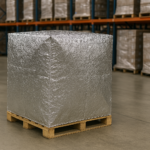
Revestimiento de caja & Dimensionamiento de la cubierta de paleta
Lógica de tamaño de revestimiento de cajas y cubiertas de paletas para proyectos de embalaje aislado.
Estimar el tamañoReferencia del material aislante
Compare opciones de materiales aislantes para diferentes necesidades de embalaje de la cadena de frío.
Comparar materialesCalculadora de bolsa de hielo
Estimación de la cantidad de bolsas de hielo en gel para envíos refrigerados y planificación práctica de rutas.
Estimar las bolsas de hieloInspeccionar ladrillos en busca de pinchazos., fuga, hinchazón, contaminación, sellos dañados, y deformación antes de su uso. Proteja las caras delgadas o de alto rendimiento del revestimiento de los bordes afilados del producto y del movimiento de los ladrillos.. Si llega un paquete mojado, Inspeccione el refrigerante y la estructura de la caja antes de liberar los componentes para su reutilización..
Haga que la secuencia de plegado sea a prueba de producción
Los turnos de almacenamiento plano trabajan desde el proveedor hasta la línea de embalaje.. Mida que funciona a velocidad normal y volumen máximo.. recuperación elástica, estático, ladrillos mojados en frio, guantes, variación de cartón, y el espacio limitado en el banco pueden cambiar la calidad del ensamblaje.
Una instrucción visual debe mostrar la caja vacía., orientación del revestimiento, formación de fondo y esquina, ladrillos inferiores, separador, banda de carga útil, maderero, ladrillo superior, tapa del revestimiento, y cierre exterior. Si las caras interior y exterior tienen funciones diferentes, Utilice identificadores que permanezcan claros en caso de condensación y manipulación..
Observe al personal experimentado y recién capacitado.. Grabar paneles invertidos, superposiciones incompletas, esquinas estresadas, espaciadores omitidos, tapas demasiado llenas, revestimientos dañados, y tiempo desde el retiro de ladrillos hasta el cierre definitivo. Los errores repetidos suelen indicar un diseño o estación de trabajo ambiguo, no simplemente gente descuidada.
El equipamiento previo puede reducir los errores de selección. Separe los componentes estacionales o específicos de la carga útil físicamente y por número de pieza. Proteja los revestimientos planos del aplastamiento, humedad, suciedad, y revisiones mixtas. Un escaneo final, control de peso, o fotografía pueden apoyar la verificación en sistemas estandarizados, pero el método debe probarse con tolerancias normales para que realmente pueda detectar un componente faltante o incorrecto..
Pruebe la construcción comercial creíble más débil
La evidencia de calificación pertenece a la combinación precisa de cartón, revestimiento, ladrillo y carga útil.. La orientación técnica de la OMS describe el diseño, operacional, y etapas de calificación de desempeño para contenedores de envío pasivos. Utilice esos principios de acuerdo con el riesgo del producto y el sistema de calidad de la organización..
Las pruebas operativas deben incluir la exposición justificada al calor y al frío., cargas útiles mínimas y máximas, toda la duración puerta a puerta con margen de demora, variación de condicionamiento permitida, y ubicaciones de sensores cerca de posibles costuras cálidas e interfaces frías. No utilice el promedio de varias sondas para ocultar la ubicación de un producto defectuoso.
Estándar ISTA 20 proporciona un proceso estructurado para diseñar y calificar contenedores de transporte aislados, mientras que ISTA 7E ofrece perfiles térmicos para sistemas de paquetería. La prueba seleccionada aún debe representar el producto y el carril.. Un perfil estándar no es una promesa para todas las temporadas, destino, o proceso portador.
La evaluación mecánica es importante porque cae, vibración, compresión, y la humedad puede abrir pliegues, caras de lágrimas, cambiar ladrillos, o debilitar la caja. Inspeccione el paquete después de desafíos físicos relevantes y evalúe si se justifica volver a realizar pruebas térmicas en la condición alterada..
Los envíos de rendimiento pueden luego confirmar el montaje y las entregas de rutina.. Registrar la identidad del componente, acondicionamiento, marcas de tiempo de embalaje, ubicación del registrador, eventos del transportista, condición de llegada, y tiempo de recepción. Si una esquina superior se calienta mientras los ladrillos permanecen parcialmente acondicionados, investigar el cierre de la trampilla y las rutas de calor locales antes de aumentar la masa de refrigerante.
Controles de adquisiciones entre múltiples proveedores
para el revestimiento, solicitar construccion, dimensiones y tolerancias, diseño plegable, respuesta a la humedad, protección contra pinchazos, almacenamiento, identificación de piezas, y cambiar notificación. para el cartón, confirmar dimensiones internas, características de resistencia relevantes, cierre, tolerancia de producción, y consideraciones de humedad. para los ladrillos, revisar dimensiones, límites de masa llena, información funcional del refrigerante, acondicionamiento, controles de gabinete y sello, documentación de seguridad, y trazabilidad de lotes.
Los informes térmicos deben identificar los componentes exactos., carga útil, perfiles, duración, sensores, y criterios de aceptación. Una prueba de material o un informe para otro tamaño de caja no es prueba para el embalaje comercial propuesto.. Tratar las reclamaciones de proveedores según su alcance..
Acordar cómo se comunican los cambios. Cartón o dimensiones, capas de revestimiento o adhesivo, revestimiento reflectante, formulación de ladrillo, llenar masa, resina de recinto, grado espaciador, cinta, estampación, o el sitio de fabricación puede afectar el sistema. El comprador debe evaluar el impacto y decidir si la verificación es adecuada., pruebas enfocadas, o una recalificación más amplia es apropiada.
Compare el costo a nivel de paquete. Incluir precio de componente, cubo de almacenamiento, mano de obra de montaje, acondicionamiento, dimensiones externas, masa empaquetada, controles de calidad, exposición a pérdida de producto, y eliminación o recuperación realistas. Un revestimiento que ahorra espacio en el almacén pero produce errores frecuentes en el embalaje puede no ser el sistema de menor costo.
Preguntas frecuentes
¿Es un revestimiento aislado equivalente a un refrigerador moldeado??
No automáticamente. Una caja de cartón forrada puede ofrecer almacenamiento plano y un paquete compacto., mientras que un enfriador moldeado generalmente proporciona una geometría más rígida. El rendimiento depende de la construcción completa., refrigerante, carga útil, cierre, manejo, y condiciones de prueba. Compare sistemas terminados bajo los mismos criterios de aceptación en lugar de comparar nombres de materiales.
¿En qué dirección debe mirar un revestimiento reflectante??
Siga las instrucciones controladas del proveedor y el paquete probado.. El rendimiento radiante depende de la orientación., espacio aéreo adyacente, compresión, humedad, y el resto de la construcción. La apariencia no proporciona una regla universal.. Marque claramente la orientación aprobada si invertirla puede afectar el montaje o el rendimiento..
¿Cuántos bloques de gel caben en una caja de cartón forrada??
No existe un conteo universal. La cantidad y la ubicación dependen de las propiedades y el estado del ladrillo., fuga de calor del revestimiento, carga útil, temperaturas iniciales, espacio para la cabeza, exposición externa, duración, y la gama de productos permitida. Desarrollar un diseño candidato, mapear ubicaciones cálidas y frías, y calificar la configuración final.
¿Es necesario revisar el cambio de la caja de cartón corrugado??
Sí, cuando el cambio puede afectar el ajuste, cierre, resistencia mecánica, comportamiento de la humedad, o geometría interna. Una evaluación de impacto documentada debe determinar la verificación adecuada.. Incluso un pequeño cambio dimensional puede abrir la costura del revestimiento., comprimir un panel, o mover un ladrillo hacia la carga útil.
Conclusión: Cierre las interfaces antes de agregar refrigerante
El diseño eficaz del revestimiento de la caja de ladrillos de gel depende de la continuidad del pliegue, ajuste de cartón, geometría de ladrillo controlada, contacto de carga útil protegido, manejo de la humedad, y una secuencia de cierre repetible. Calificar la construcción comercial en sus condiciones de tolerancia y carga útil más débiles y creíbles., luego preservarlo mediante instrucciones claras y control de cambios de proveedores.
Comience con una revisión de aptitud física utilizando piezas destinadas a la producción.. Marca cada rincón abierto, cara comprimida, ladrillo en movimiento, colgajo ambiguo, y zona humeda. La corrección de esas interfaces antes del trabajo térmico formal produce un paquete que es más fácil de probar, funcionar, e investigar.
Acerca de Tempk
Y tempk, proporcionamos bolsas de hielo en gel y embalaje aislado categorías que incluyen caja, bolsa, y formatos a nivel de palet. Para un proyecto de cartón forrado, Podemos discutir las dimensiones del ladrillo., acondicionamiento, ajuste de aislamiento, y muestras de componentes utilizando la caja del comprador y la información de carga útil. Se debe confirmar la idoneidad y el rendimiento para el paquete comercial completo y su ruta prevista..
Comparte tu dibujo de cartón, rango de carga útil, condición requerida, duración de la ruta, riesgos de humedad, y método de embalaje con Tempk para analizar una configuración de muestra centrada en el ajuste.