Almohadilla de enfriamiento de gel: Una guía práctica para comparar proveedores y diseños de envases
La mejor almohadilla de enfriamiento de gel al por mayor es la que se adapta al trabajo sin crear riesgos adicionales en otro lugar.. En la práctica, Los compradores necesitan comparar el diseño., comportamiento de fase, ajuste de ruta, disciplina del proveedor, y consistencia de pedidos al por mayor juntos. Ésta es la única manera confiable de elegir un paquete que funcione más allá del primer lote de muestra..
A continuación se muestra una guía de compra práctica que se centra en las preguntas que los equipos de adquisiciones y operaciones normalmente necesitan responder primero.: lo que realmente hace el producto, donde encaja, ¿Qué puede salir mal?, y cómo diferenciar a un proveedor confiable de una opción solo por catálogo.
Comenzando con la definición correcta del producto
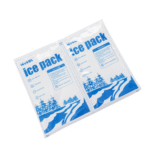
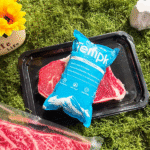
Una almohadilla de enfriamiento de gel para venta al por mayor de comestibles es una fuente de frío plana o de bajo perfil que se utiliza para mantener fríos los artículos frescos durante la entrega de última milla., puesta en escena de hacer clic y recopilar, o envío de comestibles directo al consumidor. En comparación con paquetes de paquetes más gruesos, A menudo se elige una almohadilla de enfriamiento porque es más fácil de apilar., presentación más limpia, y mejor ajuste contra las bandejas de productos agrícolas, cajas de lácteos, o paredes tipo tote aisladas.
Ese perfil plano puede ser útil, pero los compradores de comestibles deberían recordar la misma regla básica: La almohadilla es parte de un sistema.. El resultado frío real depende del aislamiento del contenedor o del cartón., la mezcla de productos, pre-enfriamiento, tiempo de ruta, y si la orden se encuentra en un área de preparación antes de la transferencia. El abastecimiento mayorista funciona mejor cuando la plataforma se prueba en ese flujo de trabajo real.
Para operaciones de comestibles, La responsabilidad del comprador es más práctica que formal.: demostrar que el pedido entregado se mantiene en condiciones según la ruta real y el modelo de preparación.
Cómo las opciones de diseño cambian el rendimiento
Las almohadillas de enfriamiento generalmente usan un gel a base de agua o un refrigerante similar dentro de una bolsa plana duradera.. Algunos diseños siguen siendo muy flexibles después de la congelación., mientras que otros son más firmes y se comportan más como un ladrillo delgado. El formato correcto depende de si la operación necesita que la almohadilla cubra los productos., forrar la base de un bolso, o cree una capa apilable ordenada entre los componentes del pedido.
La humedad de la superficie también importa en el uso de comestibles. Las toallas sanitarias que sudan mucho pueden afectar las etiquetas exteriores, separadores de papel, o la experiencia de unboxing. Por eso muchos compradores comparan no sólo el tiempo de espera sino también el estado del pedido cuando el cliente lo abre..
El rendimiento de los comestibles depende del diseño del contenedor o del cartón, variabilidad de carga, ventana de entrega, tiempo de puesta en escena, y cómo la almohadilla afecta la condición de entrega del pedido.
Los compradores suelen aprender más de una breve lista de puntos de datos concretos.: dimensiones terminadas, peso neto de llenado, espesor congelado, rango de cambio de fase o banda de temperatura prevista, instrucciones de acondicionamiento, y configuración del embalaje por caja o palet. Esos detalles permiten a los equipos de operaciones y calidad imaginarse cómo se comportará el paquete incluso antes de que comience la prueba..
Elegir por aplicación y ruta
Las aplicaciones comunes incluyen paquetes de comestibles en línea., entrega de bolso aislado, preparación para el traspaso en la acera, y distribución mixta de productos frescos con lácteos, producir, artículos delicatessen, y platos preparados refrigerados. En algunos programas, la almohadilla es un consumible unidireccional.. En otros, regresa con el bolso y se vuelve a congelar para su uso repetido..
Porque las cestas de la compra varían a diario, la almohadilla a menudo necesita trabajar con diferentes formas de carga. Un formato demasiado rígido puede no quedar bien en un bolso medio lleno, mientras que una almohadilla demasiado blanda puede ralentizar el manejo en una operación densa de recoger y empacar. Se trata de decisiones tanto operativas como térmicas..
El rendimiento de los comestibles depende del diseño del contenedor o del cartón, variabilidad de carga, ventana de entrega, tiempo de puesta en escena, y cómo la almohadilla afecta la condición de entrega del pedido. En otras palabras, La selección comienza con el problema de funcionamiento., no es la foto del catalogo. Compradores que definen la banda de temperatura, tiempo de tránsito, sensibilidad de carga útil, y el método de carga claramente tienden a tomar decisiones más rápidas y seguras.
Una comparación fácil para el comprador generalmente se reduce a seis cheques:
Elija almohadillas más planas para forrar el bolso y apilarlo de forma ordenada, y formatos más gruesos sólo cuando la gravedad de la ruta realmente los requiere.
Verifique el grosor congelado porque incluso una almohadilla delgada puede volverse voluminosa después del acondicionamiento..
Revisión de condensación y presentación entregada., no solo retención de temperatura.
Haga coincidir el pad con el tipo de ruta, como entrega urbana corta, recogida en la acera por etapas, o períodos de entrega a domicilio más largos.
Pregunte si el producto está destinado a su reutilización o distribución unidireccional..
Optimice por tipo de cesta siempre que sea posible en lugar de utilizar la almohadilla más pesada para cada pedido de comestibles..
Los compradores mayoristas suelen preocuparse por el ajuste de la ruta., densidad del congelador, y entregó una presentación tan cruda como la vida fría.
Qué preguntar a los proveedores antes de realizar pedidos al por mayor
Al preseleccionar proveedores mayoristas, pregunta por las dimensiones del pad, masa de gel, espesor congelado, tiempo de acondicionamiento, y ubicación prevista en el contenedor o caja. Luego observe los detalles comerciales que importan a escala.: paquete de caja, densidad de palet, manejo del congelador, opciones de marca, y si el producto está optimizado para distribución unidireccional o reutilización.
También deberías solicitar asesoramiento sobre el ajuste de la ruta.. Un proveedor mayorista fuerte puede negociar rutas urbanas cortas, órdenes en la acera por etapas, y períodos de entrega a domicilio más largos de manera diferente en lugar de presentar una solución genérica de comestibles para todos ellos.
Huella de la almohadilla, espesor congelado, y masa de gel
Tiempo de acondicionamiento y cómo debe colocarse la almohadilla en el contenedor o caja
Comportamiento de la humedad superficial y presentación entregada.
Paquete de caja, densidad de palet, y eficiencia del almacenamiento en congeladores
Idoneidad para uso unidireccional o bucles de reutilización
Herramientas útiles para tomar decisiones
Comprueba los detalles antes de elegir el embalaje.
Estas herramientas rápidas pueden ayudarle a comparar el riesgo de la ruta, necesidades de dimensionamiento, opciones de refrigerante, y detalles del embalaje antes de solicitar una cotización.
Selector de embalaje
Compare las opciones de embalaje aislado por producto, ruta, y necesidad de temperatura.
encontrar embalajeCalculadora de bolsa de hielo
Estimación de la cantidad de bolsas de hielo en gel para envíos refrigerados y planificación práctica de rutas.
Estimar las bolsas de hieloGenerador de listas de verificación de cumplimiento
Cree una lista de verificación práctica para la revisión del embalaje, envío, y documentación.
Crear lista de verificaciónCantidad mínima de pedido, velocidad de reabastecimiento, y opciones de tamaño o marca personalizadas
Antes de la ampliación, realizar una prueba sencilla pero disciplinada. Utilice la carga útil real o un sustituto térmico cercano, el paquete exterior real, el método de acondicionamiento previsto, y la duración de la ruta que esperas en el campo. Incluya al menos una exposición ambiental más dura que su caso ideal.
Si el producto va a un entorno más controlado, preguntar si el proveedor puede mantener esos puntos de datos estables a lo largo del tiempo y cómo se comunicaría cualquier cambio. La fiabilidad técnica depende tanto de la disciplina del proceso como de la primera muestra..
Errores que crean costos o riesgos evitables
Un error común es comprar una almohadilla plana porque se guarda ordenadamente., luego descubre que no puede manejar las rutas más calientes o más largas. Otra es construir demasiado el pad para cada pedido., agregando masa innecesaria, carga del congelador, y coste del flete incluso en carriles urbanos cortos.
Los compradores también deben estar atentos a los problemas relacionados con la condensación.. Los programas de comestibles tienen éxito o fracasan según las condiciones de entrega del pedido., no sólo en el registro de temperatura interna. Si las toallas llegan mojadas, rasgado, o fuera de lugar, la experiencia del cliente se ve afectada inmediatamente.
Las almohadillas refrigerantes pueden contribuir a la sostenibilidad al reducir el volumen del embalaje, almacenar eficientemente, y seguir la ruta sin exceso de peso. Las toallas sanitarias reutilizables pueden ser especialmente valiosas en los programas de devolución de contenedores, siempre que exista realmente el modelo de limpieza y logística inversa.
Los compradores de comestibles segmentan cada vez más las fuentes de frío según la longitud de la ruta, tipo de orden, y modelo de devolución de bolsas en lugar de intentar ejecutar una almohadilla universal en cada pedido.
Preguntas prácticas antes del lanzamiento
donde rutas, productos, o las demandas de documentación son más sensibles, Los compradores deben bloquear el método de acondicionamiento previsto., posición del paquete, y recibir cheques antes del primer pedido más grande. Esa simple disciplina evita muchas confusiones evitables en el futuro..
Durante ese juicio, registrar no solo la temperatura. Mira la humedad de la superficie., integridad del paquete, velocidad de carga, ajuste congelado, y el estado del producto o kit entregado. Estas observaciones a menudo revelan más sobre la idoneidad real que una afirmación de titular sobre el tiempo de espera..
después del juicio, bloquear la especificación. Documente las dimensiones aprobadas., masa de gel, estructura de la película, método de acondicionamiento, y colocación del paquete. Esa simple disciplina reduce la deriva entre la aprobación de muestras y la producción de rutina..
Preguntas que los compradores todavía hacen
¿En qué se diferencia una almohadilla refrescante de una bolsa de gel estándar??
Una almohadilla de enfriamiento suele ser más plana y se elige para apilar o forrar contenedores más fácilmente., bandejas, y cartones de comestibles.
¿Deberían los compradores mayoristas priorizar el grosor o la huella??
Generalmente ambos. La huella afecta la cobertura, mientras que el espesor congelado afecta el ajuste y la capacidad de frío.
¿Qué debería medir una prueba de alimentación??
Medir la temperatura del producto, condición entregada, condensación, velocidad de manejo, y presentación de cara al cliente.
Puntos prácticos que influyen en el lanzamiento
El abastecimiento a granel cambia la decisión de una manera importante: no estás aprobando ni un solo paquete, usted está aprobando un método de fabricación y operación repetible. Eso significa la cita, la muestra, el POE del almacén, y la especificación de reorden todos tienen que apuntar al mismo producto. Si una de esas piezas es vaga, Los costos generalmente salen a la luz más tarde a través de fugas., nuevos juicios, Quejas del cliente, o líneas de embalaje lentas en lugar de en la primera orden de compra.
Otro punto práctico es el almacenamiento y manipulación antes del envío o uso.. La actuación comienza en la cámara del congelador., área de preparación, o almacén, no en el destino final. Los compradores deben comprobar cómo se almacenará el producto., ¿Cuánto tiempo lleva el acondicionamiento?, si las cajas se pueden rotar primero en entrar, primero en salir, y cómo se comporta el paquete si los equipos lo manejan durante períodos ocupados o parcialmente descongelados. Pequeños detalles operativos pueden cambiar el resultado entregado más de lo que sugiere el lenguaje del catálogo..
Al comparar proveedores, Pregúntese si el proveedor lo está ayudando a tomar una decisión real o solo lo está ayudando a recibir una cotización.. Los proveedores útiles responden directamente sobre las dimensiones., acondicionamiento, control de cambios, documentación, y límites de aplicación. Los menos útiles se mantienen en el nivel del lenguaje del sector amplio y le dejan a usted la interpretación técnica..
Por lo tanto, una revisión de muestra debe incluir más que una inspección visual.. Congele el producto de la forma en que su equipo lo congelaría realmente. Cárguelo en el embalaje exterior real o en formato de usuario.. Comprueba lo fácil que es colocar, qué tan claramente está etiquetado, cómo se comporta después del deshielo parcial, y si el lado receptor entendería cómo manejarlo.
También vale la pena comparar el costo operativo total en lugar del precio del artículo solo.. Un paquete un poco más caro puede seguir siendo la opción más económica si reduce el deterioro., mejora el desempaquetado, simplifica la eliminación, o reduce la fricción con el servicio al cliente.
La coherencia desde la muestra hasta la producción merece una atención explícita. Pregunte si el proveedor controla el peso del llenado., calibre de película, calidad del sello, dimensiones exteriores, y configuración del cartón dentro de una banda de tolerancia conocida. Luego pregunte cómo se comunicaría un cambio.. Esta pregunta suele separar a un verdadero socio de producción de un comerciante con una visibilidad limitada del proceso..
El camino de aprobación más sólido suele ser simple pero disciplinado.. Definir el caso de uso, solicitar un conjunto de muestras controladas, ejecutar una ruta realista o una prueba de empaque, documentar la especificación aprobada, y mantenga ese documento adjunto a cada nuevo pedido. Esa secuencia es especialmente importante cuando el producto se encuentra dentro de una cadena de frío o un flujo de trabajo de atención médica más controlado..
Finalmente, Recuerde que la elección correcta rara vez es la más difícil.. El mejor pack es el que combina con la cesta., ruta, y el cliente maneja la realidad sin agregar peso evitable, carga del congelador, o desperdicio.
La previsión también importa. Si su equipo espera cambios estacionales o picos promocionales, Confirmar cómo el proveedor soportará los cambios de volumen sin sustituir materiales silenciosamente ni ajustar el recuento de cajas.. Un producto técnicamente aceptable aún puede volverse disruptivo desde el punto de vista operativo cuando la comunicación de pronóstico es débil..
Los controles del lado receptor son otra fuente de aprendizaje que se pasa por alto. Pregunte qué verá el destinatario cuando llegue el paquete.: humedad superficial, rigidez, etiquetado, y signos evidentes de mal uso. Si la condición entregada es difícil de interpretar, Los equipos de calidad y servicio al cliente pueden dedicar tiempo innecesario a decidir si el envío es aceptable..
Los compradores también deberían pensar en la formación.. Un paquete bien especificado aún puede funcionar mal si el almacén o los usuarios finales no saben durante cuánto tiempo acondicionarlo., donde colocarlo, o cuándo rechazar una unidad dañada. Las instrucciones claras del proveedor a menudo reducen estos problemas de implementación de manera más efectiva que agregar más masa de enfriamiento..
Al final, Un abastecimiento sólido combina tres cosas: una definición honesta del producto, un juicio disciplinado, y un proveedor que pueda mantener estable la especificación aprobada. Cuando esas tres piezas se alinean, Las decisiones de compra se vuelven más fáciles de defender y mucho más fáciles de repetir a escala..
Qué significa esto para los compradores
La compra de una almohadilla refrescante de gel fuerte rara vez se trata de comprar la más fría, mas barato, o paquete más comercializado. Se trata de hacer coincidir el formato del paquete., método de acondicionamiento, y disciplina del proveedor para el trabajo que realmente realiza.
Si define el caso de uso claramente, hacer preguntas más precisas sobre materiales y control de procesos, y pruebe el paquete en la ruta real o en el flujo de trabajo de manipulación, es mucho más probable que elija un proveedor que tenga un buen desempeño después del lanzamiento en lugar de solo en una etapa de cotización.
Acerca de Tempk
Y Tempk, nos centramos en embalaje con temperatura controlada para la comida, farmacéutico, y otros envíos sensibles. Nuestra gama pública incluye bolsas de hielo en gel, paquetes de hielo seco, ladrillos de hielo del congelador, bolsas aisladas, revestimientos de cajas aisladas, Cajas aisladas de EPP, cajas de envío frías, neveras portátiles médicas, y cubiertas térmicas para palets. Porque trabajamos tanto con refrigerantes como con formatos isotérmicos, además de un embalaje personalizado con control de temperatura respaldado por un laboratorio certificado por CNAS, Podemos ayudar a los compradores a comparar una opción de paquete único dentro del sistema de envío más amplio..
Siguiente paso
Si está seleccionando proveedores, solicitar muestras, revisar las instrucciones de acondicionamiento, y pruebe el paquete en su ruta real y configuración de caja antes de comprometerse con el volumen. Ese simple paso suele evitar las sorpresas más caras.