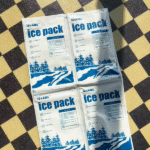
A Better Buying Guide to Gel Ice Packs For Biotech Logistics
gel ice pack biotech wholesaler is best approached as a system decision, no es una compra de productos básicos. A gel ice pack for biotech wholesale is not chosen simply by weight; it is chosen by thermal behavior. En logística biotecnológica, the main question is whether the pack will hold the required band without freezing a reagent, assay, muestra, or biologic that is damaged by temperatures below target.
Los compradores más fiables empiezan por la ruta., producto, y perfil de riesgo, luego elija el formato de refrigerante que se ajuste a esas condiciones. A standard frozen gel pouch can work well for some products, but freeze-sensitive biotech payloads often need conditioned PCM or carefully separated pack-outs. Este enfoque suele conducir a un mejor control de la temperatura., Manejo más limpio, y menos sorpresas cuando el volumen aumenta.
Qué es el producto y qué no es
Paquetes de hielo de gel for biotech logistics are best thought of as controlled cold sources inside a remitente pasivo. No son refrigeración activa., No son certificados de cumplimiento universal., y no compensan una mala disposición del cartón. Su valor radica en brindarle un amortiguador térmico predecible que puede acondicionarse, contado, metido, y evaluado como parte de un sistema de embalaje más amplio.
Esa distinción es importante porque los compradores a menudo se centran demasiado en el refrigerante y no se centran en la ruta.. El control de la temperatura se crea mediante la interacción entre la fuente de frío, el aislamiento, la carga útil, y las condiciones de manejo. Una vez que vea el producto de esa manera, Las preguntas de los proveedores se vuelven más claras y las compensaciones de formato se vuelven más fáciles de juzgar..
Cómo hacer coincidir la fuente de frío con la ruta
Comience con el requisito de carga útil y la duración real del carril., incluido el tiempo de embalaje, permanencia del portador, exposición de última milla, y retraso en la recepción. Luego mira el sistema aislado., no solo el refrigerante. Un paquete más delgado en una caja de cartón aislada y bien ajustada puede superar a un paquete más pesado con una distribución deficiente. El objetivo es mantener la banda correcta durante el tiempo suficiente con la menor complejidad innecesaria..
Próximo, decidir cuánta estandarización necesita la operación. Si la misma caja se ejecuta repetidamente con una mezcla de productos estable, Los formatos rígidos se vuelven más fáciles de justificar porque simplifican el recuento y la ubicación.. Si los tamaños de las cajas o las cargas de productos cambian con frecuencia, Los insertos flexibles o paquetes vinculados pueden proporcionar una mejor eficiencia general del embalaje.. Finalmente, tener en cuenta la estacionalidad. El calor del verano y el frío del invierno pueden indicar diferentes estados de acondicionamiento o incluso diferentes empaques aprobados..
Materiales, construcción, y comportamiento térmico
Las páginas públicas de productos en el mercado de la cadena de frío muestran que no todos los paquetes de gel se comportan de la misma manera. Los paquetes refrigerados se ofrecen comúnmente con formulaciones diseñadas alrededor de un punto de fusión de 0°C., mientras que los productos de distribución congelados pueden usar fórmulas de temperatura suprimida alrededor de -23°C u otros puntos de ajuste más bajos. Algunos formatos sin sudor agregan una capa exterior tejida o absorbente para controlar la condensación.. Los ladrillos rígidos pueden usar una cubierta de plástico duradera alrededor de un núcleo de gel o PCM.. Esas diferencias afectan el tiempo de congelación., dureza superficial, resistencia a la punción, comportamiento de la humedad, y la tasa de transferencia de calor a la carga útil.
La geometría importa tanto como la química. Las inserciones planas maximizan la cobertura de la pared, Las hojas enlazadas se envuelven bien alrededor de contenidos irregulares., y los ladrillos rígidos brindan masa térmica concentrada con un conteo más fácil en la línea de empaque. Ninguno de esos formatos es universalmente mejor.. La elección correcta depende del espacio disponible en la caja., el diseño del producto, si la ruta es refrigerada o congelada, y si sus operadores necesitan velocidad, flexibilidad, o disciplina estricta en el recuento de paquetes.
El condicionamiento es otra variable importante.. Un paquete puede ser técnicamente correcto sobre el papel y aun así fallar en la práctica si no está lo suficientemente congelado, demasiado congelado para la aplicación, o montado demasiado tiempo en ambiente antes del boxeo. En muchos paquetes fallidos, El problema no es la fórmula del gel en sí, sino las condiciones inconsistentes del congelador., instrucciones de trabajo poco claras, o una discrepancia entre el estado del paquete y los requisitos del producto.
Límites de calidad y cumplimiento
Biotech logistics often sits between strict product quality management and commercial parcel reality. Guía de la OMS para el tiempo- and temperature-sensitive pharmaceutical products and similar GDP-style practices both point in the same direction: products should be transported within their accepted range using written procedures, controles ambientales, and an evaluated shipping process. En la práctica, that means the cold source has to be selected as part of a managed pack-out rather than an afterthought.
Compliance also has a freeze-risk side. Public vaccine-handling guidance warns that some products can be damaged by freezing during transport if packed incorrectly with ice or other very cold refrigerants. The lesson for biotech buyers is broader than vaccines: know whether your payload is merely heat sensitive or also freeze sensitive, and choose the refrigerant formulation and separation method accordingly.
Por qué el costo total de uso es una mejor métrica que el precio por pieza
Una cotización de mayorista generalmente hace visible el precio del paquete unitario y deja el resto oculto.. Pero los operadores siguen pagando por la capacidad de los congeladores, mano de obra, desplazamiento del espacio del producto, volumen extra corrugado, etiquetas dañadas, regresa, y problemas de servicio al cliente causados por una mala presentación o cambio de temperatura. Es por eso que una compresa fría un poco más costosa aún puede reducir el costo total si se ajusta mejor a la caja o reduce los problemas de manipulación..
Por la misma razón, Los compradores deben comparar las familias de paquetes con el sistema aislado que pretenden utilizar.. La fuente de frío de mejor rendimiento o más sostenible en papel puede no ser la más económica una vez que se utiliza el tamaño del cartón., costo de flete, y las condiciones de recepción se añaden a la ecuación. Los buenos distribuidores ayudan a los equipos a ver el panorama más amplio.
¿Qué formato suele tener más sentido??
Los compradores suelen llegar más lejos comparando formatos en términos operativos en lugar de preguntar qué refrigerante es el "mejor" en abstracto.. La elección correcta depende de cómo esté embalada la caja., qué tan sensible es el producto al contacto directo con el frío, y qué tan estandarizados están realmente la ruta y el diseño del cartón.
| Formato | mejor cuando | Fortaleza principal | Precaución principal |
|---|---|---|---|
| Standard 0°C gel pack | General refrigerated biotech lanes | Widely available and cost-effective | Can be too cold for freeze-sensitive payloads if used incorrectly |
| Conditioned PCM near target band | Products with narrow tolerance | Better thermal control around the desired range | Higher cost and stricter conditioning discipline |
| Dry ice or deep-frozen solution | True frozen or ultra-cold requirements | Strong cold capacity for the right payload | Handling restrictions and freeze risk for products that are not meant to go frozen |
Una regla útil es simple.: si el embalaje está altamente estandarizado y el producto puede tolerar un diseño más rígido, Los ladrillos y bloques se vuelven más atractivos.. Si la mezcla de productos cambia con frecuencia o la caja tiene muchos espacios irregulares, Los formatos más planos o más flexibles suelen ofrecer una mejor eficiencia de embalaje..
Una lista de verificación práctica para proveedores
Because the query behind gel ice pack biotech wholesaler clearly carries bulk-buying intent, La selección de proveedores debe ir más allá del precio básico y la cantidad de cajas.. Una lista corta práctica generalmente se reduce a las siguientes preguntas.
1. Required temperature band and acceptable excursion profile for the actual payload, not a generic 'cadena de frío' label.
2. Eutectic or melting-point information for the refrigerant, especially if the product is freeze sensitive.
3. Pack geometry and placement options for narrow cartons, bolsas, and sample kits where surface contact can be intense.
4. Comportamiento de la humedad. Sweat-resistant formats may protect kit inserts, Instrucciones de uso, and carton graphics better than a standard film pouch.
Herramientas útiles para tomar decisiones
Comprueba los detalles antes de elegir el embalaje.
Estas herramientas rápidas pueden ayudarle a comparar el riesgo de la ruta, necesidades de dimensionamiento, opciones de refrigerante, y detalles del embalaje antes de solicitar una cotización.
Calculadora de hielo seco
Calcule las necesidades de hielo seco para envíos congelados o ultrafríos antes de empacar.
Estimar hielo secoRevestimiento de caja & Dimensionamiento de la cubierta de paleta
Lógica de tamaño de revestimiento de cajas y cubiertas de paletas para proyectos de embalaje aislado.
Estimar el tamañoEvaluador de riesgo de ruta
Revise las condiciones del carril antes de seleccionar el embalaje para requisitos operativos reales..
Comprobar riesgo de ruta5. Particle cleanliness, exterior finish, and packaging presentation if the product ships into clinical or laboratory environments.
6. Lot-to-lot consistency and change control, because small changes in fill or film can affect validated pack-outs.
7. Customization options for labels, dimensiones, or pack combinations if you manage multiple kit sizes.
8. Technical support for preconditioning, revisión de carril, and packaging-system integration rather than just cold-pack sales.
Observe cuántas de esas preguntas tienen realmente que ver con la coherencia y no con el rendimiento de los titulares.. A escala mayorista, dimensiones estables, relleno repetible, instrucciones de acondicionamiento claras, y un soporte técnico receptivo a menudo importan más que los impresionantes pero aislados reclamos de retención de frío.
Puntos de falla que los compradores no deben ignorar
Los puntos débiles más comunes son silenciosos y procesales.: temperatura del congelador inconsistente, paquetes poco acondicionados, película cambiada o relleno sin previo aviso, mala separación del producto al paquete, y paquetes que nunca fueron revisados para detectar extremos estacionales. Estos problemas a menudo se diagnostican erróneamente como una falla general del paquete frío cuando el problema real es el control del proceso..
Otro punto de falla es la falta de coincidencia de la documentación.. El departamento de adquisiciones puede aprobar un paquete según el peso y las dimensiones aproximadas., mientras que las operaciones realmente necesitan instrucciones de acondicionamiento detalladas, control de tolerancia, recibiendo cheques, y claridad sobre dónde debe ubicarse el paquete en la caja. Un proveedor que no puede soportar esos detalles es más difícil de escalar., incluso si la muestra parecía aceptable.
Una forma práctica de revisar el paquete antes de escalar
Imagine a normal shipment in biotech logistics: el producto se envasa a la temperatura inicial prevista, El refrigerante se acondiciona según las instrucciones., Los componentes aislados se ensamblan en línea., y la caja luego pasa por entregas reales del transportista antes de la recepción final. Ese escenario simple es más útil que una afirmación abstracta de retención de frío porque revela si el paquete encaja perfectamente en la caja., si los operadores pueden colocarlo consistentemente, y si la carga útil está protegida donde es más vulnerable.
Antes del lanzamiento completo, Los compradores deben probar más de una condición realista.. Mire un carril de día cálido, un carril de rutina, y cualquier ruta con un traspaso inusual o un retraso en la recepción. Un mayorista que apoya este tipo de revisión práctica generalmente agrega mucho más valor que uno que solo cotiza el siguiente precio en minúscula..
Preguntas frecuentes
When should biotech buyers move from a standard gel pack to PCM?
Usually when the product is sensitive to temperatures below the target band or when you need a narrower, more controlled thermal profile than a basic frozen pack can provide.
Are no-sweat packs worth paying for?
Often yes for kit-based biotech shipments. They can help protect paper inserts, etiquetas, and moisture-sensitive components from condensation.
Does a gel pack alone make a biotech shipper validated?
No. Validation depends on the full packaging system, procedimiento de acondicionamiento, perfil de ruta, and the product’s actual acceptance criteria.
Comida final para llevar
Para la mayoría de los compradores, La elección ganadora no es el paquete más frío ni el ladrillo más grueso.. Es el formato de refrigerante el que proporciona el comportamiento de temperatura adecuado., el manejo más limpio, y el suministro más confiable para los carriles que realmente recorre. Esto es lo que convierte la compra de una compresa fría en un estándar operativo estable..
Acerca de Tempk
Y Tempk, Nos hemos centrado en productos de control de temperatura desde 2011. Nuestra gama incluye bolsas de hielo en gel., bolsas aisladas, cajas de aislamiento, y otros embalaje con temperatura controlada para la comida, farmacéutico, y otros envíos sensibles. También apoyamos soluciones de embalaje personalizadas y publicamos información orientada a la calidad sobre el rendimiento del aislamiento., comportamiento de cambio de fase, y pruebas de productos. Para equipos que evalúan embalaje de cadena de frío for pharmaceutical and temperature-sensitive shipments, Podemos ayudar a conectar la elección de la fuente de frío con el diseño del transportista., perfil de ruta, y modelo de manejo.
Siguiente paso
Si está revisando un carril actual o planeando uno nuevo, Solicite orientación en función de la banda de temperatura requerida., tiempo de tránsito, y formato de paquete. Para proyectos a granel o personalizados, Ayuda a comparar el refrigerante y el cargador aislado juntos.
Lo que debería añadir un mayorista o distribuidor fuerte
Los mejores proveedores hacen más que entregar cajas de paquetes fríos. Ayudan a aclarar qué formato se adapta a qué carril, Proporcionar documentación que las operaciones realmente puedan utilizar., y mantenga bajo control la coherencia entre la muestra y la producción. Esto es importante porque los problemas de temperatura a menudo son causados por instrucciones ambiguas y variaciones silenciosas del producto más que por el concepto del refrigerante en sí..
A escala, La adquisición también depende de los conceptos básicos del servicio.: confiabilidad del inventario, velocidad de reemplazo, tiempo de respuesta técnica, y la capacidad de soportar revisiones estacionales. Esos no son criterios de compra glamorosos., pero a menudo determinan si un programa de embalaje se mantiene estable a lo largo del tiempo..