Paquetes de gel versus hielo seco para el envío de alimentos congelados: Una mejor manera de elegir el paquete
paquetes de gel vs dry ice for frozen food shipping should be selected as a route-specific cold-chain system, no como compra de un solo material. Comience con el requisito de temperatura del producto., luego combine el aislamiento, refrigerante, tamaño del cartón, documentación, y recibir instrucciones para el envío real. Esta guía optimizada se centra en las decisiones que ayudan a los transportistas de alimentos congelados., equipos de comercio electrónico, ingenieros de embalaje, equipos de calidad, y los compradores que comparan refrigerantes reducen las llegadas imprevistas, Evite exagerar el rendimiento, y comparar proveedores con preguntas más útiles.
Defina primero la promesa de temperatura
La mejor opción es la que coincida con la sensibilidad del producto., duración de la ruta, exposición ambiental, y la capacidad del receptor para actuar después de la entrega. refrigerantes para alimentos congelados, hielo seco vs paquetes de gel envío de alimentos son términos de búsqueda útiles, pero la decisión de compra debe tomarse a partir de evidencia: pruebas de muestra, documentación del proveedor, fotos de empaque, y criterios de aceptación claros.
Para comidas congeladas, helado, mariscos, artículos de panadería congelados, porciones de carne, y muestras de alimentos sensibles a la temperatura, La pregunta correcta sobre el embalaje no es "¿Qué material es mejor?"?' Es '¿En qué condiciones debe estar el producto cuando el receptor abre el paquete??' La respuesta puede implicar un límite de temperatura numérico, un requisito de calidad, una regla de recepción de clientes, o una condición física simple, como estar todavía congelado. Cuanto más valioso o sensible sea el producto, cuanto más precisa debe ser esta promesa.
El hielo seco es mucho más frío que un paquete de gel congelado y puede soportar condiciones de congelación profunda., pero también puede congelar en exceso productos sensibles y requiere ventilación y etiquetado seguros para muchos envíos.. Esta declaración pertenece al informe de compra.. Le dice al proveedor si la ruta necesita un sistema refrigerado., congelado, congelado, o enfoque de temperatura mixta. También evita el error común de comprar aislamiento antes de definir lo que debe lograr el aislamiento..
Construya el sistema en torno al riesgo de ruta
Una decisión útil sobre paquetes de gel versus hielo seco para el envío de alimentos congelados incluye toda la ruta: puesta en escena del congelador, tiempo de embalaje, recogida del transportista, centros de clasificación, estancia del vehículo, punto de entrega, y recibir inspección. La caja es sólo una parte de esa ruta.. Un envío puede fallar antes de salir del almacén si la carga útil no está completamente acondicionada o si las cajas empaquetadas esperan demasiado tiempo afuera. almacenamiento en frío.
El riesgo de ruta también es estacional. Un paquete que funciona en climas templados puede no funcionar durante una ola de calor o un retraso por vacaciones.. Los compradores deben definir carriles aprobados, niveles de servicio aprobados, supuestos de permanencia máxima, y qué hacer cuando un envío no cumple con el plazo de entrega esperado. Esto es especialmente importante cuando se desconocen los requisitos del producto., el receptor no puede soportar hielo seco, la ruta no está mapeada, o el embalaje no ha sido probado con la masa de refrigerante prevista.
Los programas más sólidos utilizan evidencia en capas. Una hoja de datos del proveedor proporciona un punto de partida.. Una prueba de ejemplo muestra si la configuración es plausible. Una prueba de ruta muestra cómo se comporta el paquete en el camino logístico real. Los controles de llegada muestran si las operaciones diarias se apegan a la receta aprobada..
Haga coincidir los componentes con el trabajo que realmente realizan
| Componente | que hace bien | Límite que no se debe ignorar |
|---|---|---|
| Caja exterior o remitente | Proporciona estructura, protección de manipulación, y superficie de la etiqueta | No controla la temperatura a menos que se combine con aislamiento y refrigerante. |
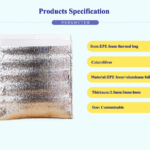
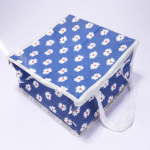
| Revestimiento o caja aislada | Reduce la ganancia de calor y protege contra la exposición ambiental. | No genera frío y puede perder valor si las costuras o las tapas están mal cerradas. |
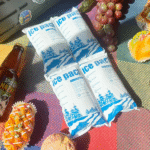
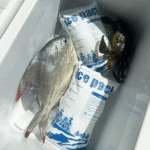
| Paquete de gel o ladrillo congelador | Añade reserva de refrigeración y simplifica muchos embalajes no peligrosos. | Puede no ser suficiente para rutas largas o heladas sin realizar pruebas |
| hielo seco | Proporciona un enfriamiento muy fuerte a baja temperatura para envíos congelados adecuados. | Se sublima en gas y puede requerir ventilación., calificación, y manejo especial |
| Registrador o indicador de temperatura | Crea evidencia para la revisión del carril y la recepción de decisiones. | Registra la temperatura pero no protege el producto. |
Esta comparación mantiene la decisión práctica.. Los componentes no son intercambiables sólo porque se utilizan en embalaje de cadena de frío. un forro, un refrigerante, y un registrador resuelven diferentes problemas. El papel del comprador es combinarlos sólo cuando la ruta, producto, y el proceso operativo respaldan la elección.
Qué verificar antes de realizar un pedido al por mayor
La compra al por mayor debe comenzar después de que la muestra haya demostrado más que su apariencia.. El comprador debe verificar las dimensiones internas utilizables., ajuste de carga útil, consistencia del material, compatibilidad con refrigerante, método de cierre, mano de obra de embalaje, y cualquier evidencia de prueba disponible. Si la cotización se basa en refrigerantes para alimentos congelados, hielo seco vs paquetes de gel envío de alimentos, asegúrese de que esos términos se refieran a los materiales reales y a los límites de rendimiento que se proponen, nombres de categorías no genéricos.
- Pregunte si el tiempo de espera indicado se midió con la misma carga útil y perfil ambiental que espera.
- Confirmar si las dimensiones son brutas, interno, o utilizable después del aislamiento y los refrigerantes.
- Compruebe si el material de muestra es el mismo material que se enviará en producción..
- Pregunte cómo maneja el proveedor las sustituciones de materiales., cambios de diseño, y repetir ordenes.
- Solicite un diagrama de embalaje o fotografías que pueda utilizar el personal del almacén.
- Defina los pasos de inspección de recepción antes de que el primer envío escalado salga de sus instalaciones..
Estas preguntas no frenan las adquisiciones; previenen retrabajos evitables. Si un proveedor no puede explicar los límites operativos del paquete, el comprador puede estar asumiendo un riesgo oculto. Si el proveedor puede discutir las limitaciones claramente, el comprador tiene una mejor base para probar y escalar.
Controles operativos después de que la caja sale del banco de empaque
Un pack-out sólo es fiable cuando la operación lo repite. Definir el tiempo de acondicionamiento del congelador para refrigerantes., El tiempo máximo que el producto puede permanecer fuera del almacenamiento en frío., el orden del paquete, el método de cierre de cartón, y el control de liberación. Para envíos de hielo seco, Incluye ventilación y revisión de etiquetas.. Para envíos de paquetes de gel o ladrillos congeladores, incluir verificación de acondicionamiento. para revestimientos, Incluye cierre de solapa y controles de costura..
El receptor debe tener instrucciones que coincidan con el producto.. Deberían saber si abrir inmediatamente., ¿Qué condición de llegada es aceptable?, donde colocar las mercancías, ¿Qué evidencia capturar si hay un problema?, y quién debería revisar las excepciones. Una buena instrucción de recepción no es un inserto de marketing.. Es una medida de control de riesgos que cierra el círculo de la cadena de frío..
Cuando un envío falla, Revisar la cadena antes de echarle la culpa a un solo material.. ¿El producto estaba completamente congelado?? ¿Se acondicionaron los refrigerantes?? ¿Se cambió el tamaño de la caja?? ¿Se produjo un retraso en el transportista?? ¿La caja estaba sin abrir?? ¿Estaba disponible el congelador receptor?? Estas preguntas conducen a soluciones útiles en lugar de conjeturas.
Prevención de riesgos por caso de uso
proyectos de comparación, lanzamientos de nuevos productos, revisiones de costos, evitación de manipulación peligrosa, mejoras de carril, y la planificación del embalaje estacional suelen ser buenos candidatos para el embalaje pasivo cuando el sistema se diseña cuidadosamente. El comprador aún necesita separar las rutas de bajo y alto riesgo. Las rutas de bajo riesgo pueden permitir un formato más simple de revestimiento y paquete de gel. Las rutas de mayor riesgo pueden necesitar un transportista con aislamiento rígido, más reserva de refrigerante, hielo seco, o un nivel de servicio diferente.
Herramientas útiles para tomar decisiones
Comprueba los detalles antes de elegir el embalaje.
Estas herramientas rápidas pueden ayudarle a comparar el riesgo de la ruta, necesidades de dimensionamiento, opciones de refrigerante, y detalles del embalaje antes de solicitar una cotización.
refrigerante & Referencia PCM
Compare las opciones de refrigerante y PCM cuando una ruta necesite soporte de temperatura adicional.
Comparar opcionesComprobador de riesgos de ruta
Revise las condiciones del carril antes de seleccionar el embalaje para requisitos operativos reales..
Comprobar riesgo de rutaReferencia del material aislante
Compare opciones de materiales aislantes para diferentes necesidades de embalaje de la cadena de frío.
Comparar materialesSituaciones en las que se desconoce el requisito del producto., el receptor no puede soportar hielo seco, la ruta no está mapeada, o el embalaje no ha sido probado con la masa de refrigerante planificada debería generar una discusión diferente. En estos casos, un comprador puede necesitar refrigeración activa, un sistema de envío térmico calificado, pruebas de ruta específica, o una decisión a nivel de producto sobre si el envío debe ofrecerse en absoluto. Decir no a una ruta inadecuada es a veces la decisión de embalaje más responsable.
Una marca de congelados elige entre packs de gel y hielo seco para un programa de paquetería regional. Los paquetes de gel simplifican el manejo pero pueden no proteger un carril caluroso de dos días; El hielo seco ofrece un mayor poder de congelación pero añade requisitos de seguridad y de transporte.. En esta situación, el equipo debe evitar saltar directamente a un pedido al por mayor. Un mejor camino es probar una pequeña cantidad de paquetes., condición de llegada récord, revisar los comentarios del receptor, y luego estandarizar la receta que proporcione el mejor equilibrio de protección, mano de obra, costo, y experiencia del cliente.
Errores comunes que se deben eliminar del proceso
Los mismos errores evitables aparecen en muchos programas de congelación y cadena de frío.. Los equipos compran por dimensiones exteriores en lugar de por volumen utilizable. Se prueban en clima templado y se lanzan en verano. Acondicionan los refrigerantes de manera inconsistente. Dejan paquetes en un muelle mientras completan trámites. Copian un paquete de un producto diferente porque la caja es similar.
- No normalice la selección solo por precio del refrigerante..
- No normalices olvidando que el hielo seco desaparece por sublimación.
- No normalice el uso de paquetes de gel para rutas de ultracongelado sin realizar pruebas.
- No normalice el sellado de hielo seco en envases herméticos.
- No normalice ignorando la seguridad del cliente al desembalar.
Un buen SOP debería eliminar esos errores del trabajo diario. Debe ser lo suficientemente breve para que lo utilicen los empacadores y lo suficientemente específico para que los equipos de calidad lo auditen.. Fotos, recuentos de componentes, y las comprobaciones de aceptación simples suelen ser más efectivas que instrucciones largas que nadie lee durante un período de envío muy ocupado.
Preguntas frecuentes
¿Cómo elijo paquetes de gel versus hielo seco para el envío de alimentos congelados para una nueva ruta??
Comience con la condición de llegada requerida del producto., luego mapear la duración de la ruta, puntos de entrega, estación, carga útil, y proceso de recepción. Elija aislamiento y refrigerante juntos, no por separado. Ejecute una prueba de muestra que coincida con el tamaño real de la caja y la carga útil antes de escalarla..
¿Qué pruebas debe presentar un proveedor??
La prueba útil incluye detalles materiales., dimensiones utilizables, diagramas de embalaje, condiciones de prueba donde estén disponibles, y límites operativos claros. Un número amplio de tiempo de espera sin carga útil, perfil ambiental, cantidad de refrigerante, o los criterios de aprobación/rechazo deben tratarse como una afirmación inicial, no es una decisión final.
¿Puedo usar un paquete para cada temporada??
A veces, pero hay que demostrarlo. Muchos programas necesitan ajustes estacionales porque la exposición ambiental, permanencia del portador, y las condiciones del destino cambian. Un plan estacional puede ser simple: un cambio de refrigerante aprobado, un corte de envío, un nivel de servicio mejorado, o un paquete alternativo para carriles de alto riesgo.
¿La opción más sostenible es siempre la opción más ligera??
No. La opción más sostenible también debe proteger el producto.. Un material más ligero que aumenta la pérdida de producto, reclamos, o los reenvíos pueden crear un peor resultado total. Evaluar evidencia térmica, ruta de eliminación, viabilidad de retorno, mano de obra, y tasa de daño juntos.
Conclusión
Notas de adquisiciones adicionales
Cuando el equipo de compras compara cotizaciones de paquetes de gel con hielo seco para el envío de alimentos congelados, debe separar el precio del material del costo operativo total. Espacio de almacenamiento, tiempo de embalaje, tasa de daño, capacitación, manipulación de hielo seco, recibir disputas, y los envíos de reemplazo pueden cambiar el costo real de un paquete. Se puede justificar un coste unitario ligeramente superior si el embalaje es más fácil de montar., más fácil de auditar, y es menos probable que genere quejas de temperatura o fugas.
El departamento de adquisiciones también debe confirmar el camino desde la muestra hasta la producción.. Pregunta si la misma película, pliegue del revestimiento, estructura de caja, llenado de refrigerante, y el diseño del cierre se utilizará en la producción.. Si el proveedor puede cambiar materiales, El comprador debe definir cuándo es necesaria la notificación y la repetición de pruebas.. Esto es especialmente importante para las comidas congeladas., helado, mariscos, artículos de panadería congelados, porciones de carne, y muestras de alimentos sensibles a la temperatura, donde pequeños cambios pueden afectar la estabilidad de la temperatura y la experiencia del cliente.
Finalmente, decidir quién es el dueño de la decisión de ir o no cuando ocurre una excepción de ruta. Un proveedor de embalaje puede recomendar componentes., pero el transportista debe definir los límites de envío, revisión de entrega tardía, instrucciones del receptor, y escalada de calidad. Esa división de responsabilidades evita que los paquetes de gel versus hielo seco para el envío de alimentos congelados se conviertan en una vaga promesa y lo convierte en un procedimiento operativo controlable..
Elegir bien los paquetes de gel frente al hielo seco para el envío de alimentos congelados significa hacer visible la promesa de la cadena de frío. Definir la condición requerida del producto., elegir componentes para sus roles reales, verificar el embalaje en condiciones realistas, y escribir controles operativos que las personas puedan repetir. La opción de menor riesgo no siempre es la más cara, y la opción más barata no siempre es económica. La mejor opción es aquella que protege la calidad del producto dentro de un marco claro., probado, y límite repetible.
Acerca de Tempk
Tempk ofrece packs de gel, paquetes de hielo seco, ladrillos de hielo del congelador, revestimientos de cajas aisladas, cajas de envío frías, Cajas aisladas de EPP, cubiertas de paletas, y materiales relacionados para comparar paquetes de alimentos congelados. Trabajamos con compradores que necesitan recomendaciones prácticas de embalaje para rutas reales., incluyendo reseñas de muestra, Discusiones sobre ajuste de cartón, y comparaciones de refrigerantes. Nuestra función es ayudar a conectar los materiales con las necesidades del producto y el flujo de trabajo de embalaje., al salir de la calificación de ruta, reglas del mercado, y criterios de aceptación del cliente hasta el proceso de calidad y logística del comprador..
Comparte tu tipo de producto, tiempo de ruta, carga útil, tamaño del cartón, y apunte a las condiciones de llegada con Tempk para comparar los paquetes de gel con el hielo seco para las opciones de envío de alimentos congelados antes de ampliarlos..