El Logística de cadena de frío de terapia celular y génica.El mercado está entrando en un período de rápido crecimiento.. Informes recientes estiman que el mercado global estaba valorado entre 1.850 millones de dólares y 2.100 millones de dólares en 2024. Las previsiones sugieren una tasa de crecimiento anual compuesta (Tocón) alrededor 15 - 17 % durante la próxima década, lo que impulsaría el mercado muy por encima de los 7 mil millones de dólares para 2033-2034. Este crecimiento está impulsado por las crecientes aprobaciones de terapias celulares y genéticas., aumentar la inversión en medicamentos personalizados, y avances en tecnologías de cadena de frío. El campo está altamente regulado y requiere un control preciso de la temperatura para mantener la eficacia del producto., lo que crea oportunidades y desafíos.

Tamaño del mercado y tendencias de crecimiento. – ¿Cuáles son las últimas cifras del mercado de logística de la cadena de frío de terapia celular y génica?, y qué segmentos se están expandiendo más rápidamente?
Requisitos y tecnologías de temperatura. – ¿Cómo funcionan los criogénicos?, ultralow and refrigerated temperature ranges impact logistics, y qué innovaciones mantienen la integridad del producto?
Desafíos y soluciones – ¿Qué normativa, Existen desafíos de temperatura y seguridad., y ¿cómo pueden los proveedores de logística mitigarlos??
Digital and AIdriven innovations – ¿Cómo son los sensores de IoT?, La IA y la automatización transforman las operaciones de la cadena de frío para la terapia celular y génica?
Perspectivas de futuro – ¿Qué tendencias darán forma al mercado a través de 2025 y más allá, incluyendo aprobaciones, crecimiento e inversión regional?
¿Cuáles son el tamaño actual del mercado y las tendencias de crecimiento en la logística de la cadena de frío de terapia celular y génica??
Tamaño del mercado y CAGR
Varias empresas de investigación de mercado informan de un crecimiento fuerte y acelerado. Expert Market Research estima que el mercado logístico de la cadena de frío de terapia celular y génica se valoró en 1.850 millones de dólares en 2024 y podría alcanzar 7.880 millones de dólares por 2034, dando un 15.6 % Tocón. El análisis de Market Intelo sitúa la 2024 valor ligeramente superior, alrededor 2.100 millones de dólares, y lo proyecta a 8.700 millones de dólares por 2033 con un 17.2 % Tocón. Towards Healthcare informa que el mercado alcanzó 1.890 millones de dólares en 2024, se espera que crezca hasta 2.190 millones de dólares en 2025, y puede superar 8.060 millones de dólares por 2034.
Las ligeras diferencias en el valor del año base reflejan metodologías variadas; sin embargo, todas las fuentes coinciden en que doubledigit growth es probable. Los controladores incluyen:
Ampliación de las aprobaciones de terapias celulares y génicas: En 2024 Estados Unidos. Aprobado por la FDA ocho nuevos productos de terapia celular y génica y al menos seis nuevas indicaciones, con proyecciones de 10–20 aprobaciones por año por 2025.
Gran cartera de terapias: Más que 2,500 nuevo fármaco activo en investigación (INDIANA) aplicaciones para terapias celulares y genéticas y aproximadamente 1,300 IND para terapias genéticas estaban archivados ante la FDA por 2024, señalando una tubería sólida que impulsará la demanda de logística especializada.
Adopción de medicina personalizada: Los avances en la medicina personalizada requieren soluciones logísticas a medida, pasando de envíos a granel a patientspecific, justintime modelos.
Perspectivas regionales y de segmentos
North America dominates but AsiaPacific is catching up. Estimaciones de Towards Healthcare que América del Norte mantuvo aproximadamente 44 % de la cuota de mercado mundial en 2024. AsiaPacific is forecast to be the región de más rápido crecimiento de 2025 a 2034. Los factores de apoyo incluyen altas tasas de aprobación en los EE. UU.. y europa, Crecimiento de ensayos clínicos y mejoras en infraestructura logística en Asia..
Tipos de servicio: Transporte representado alrededor 48 % de la cuota de mercado en 2024, mientras soluciones de monitoreo y seguimiento se espera que sean los segmento de más rápido crecimiento.
Tipos de terapia: Las terapias genéticas representaron 46 % del mercado en 2024, pero Se prevé que las terapias celulares crezcan más rápidamente..
Rango de temperatura: El segmento criogénico (–150 °C a –196 °C) sostuvo 52 % de la cuota de mercado en 2024, mientras que el segmento refrigerado (2–8 ° C) se espera que crezca más rápido.
Usuarios finales: Empresas farmacéuticas y biotecnológicas compuestas 55 % de la demanda en 2024. Specialty logistics providers are predicted to be the fastestgrowing enduser segment, reflejando una mayor subcontratación.
Servicios de cadena de suministro: Un análisis relacionado centrado en los servicios de la cadena de suministro. (Ampliar más allá de la logística para incluir la planificación y la distribución.) estimó este mercado en 1.580 millones de dólares en 2024 y lo proyectó a 4.270 millones de dólares por 2034. Los impulsores del crecimiento incluyen la prevalencia de enfermedades crónicas, inversión en nuevos productos, e iniciativas gubernamentales.
Logística de terceros: Grand View Research informó que la terapia celular y genética thirdparty logistics market fue valorado en 10.710 millones de dólares en 2024 (reflejando un alcance más amplio que incluye servicios 3PL) y podría alcanzar 20.040 millones de dólares por 2030, creciendo en 11.05 % Tocón. Norteamérica representada 38.13 % de este mercado en 2024.
¿Cómo definen los requisitos de temperatura la logística de la cadena de frío para la terapia celular y genética??
Mantener la temperatura correcta es fundamental para preservar la potencia y seguridad de las terapias celulares y genéticas.. Estas terapias involucran células vivas o material genético que son extremadamente sensibles a las fluctuaciones de temperatura.. Por tanto, la cadena de frío abarca criogénico, ultrabajo, temperatura ambiente refrigerada y controlada rangos.
Cryogenic and UltraLow Temperature Management
Temperaturas criogénicas (< –150°C) are required for many cell therapies and genemodified cell products. Terapias celulares CART, por ejemplo, debe permanecer por debajo de –130 °C. Temperaturas ultrabajas (–70 °C a –80 °C) Se utilizan para prevenir la degradación del ARN y mantener la estabilidad biológica.; Los anticuerpos monoclonales y las vacunas de ARNm suelen estar dentro de este rango.. El almacenamiento adecuado a estas temperaturas detiene la actividad metabólica y mantiene la viabilidad celular..
Temperatura ambiente refrigerada y controlada. (2–25°C) ranges are used for shortterm storage or when formulations allow higher temperatures.
Las técnicas de criopreservación incluyen controlledrate freezing, que enfría gradualmente las células a aproximadamente –1 °C por minuto para evitar la formación de cristales de hielo, y vitrificación, a rapid cooling method that turns cellular solutions into a glasslike state. Después de congelar, Los productos se almacenan en tanques de nitrógeno líquido entre –135 °C y –196 °C. Mantener estas temperaturas requiere equipos especializados como congeladores criogénicos., ultralowtemperature (ULT) freezers and dryvapor shippers.
Equipo y significado práctico.
| Rango de temperatura | Equipo típico | Lo que significa para ti |
| criogénico (< –150°C) | Tanques de nitrógeno líquido, dryvapor dewars, congeladores criogénicos | Preserves living cells and genemodified therapies at extremely low temperatures to maintain viability. |
| Ultrabajo (–70 °C a –80 °C) | Congeladores de temperatura ultrabaja, unidades ULT portátiles | Ensures stability of RNAbased products and certain biologics like mRNA vaccines. |
| Refrigerado (2 °C a 8 °C) | Contenedores isotérmicos con bolsas de hielo., vehículos frigoríficos | Adecuado para productos que necesitan refrigeración pero no congelación.; ideal for shortterm storage and transport. |
| Temperatura ambiente controlada (20 °C a 25 °C) | Embalaje con temperatura controlada, soluciones de envío ambiental | Permite productos formulados para almacenamiento a temperatura ambiente.; reduce la complejidad pero aún requiere monitoreo para la estabilidad. |
Consejos prácticos para mantener la integridad de la temperatura:
Planificar envíos en función de la estabilidad del producto.: Comprenda los requisitos de temperatura específicos de cada terapia y elija el embalaje adecuado. (p.ej., materiales de cambio de fase, hielo seco, nitrógeno líquido) y duración del envío.
Utilizar cargadores validados: Elija contenedores certificados para mantener la temperatura requerida durante el tiempo esperado.; Muchos vienen con sensores integrados que alertan a los manipuladores si las temperaturas se desvían..
Garantizar la redundancia: Para viajes largos, select solutions such as dryice replenishment systems and backup cooling sources, especialmente para envíos criogénicos.
Temperature mapping and preconditioning: Validar embalajes bajo diversas condiciones ambientales. (extremos cálidos y fríos) and precondition shippers and coolants before loading.
OntheGround Realities
Caso real: Durante el lanzamiento de la vacuna COVID19, Las vacunas de ARNm requerían almacenamiento a unos –70 °C. Companies scrambled to acquire specialized freezers and dryice shippers and established controltower monitoring to maintain these temperatures. Aunque las vacunas difieren de las terapias celulares y genéticas, the lessons—securing ultracold capacity, personal de formación, y seguimiento de envíos: se aplican directamente a terapias avanzadas.
¿Cuáles son los desafíos clave en la logística de la cadena de frío de la terapia celular y génica??
La cadena de frío para las terapias celulares y genéticas está plagada de desafíos. Antón James, especialista en logística en Biocair, destaca cinco cuestiones críticas: cumplimiento regulatorio, control de temperatura y tiempo, despacho de aduana, comunicación y coordinación, y seguridad/cadena de custodia. No abordar cualquiera de estos puede comprometer las terapias y poner en peligro a los pacientes..
Cumplimiento Normativo y Armonización
Los envíos de terapia celular y genética deben cumplir con una compleja combinación de Buenas prácticas de distribución (PIB), IATA regulations and countryspecific import/export laws. No existe un conjunto de reglas universales; las interpretaciones difieren según la jurisdicción. Los requisitos de documentación varían, aumentando el riesgo de retrasos en la aduana y deterioro del producto. Para terapias avanzadas que necesitan transporte criogénico, Se intensifica el escrutinio regulatorio.
como navegar:
Desarrollar una inteligencia regulatoria profunda: Maintain uptodate knowledge of global and regional regulations. Recursos dedicados o socios especializados pueden monitorear los cambios.
Implementar sistemas sólidos de gestión de calidad. (sistema de gestión de la calidad): Estandarizar procesos, documentación y capacitación para garantizar el cumplimiento en todas las operaciones.
Cree SOP universales con adendas localizadas: Harmonize procedures across regions while including countryspecific requirements to minimize human error.
Formar alianzas estratégicas: Colaborar con proveedores de logística experimentados que tienen presencia global y experiencia regulatoria..
Establecer acuerdos de calidad y auditorías.: Formalizar responsabilidades y realizar evaluaciones periódicas para garantizar el cumplimiento mutuo..
Sensibilidad a la temperatura y al tiempo
Las terapias celulares y genéticas tienen ventanas de viabilidad cortas; los retrasos pueden inutilizarlos. Se debe mantener un estricto control de la temperatura en cada etapa., incluyendo empaque, tránsito, entrega aduanera y clínica. Monitoreo en tiempo real Es vital detectar desviaciones antes de que causen daños..
Las estrategias incluyen:
Sensores integrados y dispositivos de seguimiento.: Utilice sensores de IoT integrados en los transportistas para registrar la temperatura, humedad y ubicación en tiempo real. Las torres de control de la cadena de frío pueden monitorear los envíos 24/7 e intervenir cuando surjan anomalías.
Optimización de enrutamiento: Planifique rutas para evitar retrasos conocidos, clima extremo o puertos congestionados. Los algoritmos de IA pueden recomendar rutas u horarios alternativos para reducir el riesgo.
Reservas de reserva y planes de contingencia: Maintain backup doses or contenedores de transporte to quickly replace shipments affected by delays or excursions.
Despacho Aduanero y Documentación
Crossborder shipments are subject to customs checks that can delay deliveries. Documentación incompleta o incorrecta es una de las principales causas de retrasos. Para terapias celulares y genéticas, cualquier retraso puede comprometer la viabilidad.
Medidas de mitigación:
Preclearance and customs brokerage: Work with brokers experienced in lifescience logistics to prepare documents and expedite clearance.
Countryspecific documentation checklists: Asegúrese de que los documentos de envío, Los permisos y declaraciones cumplen con los requisitos de cada país.. Algunos proveedores de logística ofrecen generadores de documentos automatizados que se alinean con los cambios regulatorios..
Comunicación, Coordinación y Cadena de Custodia
La logística exitosa de la terapia celular y génica requiere una comunicación clara entre los fabricantes, transportistas, agentes de aduanas, clínicas y pacientes. Las instrucciones deben seguirse con precisión., y los envíos deben mantener un estado ininterrumpido cadena de identidad y custodia. Security breaches or mixups can jeopardize patient safety.
Herramientas útiles para tomar decisiones
Comprueba los detalles antes de elegir el embalaje.
Estas herramientas rápidas pueden ayudarle a comparar el riesgo de la ruta, necesidades de dimensionamiento, opciones de refrigerante, y detalles del embalaje antes de solicitar una cotización.
Resistencia a la caída del material aislante
Revise la resistencia a caídas y los factores de manipulación antes de elegir materiales aislantes..
Comprobar resistenciarefrigerante & Referencia PCM
Compare las opciones de refrigerante y PCM cuando una ruta necesite soporte de temperatura adicional.
Comparar opcionesComprobador de riesgos de ruta
Revise las condiciones del carril antes de seleccionar el embalaje para requisitos operativos reales..
Comprobar riesgo de rutaLas soluciones incluyen:
Protocolos de comunicación estandarizados: Use electronic systems that provide stepbystep instructions and capture confirmations at each handover.
Tamperevident packaging and seals: Proteger los contenidos y proporcionar evidencia de acceso no autorizado..
Identificadores únicos y registros digitales: Asigne un código único a cada terapia y registre cada movimiento para mantener la cadena de custodia.. Las tecnologías blockchain ofrecen seguimiento inmutable.
How Are Digital and AIDriven Innovations Transforming cadena de frío Logistics?
Las tecnologías digitales están revolucionando la logística de la cadena de frío para la terapia celular y genética. sensores de iot, plataformas basadas en la nube, IA y automatización mejorar la visibilidad, predecir y prevenir fallas, y reducir las tareas manuales.
IoT y monitoreo en tiempo real
Uso de sistemas modernos de cadena de frío. Internet de las cosas (IoT) sensores que transmiten continuamente la temperatura, Datos de humedad y ubicación para torres de control.. Alertas en tiempo real permitir a los operadores intervenir antes de que se comprometa la integridad del producto. Por ejemplo, Fabricantes como Envirotainer tienen sensores integrados en contenedores que pueden ajustar automáticamente las condiciones internas o alertar a las torres de control remoto cuando el hielo seco se está agotando.. Estos sistemas también soportan torres de control de cadena de frio, Centros centralizados que monitorean los envíos en todo el mundo y utilizan la IA para priorizar las intervenciones..
Análisis predictivo y plataformas de IA
La IA transforma los datos sin procesar en información procesable. Análisis predictivo analizar patrones de temperatura, previsiones meteorológicas, tráfico y retrasos históricos para anticipar posibles excursiones. Machinelearning algorithms can detect anomalies in temperature curves and raise alerts before equipment fails.
En Instalaciones de Bayer en Berkeley, una plataforma interna de IA utiliza automatización de borde y etiquetas inteligentes para cambiar la logística de reactivo al cumplimiento predictivo. Las etiquetas inteligentes capturan metadatos como la ubicación, marcas de tiempo, Historia del proceso y exposición a la temperatura.. Los drones de inventario con múltiples cámaras y lectores de códigos de barras automatizan el recuento de existencias. Los sensores de IoT en los envíos permiten a la empresa descargar datos ambientales inmediatamente después de su llegada., permitiendo una visibilidad continua en toda la cadena de frío global. Such AIenabled systems reduce manual data entry and help prevent deviations, mejorar la eficiencia y el cumplimiento.
Gemelos digitales y automatización
Los gemelos digitales (réplicas virtuales de procesos físicos) permiten a los proveedores de logística simular diferentes escenarios y optimizar las operaciones.. En el caso de Bayer, Los agentes de IA pueden simular señales de demanda y escenarios logísticos, mejorar la previsibilidad y la asignación de recursos. Automatización, incluyendo la robótica, drones y reconocimiento óptico de caracteres (LOC), captura datos directamente desde el entorno del almacén y elimina el papeleo manual.
Otras innovaciones incluyen:
Tecnologías avanzadas de congelación que proporcionan una refrigeración más fiable con una eficiencia energética mejorada.
Alto rendimiento embalaje aislado using vacuum panels and phasechange materials that maintain ultracold temperatures for longer periods.
Continuous dryice replenishment systems y monitoringintegrated containers que ajustan automáticamente el enfriamiento según los datos del sensor.
AIdriven maintenance de congeladores y equipos mediante análisis predictivo de fallos.
Juntos, estas tecnologías aumentar la visibilidad de la cadena de suministro, Reducir el desperdicio, y hacer que la logística sea más resiliente y escalable.
¿Cuáles son los segmentos y oportunidades del mercado??
Oportunidades del segmento de servicios
El transporte sigue siendo el segmento de servicios más grande con aproximadamente 48 % participar en 2024. Sin embargo, soluciones de monitoreo y seguimiento están destinados a crecer más rápidamente debido a la creciente adopción de tecnologías de IoT e IA. Proveedores de logística que invierten en plataformas de seguimiento integradas, Las torres de control y el análisis predictivo capturarán una importante cuota de mercado..
Segmentos de terapia y temperatura
Terapias genéticas ordenó 46 % compartir del mercado en 2024, pero terapias celularesSe espera que los productos (especialmente los productos autólogos) crezcan más rápido porque involucran células vivas que requieren un manejo riguroso.. El segmento criogénico sostuvo 52 % compartir pero envíos refrigerados están creciendo rápidamente a medida que la ciencia de la formulación mejora y algunas terapias se vuelven estables a temperaturas más altas. Empresas en desarrollo roomtemperature stable formulations podría alterar el mercado al reducir la dependencia de la cadena de frío.
EndUser and Regional Opportunities
Las empresas farmacéuticas y biotecnológicas representan 55 % de demanda, reflejando su responsabilidad en la fabricación y distribución de terapias. Los proveedores de logística especializada están preparados para crecer más rápidamente a medida que aumenta la subcontratación.
Norteamérica lidera el mercado con 44 % compartir, pero AsiaPacific’s rapid growth—impulsado por la ampliación de los ensayos clínicos, Mejorar la infraestructura y apoyar reformas regulatorias: ofrece nuevas oportunidades.. Los proveedores deben construir redes regionales y adaptar los servicios a los requisitos locales..
Impulsores y barreras del crecimiento del mercado
Conductores incluir:
Rápido aumento de aprobaciones y cartera de proyectos de la CGT: Se aprobaron ocho nuevas CGT en 2024, y la cartera incluye miles de aplicaciones IND.
Patientspecific logistics: Pasar de envíos a granel a tratamientos individualizados exige cadenas de suministro flexibles y receptivas.
Inversión e innovación: Los gobiernos y los inversores privados financian nuevos centros logísticos, tecnologías de automatización y monitoreo.
Barreras implican altos costos, complejidad regulatoria, shortage of almacenamiento en frío capacity and skilled workforce, y riesgo de pérdida de producto debido a variaciones o retrasos de temperatura.
2025 Tendencias y perspectivas de futuro
Descripción general de la tendencia
El mercado logístico de la cadena de frío de terapia celular y génica está preparado para doubledigit growth a través de 2034. Las tendencias clave incluyen un aumento automatización y adopción de IA, innovations in ultracold storage, Armonización regulatoria e infraestructura regional ampliada..
Últimos desarrollos
Adopción de IA: Empresas como Bayer están implementando plataformas de inteligencia artificial con automatización de borde, etiquetas inteligentes, Drones y sensores de IoT para pasar de la logística reactiva a la predictiva.
Soluciones de monitoreo integradas: Cold chain control towers use realtime data to manage thousands of shipments and automatically prioritize interventions. Monitoring and tracking solutions are expected to be the fastestgrowing service segment.
Ultracold innovations: Los congeladores avanzados alcanzan –80 °C a –100 °C con eficiencia energética mejorada. Portable ultralow freezers and highperformance insulated packaging allow longduration transport of cryogenic therapies.
Smart containers with dryice replenishment ajusta automáticamente el enfriamiento según las lecturas del sensor, reducir el riesgo durante los viajes largos.
Iniciativas regulatorias: La FDA y otros reguladores se están centrando en convergencia global. Programas como el Piloto global de CoGenT objetivo de armonizar los procesos de revisión de la terapia génica en todos los países. Las regulaciones continúan endureciéndose en torno al PIB y el cumplimiento de la IATA.
Diversificación de la cadena de suministro: As AsiaPacific grows, Las redes logísticas se expandirán a nuevos mercados., Requiere asociaciones e infraestructuras locales.. La financiación gubernamental respalda nuevos centros de cadena de frío y fomenta la innovación.
Reducción de la dependencia de la cadena de frío: Investigaciones sobre ambientstable formulations (p.ej., freezedried vaccines and shelfstable gene therapies) aims to reduce reliance on ultracold shipping. Aunque todavía está surgiendo, Estos avances podrían remodelar la logística a largo plazo..
Resumen de conocimientos del mercado
El Mercado logístico de cadena de frío de terapia celular y génica. continuará expandiéndose rápidamente a medida que se aceleren las aprobaciones y la medicina personalizada se generalice. Inversión en tecnologías digitales, infraestructura, y la experiencia en cumplimiento será esencial. Empresas que aprovechan la IA, El análisis predictivo y el embalaje avanzado obtendrán una ventaja competitiva., mientras que aquellos que descuidan el cumplimiento normativo o dependen de procesos manuales pueden quedarse atrás.
Preguntas frecuentes
Q1: ¿Por qué la logística de la cadena de frío es fundamental para las terapias celulares y genéticas??
Las terapias celulares y genéticas consisten en células vivas o material genético que se degradan rápidamente fuera de rangos de temperatura específicos.. Maintaining cryogenic or ultralow temperatures preserves viability and efficacy. Sin cadena de frío adecuada, las terapias pueden perder potencia, plantear riesgos a los pacientes y causar pérdidas financieras.
Q2: ¿Cómo mejora la IA la gestión de la cadena de frío??
AI analyzes realtime data from IoT sensors to predict temperature excursions, recomendar ajustes de ruta, detectar fallas en los equipos y automatizar el cumplimiento. Por ejemplo, La plataforma de inteligencia artificial de Bayer utiliza etiquetas inteligentes, Drones y automatización de vanguardia para cambiar la logística de reactiva a predictiva.
Q3: Qué regulaciones se aplican a los envíos de terapia celular y génica?
Los envíos deben cumplir con Buenas Prácticas de Distribución (PIB), IATA’s perishable cargo regulations and countryspecific import/export laws. Los requisitos de documentación varían según la jurisdicción y el incumplimiento puede provocar retrasos., Deterioro del producto y sanciones reglamentarias..
Q4: ¿Qué segmento está creciendo más rápido en el mercado??
Monitoring and tracking solutions are expected to be the fastestgrowing service segment because of increasing adoption of IoT and AI technologies. Entre los tipos de terapia, Se prevé que las terapias celulares crezcan más rápido que las terapias génicas..
Q5: ¿Cómo están afrontando las empresas la complejidad regulatoria global??
Las estrategias incluyen el desarrollo de inteligencia regulatoria profunda, implementar sistemas robustos de gestión de calidad, creación de SOP estandarizados con adendas locales, formar asociaciones estratégicas con proveedores de logística experimentados, y establecer acuerdos de calidad con auditorías periódicas.
Resumen y recomendaciones
Control de llave
Rápida expansión del mercado: El mercado logístico de la cadena de frío de terapia celular y genética fue aproximadamente Entre 1.850 y 2.100 millones de dólares EE.UU. 2024 y se prevé que supere 7 dólares estadounidenses – 8 mil millones para principios de la década de 2030, con CAGR alrededor 15 - 17 %.
Liderazgo del segmento: América del Norte lidera con 44 % compartir, mientras que Asia Pacífico es la región de más rápido crecimiento. El transporte es el segmento de servicios más grande; escucha & Se espera que las soluciones de seguimiento y las terapias celulares crezcan más rápidamente..
El control de la temperatura importa: Cryogenic and ultralow temperatures preserve product viability; innovaciones como congeladores avanzados, highperformance packaging and dryice replenishment extend capabilities.
Complejidad regulatoria: Los envíos globales deben navegar por PIB variables, IATA and countryspecific regulations. Sistema de gestión de la calidad sólido, La armonización de los SOP y las asociaciones estratégicas son esenciales.
Transformación digital: sensores de iot, control towers and AI platforms provide realtime visibility and predictive analytics, Cambiar la logística de reactiva a proactiva.
Pasos procesables
Invierta en monitoreo digital: Adopt IoTenabled shippers, torres de control y análisis predictivos para monitorear los envíos en tiempo real e intervenir de manera proactiva.
Fortalecer el cumplimiento normativo: Construir o subcontratar inteligencia regulatoria, implementar un sistema de gestión de la calidad integral y armonizar los SOP en todas las regiones. Asóciese con proveedores 3PL experimentados para despacho de aduanas y manejo especializado.
Mejorar la infraestructura de la cadena de frío: Expand cryogenic and ultralow storage capacity, invest in portable ultralow freezers and highperformance packaging, y garantizar la redundancia para envíos largos.
Aprovechar la IA y la automatización: Explore las plataformas de IA para el cumplimiento predictivo, gemelos digitales para la planificación de escenarios y drones o robots para la gestión de inventarios.
Prepárese para el crecimiento: Desarrollar estrategias regionales, especialmente en Asia Pacífico, and align services with the fastestgrowing segments (Monitoreo/seguimiento y terapias celulares.). Manténgase informado sobre las innovaciones en formulación que pueden reducir la dependencia de la cadena de frío.
Acerca de Tempk
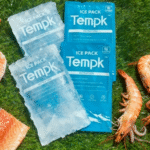
Tempk is a specialized provider of embalaje de cadena de frío solutions tailored for pharmaceutical, biotechnology and lifescience applications. desarrollamos ecológico cajas aisladas, bolsas de hielo en gel and cryogenic transport containers Diseñado para mantener los estrictos rangos de temperatura necesarios para las terapias celulares y genéticas.. Our researchdriven approach focuses on Innovación de materiales e ingeniería térmica., Garantizar que los productos permanezcan dentro de los rangos de temperatura especificados durante períodos prolongados.. Colaboramos con expertos regulatorios para cumplir con los estándares GDP e IATA, y nuestros productos son reutilizables y reciclables, ayudando a los clientes a reducir el impacto ambiental.
Llamado a la acción: To ensure the safety and efficacy of your temperaturesensitive shipments, reach out to Tempk for a tailored solución de cadena de frío. Nuestros expertos pueden ayudarle a seleccionar el embalaje adecuado, validar el rendimiento y respaldar el cumplimiento en todas las rutas logísticas globales.