Última actualización: Enero 14, 2026
Elegir un hielo en gel insertar fabricante de biotecnología no es una compra de productos básicos. Estás seleccionando un socio que te ayude a mantener un carril de temperatura ajustado, prevenir fugas, y manténgase preparado para las auditorías. Muchos productos biológicos y vacunas requieren almacenamiento refrigerado a una temperatura de entre 2 y 8 °C. (36–46 °F), y una guía advierte que la congelación puede dañar permanentemente algunas vacunas líquidas. Esta guía le ofrece una práctica 2026 libro de jugadas a la fuente, prueba, y escala inserciones de hielo en gel sin la «muestra se ve genial, problema de desviaciones de producción.
Qué obtendrás de esta guía
Cómo definir su carril de temperatura con su fabricante biotecnológico de insertos de hielo en gel (2–8 ° C, congelado, o CRT)
Cómo reducir el riesgo de congelación en envíos refrigerados mediante un acondicionamiento y embalaje más inteligentes
Una hoja de especificaciones de copiar y pegar para la fabricación de insertos de hielo en gel con seguimiento por lotes
Un plan de calificación simple que utiliza perfiles térmicos y pruebas repetibles.
Una rutina de prueba de durabilidad para costuras estancas y manejo real
A 2026 instantánea de tendencias y un plan de acción que puede ejecutar este mes
¿Qué fabrica realmente un fabricante biotecnológico de insertos de hielo en gel??
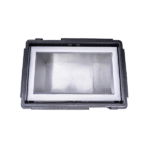
Un fabricante biotecnológico de insertos de hielo en gel fabrica «insertos» de refrigerante sellados que caben en su interior cargadores aislados. Los insertos no son genéricos. bolsas de hielo. Tienen una forma que coincide con las cavidades del cargador., paredes laterales, tapas, o canales de esquina. Esa forma es lo que te ayuda a evitar puntos calientes y picos fríos..
En el transporte marítimo biotecnológico, «rendimiento» significa que el inserto se comporta de manera predecible después del acondicionamiento. También significa que el inserto permanece sellado después de los ciclos de reutilización.. Si alguno falla, tu sistema falla.
Las tres capas de rendimiento que debes controlar
Un fabricante biotecnológico de insertos de hielo en gel controla tres capas que impulsan los resultados:
Comportamiento térmico: que frio empieza y que rapido calienta.
Geometria y masa: cómo encaja y cuánta capacidad de refrigeración proporciona.
Contención: Estructura de la película y resistencia de las costuras que evitan fugas..
| Capa | ¿Qué puede salir mal? | Lo que significa para ti |
|---|---|---|
| Comportamiento térmico | sobreenfriamiento o tiempo de espera corto | excursiones y riesgo del producto |
| Geometría + masa | gradientes desiguales | fallas en las esquinas y reevaluaciones |
| Contención | microfugas después del ciclismo | daño, reclamos, confianza perdida |
Consejos prácticos y recomendaciones.
Pregunte a su fabricante biotecnológico de insertos de hielo en gel sobre la tolerancia masiva, no solo masa promedio.
Requerir muestras con intención de producción realizadas en la línea de sellado real.
Trate las inserciones como parte de un sistema: insertar + expedidor + acondicionamiento + empacar.
Patrón del mundo real: La mayoría de los fallos «inesperados» se deben a pequeñas derivas de masa, acondicionamiento, o calidad de la costura.
¿Qué carril de temperatura debe admitir su fabricante de biotecnología con inserto de hielo en gel??
Tu carril lo decide todo: comportamiento del gel, método de acondicionamiento, y estrategia de embalaje. Si te saltas este paso, comprarás en exceso el inserto incorrecto.
Para vacunas refrigeradas, La guía de los CDC hace referencia repetidamente a mantener la temperatura del refrigerador entre 2°C y 8°C (36°F y 46°F). El lenguaje de etiquetado de la USP también describe "almacenar en el refrigerador" entre 2°C y 8°C.. Si su producto es «CRT,» La USP describe el etiquetado con temperatura ambiente controlada, entre 20 °C y 25 °C., con variaciones permitidas entre 15°C y 30°C.
Refrigerador vs CRT vs congelado: define tu carril primero
| carril | Lenguaje de etiqueta típico | Riesgo operativo común | Lo que optimizas |
|---|---|---|---|
| Refrigerado | 2–8 ° C | puntos calientes de congelación | frio suave + espaciado |
| CRT | 20–25°C | calentamiento excesivo | almacenamiento en búfer + aislamiento |
| Congelado | producto específico | descongelación | capacidad + control activo |
Consejos prácticos y recomendaciones.
No utilice palabras vagas como "ambiente". Utilice un rango de temperatura. Los rangos de notas de la USP son más claros que las etiquetas vagas en la práctica.
Comparta su carril y tiempo de ruta con el fabricante biotecnológico de insertos de hielo en gel antes de solicitar una cotización.
Si envías por aire, La IATA señala que las franjas comunes de vacunas incluyen entre 2 y 8 °C o -20 °C, dependiendo de las necesidades del producto.
regla sencilla: Su fabricante biotecnológico de insertos de hielo en gel no puede diseñar "correctamente" hasta que su carril sea explícito.
¿Cómo se previenen los daños por congelación en envíos entre 2 y 8 °C??
El riesgo de congelación es la costosa sorpresa en las vías refrigeradas. Muchos equipos añaden «más frío» para estar seguros. Eso puede crear una zona de contacto fría que cae por debajo de los límites seguros., incluso si el promedio se ve bien.
Los CDC advierten que las vacunas líquidas que contienen un adyuvante de aluminio pueden perder potencia permanentemente cuando se exponen a temperaturas bajo cero, y dice explícitamente «No congelar» para estos casos. La guía de estabilidad de la ICH también recomienda realizar estudios de estrés para comprender si las exposiciones accidentales durante el transporte son perjudiciales..
Desencadenantes del riesgo de congelación (y como eliminarlos)
| Activador de riesgo de congelación | ¿Qué lo causa? | Solución que puedes implementar |
|---|---|---|
| Insertar acondicionado demasiado frío | Acondicionamiento del congelador para un carril de 2 a 8 °C. | utilizar acondicionamiento por etapas y control SOP |
| Contacto directo de inserción a carga útil | caries apretadas, sin buffer | agregar espaciador o rediseñar el paquete |
| Inserciones concentradas en un lado | Hábitos de «empaque fácil» | distribuir simétricamente |
| Solo un sensor | falsa confianza | Coloque sensores en las esquinas y en el centro. |
Consejos prácticos y recomendaciones.
Poner el condicionamiento por escrito.. Trátelo como un paso de fabricación..
Diseñe paquetes para que no haya contacto frío directo con las zonas de carga útil más sensibles..
Validar el «peor caso»,» no es el escenario más atractivo.
Verificación de la realidad: Un transportista puede pasar la temperatura promedio y aun así fallar debido a una esquina congelada..
Cómo redactar una hoja de especificaciones para su fabricante biotecnológico de insertos de hielo en gel
Una hoja de especificaciones evita sustituciones silenciosas y protege sus resultados de calificación. Las orientaciones del PIB de la UE establecen que los pasos críticos y los cambios significativos deben justificarse y, cuando sea relevante, validado. Si su inserto se desplaza, su remitente validado también se desvía.
Mantenga sus especificaciones medibles, simple, y fácil de inspeccionar.
Plantilla de hoja de especificaciones (copiar/pegar)
| Artículo de especificación | Tu objetivo | cheque de aceptación | Lo que significa para ti |
|---|---|---|---|
| Insertar dimensiones | ___ mm × ___ mm | medida 10 piezas | adaptar + embalaje repetible |
| masa de gel | ___ gramos ± ___ gramos | pesar 10 piezas | capacidad térmica predecible |
| Etiqueta de carril | 2–8 / CRT / congelado | coincidencia de etiquetas | previene la fórmula incorrecta |
| Estructura de la película | barrera / multicapa | declaración de materiales | filtración + control de olores |
| Diseño de costura | bordes reforzados | inspección de costura | durabilidad a lo largo de los ciclos |
| Codificación de lotes | unidad + caja de cartón | prueba fotográfica | trazabilidad rápida |
| POE de acondicionamiento | paso a paso | POE firmado | resultados repetibles |
Por qué la tolerancia a la masa de gel es una «palanca de calificación oculta»
Incluso los pequeños cambios de deriva de masa mantienen el tiempo y los gradientes. También cambia si los resultados del piloto se repiten..
| Deriva masiva | Lo que ves en los envíos | lo que te cuesta |
|---|---|---|
| demasiado bajo | corto tiempo de espera | excursiones cálidas |
| demasiado alto | frío temprano más fuerte | riesgo de congelación |
| Inestable | resultados inconsistentes | reexámenes y retrasos |
Consejos prácticos y recomendaciones.
Añadir «no sustitución sin aprobación» para película y gel.
Requerir una ventana de notificación de cambios antes de que cambie cualquier proceso.
Mantenga un inserto de «muestra de oro» para compararlo con lotes futuros.
A buenos proveedores les gustan las especificaciones.. Las especificaciones reducen las discusiones y evitan costosas repeticiones.
en biotecnología, la trazabilidad no es un lujo. Es su camino más rápido hacia la contención y la causa raíz.
Guía modelo de la OMS para el tiempo- y productos sensibles a la temperatura Incluye expectativas en torno a la calibración y verificación de dispositivos de monitoreo., incluida la calibración con respecto a un estándar de referencia trazable al menos una vez al año (a menos que se justifique lo contrario). El suplemento de seguimiento de la OMS también enfatiza que los dispositivos de seguimiento proporcionan un historial de exposición a la temperatura y que los SOP/SLA deben especificar el uso del dispositivo y cómo se recopilan y almacenan los datos..
El PIB de la UE también dice que los vehículos y equipos deben ser adecuados y estar equipados para evitar la exposición a condiciones que podrían afectar la calidad del producto..
Puntos de control de calidad que evitan fallos en el mundo real
| punto de control de calidad | lo que pides | lo que previene |
|---|---|---|
| Comprobación de película entrante | espesor + especificación de barrera | costuras débiles y pinchazos |
| Registros de sellado en proceso | parámetros de lote registrados | deriva de la costura |
| Muestreo masivo | cada plan de muestreo por lotes | deriva térmica |
| Inspección de fugas | control aleatorio de presión o remojo | microfugas en el campo |
| Trazabilidad del lote | código de lote de unidad/caja | investigaciones lentas |
Consejos prácticos y recomendaciones.
Requiere un flujo de trabajo de control de calidad de una página que pueda almacenar en su archivo de proveedor.
Pregunte cómo manejan los lotes no conformes (rehacer, chatarra, reemplazar).
Hacer que la calibración y las referencias trazables formen parte del programa..
una prueba sencilla: Solicite los registros de control de calidad del mes pasado. La respuesta te dice madurez inmediatamente..
Cómo calificar el rendimiento térmico con su fabricante biotecnológico de insertos de hielo en gel?
La calificación no es "una gran prueba". Es un proceso repetible. Tu defines el carril, enfatizarlo de manera realista, luego bloquea lo que funcionó.
ISTA describe los perfiles 7E como «el nuevo estándar» para pruebas de transporte térmico, desarrollado a partir de datos de transporte del mundo real, y toma nota de los datos de carril recopilados a lo largo 82 diferentes carriles. Eso es importante porque quieres perfiles que reflejen el envío real., no suposiciones.
ICH Q5C también explica que los productos biológicos a menudo necesitan temperaturas de almacenamiento definidas con precisión., y sugiere estudios de estrés para comprender si las exposiciones al transporte son perjudiciales..
Flujo de trabajo de calificación (simple, repetible, escalable)
Definir criterios de aceptación de carril y duración de ruta..
Herramientas útiles para tomar decisiones
Comprueba los detalles antes de elegir el embalaje.
Estas herramientas rápidas pueden ayudarle a comparar el riesgo de la ruta, necesidades de dimensionamiento, opciones de refrigerante, y detalles del embalaje antes de solicitar una cotización.
Calculadora de hielo seco
Calcule las necesidades de hielo seco para envíos congelados o ultrafríos antes de empacar.
Estimar hielo secoEvaluador de riesgo de ruta
Revise las condiciones del carril antes de seleccionar el embalaje para requisitos operativos reales..
Comprobar riesgo de rutaGenerador de lista de cumplimiento
Cree una lista de verificación práctica para la revisión del embalaje, envío, y documentación.
Crear lista de verificaciónElige el transportista + juego de insertos + disposición del paquete.
Coloque sensores en las esquinas y en el centro de carga útil..
Ejecute pruebas de perfil e identifique gradientes.
Ajuste el empaque y el acondicionamiento hasta que esté estable..
Repita en un segundo lote para confirmar la repetibilidad..
| Paso | lo que documentas | Por qué te importa |
|---|---|---|
| Criterios de carril | rango de temperatura + duración | evita el desplazamiento del alcance |
| Empacado | insertar posiciones + espaciado | controla los gradientes |
| Acondicionamiento | temperatura y tiempo de inicio | resultados repetibles |
| Resultados | pasa/falla por punto del sensor | captura puntos de acceso |
| Cerrar | especificaciones finales y SOP | evita la deriva |
Herramienta de decisión interactiva: «¿Está usted subprobando o sobreprobando??»
Date a ti mismo 1 punto por cada “sí”.
¿Tiene un SOP de condicionamiento escrito??
¿Pruebas las temperaturas de las esquinas?, no solo promedios?
¿Se repite la calificación en un segundo lote??
¿Registra fotos y pesos del paquete??
¿Tiene control de cambios con su fabricante??
0–2 puntos: Probablemente estés bajo prueba.
3–4 puntos: Estás en el medio seguro.
5 agujas: Estás construyendo repetibilidad, no solo resultados.
Meta: Menos sorpresas después, no más pruebas ahora.
Cómo realizar pruebas de durabilidad para insertos de hielo en gel a prueba de fugas?
El éxito térmico es inútil si los insertos tienen fugas. Las fugas dañan las cajas, etiquetas, y protección de carga útil. La orientación de la OMS enfatiza el seguimiento y la documentación en todo el transporte y la distribución para demostrar el cumplimiento.. El PIB de la UE también destaca los equipos adecuados y los procesos controlados.
Las pruebas de durabilidad deberían imitar lo que realmente sucede: ciclismo, gotas, y compresión en cargadores embalados.
Plan de pruebas de durabilidad que puede ejecutar 7 días
Ciclo de congelación y descongelación 10 veces.
Prueba de caída desde la altura de manipulación en cada cara.
Prueba de compresión dentro de un contenedor completamente lleno.
Inspección de costuras después de cada etapa..
Registrar tipo de defecto y ubicación.
| Prueba | lo que revisas | pasar señal | Lo que significa para ti |
|---|---|---|---|
| congelar-descongelar | blanqueamiento de costuras, hinchazón | sin cambios | confiabilidad a largo plazo |
| Prueba de caída | divisiones de esquina | sin fugas | manejo de la resiliencia |
| Compresión | microfugas | costuras secas | seguridad de apilamiento |
| Chequeo visual | puntos pegajosos, abultado | ninguno | advertencia temprana |
Consejos prácticos y recomendaciones.
Redondear las esquinas si aparecen divisiones en las esquinas.
Reforzar los sellos si aparecen microfugas después de la compresión..
Conserve muestras de referencia de cada lote para realizar comparaciones..
Pequeño hábito, gran victoria: Las fotos de cada paquete detectan errores más rápido que las hojas de cálculo.
¿Cómo se establecen las expectativas de seguimiento para los envíos de biotecnología??
Ni siquiera las mejores inserciones pueden salvar un proceso débil. La monitorización cierra el círculo.
El conjunto de herramientas sobre vacunas de los CDC enfatiza que se deben medir y monitorear las temperaturas con un dispositivo de monitoreo de temperatura., y recomienda verificar/registrar las temperaturas mínimas y máximas durante la configuración y el funcionamiento diario. El suplemento de seguimiento de la OMS enfatiza que la evidencia se proporciona mediante dispositivos de registro que brindan un historial de exposición y que los POE deben especificar los tipos de dispositivos y el manejo de datos..
Lista de verificación de configuración de monitoreo
| Elemento de seguimiento | que definir | Lo que significa para ti |
|---|---|---|
| Tipo de dispositivo | maderero / indicador / sonda | calidad de la evidencia |
| Colocación | cerca de puntos de acceso a carga útil | detección precisa de riesgos |
| Intervalo | registro frecuente | mejor claridad de la causa raíz |
| Flujo de datos | quién revisa y cuándo | decisiones más rápidas |
| Calibración | referencias rastreables | preparación para la auditoría |
Consejos prácticos y recomendaciones.
Los registradores son más útiles cuando ya sabes qué harás con los datos.
Defina reglas de decisión de excursión antes de que salga el primer envío.
Tratar el seguimiento como parte de la calidad., no como algo "algo bueno de tener".
Si no puedes explicar el proceso de tu excursión en una sola página, no funcionará bajo estrés.
2026 tendencias para los programas de fabricantes biotecnológicos de insertos de hielo en gel
En 2026, Los compradores están pasando de «insertos de compra» a «sistemas de calificación». Ese cambio cambia lo que se debe exigir a un fabricante biotecnológico de insertos de hielo en gel.
Descripción general de la tendencia (¿Qué hay de nuevo en la práctica?)
Más diseños específicos de carril: Menos programas de «un inserto para todo».
Más pruebas basadas en perfiles: El pensamiento de estilo ISTA 7E está aumentando porque está basado en datos.
Más paquetes de auditoría: Los proveedores preparan la documentación de control de calidad y trazabilidad por adelantado..
Más enfoque en el riesgo de congelación: Los equipos están diseñando contra el sobreenfriamiento., no solo sobrecalentamiento.
Más presión sobre la sostenibilidad: Los ciclos de reutilización y los envases del tamaño adecuado se están convirtiendo en parte del abastecimiento..
Última instantánea del progreso
Mejor disciplina de SOP en torno al acondicionamiento y el embalaje..
Mayor énfasis en el seguimiento calibrado y los rastros de evidencia.
Mayor demanda de repetibilidad entre lotes, no solo pasa una vez.
Preguntas frecuentes
Pregunta 1: ¿Qué es un fabricante biotecnológico de insertos de hielo en gel??
Un fabricante biotecnológico de insertos de hielo en gel produce insertos de refrigerante sellados diseñados para adaptarse a contenedores aislados y soportar carriles de temperatura estable durante el transporte..
Pregunta 2: ¿Por qué entre 2 y 8 °C es un objetivo tan común en refrigeración??
La guía de vacunas de los CDC describe cómo mantener la temperatura del refrigerador entre 2°C y 8°C (36°F y 46°F) para muchas vacunas, y el lenguaje de etiquetado de la USP también utiliza 2–8 °C para las declaraciones de almacenamiento en refrigerador..
Pregunta 3: ¿Cuál es el mayor riesgo oculto en las vías frigoríficas??
Puntos de congelación. Los CDC señalan que la congelación puede reducir permanentemente la potencia de algunas vacunas líquidas con adyuvantes de aluminio.
Pregunta 4: ¿Con qué estándar de prueba debo comenzar??
Comience con un enfoque de perfil realista y repetibilidad. ISTA describe los perfiles 7E como un estándar de prueba de transporte térmico más nuevo desarrollado a partir de datos de carriles del mundo real..
Pregunta 5: ¿Qué documentos debe proporcionar un fabricante biotecnológico de insertos de hielo en gel??
Como mínimo: especificaciones de materiales, Registros de control de calidad, codificación de lotes, enfoque de calibración, y control de cambios escrito. La orientación de la OMS hace hincapié en la calibración y la evidencia de seguimiento documentada.
Pregunta 6: ¿Cómo evito la «muestra buena»?, producción diferente»?
Utilice muestras de intención de producción, tolerancias de bloqueo, y requerir notificación y aprobación de cambios antes de cualquier cambio de material o proceso..
Pregunta 7: ¿Necesito dispositivos de monitoreo si el embalaje está calificado??
Sí, si su sistema de calidad requiere evidencia y decisiones de excursión. La guía de seguimiento de la OMS destaca el historial de temperaturas registradas como evidencia durante el transporte.
Pregunta 8: ¿Con qué frecuencia se deben calibrar los dispositivos de monitoreo??
La guía modelo de la OMS describe la calibración de dispositivos de monitoreo de temperatura al menos una vez al año., a menos que se justifique lo contrario, contra un estándar de referencia trazable.
Resumen y recomendaciones
Se debe seleccionar un fabricante biotecnológico de insertos de hielo en gel mediante un sistema, no es un presentimiento. Primero, define tu carril (2–8 ° C, CRT, o congelado) y el riesgo de tu ruta. Luego bloquee una hoja de especificaciones medible con tolerancia de masa, estructura de la película, diseño de costura, y codificación de lotes. Validar la prevención del riesgo de congelación, no solo aguantar el tiempo. Construir un plan de calificación que sea realista y repetible., y realizar una prueba piloto en al menos dos lotes antes de escalar. El PIB de la UE hace hincapié en la validación de pasos críticos y el uso de equipos adecuados para proteger la integridad del producto, y las orientaciones de la OMS refuerzan el seguimiento calibrado y la evidencia documental.
Siguientes pasos (un plan de acción de 7 días)
Escribir criterios de carril y suposiciones de ruta. (tiempo + riesgo ambiental).
Envíe la plantilla de hoja de especificaciones a su lista corta de fabricantes biotecnológicos de insertos de hielo en gel.
Pruebe muestras con intención de producción para congelación y descongelación., gota, y durabilidad a la compresión.
Ejecute un piloto con sensores de esquina, embalajes documentados, y un SOP de acondicionamiento bloqueado.
Escale solo después de que un segundo lote coincida con los resultados del primer lote..
Acerca de Tempk
Y Tempk, construimos control de temperatura soluciones de embalaje for cadena de frío programs, incluidos insertos de hielo en gel diseñados para envíos aislados. Nos centramos en controles de fabricación repetibles., sellado duradero, y soporte de calificación basado en especificaciones. También podemos ayudarle a estructurar los SOP de acondicionamiento., plantillas de embalaje, y un panel piloto para que su programa de fabricantes biotecnológicos de insertos de hielo en gel crezca con menos sorpresas.
Llamado a la acción: Comparte tu carril objetivo, dimensiones del cargador, duración de la ruta, y congelar la sensibilidad. Le sugeriremos un marco de especificaciones y una lista de verificación de calificaciones que puede aplicar de inmediato.