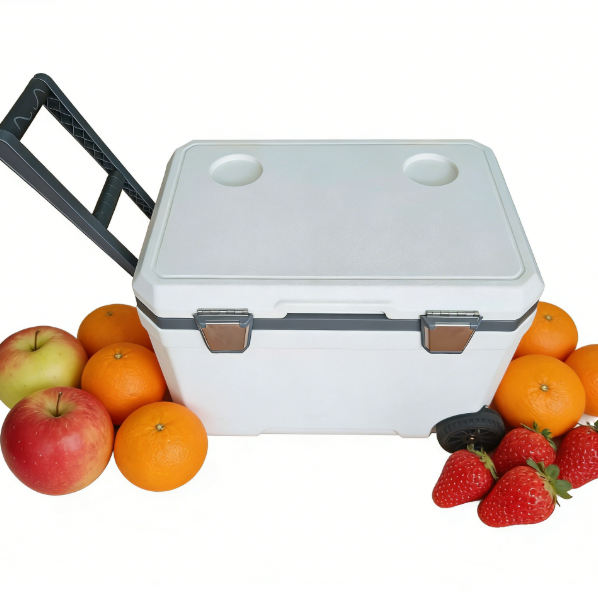
Cómo especificar una caja enfriadora de EPP con aislamiento térmico duradera
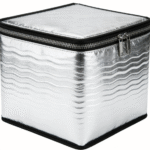
Un aislante térmico duradero Caja refrigeradora EPP debe especificarse por las funciones que debe conservar después del uso real: manejo seguro, asientos con tapa completa, apilamiento estable, colocación constante del refrigerante, superficies limpiables, y rendimiento térmico para un paquete definido. El EPP aporta amortiguación y aislamiento ligeros., pero ningún reclamo material demuestra una vida útil fija o un tiempo de espera. Los compradores necesitan un entorno operativo completo, Pruebas mecánicas y térmicas representativas de la producción., límites de inspección funcional, y un sistema de reutilización que controla la limpieza, componentes, regresa, y cambiar.
Escribe el trabajo del refrigerador como una ruta controlada.
Comience con un mapa de ruta. Registre dónde se almacena la hielera vacía., cómo se acondiciona el refrigerante, donde ocurre el embalaje, ¿Cuánto tiempo espera la caja antes de la salida?, qué vehículo y entregas siguen, con qué frecuencia se abre, como recibirlo lo descarga, y cómo la unidad vacía regresa para su limpieza.
Para cada etapa, identificar la temperatura, tiempo, movimiento de aire, luz del sol, contacto con el suelo, humedad, condición de pila, y operador responsable. Una ruta corta puede resultar difícil si la caja se encuentra en un muelle caliente o se abre repetidamente. Se puede controlar una ruta larga cuando el perfil ambiental y los traspasos son estables. La duración por sí sola no es suficiente.
Definir el rol exacto:
- un contenedor aislado dentro de una operación refrigerada;
- un enfriador pasivo con paquetes de gel o medios de cambio de fase;
- un remitente de paquetes con una capa de protección exterior;
- un paquete de atención médica reutilizable;
- un transportista de entrega de comida fría o caliente;
- una caja de manipulación general cuyo aislamiento es secundario.
El rol determina la evidencia.. Es posible que sea necesario adaptar un bolso general, manejo, y pruebas de limpieza. A cargador con temperatura controlada puede necesitar una calificación térmica completa, plan de seguimiento, instrucción de embalaje, y aprobación de calidad.
Definir el rango de carga útil y el espacio utilizable
Medir el producto en su presentación final de envío.. incluir cajas de cartón, botellas, bandejas de comida, bolsas, almohadillas absorbentes, divisores, etiquetas, sensores, y refrigerante. Registre la carga normal mínima y máxima.. La caja debe funcionar en ambos límites o tener configuraciones separadas..
Patrón de paleta de control de dimensiones externas, ajuste de estante, carretilla, cubo de vehículo, espacio libre de la puerta, y almacenamiento de devolución. Las dimensiones internas describen la cavidad moldeada.. Las dimensiones utilizables describen lo que queda después de los radios de las esquinas., cono de pared, compromiso de la tapa, costillas, manijas, refrigerante, inserciones, y espacio libre de carga. El departamento de adquisiciones debe aprobar los tres.
Es necesaria una pila de tolerancia. La carga útil más grande puede satisfacer la cavidad más pequeña. Congelado paquetes de gel puede volverse rígido o cambiar de forma. Las etiquetas pueden arrugarse. Las bolsas flexibles pueden expandirse. Si se fuerza la tapa sobre la carga, puede parecer cerrado mientras una esquina gotea.
Planificar zonas controladas para el producto., refrigerante, separadores, colocación del sensor, y autorización de cierre. Apoye artículos frágiles en superficies fuertes.. Restringir el refrigerante denso para que no pueda golpear la carga útil durante el manejo.. Es posible que se necesite un módulo de llenado para cargas parciales., pero debe ser identificado e incluido en la lista de materiales..
Trate la tapa como un componente térmico crítico
Las paredes llaman la atención porque su espesor es visible. La interfaz de la tapa a menudo determina la repetibilidad real. Se abre con frecuencia, mezclado con diferentes cuerpos, cargado por pilas, expuesto a impactos, y a veces se usa incorrectamente como mango o superficie.
Una buena tapa ubica positivamente, asientos completamente alrededor del perímetro, tolera la variación dimensional normal, y sigue siendo práctico con guantes mojados. El borde debe soportar fuerzas de cierre sin labios finos ni transiciones bruscas.. La carga de la pila debe pasar a través de zonas de contacto diseñadas y no debe inclinar la tapa hacia la carga útil..
| Variable de cierre | Por que importa | Cómo verificar |
|---|---|---|
| Superposición y compromiso de esquina | Controla el intercambio de aire y la alineación. | Múltiples tapas y cuerpos de ajuste cruzado |
| Planitud del párpado | Afecta a los asientos del perímetro completo | Medida después del acondicionamiento y permanencia cargada. |
| Fuerza de apertura y cierre | Influye en el uso correcto del operador | Frío, cálido, húmedo, y pruebas con guantes |
| Espacio de cabeza de carga útil | Evita el cierre incompleto | Comprobaciones de carga máxima y sobrellenado |
| Contacto de pila | Transfiere fuerza vertical | Carga completa permanece en palet real |
| Correa, pestillo, o sellar | Añade control de retención y configuración. | Compatibilidad con uso repetido y limpieza. |
| Ruta de la sonda o etiqueta | Evita levantar la llanta | Inspección de embalaje y prueba de sensibilidad térmica. |
La tapa debe ser parte de la inspección rutinaria de entrada y devolución.. Un pequeño borde aplastado puede importar más que un rasguño cosmético amplio.
Mangos de ingeniero, esquinas, y base para la masa completa
La masa envasada incluye producto., refrigerante, inserciones, y agua retenida si el secado es deficiente. Especifique uno- o distancia de elevación y transporte de dos personas. Los mangos necesitan suficiente apertura para los guantes previstos., bordes redondeados, y una ruta de carga hacia secciones anchas de pared y base.
Los agarres crean una abertura directa y reducen la sección de la pared.. Los agarres empotrados preservan la pared pero pueden reducir el espacio interno o atrapar agua.. Las manijas rígidas separadas agregan resistencia al desgaste al introducir accesorios, materiales mixtos, y detalles de limpieza. Evaluar la compensación completa.
Las esquinas y los bordes absorben muchos impactos de la ruta.. Los radios generosos reducen la concentración de tensiones. Los paneles planos largos pueden arquearse y pueden necesitar nervaduras, sin embargo, las nervaduras internas no deben presionar el producto ni complicar la limpieza.. Las características de la base deben permanecer estables sobre las paletas., carros, transportadores, y pisos de vehículos mojados.
Observa arrastre y mal uso durante una ruta piloto. Si la base se desgasta rápidamente, más espuma puede no ser la mejor solución. un carro, patín rígido, capa exterior, o manejar el cambio puede abordar el mecanismo. La ingeniería de durabilidad comienza con el análisis de fallas en lugar de agregar espesor en todas partes.
Mantenga el reclamo térmico adjunto al paquete.
Un enfriador de EPP ralentiza la transferencia de calor pero no enfría ni calienta activamente. En un sistema pasivo, El refrigerante proporciona capacidad térmica almacenada mientras que la caja reduce el intercambio.. La temperatura del producto está influenciada por la identidad del refrigerante., cantidad, acondicionamiento, colocación, separación, masa térmica de carga útil, temperaturas iniciales, espacio para la cabeza, perfil ambiental, aberturas, y ubicación del sensor.
Una afirmación de duración es significativa sólo cuando se revelan esas variables.. Solicite a los proveedores la configuración completa de la prueba y el informe.. Comparar reclamos solo después de normalizar la configuración. un completo, la carga útil rica en agua puede comportarse de manera diferente a una carga parcial ligera. Una prueba de cámara continuamente cerrada puede comportarse de manera diferente a una ruta de entrega.
Seleccione refrigerante entre la gama de productos aprobados. El contacto directo con medios congelados puede crear exposición local al frío.. Los espaciadores o los materiales de cambio de fase condicionados pueden reducir ese riesgo.. El hielo seco requiere un diseño y controles de transporte específicos; no es un simple sustituto.
Los registradores de temperatura respaldan la evidencia y la revisión de rutas. No crean protección térmica.. Las posiciones de los sensores deben representar ubicaciones probablemente cálidas y frías., y la recepción necesita una regla de decisión documentada.
Utilice una escalera de prueba en lugar de un certificado
Diferentes pruebas responden diferentes preguntas.:
- Los datos del material ayudan a seleccionar un grado de EPP y respaldan los primeros modelos.
- Las comprobaciones de piezas evalúan la fusión., dimensiones, ajuste de la tapa, manijas, y funciones de pila.
- Las pruebas mecánicas empaquetadas evalúan el impacto., vibración, compresión, restricción, y condición de carga útil.
- Las pruebas de empaquetamiento térmico evalúan un refrigerante definido, carga útil, y perfil ambiental.
- Pilotos de ruta evalúan a operadores normales, aberturas, traspasos, devolver, y limpieza.
- El monitoreo continuo confirma que el proceso se mantiene dentro de su marco operativo..
ISTA 7E puede proporcionar perfiles térmicos estandarizados para contenedor de envío aislado pruebas. Procedimientos ISTA adecuados y pruebas de distribución de latas ASTM D4169. Se aplican a productos empaquetados específicos bajo condiciones establecidas.; No son certificaciones universales de productos..
Para reutilizar, Considere acondicionar la caja mecánicamente y mediante limpieza antes de repetir una prueba térmica crítica.. Esto pregunta si el desgaste cambia el rendimiento.. Los ciclos acelerados pueden comparar diseños., pero no deben convertirse en un recuento de viajes garantizado sin una relación validada con el uso en el campo..
Escriba los criterios de aceptación antes de realizar la prueba.. Para temperatura, definir la gama de productos y el método de análisis. Para mecanico, definir daños en la carga útil y funciones de caja retenida. para limpieza, definir suelo visible, olor, drenaje, sequedad, etiquetas, y compatibilidad de componentes.
Herramientas útiles para tomar decisiones
Comprueba los detalles antes de elegir el embalaje.
Estas herramientas rápidas pueden ayudarle a comparar el riesgo de la ruta, necesidades de dimensionamiento, opciones de refrigerante, y detalles del embalaje antes de solicitar una cotización.
Generador de lista de cumplimiento
Cree una lista de verificación práctica para la revisión del embalaje, envío, y documentación.
Crear lista de verificaciónRevestimiento de caja & Dimensionamiento de la cubierta de paleta
Lógica de tamaño de revestimiento de cajas y cubiertas de paletas para proyectos de embalaje aislado.
Estimar el tamañoCalculadora de hielo seco
Calcule las necesidades de hielo seco para envíos congelados o ultrafríos antes de empacar.
Estimar hielo secoInspeccionar la función retenida en cada devolución
Una hielera reutilizable debe tener un control de devolución rápido y una inspección periódica más detallada.. La verificación rápida puede identificar una contaminación grave, ajuste incompleto de la tapa, daño en la llanta, manijas inseguras, base inestable, faltan componentes del refrigerante, e identificación ilegible. Las comprobaciones detalladas pueden utilizar medidores o muestras maestras para interfaces críticas.
Crear categorías de disposición claras:
- limpio y listo;
- necesita volver a lavarse o secarse;
- necesita reemplazo aprobado de un componente secundario;
- restringido temporalmente a un uso definido de menor riesgo;
- requiere revisión de ingeniería;
- jubilado permanentemente.
Las reparaciones deben controlarse.. Los parches adhesivos o las inserciones improvisadas pueden cambiar la higiene, fuga térmica, ajuste de carga útil, o reciclabilidad. Reparar sólo bajo un método documentado y reevaluar la función afectada..
Seguimiento de la ubicación del fallo. Los desgarros repetidos del mango pueden indicar sobrecarga o mala geometría.. El aplastamiento del borde puede revelar un llenado excesivo o un mal uso de la pila. La abrasión de la base puede indicar arrastre. Los enchufes o divisores faltantes apuntan al control de componentes. Los datos convierten el costo de jubilación en una mejora del diseño.
Haga que la limpieza forme parte del diseño
Definir el método de limpieza antes de aprobar la pieza.. Detergente o desinfectante estatal, concentración, temperatura, tiempo de contacto, acción mecánica, enjuagar, y secado. Confirme la compatibilidad con la formulación exacta de EPP y cada componente secundario.. Una tabla general de resistencia del polipropileno no es prueba de lavados repetidos en caliente de un impreso., atado, o conjunto sellado.
El EPP de celda cerrada resiste la absorción de agua a granel, pero recreo, rayones, juntas de la tapa, etiquetas, desagües, y las áreas dañadas pueden retener agua o tierra. Las superficies deben ser accesibles y drenar en la orientación de secado real.. Las unidades limpias necesitan protección contra devoluciones sucias.
El uso en contacto directo con alimentos requiere documentación para la construcción exacta, comida prevista, condiciones de contacto, y mercado. Los controles europeos incluyen la seguridad general en contacto con alimentos, buenas prácticas de fabricación, y medidas plásticas específicas. El uso en Estados Unidos también depende de una base regulatoria adecuada.. La “seguridad alimentaria” debe tener un alcance definido.
Las rutas sanitarias pueden requerir procedimientos de limpieza o desinfección según el sistema de calidad de la organización.. El material EPP por sí solo no establece el cumplimiento farmacéutico. El proceso completo de distribución., empacar, escucha, capacitación, y la calificación siguen siendo relevantes.
Diseñar honestamente la economía de la reutilización
Una hielera reutilizable es un activo y un circuito de servicio. El costo total incluye la compra., refrigerante, herramientas si son personalizadas, mano de obra de embalaje, transporte de regreso, seguimiento, lavado, el secado, inspección, almacenamiento, pérdida, refacción, jubilación, calificación, y perdida de producto. Calcule el costo por envío o ciclo exitoso.
No asuma una vida útil universal. Pruebe un número controlado de cajas y realice un seguimiento de las devoluciones reales, daño, volver a lavar, pérdida, y cambio de rumbo. La cantidad de cajas necesarias depende de la demanda máxima de salida y de los días previos al regreso limpio., no solo envíos diarios.
El cubo vacío puede dominar la logística inversa. Los refrigeradores EPP fijos pueden devolver principalmente aire. El anidamiento reduce el volumen pero introduce una geometría de pila cónica y diferente. Las alternativas plegables reducen el cubo pero añaden juntas y limpieza. La disponibilidad de backhaul y la densidad de rutas deciden cuál es mejor.
La sostenibilidad sigue el mismo límite del sistema. El EPP puede ser reciclable cuando exista una recolección y procesamiento adecuados. La reutilización puede reducir la demanda de envases de un solo uso, pero el lavado y las devoluciones añaden impactos. La protección del producto puede ser importante porque los alimentos o medicamentos en mal estado contienen recursos incrustados.. Utilice datos de bucle observados y una ruta de final de vida identificada en lugar de afirmaciones genéricas..
El Reglamento Europeo de Envases y Residuos de Envases entró en vigor en 2025 y generalmente se aplica desde 2026, creciente atención a la minimización, Reciclabalidad, reutilizar, y documentación. Las obligaciones exactas varían, por lo que las empresas que operan en el mercado europeo deben confirmar los derechos vigentes para su embalaje y función..
Bloquee la coherencia y la intercambiabilidad de la producción
Flotas reutilizables mezclan componentes. Los cuerpos y las tapas deben ser intercambiables dentro de las revisiones aprobadas.. Pruebe pares cruzados en lotes y cavidades de molde. Identificar las cavidades cuando corresponda para poder rastrear la variación..
El proveedor debe controlar el grado de EPP., estrategia de densidad, acondicionamiento de cuentas, moldura, fusión, enfriamiento, acondicionamiento de piezas, guarnición, dimensiones, peso donde sea significativo, color, e identificación. Las dimensiones críticas necesitan datos definidos y tiempos de medición.
Un plan de control de producción puede centrarse en una apertura mínima, cavidad utilizable, compromiso de la tapa, continuidad de la llanta, contacto base, registro de pila, manejar secciones, bolsillos de refrigerante, e insertar ubicaciones. El peso de la pieza es un indicador del proceso., no es una prueba funcional completa. Definir reglas de muestreo y reacción para no conformidades..
El control de cambios debe incluir la calidad del material., objetivo de densidad, colorante, aditivos, contenido reciclado, reparaciones de moldes, desfogue, configuraciones clave del proceso, sitio de producción, tapas, correas, etiquetas, inserciones, componentes del refrigerante, e instrucciones de embalaje cuando el rendimiento puede cambiar. La repetición de pruebas basada en riesgos protege la calificación.
Preguntas de los compradores sobre un programa de refrigeración creíble
- ¿Qué gama de productos y rango de carga útil están aprobados??
- ¿Cuál es la función exacta del refrigerador en el sistema de control de temperatura??
- ¿Qué refrigerante y procedimiento de acondicionamiento están incluidos??
- ¿Cuáles son las dimensiones mínimas utilizables y el espacio libre de cierre??
- ¿Cómo transportan las manijas y las funciones de apilamiento toda la masa empaquetada??
- ¿Qué modos de daño pueden cambiar la función térmica??
- ¿Qué configuraciones de pruebas mecánicas y térmicas respaldan la propuesta??
- ¿Cómo serán las cargas mínimas?, aberturas, y las condiciones estacionales sean manejadas?
- que limpieza, contacto con alimentos, o se aplica documentación de atención médica?
- como son los cuerpos, tapas, inserciones, y componentes del refrigerante identificados y controlados?
- cuales son las devoluciones, lavar, seguimiento, y planes de jubilación?
- ¿Qué cambios de producción o proceso requieren reevaluación??
Un proveedor disciplinado distinguirá las propiedades generales del material., configuraciones probadas, y suposiciones abiertas. Esa distinción reduce el riesgo de adquisiciones..
Preguntas frecuentes
¿Qué hace que una hielera EPP sea “duradera” en lugar de simplemente reutilizable??
La durabilidad significa que el enfriador conserva funciones definidas mediante el manejo y la limpieza esperados.. Debería seguir siendo seguro levantarlo., estable para apilar, capaz de cerrar completamente, consistente en el ajuste del refrigerante y la carga útil, limpiable, e identificable. La reutilización es un modelo operativo previsto; La durabilidad está respaldada por el diseño., pruebas, inspección, y datos de campo.
¿Es el enfriador de EPP más grueso la mejor opción aislada??
No. El espesor puede reducir la conducción., pero la tapa gotea, aberturas, puentes, masa de carga útil, refrigerante, espacio para la cabeza, y los eventos de apertura pueden dominar. Las paredes gruesas también reducen el espacio de carga útil o aumentan el cubo de carga.. Compare paquetes de producción completos bajo el mismo perfil de prueba e incluya la durabilidad del cierre..
¿Se deben volver a probar térmicamente todas las cajas devueltas??
Por lo general no. La inspección funcional de rutina puede detectar el ajuste de la tapa., borde, manijas, pila, ubicaciones de refrigerante, contaminación, e identificación. La verificación térmica periódica puede confirmar que la flota permanece alineada, con pruebas adicionales después de daños importantes, reparar, cambio de material o diseño, o una tendencia en los datos de envío. El plan de calidad debe fijar la frecuencia por riesgo..
¿Cómo pueden los compradores evitar componentes mixtos??
Utilice marcas de revisión claras, color solo como señal secundaria, identificadores moldeados, códigos de escaneo cuando esté justificado, y geometría resistente a errores. Organismos de control, tapas, inserciones, correas, enchufe, y refrigerante bajo una lista de materiales. Al empacar, Verifique la configuración completa en lugar de asumir que cualquier tapa o inserto que se ajuste físicamente esté aprobado..
Conclusión
El mejor programa de refrigeración EPP duradero controla una cadena de funciones. La caja debe caber en la carga útil., protegerlo mecánicamente, cerrar repetidamente, localizar refrigerante, sobrevivir a las pilas y la limpieza, y regresar en un estado inspeccionable. La evidencia térmica pertenece al paquete completo., mientras que la evidencia de durabilidad pertenece a la función retenida después del uso.. Una escalera de prueba, inspección de devolución, datos de flota, control de producción, y la gestión del cambio mantienen ambos alineados.
Acerca de Tempk
Tempk suministra embalajes aislantes, medios de enfriamiento, productos de control de temperatura, y relacionados soluciones de cadena de frío. Podemos ayudar a los compradores a formular una especificación de enfriador EPP reutilizable en torno al rango de carga útil., espacio utilizable, condición de temperatura objetivo, refrigerante, cierre, manejo, ruta, limpieza, y regresar. Cualquier duración del desempeño y la idoneidad de la ruta deben evaluarse para el paquete de producción exacto y las condiciones documentadas..
Comparte el refrigerador actual, carga útil, perfil de ruta, historial de fallas, y proceso de reutilización para identificar qué cambios de diseño y control son más importantes.