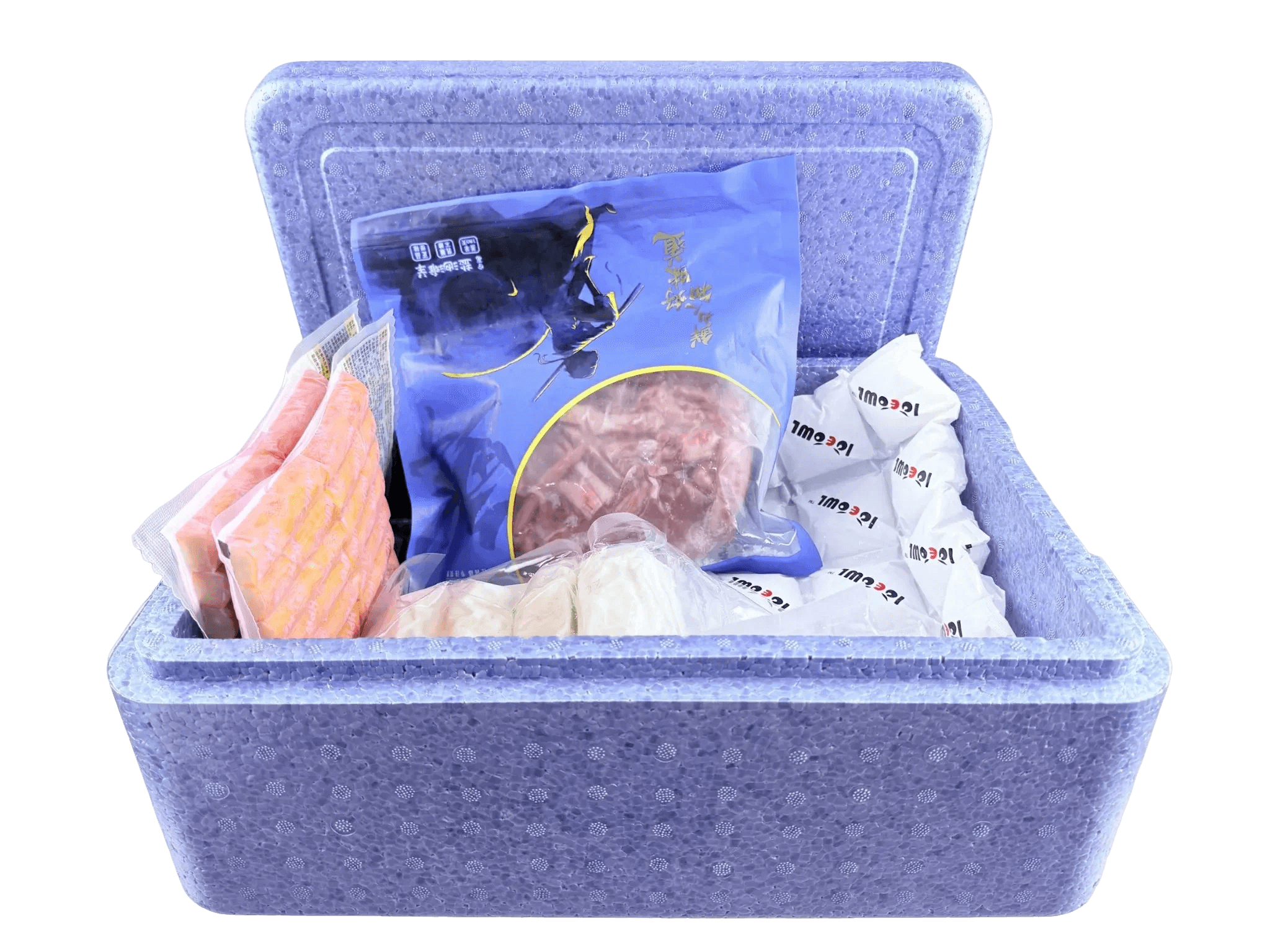
Cómo diseñar una caja de polipropileno expandido personalizable con aislamiento térmico
Un termoaislante personalizable caja de polipropileno expandido funciona de manera confiable sólo cuando su función térmica, rango de carga útil, refrigerante, ruta, geometría, procedimiento operativo, y la evidencia se definen juntas. El EPP puede reducir el flujo de calor y absorber la energía de manipulación, pero es un aislamiento pasivo en lugar de un control activo de la temperatura.. El comprador debe comenzar con el alcance requerido del producto y los peligros de la ruta., Diseñar un embalaje repetible teniendo en cuenta las dimensiones utilizables y la integridad de la tapa., probar sistemas representativos de la producción bajo perfiles ambientales justificados, y controlar la limpieza, daño, y cambios de producción a lo largo de la reutilización.
Definir el trabajo antes de elegir el aislamiento.
Comience con los requisitos del producto.. El propietario del producto debe confirmar el rango de temperatura aceptable., reglas de excursión, temperatura de embalaje, y cualquier orientación o límites de contacto. El equipo de logística debe definir la duración de la ruta., traspasos, condiciones del vehículo, muelles de carga, riesgos aduaneros o hub, exposición de última milla, y recibiendo. El equipo de calidad debe definir la evidencia y el proceso de decisión..
No utilice un helado genérico., congelado, o etiqueta ambiental como especificación completa. Diferentes productos dentro de la misma categoría pueden tener diferentes requisitos. El diseño de la caja debe utilizar el rango aprobado y los supuestos operativos sin pretender idoneidad universal..
Próximo, clasificar la arquitectura:
- Tote de manipulación aislado: ralentiza el intercambio durante el movimiento interno o refrigerado.
- Paquete pasivo con temperatura controlada: combina aislamiento con refrigerante y una instrucción de embalaje controlada.
- Sistema híbrido: utiliza la caja dentro de un ambiente refrigerado o activamente controlado.
- Contenedor exterior protector: protege otro sistema térmico de los peligros de manipulación.
- Remitente calificado: una configuración definida respaldada por pruebas para un producto y uso declarados.
La etiqueta importa porque determina qué evidencia se necesita. Una hoja de datos del material puede ser suficiente para la selección preliminar., mientras un remitente calificado necesita documentación completa del sistema.
Construya una carga útil y una envoltura de medios térmicos
Mida la carga útil enviada, no como un producto sin envolver. Incluir cajas primarias, botellas, bolsas, bandejas, divisores, material absorbente, etiquetas, sondas, loggers, refrigerante, y espacio libre de carga. Definir cargas normales mínimas y máximas.. Las cargas parciales pueden ser térmicamente más vulnerables y pueden permitir que los componentes se muevan..
Crear zonas en la cavidad.:
- zona del producto con sus superficies de contacto permitidas;
- Zonas de refrigeración con orientación controlada.;
- Zonas de separación que evitan el sobreenfriamiento o calentamiento local.;
- zonas de sensores elegidas para representar extremos probables;
- Espacio libre de cierre para que la tapa se asiente completamente.;
- autorización de manipulación para carga y descarga con guantes.
El volumen utilizable es el espacio que queda después de todas esas zonas.. El volumen interno bruto no es una capacidad operativa. Paredes redactadas, esquinas redondeadas, costillas, superposición de la tapa, características de la pila, y las manijas pueden reducir aún más el espacio.
Un inserto o bolsillo moldeado personalizado puede hacer que el paquete sea resistente a errores. También debe tolerar las dimensiones reales del refrigerante y el estado de acondicionamiento.. Los paquetes flexibles pueden cambiar de forma; Los paneles PCM rígidos pueden requerir espacio de inserción. La identificación de los componentes debe evitar que se mezclen diferentes medios térmicos o revisiones..
Gestione la transferencia de calor en todos los caminos
El calor llega o sale de la carga útil a través de varios caminos.. La conducción atraviesa las paredes y la tapa.. La convección ocurre en superficies.. La radiación contribuye a los límites externos.. El intercambio de aire pasa a través de los huecos de la tapa., respiraderos, desagües, canales de sensores, o aperturas repetidas. Los componentes rígidos y las características moldeadas delgadas crean puentes térmicos.
Por lo tanto, el espesor de la pared es sólo una palanca de diseño.. Un cuerpo muy grueso con una tapa mal ajustada puede tener un rendimiento inferior al de un sistema más equilibrado. Una manija pasante puede convertirse en una vía de aire. Una correa puede mejorar el cierre. Un sobreembalaje corrugado puede proteger la tapa y modificar la convección.. Cada característica debe revisarse como parte de la red térmica..
| Camino termal | Respuesta de diseño | Método de verificación |
|---|---|---|
| Conducción de pared | Seleccionar grado, estrategia de densidad, y espesor de la sección | Datos de materiales más comparación a nivel de caja |
| Fuga en la junta de la tapa | Superposición de controles, llanura, cierre, y usar | Prueba térmica y de ajuste repetido |
| Aperturas y canales | Eliminar rutas innecesarias o definir enchufes | Inspección de configuración y prueba de sensibilidad. |
| Contacto de refrigerante | Usar bolsillos, espaciadores, o separadores | Mapeo de temperatura de la interfaz del producto |
| Espacio de cabeza interno | Carga útil del tamaño adecuado y control de cargas parciales | Pruebas de carga útil mínima y máxima |
| Límite externo | Representa la luz del sol, contacto con el suelo, velocidad del aire, y perfil de cámara | Prueba ambiental justificada o datos de carril |
| Apertura repetida | Diseñe tapas secundarias o de acceso rápido cuando sea necesario | Secuencia de apertura operativa en prueba |
La tabla conecta una ruta de calor sospechosa con un diseño y evidencia.. También muestra por qué la conductividad del material por sí sola no puede respaldar una afirmación sobre la duración de la ruta..
Seleccione y acondicione el refrigerante deliberadamente
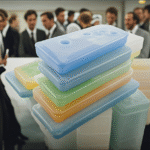
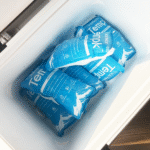
Los medios térmicos deben seleccionarse según el producto y el rango requerido.. Envases congelados a base de agua., acondicionado paquetes de gel, materiales de cambio de fase diseñados, o el hielo seco tienen un comportamiento de temperatura diferente, requisitos de seguridad, y manejo. El hielo seco no es intercambiable con un compresa fría, y un PCM seleccionado para un rango no debe sustituirse sin revisión.
El condicionamiento controla el estado inicial.. El procedimiento debe definir el equipo., acuerdo, punto final o tiempo, variación permitida, y el período entre la retirada y el embalaje. Un paquete con una superficie muy fría puede crear exposición local del producto incluso cuando la temperatura promedio de envío luego parezca aceptable..
La ubicación controla los gradientes. El refrigerante en la parte superior puede contrarrestar la entrada de aire caliente durante las aberturas., mientras que los paneles laterales pueden crear una superficie más uniforme. El refrigerante base puede verse influenciado por el calor del suelo.. No existe un patrón universal. Utilice el modelado térmico para comparar conceptos si es útil, luego mapee las temperaturas en un paquete físico.
La cantidad de refrigerante debe estar respaldada por el balance energético y las pruebas.. Agregar más no es automáticamente más seguro. Reduce la capacidad de carga útil, aumenta la masa de carga, y puede enfriar demasiado productos sensibles. Utilice una lista de materiales definida y evite sustituciones.
Diseñe la pieza de EPP para lograr durabilidad mecánica y térmica.
El polipropileno expandido puede recuperarse después de muchos impactos moderados, pero el rendimiento final depende del grado, densidad de moldeo, fusión, geometría, y usar. El daño mecánico puede convertirse en daño térmico cuando la llanta se deforma, la tapa se afloja, o una bolsa de refrigerante ya no localiza un paquete.
Revisar las rutas de carga. Las manijas deben transferir el peso empaquetado a las paredes laterales y a la base.. La carga de la pila debe pasar alrededor de la carga útil a través de paredes o postes reforzados.. Las esquinas necesitan suficiente sección y radio para los impactos.. Los paneles largos pueden requerir nervaduras, pero las nervaduras no deben crear puntos de presión de carga útil ni trampas de limpieza..
Evaluar diferentes escalas de tiempo. Las caídas y los choques son breves.. La vibración aplica muchos ciclos.. El apilamiento crea compresión y fluencia sostenidas. La limpieza aplica calor repetido., químico, y exposición mecánica. Una sola prueba de fuerza no puede cubrirlos todos.
Los criterios de inspección térmica deben incluir:
- asiento de tapa perimetral completo;
- geometría de llanta y esquina;
- registro de pila y estabilidad de la base;
- fusión de tirador y pared;
- bolsas de refrigerante y separadores;
- configuración de drenaje o tapón;
- legibilidad de la etiqueta y la versión del paquete;
- contaminación, olor, y humedad retenida.
La unidad puede permanecer cosméticamente desgastada si se mantienen estas funciones.. Debe retirarse cuando el daño cambie el embalaje o el cierre..
Prueba de evidencia en capas
Utilice cada tipo de evidencia para la pregunta que puede responder.. Los datos de materiales respaldan la selección y el modelado de calidades.. Las pruebas de fuga de calor a nivel de caja comparan la geometría o las tapas. Las pruebas de empaquetado completas respaldan la carga útil probada, refrigerante, y perfil. La calificación del carril aborda las condiciones reales de la ruta. El seguimiento del envío comprueba la exposición continua.
Un protocolo térmico completo debe registrar:
- revisión de caja y tapa;
- carga útil o simulador térmico y rango de carga;
- identidad del refrigerante, acondicionamiento, cantidad, y colocación;
- separadores, inserciones, etiquetas, y cierre;
- temperaturas iniciales;
- perfil ambiental, control de cámara, y movimiento del aire;
- tipo de sensor, calibración, ubicación, e intervalo de registro;
- aperturas planificadas o manejo de eventos;
- rango de aceptación y método de análisis;
- desviaciones y repeticiones.
ISTA 7E ofrece perfiles ambientales estandarizados para contenedor de envío aislado pruebas. Los perfiles estandarizados apoyan la comparación y la coherencia; Es posible que aún se necesiten datos específicos del carril.. Las pruebas mecánicas pueden utilizar procedimientos ISTA apropiados o ASTM D4169 para representar los peligros de distribución.. Estos procedimientos evalúan productos envasados definidos., No material EPP como objeto universal..
Herramientas útiles para tomar decisiones
Comprueba los detalles antes de elegir el embalaje.
Estas herramientas rápidas pueden ayudarle a comparar el riesgo de la ruta, necesidades de dimensionamiento, opciones de refrigerante, y detalles del embalaje antes de solicitar una cotización.
Generador de lista de cumplimiento
Cree una lista de verificación práctica para la revisión del embalaje, envío, y documentación.
Crear lista de verificaciónResistencia a la caída del material aislante
Revise la resistencia a caídas y los factores de manipulación antes de elegir materiales aislantes..
Comprobar resistenciaCalculadora de acumuladores de frío
Estimación de la cantidad de bolsas de hielo en gel para envíos refrigerados y planificación práctica de rutas.
Estimar las bolsas de hieloEjecutar casos límite justificados por el riesgo. Carga útil mínima, carga útil máxima, estaciones cálidas y frías, variación del condicionamiento, y los eventos de apertura pueden revelar sensibilidad. No agregue los peores casos arbitrarios que no reflejan la ruta, pero no pruebes solo la condición más fácil.
La calificación no termina con una carrera exitosa en la cámara
Una prueba puede pasar mientras las operaciones rutinarias siguen siendo frágiles. Los empacadores pueden usar el refrigerante incorrecto, condicionarlo de manera diferente, dejar la tapa parcialmente abierta, omitir un separador, o enviar una carga útil más pequeña. Por lo tanto, la calificación debe incluir una lista clara de materiales., instrucciones de embalaje ilustradas, capacitación, controles de línea, y reglas de desviación.
Un piloto de ruta utiliza operadores y traspasos normales.. Confirma si el paquete se puede ensamblar dentro del tiempo disponible., si los componentes son distinguibles, si la caja se ajusta al equipo, y si la recepción puede recuperar e interpretar datos. Registrar eventos de apertura y excepciones..
Un escenario común es una caja diseñada para una carga útil completa y probada sin aberturas.. La ruta incluye posteriormente entregas repetidas en tienda y condiciones de media carga.. Los gradientes de temperatura aumentan a medida que la carga se reduce.. La acción correctiva puede requerir una disposición de refrigerante diferente., módulo de relleno, tapa de acceso secundario, o paquete de ruta específica. La prueba original sigue siendo válida sólo para su configuración indicada..
El monitoreo continuo puede detectar la deriva. Daño de tendencia, desviaciones de embalaje, excursiones de temperatura, cambio de caja, y limpieza de rechazos. La revisión periódica puede identificar cuándo el marco operativo ha cambiado lo suficiente como para requerir una reevaluación..
Limpieza, contacto con alimentos, y límites de calidad
Reutilizable cajas térmicas Necesita un proceso de limpieza definido.. Especificar detergente o desinfectante, concentración, temperatura, tiempo de contacto, acción mecánica, enjuagar, y secado. Confirme la compatibilidad con el grado exacto de EPP y cada componente secundario. Inspeccionar etiquetas, adhesivos, sellos, correas, e inserciones rígidas después de una exposición repetida.
La estructura de celdas cerradas no elimina el riesgo para la higiene.. El agua y la tierra pueden quedar en los rayones., respiraderos, manijas, recovecos profundos, interfaces de tapa, y áreas dañadas. Diseño para drenaje y acceso visual.. Mantenga los rendimientos sucios separados del stock limpio y defina criterios de retiro.
Se debe respaldar el estado de contacto directo con los alimentos para la formulación terminada y el uso previsto.. Los requisitos europeos incluyen la seguridad general en contacto con alimentos y la inercia., buenas prácticas de fabricación, y controles específicos para plásticos. El uso en contacto con alimentos en los Estados Unidos también requiere una base regulatoria adecuada. Solicitar documentación para pigmentos, aditivos, contenido reciclado, etiquetas, y otros componentes cuando sea relevante.
Las buenas prácticas de distribución farmacéutica no son un certificado material. Se trata del sistema de distribución controlada.. Un paquete térmico completo puede necesitar calificación, escucha, procedimientos, capacitación, documentación, manejo de desviaciones, y control de cambios. Describe la casilla con precisión y evita reclamos de cumplimiento universal..
Haga que la personalización sea resistente a los cambios de productos y rutas
Las herramientas duras pueden volverse obsoletas. Mantenga posibles cambios en elementos modulares, como insertos de productos., espaciadores de refrigerante, placas de etiquetas, soportes de sensores, o módulos de relleno. Preservar una plataforma exterior estable donde la plataforma, estante, y las interfaces del vehículo son duraderas.
La modularidad crea sus propios riesgos. Se pueden perder piezas, mezclado, instalado al revés, o limpiar por separado. Utilice una identificación y una geometría positivas que eviten el emparejamiento incorrecto. Controlar la lista de materiales por revisión de caja y empaque..
cuando un producto, rango de carga útil, refrigerante, ruta, perfil ambiental, tapa, insertar, material, densidad de moldeo, sitio de producción, metodo de limpieza, o cambios en el proceso de embalaje, evaluar el impacto. La guía ISTA reconoce que el producto, paquete, y los cambios en el proceso pueden justificar una nueva prueba. El equipo de calidad debe definir factores desencadenantes basados en el riesgo en lugar de asumir que la evidencia previa sigue siendo válida para siempre..
Controlar el estado de fabricación.
El diseño aprobado debe identificar el grado de EPP., rango de densidad o estrategia, color y aditivos, revisiones de cuerpo y tapa, componentes secundarios, y dimensiones críticas. La revisión de herramientas debe abordar el llenado de cordones, acceso al vapor, respiraderos, enfriamiento, borrador, expulsión, guarnición, y alabeo.
Las primeras piezas moldeadas necesitan acondicionamiento antes de la medición.. Consultar apertura mínima, cavidad utilizable, compromiso de la tapa, base, características de la pila, manijas, y bolsas de refrigerante en muestras y cavidades representativas. Empareje cuerpos y tapas en diferentes combinaciones para exponer problemas de tolerancia..
Un plan de control debe conectar las variables de fabricación con los riesgos funcionales.. El peso de la pieza puede indicar la carga del material o la consistencia de la densidad, pero no puede demostrar una fusión uniforme o un rendimiento térmico.. Siguen siendo necesarios controles dimensionales y funcionales. Los lotes no conformes deben contenerse con una disposición documentada..
El control de cambios debe cubrir el proveedor de materiales y la calidad., objetivo de densidad, colorante, aditivos, contenido reciclado, reparaciones de moldes, desfogue, configuraciones clave del proceso, sitio, tapas, etiquetas, correas, sellos, e inserciones donde la función o el cumplimiento pueden cambiar. Los cambios significativos deberían recibir datos comparativos., aprobación de muestra, y volver a realizar la prueba según corresponda.
Lista de verificación de adquisiciones para una propuesta creíble
Antes de seleccionar un proveedor, confirmar que la propuesta responde a lo siguiente:
- La gama de productos, rango de carga útil, ruta, y las condiciones de temperatura requeridas son explícitas.
- La función de la caja se denomina con precisión bolsa aislante., componente de paquete pasivo, híbrido, o sistema calificado.
- Dimensiones mínimas utilizables para el producto., refrigerante, separadores, y plano de sensores.
- Tapa, manejar, pila, y las características de apertura tienen funciones térmicas y mecánicas definidas.
- Cualquier declaración de duración incluye la configuración de prueba completa y el perfil ambiental..
- Contacto directo con alimentos, farmacéutico, u otras afirmaciones de cumplimiento tienen el alcance correcto.
- Limpieza, el secado, devolver, inspección, y la jubilación son parte del diseño.
- Los controles de producción y herramientas pueden reproducir la muestra aprobada..
- Se acuerdan la notificación de cambios y los activadores de nueva prueba.
- El programa de reutilización y fin de vida útil tiene propietarios designados y una logística realista.
Una propuesta que hace visibles las limitaciones es más fácil de calificar y operar que una construida en torno a una afirmación inexplicable de "alto aislamiento".
Preguntas frecuentes
¿Qué se debe personalizar primero en una caja térmica de EPP??
Priorizar las interfaces que crean variación: cavidad utilizable, colocación de refrigerante, separación de productos, cierre de tapa, geometría de mango y pila, ubicación del sensor, y equipo adecuado. El color o la textura decorativos deberían venir más tarde.. Una carrocería estándar con inserciones personalizadas puede resolver el problema del control térmico sin necesidad de un molde completamente nuevo..
¿Cómo comparan los compradores las reclamaciones de tiempo de espera de dos proveedores??
Normalizar las condiciones de prueba.. Comparar carga útil y carga mínima, Identidad y acondicionamiento del refrigerante., cantidad y colocación, Dimensiones de la caja y volumen útil., perfil ambiental, temperaturas iniciales, sensores, aberturas, rango de aceptación, recuento de muestras, y calidad del informe. Las reclamaciones no son comparables cuando esas variables difieren o no se revelan.
¿Puede una caja reutilizable utilizar el mismo paquete después de un desgaste visible??
Sólo si la inspección confirma que el desgaste no ha cambiado el ajuste de la tapa., condición de la llanta, colocación de refrigerante, dimensiones utilizables, estabilidad de la pila, o higiene. Los desgastes cosméticos pueden ser aceptables, mientras que un pequeño borde aplastado puede aumentar las fugas. Utilice criterios de rechazo funcionales y confirme periódicamente la flota reutilizada con la configuración aprobada..
¿Qué hace que una prueba térmica sea representativa de la producción??
La prueba debe utilizar el grado EPP previsto., densidad de moldeo, proceso de producción, cuerpo y tapa, inserciones, refrigerante, carga útil, método de embalaje, cierre, y etiquetas. Se deben documentar las sustituciones de prototipos o piezas acabadas a mano.. El perfil ambiental y las operaciones también deben coincidir con la pregunta que la prueba pretende responder..
Conclusión
Un aislante térmico personalizado Caja EPP se vuelve confiable a través de interfaces controladas y evidencia. Comience con el producto y la ruta.. Construya una carga útil y una envoltura de medios térmicos. Gestione cada ruta de calor, especialmente la tapa y las aberturas. Diseñe la durabilidad mecánica para proteger la repetibilidad térmica.. Pruebe la configuración de producción completa, luego sosténgalo con controles de embalaje, limpieza, inspección, disciplina de fabricación, y gestión del cambio. El aislamiento es una función material útil; El control de la temperatura es un resultado del sistema..
Acerca de Tempk
suministros temporales embalaje aislado, medios de enfriamiento, monitoreo de temperatura, y relacionados soluciones de cadena de frío. Podemos ayudar a los compradores a formular un proyecto térmico de EPP personalizado en torno a las variables que deben definirse y probarse.: carga útil, dimensiones utilizables, requisito de temperatura, duración, refrigerante, ruta, aberturas, manejo, limpieza, y reutilizar. Cualquier declaración de desempeño debe permanecer vinculada al paquete de producción exacto y a la evaluación documentada..
Comparta la gama de productos requerida, opciones de carga útil, camino ambiental, y problema de embalaje actual para desarrollar una especificación más clara antes del muestreo.