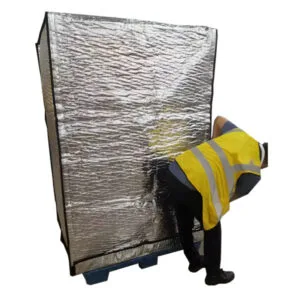
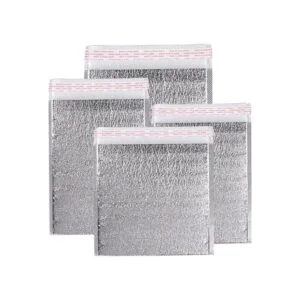
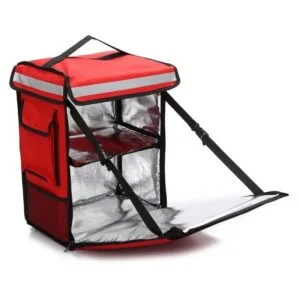
Muchas marcas de alimentos congelados quieren realizar envíos sin hielo seco porque el hielo seco añade complejidad al manejo, Reglas del operador, entrenamiento de seguridad, y el cliente recibe inquietudes. En algunos casos, Es posible realizar envíos congelados sin hielo seco. En otros casos, El hielo seco sigue siendo la fuente de frío más práctica para mantener la condición de llegada congelada a través de rutas largas o de alto riesgo..
La decisión no debe basarse únicamente en la preferencia.. Debe basarse en el tipo de producto., condición de llegada requerida, masa de carga útil, tiempo de tránsito, aislamiento, exposición ambiental, Reglas del operador, y datos de validación.
Qué significa "congelado" para el diseño de envases
La guía de manipulación segura de alimentos de la FDA hace referencia al almacenamiento en congelador a 0°F / -18°C o menos. Este es un punto de referencia útil para los programas de alimentos congelados porque separa los envases congelados de los envases refrigerados.. Los sistemas de paquetes de gel enfriados pueden mantener los alimentos fríos, pero no siempre mantienen el producto congelado.
El hielo seco es mucho más frío que el congelado normal. paquetes de gel. El USGS afirma que el hielo seco es dióxido de carbono sólido y se sublima a -78,5°C / -109.3°F. Ese frío extremo es el motivo por el que el hielo seco puede proteger los productos congelados, pero también es por eso que debe manipularse con cuidado y mantenerse separado de productos que puedan dañarse por contacto directo..
Opciones sin hielo seco para el envío de alimentos congelados
| Opción | donde puede funcionar | Limitación principal | que probar |
|---|---|---|---|
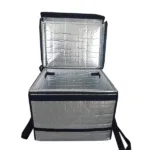
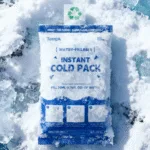
| Transportador aislado de alto rendimiento con paquetes de gel congelado | Rutas cortas congeladas, cargas útiles densas y congeladas, exposición ambiental leve. | Es posible que no se mantenga una verdadera condición de congelación en rutas largas y calurosas.. | Temperatura central del producto y señales de descongelación/recongelación. |
| Paquete de PCM eutéctico o congelado | Productos congelados que necesitan un comportamiento térmico más controlado que los packs de gel estándar. | Requiere selección y acondicionamiento correctos del cambio de fase.. | condición del PCM, temperatura del producto, y exposición de ruta. |
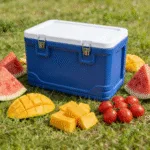
| Transportador de espuma EPS con ladrillos de hielo | Entrega congelada local o regional donde se controla la ruta. | El peso y el espacio de almacenamiento pueden ser elevados. | tiempo de espera, resistencia al aplastamiento, y condición de recepción del cliente. |
| Bucle enfriador de EPP reutilizable | Supermercado de circuito cerrado, mariscos, o entrega de comida congelada. | Requiere logística de devolución y proceso de limpieza.. | Reutilizar durabilidad, limpieza, y repetibilidad térmica. |
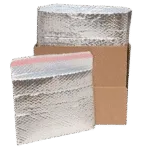
| gel híbrido + sistema de revestimiento aislado | Productos que deben permanecer muy fríos pero no necesariamente congelados. | No es adecuado si se requiere “congelación dura” a la llegada.. | Criterios de aceptación del producto y margen de seguridad alimentaria.. |
Es más probable que un sistema sin hielo seco funcione cuando la ruta es corta, la carga útil es densa y completamente congelada, el aislamiento es fuerte, la caja tiene poco espacio libre, el envío evita retrasos de fin de semana, y la condición de llegada requerida permite un ablandamiento parcial. Es menos probable que funcione para el helado., largas rutas de paquetes de verano, o productos que deben llegar congelados como piedras.
Cuando todavía se necesita hielo seco
A menudo todavía se necesita hielo seco cuando el producto debe permanecer congelado durante un tránsito prolongado., exposición al ambiente cálido, o condiciones inciertas en la última milla. También es relevante cuando el producto tiene baja masa térmica., se derrite rápidamente, o tiene requisitos estrictos de apariencia, como helado, postres congelados, y mariscos premium.
FedEx identifica el hielo seco como refrigerante seco para artículos congelados y afirma que el hielo seco libera gas dióxido de carbono., por lo que el paquete no debe cerrarse herméticamente. La guía de UPS para envíos de alimentos y productos perecederos también recomienda mantener el contenido separado del hielo seco y utilizar un contenedor de espuma EPS dentro de una caja de cartón corrugado..
Reglas oficiales de hielo seco que debe conocer antes de cotizar
| Requisito | Regla respaldada por fuente | Por que importa |
|---|---|---|
| Desfogue | PHMSA afirma que los envases de hielo seco deben permitir la liberación de gas para evitar la acumulación de presión. La FAA también establece que los paquetes no deben ser herméticos y deben permitir ventilación.. | Previene la ruptura del paquete debido a la presión del gas CO2.. |
| Calificación | PHMSA establece que los paquetes deben mostrar el nombre de envío adecuado y el número de identificación, como "Hielo seco,"UN1845, y masa neta cuando corresponda. | Admite el manejo de operadores y la comunicación regulatoria. |
| Límite aéreo de pasajeros | Listas de orientación de PackSafe de la FAA 2.5 kilos / 5.5 lb o menos por paquete y por pasajero para hielo seco utilizado para empacar productos perecederos. | Importante para escenarios de equipaje de pasajeros; Las reglas de carga comercial pueden diferir según el transportista y la regulación.. |
| Separación de productos | UPS recomienda mantener el contenido separado del hielo seco. | Reduce el sobrecongelamiento y el daño por contacto.. |
| Embalaje exterior | UPS recomienda espuma EPS dentro del cartón corrugado para envíos de alimentos/perecederos. | Combina aislamiento con protección del cartón de envío. |
Para envíos comerciales, Confirme siempre las reglas de hielo seco específicas del transportista., regulaciones del país, documentación, y requisitos de capacitación antes del envío. Este artículo no es una certificación de envío de mercancías peligrosas..
Cómo evaluar si se puede evitar el hielo seco
Comience por definir la condición de llegada requerida. ¿Es necesario que el producto llegue congelado?, por debajo de -18 ° C, parcialmente congelado, o simplemente frío y seguro? Luego evalúa la ruta.. No es lo mismo una entrega local controlada de congelados en 24 horas que una ruta de paquetería en 48 horas atravesando zonas cálidas en verano.
Herramientas útiles para tomar decisiones
Comprueba los detalles antes de elegir el embalaje.
Estas herramientas rápidas pueden ayudarle a comparar el riesgo de la ruta, necesidades de dimensionamiento, opciones de refrigerante, y detalles del embalaje antes de solicitar una cotización.
Generador de listas de verificación de cumplimiento
Cree una lista de verificación práctica para la revisión del embalaje, envío, y documentación.
Crear lista de verificaciónRevestimiento de caja & Dimensionamiento de la cubierta de paleta
Lógica de tamaño de revestimiento de cajas y cubiertas de paletas para proyectos de embalaje aislado.
Estimar el tamañoComprobador de riesgos de ruta
Revise las condiciones del carril antes de seleccionar el embalaje para requisitos operativos reales..
Comprobar riesgo de rutaSiguiente evaluar la masa del producto.. Un envío denso de productos del mar congelados puede mantener la temperatura mejor que una caja pequeña de pasteles congelados livianos. También evalúe la sensibilidad del producto.. El helado generalmente necesita un control de congelación más estricto que muchas bandejas de comida congelada porque los cambios de textura son obvios..
Finalmente, alternativas de prueba. Compare un diseño de gel congelado sin hielo seco o PCM con un diseño de hielo seco usando la misma carga útil, caja de cartón, posiciones del registrador de datos, y perfil de ruta. El resultado debe juzgarse por la temperatura y la calidad del producto., no sólo por si la caja todavía “se siente fría”.
Diseño de embalaje para envíos congelados sin hielo seco
| Elemento de diseño | Consideración recomendada |
|---|---|
| Precongelación del producto | Cargue el producto desde una condición de congelador estable, no de un estado parcialmente congelado. |
| Aislamiento | Utilice suficiente aislamiento; Es posible que los revestimientos finos no protejan los alimentos congelados en rutas largas. |
| Tipo de refrigerante | Considere los paquetes de gel congelados, ladrillos de hielo, o paquetes PCM según el objetivo y la ruta. |
| Espacio de cabeza | Reducir el espacio de aire innecesario dentro del cartón. |
| control de humedad | Utilice revestimientos y material absorbente si se está descongelando., condensación, o purgar es posible. |
| Elección de tránsito | Utilice servicios más rápidos y evite los días de envío que generan retrasos durante el fin de semana. |
| Validación | Utilice registradores de datos y defina qué significa “llegada congelada aceptable”. |
Casos de negocio en los que el diseño sin hielo seco puede mejorar las operaciones
Los sistemas sin hielo seco pueden reducir la complejidad de la manipulación peligrosa, mejorar la experiencia del cliente, simplificar el almacenamiento en el almacén, y evitar la escasez de hielo seco durante las temporadas altas. También pueden facilitar los envíos de alimentos con marcas privadas porque el paquete puede requerir menos comunicaciones sobre peligros..
Sin embargo, El ahorro de costes no es automático.. Un diseño sin hielo seco puede requerir más aislamiento, paquetes de gel congelado más grandes, cajas más pesadas, o servicio de envío más rápido. El costo total en destino debe incluir el embalaje., congelación del refrigerante, mano de obra, peso de carga, nivel de servicio del operador, pérdida de producto, y quejas de clientes.
Preguntas frecuentes
¿Se pueden enviar alimentos congelados sin hielo seco??
A veces. Depende del producto, tiempo de ruta, aislamiento, masa de carga útil, temperatura inicial, exposición ambiental, y condiciones de llegada aceptables. Los sistemas sin hielo seco deben probarse antes del lanzamiento.
¿Por qué está regulado el hielo seco??
El hielo seco se sublima en gas dióxido de carbono. Los paquetes deben permitir la ventilación del gas y pueden requerir marcas y documentación específicas según el tipo de envío y el transportista..
¿El hielo seco siempre es mejor para los alimentos congelados??
No. El hielo seco es muy frío y puede congelarse demasiado o dañar algunos productos.. También puede crear preocupaciones sobre el manejo del cliente.. Es útil cuando se requiere una verdadera protección contra el congelamiento y el paquete está diseñado correctamente..
¿Cuál es el mayor riesgo al sustituir el hielo seco??
El mayor riesgo es asumir que "todavía frío" significa "todavía congelado". Utilice datos de temperatura del producto y controles de calidad para definir el éxito..
Comida final para llevar
El envío de alimentos congelados sin hielo seco es posible para algunos productos y rutas, pero debería probarse mediante pruebas de embalaje.. Todavía se necesita hielo seco cuando el producto debe permanecer congelado durante mucho tiempo., caliente, o tránsito incierto. La decisión correcta compara la temperatura del producto., riesgo de ruta, Reglas del operador, experiencia del cliente, y costo total de operación.