Las marcas de entrega de alimentos y kits de comida necesitan envases que protejan la seguridad alimentaria, calidad del producto, y experiencia del cliente a través de la ruta de entrega completa. A 24-48 El paquete de horas no es sólo una caja con paquetes de gel. Es un sistema controlado que parte de los alimentos preenfriados., utiliza aislamiento y refrigerante adecuados, representa el retraso en la última milla, y llega con embalaje limpio, etiquetas legibles, y temperatura aceptable del producto.
Este artículo explica cómo diseñar un práctico paquete de cadena de frío para comidas refrigeradas., kits de comida, productos comestibles, lácteos, postres, salsas, y otros alimentos sensibles a la temperatura. Utiliza referencias oficiales de seguridad alimentaria y embalaje portador cuando es posible y separa los parámetros respaldados por el origen de las decisiones de diseño que requieren pruebas..
Comience con el objetivo de temperatura de los alimentos
La guía de seguridad alimentaria de la FDA establece que los alimentos fríos deben mantenerse a 40 °F / 4°C o menos, y que los alimentos perecederos no deben permanecer en la “Zona de Peligro” de 40°F a 140°F por más de 2 horas, o más de 1 hora si la temperatura es superior a 90°F. Esta es una referencia de seguridad alimentaria., no es un protocolo de validación de envío completo, pero ayuda a definir el objetivo de la cadena de frío para la entrega de alimentos refrigerados..
Para comida congelada, La guía de manipulación segura de la FDA hace referencia al almacenamiento en congelador a 0°F / -18°C o menos. Esto significa que un paquete de kit de comida refrigerada y un paquete de comida congelada no deben diseñarse de la misma manera..
Tabla de planificación de temperatura y producto.
| categoría de producto | Objetivo de diseño práctico | Riesgo principal | Implicación del embalaje |
|---|---|---|---|
| Comidas preparadas refrigeradas | mantener frio, generalmente a 40°F o menos / 4°C para la seguridad alimentaria. | Calentamiento durante la permanencia en la última milla, fuga de salsa, deformación de la bandeja. | paquetes de gel, revestimiento aislado o caja de espuma, capa absorbente, diseño de cartón limpio. |
| Lácteos y proteínas frescas | Fuerte protección contra el frío, evitar el abuso de temperatura. | Riesgo de seguridad alimentaria y fugas de purga. | Mayor masa de refrigerante, separación de productos, material absorbente, flujo de trabajo de embalaje rápido. |
| Productos y ensaladas | Manténgase fresco pero evite daños por congelación.. | Congelación por contacto directo con el paquete de gel, daños por humedad. | capa de búfer, control del flujo de aire, Evite el contacto directo con el refrigerante congelado.. |
| Postres de chocolate y panadería | Evitar la fusión o la deformación.; a menudo no es tan frío como los alimentos congelados. | Ablandamiento por calor, condensación, daño de apariencia. | Utilice un revestimiento aislante, paquetes de gel con separación, limpiar unboxing. |
| Comidas preparadas congeladas | Mantener la condición de llegada congelada. | descongelación, redacción, manipulación de hielo seco si se utiliza. | Fuerte aislamiento, estrategia de refrigerante congelado, posiblemente hielo seco dependiendo de la ruta. |
| Kits de comida con ingredientes mixtos. | Diferentes elementos pueden tener diferente sensibilidad.. | La proteína necesita una protección más fría, los productos pueden congelarse. | Zonas separadas, divisores, agrupación de ingredientes, POE de embalaje transparente. |
Construya el paquete desde adentro hacia afuera
Un paquete de entrega de alimentos debe diseñarse desde la carga útil hacia afuera..
Empiece por la comida en sí.. Empaque los alimentos a la temperatura inicial correcta. Los paquetes de gel deben proteger el producto durante el transporte., no enfriar los alimentos calientes después de un mal manejo en el almacén. Luego defina la disposición del producto.. Mantenga las bandejas frágiles, salsas, y producir lejos de puntos de presión y superficies heladas directas. Agregue un divisor o zona de influencia donde exista riesgo de congelación.
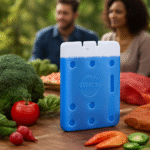
Luego elige el refrigerante.. FedEx describe refrigerantes en gel para productos que deben permanecer entre 34°F / 1°C y 50°F / 10°C. Por lo tanto, los paquetes de gel son una opción común para los kits de comida y alimentos refrigerados.. Para comida congelada, hielo seco o es posible que se requiera un paquete congelado diferente.
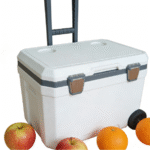
Finalmente elige el aislamiento.. A revestimiento de caja puede ser adecuado para comidas de comercio electrónico donde la marca desea un almacenamiento plano y un menor volumen de envío. Un transportista de EPS puede mejorar el aislamiento y la rigidez para rutas más largas. Un reutilizable Caja EPP puede funcionar para circuitos de entrega locales o programas retornables.
Capas de embalaje recomendadas
| Capa | Función | Notas de diseño |
|---|---|---|
| Cartón externo | Protege el envío y lleva etiquetas.. | Utilice suficiente fuerza para la compresión del paquete y la exposición a la humedad.. |
| Revestimiento aislado o cargador de espuma | Reduce la ganancia de calor durante el tránsito.. | Elija según el tiempo de espera, espacio de almacenamiento, costo, y objetivos de sostenibilidad. |
| Revestimiento de plástico | Protege el cartón de la condensación, fugas, y purga de producto. | FedEx recomienda revestimientos de plástico para envíos perecederos. |
| Capa absorbente | Capta condensación o fugas.. | Especialmente útil para mariscos., carne, lácteos, y productos húmedos. |
| Paquetes de gel o refrigerante | Absorbe el calor y prolonga el tiempo de retención del frío.. | Congelar o acondicionar según las instrucciones del paquete.. |
| Cámara de producto | Mantiene los alimentos organizados y evita daños.. | Utilice divisores o mangas cuando sea necesario. |
| Instrucción de embalaje | Controla la repetibilidad del almacén. | Incluir orden de paquete, ubicación del refrigerante, y hora de cierre. |
| Recibir instrucción | Ayuda al cliente a juzgar el estado del producto.. | Incluir orientación sobre “refrigerar inmediatamente” y eliminación de bolsas frías.. |
Diseñando para 24 Horas vs 48 horas
Un diseño de 24 horas a menudo puede utilizar un aislamiento más ligero y menos refrigerante que un diseño de 48 horas., pero la diferencia no es lineal. Un paquete de 48 horas puede pasar por varios centros, vehículos más cálidos, mayor tiempo de permanencia, e incertidumbre en la entrega residencial. Un paquete retrasado 24 horas puede comportarse como un envío de 36 horas. Un envío el viernes puede convertirse en un problema de fin de semana si falla el servicio.
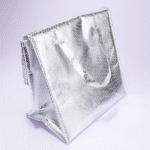
Para entrega de alimentos a empresas, El objetivo del diseño debe incluir el tiempo de servicio más un margen de retraso.. Una marca de kit de comida que se envía en verano puede necesitar diferentes versiones de empaque para estaciones cálidas y templadas.. Una ruta de entrega local el mismo día puede necesitar un bolsa aislante y paquetes reutilizables en lugar de un transportista de espuma para paquetes.
Herramientas útiles para tomar decisiones
Comprueba los detalles antes de elegir el embalaje.
Estas herramientas rápidas pueden ayudarle a comparar el riesgo de la ruta, necesidades de dimensionamiento, opciones de refrigerante, y detalles del embalaje antes de solicitar una cotización.
Referencia del material aislante
Compare opciones de materiales aislantes para diferentes necesidades de embalaje de la cadena de frío.
Comparar materialesrefrigerante & Referencia PCM
Compare las opciones de refrigerante y PCM cuando una ruta necesite soporte de temperatura adicional.
Comparar opcionesCalculadora de bolsa de hielo
Estimación de la cantidad de bolsas de hielo en gel para envíos refrigerados y planificación práctica de rutas.
Estimar las bolsas de hieloRuta de los factores de riesgo para los kits de comida y la entrega de alimentos.
| factor de riesgo | Cómo afecta el embalaje | Mitigación |
|---|---|---|
| Calor de última milla del verano | Aumenta la ganancia de calor cerca del suministro.. | Más aislamiento, mayor masa de refrigerante, ventanas de entrega más cortas, detección de riesgos en la ruta. |
| puerta de entrada | El producto puede sentarse después de la entrega.. | Agregue margen de seguridad e instrucción al cliente. |
| Retraso del fin de semana | 24-El diseño de horas puede fallar si se retrasa.. | Evite los días de envío de alto riesgo o diseñe para un tiempo de espera más prolongado. |
| Ingredientes mezclados | Proteína, producir, y las salsas tienen diferentes necesidades. | Separe las zonas frías y utilice divisores.. |
| Condensación | Las cajas mojadas dañan las etiquetas y la experiencia del cliente. | Revestimiento de plástico, capa absorbente, paquetes resistentes a fugas. |
| Sobrecongelación | Los paquetes de gel congelados pueden dañar los productos agrícolas o las salsas. | capa de búfer, PCM, acondicionamiento más cálido, o colocación indirecta. |
Enfoque de validación
Para un nuevo programa, Comience con un diseño de escritorio utilizando la masa del producto., temperatura objetivo, duración de la ruta, y formato de aislamiento. Luego, cree un paquete de muestra y registre la temperatura del producto y del espacio aéreo con registradores de datos.. Si el envío es de gran volumen o nacional, prueba contra perfiles cálidos y fríos. ISTA 7E proporciona perfiles de transporte térmico desarrollados a partir de datos de calor y frío del mundo real y puede admitir pruebas más estructuradas..
La validación debe documentar la temperatura de carga del producto., acondicionamiento del refrigerante, secuencia del paquete, ubicación del registrador de datos, perfil ambiental, y condición de llegada. Si la caja pasa solo cuando la empaqueta un experto, el diseño puede fallar en producción. El diseño final debe ser lo suficientemente simple como para que el personal del almacén lo repita durante los picos de demanda..
Sostenibilidad y experiencia del cliente.
Las marcas de comida a domicilio también deben pensar más allá de la temperatura de llegada. Los clientes se quejan cuando bolsas de hielo filtración, las cajas llegan mojadas, la eliminación del gel es confusa, o demasiados paquetes fríos acumular en casa. Un paquete bien diseñado debe incluir instrucciones para su eliminación o reutilización., refrigerante del tamaño adecuado, revestimientos limpios, y embalaje que no parezca excesivo.
Los sistemas reutilizables pueden funcionar para la entrega local de circuito cerrado. Bolsas de hielo para inyección de agua Puede reducir el transporte entrante y el volumen de almacenamiento antes de la hidratación.. Los revestimientos reciclables pueden contribuir a los objetivos de sostenibilidad, pero todavía necesitan pruebas térmicas. No reemplace un envío de espuma validado por un revestimiento más liviano sin volver a probar el paquete..
Preguntas frecuentes
¿Puede un kit de comida permanecer frío durante 48 horas con packs de gel?
Depende de la carga útil, aislamiento, ruta, temperatura inicial, masa de paquete de gel, y exposición ambiental. Los paquetes de gel se utilizan habitualmente para envíos refrigerados., pero un diseño de 48 horas debe probarse en condiciones realistas.
¿Deberían los paquetes de gel del kit de comida tocar la comida??
No siempre. El contacto directo puede ser útil para algunos productos refrigerados, pero puede congelarlos., salsas, o alimentos delicados. Utilice amortiguadores o divisores cuando exista riesgo de congelación.
¿Cuál es la principal diferencia entre el envío de alimentos refrigerados y congelados??
Las comidas refrigeradas están diseñadas para permanecer frías pero no congeladas.. Las comidas congeladas deben permanecer congeladas y pueden requerir un aislamiento más fuerte., PCM congelado, o hielo seco dependiendo de la ruta.
¿Cómo pueden las marcas reducir los cartones mojados??
Utilice paquetes de gel resistentes a fugas, revestimientos de plastico, material absorbente, mejor colocación del refrigerante, y un diseño de cartón que mantiene las etiquetas alejadas de superficies mojadas.
Comida final para llevar
A 24-48 El kit de comida por hora o el paquete de entrega de alimentos deben diseñarse teniendo en cuenta la seguridad alimentaria., ruta realidad, sensibilidad del producto, y experiencia del cliente. Comience con las referencias de temperatura de la FDA, Elija un sistema de refrigeración y aislamiento que se adapte a la ruta., incluir control de humedad, y validar el paquete completo antes de escalar.