Cómo especificar una caja aislada revestida de espuma
El revestimiento de espuma adecuado caja aislada es aquel cuya evidencia e instrucciones de funcionamiento coinciden con el producto, carga útil, ruta, estación, y recibiendo la realidad. Por lo tanto, un proceso de adquisición sólido comienza con los requisitos., los convierte en un paquete, prueba el paquete bajo condiciones definidas, y lo controla después del lanzamiento. Este artículo combina la termal, operacional, proveedor, y decisiones de calidad necesarias para los productos refrigerados., congelado, o alimentos moderadamente sensibles a la temperatura, cuidado de la salud, y productos especiales sin tratar el aislamiento como una garantía universal.
Escriba un requisito que un proveedor realmente pueda responder.
Un requisito útil nombra el producto., condición aprobada, rango de carga útil, ruta, ventana operativa máxima, exposición estacional, proceso de recepción, y consecuencia del fracaso. También indica lo que no se debe esperar que haga el embalaje.. Para esta aplicación, un revestimiento de espuma ralentiza la transferencia de calor pero no crea un rango de temperatura definido sin un refrigerante y un diseño de empaque adecuados. Esa frase evita la desviación del alcance y hace visibles los controles faltantes antes de comparar las cotizaciones..
El requisito debe distinguir los insumos fijos de los variables.. Las entradas fijas pueden incluir límites de tamaño externo, un paquete interior regulado, una caja de producto, o un trámite de destino. Las variables pueden incluir el tipo de aislamiento., disposición del refrigerante, inserción de carga útil, cierre, caja exterior, y plan de seguimiento. Permitir que los proveedores propongan alternativas puede mejorar el diseño, pero cada alternativa debe evaluarse según los mismos criterios de aceptación..
La ventana térmica útil depende del material de espuma., geometría, articulaciones, refrigerante, carga útil, temperaturas iniciales, exposición ambiental, y eventos de apertura. Registre la fuente y el propietario del requisito de ese producto.. Un equipo de adquisiciones no debe crear una banda de temperatura simplemente para facilitar la comparación de proveedores..
- ¿Qué producto o familia de productos se enviará?, y a quién pertenece la decisión de estabilidad?
- ¿Cuáles son las cargas útiles mínimas y máximas?, incluyendo dimensiones físicas y condición inicial?
- ¿Cuál es la duración total del embalaje al almacenamiento?, incluyendo contingencia y retraso en la recepción?
- que calor, frío, mecánico, humedad, higiene, y pueden ocurrir exposiciones regulatorias?
- ¿Qué evidencia, instrucciones de funcionamiento, controles de producción, y se requiere soporte posterior al lanzamiento?
Elija los materiales después de conocer la ruta y la carga útil.
Comience con la restricción dominante. Un envío expreso de ida puede priorizar una masa baja, durabilidad del paquete, y embalaje sencillo. Un circuito hospitalario o distribuidor reutilizable puede priorizar la resistencia al impacto, facilidad de limpieza, componentes reemplazables, y eficiencia de retorno. Una vía de exportación de biotecnología puede priorizar una larga ventana de contingencia, espacio de documentación, compatibilidad con hielo seco, o alta eficiencia de aislamiento dentro del límite de tamaño de una aerolínea. La arquitectura sigue la restricción..
Las cajas de cartón corrugado revestidas de espuma pueden resultar prácticas para muchas rutas de un solo uso. El EPS moldeado proporciona aislamiento moldeado con una masa relativamente baja.. El EPP puede soportar manipulaciones repetidas cuando el modelo operativo justifica la devolución y la inspección.. Los sistemas de paneles pueden admitir dimensiones personalizadas. Los diseños basados en VIP pueden ahorrar espesor de aislamiento pero requieren un borde cuidadoso, punción, envejecimiento, y controles de calidad. Ninguna elección de material elimina la necesidad de probar el paquete terminado.
La geometría debe revisarse junto con el flete. Más aislamiento y refrigerante pueden aumentar las dimensiones externas y al mismo tiempo reducir el espacio de carga útil.. Una solución más pequeña de alto rendimiento puede reducir el costo dimensional, pero puede agregar complejidad material. Una solución simple y de mayor tamaño puede ser más fácil de empaquetar pero costosa de almacenar y enviar. Compare todo el programa en lugar de un precio unitario aislado.
Controlar las variables que cambian el perfil de temperatura.
Un sistema pasivo funciona a partir de energía térmica almacenada y resistencia al flujo de calor.. Producto, refrigerante, aislamiento, espacio aéreo, y la exposición externa interactúan. Si el producto se carga caliente, El refrigerante debe eliminar ese calor antes de poder amortiguar la ruta.. Si la carga útil es muy pequeña, puede responder rápidamente a gradientes locales. Si el refrigerante se coloca directamente contra un elemento sensible, El paquete puede crear daños por frío mientras resiste con éxito el calor externo..
La especificación del paquete debe identificar el refrigerante exacto o PCM., estado de acondicionamiento requerido, cantidad, colocación, barreras, límites de carga útil, método de relleno de vacíos, monitorear la ubicación, y cierre. Los componentes deben estar sujetos para que el manejo de paquetes no pueda reorganizar la geometría probada.. Para aplicaciones de hielo seco, liberación de gas, compatibilidad de materiales, seguridad de los trabajadores, reglas del modo de transporte, y el manejo en destino necesitan una revisión específica.
Considere la capacidad operativa completa. Congeladores acondicionadores, espacio de puesta en escena, bancos de embalaje, tiempo del personal, refrigerantes de respaldo, y las reglas de corte de envío pueden limitar un programa incluso cuando la caja funciona bien. Un diseño que requiere más componentes congelados de los que el sitio puede preparar consistentemente no es operacionalmente sólido.
Reemplace los reclamos de horas genéricos con un perfil documentado
Solicite evidencia relacionada con la construcción y el embalaje propuestos.. El informe debe identificar la versión del paquete., materiales, dimensiones, refrigerante, acondicionamiento, carga útil, ubicaciones de sensores, perfil ambiental, duración, eventos de apertura si los hay, y criterios de aceptación. Un perfil de paquete estandarizado puede permitir la comparación, mientras que el perfilado de carriles específicos puede mejorar la relevancia. Ninguno de los dos tiene sentido si la unidad de producción suministrada difiere del diseño probado..
Revisar las cargas útiles mínimas y máximas y las condiciones estacionales de frío y calor cuando representen diferentes riesgos.. Los sistemas de uso repetido pueden necesitar una evaluación de envejecimiento o reutilización. Las pruebas mecánicas pueden ser apropiadas cuando las caídas, compresión, vibración, o la fragilidad de la bolsa congelada puede cambiar la geometría o dañar el producto. La evidencia térmica y mecánica debe reflejar cómo se manipula realmente el paquete..
El informe respalda una decisión; no toma la decisión por sí solo. El propietario de calidad o del producto evalúa si el perfil observado es aceptable para productos refrigerados., congelado, o alimentos moderadamente sensibles a la temperatura, cuidado de la salud, y productos especiales. Cuando ocurre una desviación, El equipo debe comparar las condiciones reales del envío con el sobre calificado y el proceso de excursión aprobado del producto..
Evaluar a los proveedores como socios de fabricación controlados.
Un prototipo pulido puede ocultar un control de producción débil. Pregunte cómo gestiona el proveedor la identidad del material., dimensiones, tolerancias, asamblea, ajuste de cierre, impresión, inspección final, unidades no conformes, trazabilidad, y cambios. Para productos personalizados, aprobar un dibujo, lista de materiales, obra de arte, empacar, y muestra de oro. Definir qué sustituciones o cambios de proceso requieren notificación y si se necesitan pruebas adicionales.
Evaluar el soporte para el tipo de espuma., continuidad conjunta, ajuste de la tapa, volumen utilizable, manejo de la humedad, resistencia al impacto, modelo de reutilización o eliminación, y pruebas de paquete completo. La respuesta debe mostrar conocimiento de la aplicación sin incluir afirmaciones regulatorias o de productos no respaldados.. Un proveedor puede proporcionar detalles de construcción., muestras, dibujos de embalaje, informes de prueba, ayudas de entrenamiento, y cambiar registros. El comprador es responsable de los requisitos del producto., decisiones de ruta, cumplimiento local, y disposición de calidad.
Los términos comerciales deben reflejar el alcance controlado.. Comparar herramientas, muestras, trabajo de prueba, refrigerantes, inserciones, cajas de cartón, etiquetas, expectativas mínimas de pedido, supuestos de tiempo de entrega, almacenamiento, piezas de repuesto, y gestión del cambio. Cuando aún no se conoce un valor, Expréselo como una pregunta en lugar de inventar un número para el caso de negocio..
El tipo de espuma cambia las operaciones y el aislamiento.
El poliestireno expandido se usa ampliamente en envíos unidireccionales porque puede moldearse en formas eficientes.. A menudo se considera el polipropileno expandido cuando la resistencia al impacto y la reutilización son prioridades.. El poliuretano rígido y otras construcciones de paneles pueden soportar diferentes necesidades de rendimiento y fabricación.. La elección correcta depende de más de un único valor de aislamiento: articulaciones, resistencia al agua, limpieza, rotura, anidando, estampación, y las vías de final de vida afectan el caso de negocio.
Herramientas útiles para tomar decisiones
Comprueba los detalles antes de elegir el embalaje.
Estas herramientas rápidas pueden ayudarle a comparar el riesgo de la ruta, necesidades de dimensionamiento, opciones de refrigerante, y detalles del embalaje antes de solicitar una cotización.
Revestimiento de caja & Dimensionamiento de la cubierta de paleta
Lógica de tamaño de revestimiento de cajas y cubiertas de paletas para proyectos de embalaje aislado.
Estimar el tamañoReferencia del material aislante
Compare opciones de materiales aislantes para diferentes necesidades de embalaje de la cadena de frío.
Comparar materialesGenerador de listas de verificación de cumplimiento
Cree una lista de verificación práctica para la revisión del embalaje, envío, y documentación.
Crear lista de verificaciónEste problema debería ser visible en la revisión del diseño., procedimiento operativo, y evaluación de proveedores. No es una nota de aplicación menor.. Cambia qué componentes son aceptables., qué personal debe verificar, y cómo se libera o escala un envío.
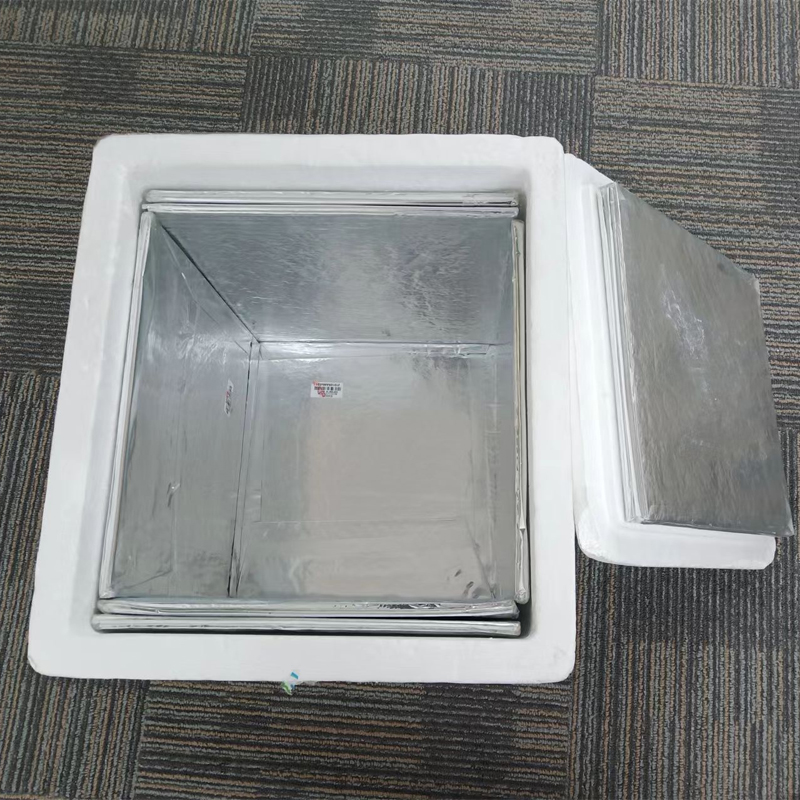
Los compradores deben inspeccionar de cerca la tapa y las esquinas.. Los espacios pequeños o los paneles mal alineados crean caminos preferidos para el flujo de calor.. Una pared gruesa con una tapa suelta puede funcionar peor que un diseño más delgado pero bien integrado. La carga útil utilizable es otra compensación porque un aislamiento más grueso y más refrigerante reducen el volumen disponible para el producto..
Pilotar a las personas y al proceso., no solo el paquete
Un piloto debe funcionar con personal normal., equipo, tiempos de corte, traspasos de transportista, lugares de recepción, y sistemas de datos. Observar el condicionamiento., cosecha, embalaje, etiquetado, despacho, recibo, desempacando, escucha, limpieza, y regresa. Registrar confusión y soluciones. Un paquete que sólo funciona cuando el ingeniero está al lado del operador no está listo para un uso rutinario.
Definir criterios de liberación para el piloto.. Estos pueden incluir la selección correcta de componentes., finalización del paquete, integridad del cierre, calidad de escaneo y etiquetado, resultados de temperatura, daño del paquete, tiempo de recepción, recuperación de datos, y comentarios del personal. Cuando ocurren fallas, Separe las debilidades del diseño de la desviación del proceso y la interrupción de la ruta antes de seleccionar una acción correctiva..
Después del lanzamiento, proteger el estado aprobado. Nuevos productos, dimensiones de carga útil, proveedores, materiales, refrigerantes, obra de arte, transportistas, destinos, estaciones, o los productos químicos de limpieza pueden afectar el rendimiento.. Una revisión de control de cambios decide si las actualizaciones de la documentación, pruebas adicionales, capacitación, o recalificación son necesarios.
Revisión del modo de falla antes de la aprobación de la compra
| Modo de falla | Pregunta antes de la aprobación | Posible control |
|---|---|---|
| cálida excursión | ¿La ruta es más larga o más calurosa que la evidencia?? | Revisar perfil, capacidad, servicio, regla de despacho, o contingencia. |
| Excursión fría | ¿Puede el refrigerante o la exposición al invierno enfriar demasiado la carga útil?? | Condición del refrigerante, agregar barreras, revisar la ubicación, y probar el riesgo de la estación fría. |
| Espacio de carga insuficiente | ¿Se midió el volumen utilizable con cada componente instalado?? | Aprobar un dibujo de embalaje y una muestra de ajuste físico. |
| Variación del proceso | ¿Pueden los operadores confundir componentes u omitir un paso crítico?? | Piezas del kit, simplificar instrucciones, usar controles visuales, y embalaje de auditoría. |
| Daño del paquete | puede caer, compresión, humedad, o reutilizar alterar la geometría? | Fortalecer la cáscara o el cierre., inspeccionar unidades, e incluir pruebas mecánicas. |
| Retraso en recepción | quien recibe, desempaqueta, víveres, y revisa el envío? | Confirmar horas, enviar alertas, definir instrucciones, y agregar contingencia. |
| Reclamación no respaldada | ¿La declaración identifica condiciones y evidencia?? | Solicite el informe completo o reescriba el requisito como punto de verificación. |
El valor de esta revisión es su especificidad.. El “embalaje confiable” no es un requisito comprobable, mientras que los modos de falla enumerados se pueden vincular a los dibujos, informes, instrucciones de trabajo, y responsabilidades. Agregue elementos específicos de la aplicación cuando sea necesario, especialmente eligiendo por el espesor de la pared o la apariencia ignorando la continuidad de la espuma, ajuste de la tapa, relación de carga útil, humedad, manejo, y requisitos de eliminación o devolución.
La revisión también puede evitar un diseño excesivo innecesario.. Una vez que se controlan los modos de falla dominantes y la evidencia muestra un margen adecuado, el equipo puede evaluar si hay exceso de material, refrigerante, transporte, o la complejidad del proceso se puede reducir mediante un cambio documentado.
Un camino de decisión práctico
Un vendedor online cambia de un producto compacto a un paquete más alto pero mantiene la misma caja exterior.. El producto ahora toca la tapa y desplaza el refrigerante., por lo que el equilibrio térmico original ya no se aplica. Comience verificando los requisitos del producto y mapeando cada minuto desde el embalaje hasta la recepción controlada.. Seleccione una arquitectura candidata que se ajuste a las limitaciones operativas y de carga útil.. Crear un paquete definido, Pruébelo en condiciones representativas., y ejecutar un piloto a través de la red real. Revisar la evidencia con calidad, logística, operaciones, y adquisición antes de la aprobación.
Si el envío cambia, volver al paso afectado en lugar de reiniciar a ciegas. Una nueva etiqueta puede requerir sólo una revisión del documento. Una carga útil más grande, refrigerante diferente, ruta más larga, perfil de invierno más frío, o un nuevo proceso aduanero puede requerir pruebas adicionales. Esta ruta basada en riesgos mantiene el programa controlado sin tratar cada cambio como idéntico.
Preguntas frecuentes
¿Cuál es el primer paso para especificar una caja aislada revestida de espuma??
Confirme los requisitos del producto y mapee el carril operativo completo. Definir carga útil, condición inicial, tiempo máximo de embalaje a almacenamiento, exposición estacional, traspasos, proceso de recepción, y consecuencia del fracaso. Esos datos crean una base justa para comparar diseños y evitan que el proveedor adivine qué significa "frío" o "larga duración"..
¿Cuál es la evidencia más importante para solicitar??
Solicite un informe para la construcción propuesta y el embalaje que identifique los componentes., acondicionamiento, carga útil, posiciones de los sensores, perfil ambiental, duración, y criterios de aceptación. Combínalo con dibujos., una lista de materiales, y controles de producción. La evidencia es más sólida cuando se puede demostrar que la unidad probada y la unidad suministrada son iguales..
¿Debe la adquisición elegir el refrigerante o el proveedor??
La elección debe ser colaborativa.. El propietario del producto define la condición aceptable.; Los especialistas en embalaje evalúan el flujo de calor y los gradientes.; Las operaciones confirman la capacidad de acondicionamiento y la practicidad del embalaje.; Los equipos de seguridad y cumplimiento revisan las restricciones de transporte.; y el proveedor propone componentes compatibles. Ningún partido debería decidir sin las limitaciones de los demás..
¿Cómo sé si la personalización requiere volver a realizar pruebas??
Evaluar si el cambio puede afectar el flujo de calor., capacidad de refrigerante, geometría de carga útil, cierre, durabilidad mecánica, escucha, o el proceso operativo. Es posible que las ilustraciones por sí solas no afecten el rendimiento térmico, mientras que una dimensión, material, tapa, refrigerante, o el cambio de carga útil a menudo merece una revisión más profunda. Documentar la decisión bajo control de cambios..
Qué debe incluirse en una especificación de compra?
Incluir dibujos aprobados, materiales, dimensiones y tolerancias, espacio de carga útil utilizable, cierre, lista de componentes, instrucciones de embalaje, evidencia de prueba, inspección de producción, etiquetado, embalaje para la entrega, notificación de cambio, manejo de no conformidades, y cualquier requisito de limpieza o reutilización. Marque las suposiciones que aún requieren confirmación en lugar de convertirlas en hechos sin fundamento..
La decisión de compra en la práctica.
Especifique una caja aislada revestida de espuma a través de una secuencia controlada: confirmar el requisito del producto, trazar la ruta, seleccione una arquitectura, definir el paquete, revisar la evidencia, calificar al proveedor, pilotear la operación, y proteger el estado aprobado a través del control de cambios. Este enfoque evita garantías no respaldadas y, al mismo tiempo, otorga a las adquisiciones, calidad, y operaciones una base común para la toma de decisiones.
Acerca de Tempk
Shanghai Tempk Industrial Co., Limitado. ofertas embalaje de cadena de frío bajo la marca Tempk. Las opciones relevantes incluyen paquetes de gel, revestimientos aislados y bolsas, moldeado Cajas EPP, y basado en VIP neveras portátiles médicas. Tempk puede revisar las entradas de la aplicación, como el tamaño, carga útil, estructura de aislamiento, disposición del refrigerante, y formato de embalaje. La recomendación adecuada depende de la ruta y no debe separarse de la evidencia de respaldo del embalaje..
Siguiente paso
Describe el producto, ruta, dimensiones de carga útil, plan de reutilización, refrigerante, y condición objetivo a Tempk para una recomendación de caja forrada de espuma.