Cómo especificar un fabricante de cajas aisladas para un sistema aislado al vacío
Una compra defendible necesita tres aprobaciones. La ingeniería debe aceptar el diseño del flujo de calor., las operaciones deben poder empacarlo consistentemente, y la calidad debe aceptar la evidencia. Si falta alguna de esas aprobaciones, Un panel aislante de primera calidad puede convertirse en una costosa fuente de incertidumbre.. Por lo tanto, las instrucciones adecuadas para un fabricante de cajas aisladas y un sistema aislado por vacío comienzan con los criterios de aceptación., no es un tamaño de catálogo. De eso, el fabricante puede diseñar la disposición del panel, protección, paquete de refrigerante, y programa de prueba en torno a una carga útil real. Este enfoque también hace que las cotizaciones sean comparables porque cada candidato está resolviendo el mismo trabajo definido..
Puerta uno: escriba los criterios de aceptación antes de dibujar la caja
El requisito del usuario debe identificar qué debe proteger el paquete y los límites de uso.. Registre el rango de temperatura aprobado del producto., sensibilidad al calor o la congelación, dimensiones y masa de la carga útil, cargas mínimas y máximas, tránsito y retraso esperados, condiciones estacionales, modos de transporte, traspasos, restricciones de parcela, y proceso de recepción. Agregue cualquier requisito para el monitoreo, evidencia de manipulación, contención secundaria, limpieza, devolver, o eliminación.
Evite sustituir una duración genérica o "grado farmacéutico" etiqueta para este trabajo. Una duración térmica solicitada no tiene significado técnico hasta que esté vinculada a una exposición ambiental y un rango de carga útil aceptable.. Los productos farmacéuticos no comparten una banda de transporte universal. El propietario del producto y el equipo de calidad deben establecer los límites aplicables., documentación, y reglas de disposición.
La carga útil utilizable debe especificarse como un sobre tridimensional del producto.. El volumen interno nominal es inadecuado porque los revestimientos protectores, refrigerante o PCM, espaciadores, colocación del registrador, y los espacios libres consumen espacio. Proporcione dibujos de cartón y la orientación requerida.. Si varias cargas útiles compartirán el sistema, mostrar cada patrón de paquete en lugar de esperar que el proveedor deduzca la compatibilidad del volumen total.
Definir evidencia aceptable, como dibujos, registros de inspección, protocolos e informes de prueba, registros de sensores, instrucciones de montaje, y cambiar los controles. El archivo exacto depende del riesgo., pero definirlo tempranamente evita que una muestra comercial se confunda con un sistema calificado.
Puerta dos: Lea la caja como una red de caminos de calor.
Un panel de aislamiento al vacío contiene un núcleo de soporte poroso dentro de una envoltura de baja permeabilidad.. Se evacua el aire y se sella el sobre.. La baja presión del gas suprime la conducción del gas dentro de los poros.; El núcleo soporta carga atmosférica y limita la conducción sólida.. Quedan radiación y algo de transferencia de gas residual., y el calor puede pasar por alto el centro a través del perímetro y otras estructuras de caja. El vacío mejora una parte del problema de transferencia de calor. No suspende las leyes de la transferencia de calor..
La envoltura es una barrera funcional.. Debe restringir la entrada de aire y vapor de agua mientras sobrevive a la formación., caza de focas, asamblea, y servicio. Un pinchazo, agujero de alfiler, microfisuras, sello contaminado, o un pliegue severo puede acelerar la pérdida de vacío. Incluso sin daños visibles, La permeación puede aumentar la presión interna y la humedad con el tiempo.. Esto es envejecimiento VIP: El rendimiento cambia a medida que cambia la condición interna preservada..
El diseño protector debe ser visible en el plano de montaje.. Una carcasa o un casete de espuma pueden proteger caras grandes, mientras que los protectores de esquinas y los revestimientos mantienen el producto y el refrigerante alejados de las uniones. Las cargas estructurales deben pasar por alto el panel siempre que sea posible.. La tapa debe cerrarse sin protección contra raspaduras o aplastamientos.. Porque un panel evacuado generalmente no se puede cortar o perforar sin destruirlo, Las penetraciones y la geometría final deben diseñarse con anticipación..
Cada perímetro es también una característica de flujo de calor.. La barrera envuelve el borde del panel., donde conduce de manera diferente al núcleo evacuado. Este efecto de borde significa que el rendimiento efectivo del panel depende del perímetro., área, construcción de barreras, y geometría de costura. Los paneles más pequeños generalmente presentan más perímetro en relación con el área. Las barreras que contienen metal pueden resistir bien la permeación y al mismo tiempo contribuir a una mayor conducción en los bordes., ilustrando el equilibrio entre la integridad de la barrera y los puentes térmicos.
A escala de recinto, agregue los puentes creados por las juntas de panel a panel, esquinas, interfaces de tapa, pestillos, bisagras, manijas, costillas, y cualquier refuerzo. Una medición térmica en el centro del panel omite estos caminos.. Se necesitan pruebas de caja completa porque una caja es tridimensional., Conjunto transitorio en lugar de un material plano y homogéneo..
Pregunte cómo se reúnen los paneles, lo que cubre las costuras, cómo se ubica la tapa, que protege los paneles, y qué partes soportan cargas estructurales. Las secciones transversales y las observaciones de prueba son más útiles que un valor de resistencia inexplicable.
Traducir las especificaciones en consecuencias en el banco de embalaje
Los atributos técnicos se vuelven útiles cuando se vinculan a decisiones. Esta tabla se puede incluir en una solicitud de propuesta o revisión de diseño..
| Especificación o control | Consecuencia de ingeniería | Consecuencia de las operaciones | Verificación del comprador |
|---|---|---|---|
| Sobre de carga útil final utilizable | Determina el ajuste del producto después de instalar todos los componentes térmicos. | Controla el patrón del paquete y evita el cierre forzado | Revise el paquete dimensionado con cajas de productos reales |
| Diseño de juntas y bordes VIP | Influye en la resistencia efectiva y la entrada de calor local. | Define qué insertos deben instalarse y en qué orientación. | Secciones de revisión, controles de montaje, y datos de cuadro mapeados |
| Protección de barrera y sello | Preserva el vacío y reduce el riesgo de daños. | Limita el contacto con herramientas afiladas., cajas de cartón, y refrigerante | Inspeccionar el prototipo y los criterios de daños documentados. |
| Especificación de refrigerante o PCM | Establece el comportamiento del almacenamiento térmico y el riesgo de temperatura local. | Requiere acondicionamiento controlado, puesta en escena, y colocación | Revisar las especificaciones de los componentes y las instrucciones de trabajo aprobadas. |
| Carga útil mínima y máxima | Cambia la masa térmica., volumen vacío, y exposición | Puede requerir diferentes espaciadores o configuraciones | Verifique ambos casos en la matriz de prueba. |
| Cierre y detalles estructurales | puentes de afecto, fuga, y cargar caminos | Determinar la repetibilidad y el esfuerzo de manipulación. | Observe las pruebas cronometradas de embalaje y distribución. |
| Condiciones de prueba térmica | Vincular cualquier conclusión de desempeño | Defina el embalaje exacto que el personal debe reproducir. | Comparar perfil, sensores, carga útil, y criterios de aceptación con el requisito |
| Control de lotes y revisiones. | Mantiene la producción representada por la calificación | Previene la mezcla de componentes | Etiquetas de auditoría, archivos, y proceso de notificación de cambios |
La tabla expone los conflictos desde el principio. Por ejemplo, un inserto de protección rígido puede mejorar la resistencia a las perforaciones y al mismo tiempo reducir el espacio del producto. Un pestillo de metal resistente puede permitir la reutilización, pero crea un puente si está mal aislado. Una cantidad generosa de refrigerante puede ampliar el resultado de una cámara particular, pero reduce la carga útil vendible y crea un riesgo de frío local.. Estas opciones necesitan una resolución a nivel de sistema.
Vincular el prototipo aprobado a la producción a través de dimensiones controladas, una lista de materiales, inspecciones, y revisiones de dibujos; la similitud visual no es suficiente.
Diseñar la relación refrigerante-carga útil, no solo la pared
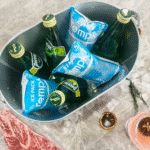
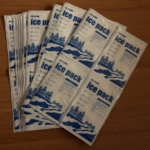
Un cargador pasivo combina la resistencia al flujo de calor exterior con el almacenamiento térmico en el interior.. paquetes de gel, agua bolsas de hielo, o los materiales de cambio de fase pueden absorber o liberar energía a medida que cambian las condiciones.. El componente apropiado depende de los requisitos del producto y de la configuración calificada.. Ningún refrigerante es inherentemente correcto para todos productos sensibles a la temperatura.
La condición inicial es crítica. Las instrucciones de embalaje deben especificar cómo se acondiciona el refrigerante o el PCM., cómo se reconoce su disposición, ¿Cuánto tiempo puede durar?, y donde se coloca cada componente. Si la carga útil debe separarse del refrigerante, El espaciador es un componente crítico en lugar de un material de embalaje prescindible.. Una sustitución en la película de bolsa., geometría del paquete, llenar, o la ubicación puede alterar el contacto y la respuesta térmica incluso si el nombre del refrigerante aparece sin cambios.
La variación de la carga útil merece un diseño deliberado. Una carga completa puede proporcionar masa térmica y ocupar espacio aéreo.; una carga mínima puede exponer más superficie y permitir diferentes movimientos internos. Las cajas de productos pueden obstruir los espacios previstos o tocar una superficie fría.. La calificación debe cubrir los peores casos representativos justificados por razonamiento térmico., No asumir automáticamente que la carga más pequeña o más grande es siempre la peor..
Bandejas ajustadas, piezas con llave, etiquetas, y una secuencia clara mejora la repetibilidad. Las pruebas de prototipos con usuarios reales pueden exponer pasos de montaje o puesta en escena incontrolados antes del lanzamiento..
Considere un envío transfronterizo típico de reactivos de diagnóstico sensibles a la temperatura.. Las dimensiones exteriores del paquete las fija un servicio de transporte., y las cajas de los productos deben permanecer en posición vertical. Un concepto VIP crea más espacio interior que una alternativa más gruesa, pero el primer diseño coloca el PCM directamente al lado de una cara del cartón y deja un puente en la tapa.. El mapeo de desarrollo identifica una ubicación del lado frío cerca del PCM y un calentamiento más rápido cerca del cierre.
El equipo suma un separador controlado, revisa la junta de la tapa, y define el sobre del producto para que las cajas no se desvíen. Luego desafía las cargas útiles mínimas y máximas con el acondicionamiento PCM especificado y los perfiles ambientales justificados.. El diseño revisado puede utilizar un poco más de estructura interna., sin embargo, es más valioso porque la carga útil cabe de forma segura y el embalaje se puede reproducir. No se debe asumir ningún tiempo de espera específico en este escenario.; el resultado pertenece a su protocolo y datos.
Herramientas útiles para tomar decisiones
Comprueba los detalles antes de elegir el embalaje.
Estas herramientas rápidas pueden ayudarle a comparar el riesgo de la ruta, necesidades de dimensionamiento, opciones de refrigerante, y detalles del embalaje antes de solicitar una cotización.
Referencia del material aislante
Compare opciones de materiales aislantes para diferentes necesidades de embalaje de la cadena de frío.
Comparar materialesrefrigerante & Referencia PCM
Compare las opciones de refrigerante y PCM cuando una ruta necesite soporte de temperatura adicional.
Comparar opcionesRevestimiento de caja & Dimensionamiento de la cubierta de paleta
Lógica de tamaño de revestimiento de cajas y cubiertas de paletas para proyectos de embalaje aislado.
Estimar el tamañoCalificación: construir una cadena de evidencia
Comience con la evidencia del componente, pero no te detengas ahí. ASTM C1667 aborda la medición con medidor de flujo de calor de las propiedades de transmisión térmica del centro del panel. ASTM C1484 cubre conceptos generales de especificación VIP, incluyendo la distinción entre centro y resistencia efectiva. Estas referencias ayudan a caracterizar un panel.. No captan una tapa, refrigerante, carga útil, o ruta.
ISO 16478 aborda ciertos edificios VIP e incluye factores de envejecimiento y puentes de borde lineales. Ofrece contexto material., no envío en cadena de frío calificación o prueba de desempeño del paquete completo.
A nivel de paquete, ASTM D3103 proporciona un método para evaluar el rendimiento del aislamiento térmico de los paquetes de distribución.. ISTA 7E proporciona perfiles de calor y frío para productos empaquetados en sistemas de entrega de paquetes. Estándar ISTA 20 describe un proceso de diseño y calificación para contenedores de transporte aislados. Seleccione métodos porque su alcance y condiciones respaldan su decisión., no porque sus nombres sean reconocibles.
por tiempo- y productos farmacéuticos sensibles a la temperatura, La orientación técnica de la OMS analiza la calificación del diseño, calificación operativa, y calificación de desempeño de los contenedores de envío, junto con el perfilado y seguimiento de rutas. En la práctica, Un programa basado en riesgos pasa de los requisitos y los desafíos controlados a la evidencia en el entorno operativo real.. La unidad de calidad responsable determina las etapas y aprobaciones necesarias..
Un protocolo debe identificar la lista exacta de materiales., condición del panel, carga útil, acondicionamiento del refrigerante, asamblea, ubicaciones de sensores, perfil ambiental, recuento de muestras o estrategia de repetición, criterios de aceptación, desviaciones, y método de presentación de informes. Revisar resultados completos, incluyendo gradientes inesperados o ejecuciones fallidas. Un gráfico fluido sin contexto de prueba es una evidencia más débil que un historial de desarrollo imperfecto pero rastreable.
Los peligros de distribución también requieren atención. Las pruebas térmicas no demuestran resistencia a los golpes., vibración, compresión, o trato brusco. Las pruebas mecánicas seleccionadas para el sistema de distribución pueden revelar daños que luego afectan el rendimiento térmico.. Dependiendo del riesgo, secuenciar los desafíos mecánicos y térmicos o volver a probar las unidades manipuladas puede ser apropiado.
Los registradores de temperatura de rutina documentan envíos particulares dentro de la estrategia de control.. Confirmar la documentación de calibración, configuración, activación, colocación, sincronización de tiempo, recuperación de datos, y manejo de alarmas. El monitoreo proporciona evidencia de exposición.; no crea protección térmica y no debe describirse como calificación del paquete por sí solo.
La ampliación depende del control de cambios y la propiedad del ciclo de vida
La selección de proveedores continúa después de una prueba de aprobación. Pregunte cómo se aprueban los materiales críticos, ¿Cuántos lotes son rastreables?, Qué inspecciones entrantes y en proceso se realizan., y cómo se comunican los cambios. Laminado barrera, centro, dimensiones del panel, espuma protectora, caparazón, cierre, refrigerante, adhesivo, y el montaje pueden afectar el estado calificado. Un cambio propuesto debe evaluarse antes del envío., con reevaluación basada en el riesgo.
Definir criterios de recepción de cajas nuevas y, si es relevante, unidades devueltas. Cortes visibles, esquinas aplastadas, cierres dañados, interiores mojados, protección distorsionada, o la condición incierta del panel debe desencadenar una acción documentada. Porque la pérdida lenta de vacío puede no ser obvia, Cualquier método de inspección o detección específico de un proveedor necesita una interpretación clara y un límite de aceptación..
Los programas reutilizables también requieren propiedad para su limpieza., seguimiento, pérdida, reparar, almacenamiento, y jubilación. Las afirmaciones de sostenibilidad deben basarse en los ciclos y la logística reales en lugar de la reutilización prevista.. ISO 14040 y ISO 14044 Ofrecer un marco y requisitos para la evaluación del ciclo de vida., incluyendo objetivo y alcance claros. Una comparación puede incluir la producción de materiales., transporte ida y vuelta, acondicionamiento del refrigerante, limpieza, riesgo de pérdida del producto, y fin de la vida.
Para sistemas unidireccionales, Identificar materiales y verificar rutas de destino de residuos.. Es posible que los sobres multicapa y los conjuntos adheridos no coincidan con los flujos de reciclaje locales, entonces "reciclable" no es una conclusión universal.
Una vez que la configuración sea estable, confirmar muestra específica del proveedor, estampación, pedido mínimo, plazo de entrega, capacidad, y detalles de precios. Compruebe si la cotización incluye refrigerante., maderero, caja exterior, apoyo a la calificación, y envío.
Preguntas frecuentes del comprador
¿Cuál es la especificación más importante del palco VIP??
No existe un número único suficiente en la compra.. La especificación más lista para tomar decisiones es la configuración aprobada.: sobre de carga útil utilizable, Construcción VIP y protección., diseño conjunto, refrigerante y acondicionamiento, límites de carga útil, asamblea, y condiciones de calificación. Los datos térmicos del centro del panel admiten este archivo, pero no puede reemplazarlo.
¿Cómo puedo saber si un VIP ha perdido el vacío??
Pinchazos evidentes, cortes, o cambios físicos anormales son señales de advertencia, pero la pérdida lenta puede no ser visualmente clara. Utilice el método de prueba o inspección documentado del fabricante y defina reglas de cuarentena y rechazo.. No improvise una prueba de compresión ni confíe en la reparación con cinta a menos que un procedimiento validado lo respalde específicamente..
¿Por qué se debe probar la carga útil mínima??
Cambiar la carga útil cambia la masa térmica, volumen de aire interno, exposición de la superficie del producto, y la relación con el refrigerante. Una carga mínima puede comportarse de forma diferente a una carga completa, aunque no es automáticamente peor en todos los diseños. La matriz de prueba debe identificar los extremos justificados y utilizar los espaciadores o material de estiba destinados a la operación de rutina..
¿Puedo cambiar de proveedor de PCM después de la calificación??
Un cambio de fuente debe ingresar a la evaluación de cambio formal. Comportamiento de transición de materiales, geometría del paquete, llenar, película de barrera, respuesta condicionante, y el contacto puede afectar el sistema térmico. Comparar especificaciones y determinar si la verificación o recalificación es necesaria para la aprobación.. Una etiqueta o apariencia similar no establece equivalencia.
¿Qué debe proporcionar un fabricante antes de realizar un pedido al por mayor??
Solicite la muestra aprobada y la revisión., dibujo de carga útil utilizable, especificaciones de materiales y componentes adecuadas a sus necesidades de calidad, instrucciones de embalaje, protocolo de prueba e informe, criterios de inspección, y enfoque de notificación de cambios. Los términos comerciales como el pedido mínimo y el tiempo de entrega deben confirmarse directamente porque son proveedores.- y específico del proyecto.
Conclusión: aprobar el diseño, proceso, y evidencia juntos
Un sistema confiable con aislamiento al vacío sobrevive a tres revisiones. La ingeniería entiende el núcleo, barrera, efectos de borde, puentes, envejecimiento, y protección contra pinchazos. Las operaciones pueden reproducir el paquete de refrigerante y carga útil.. Calidad puede rastrear la configuración suministrada hasta el paquete apropiado y enrutar la evidencia. Mantener esas aprobaciones conectadas es más importante que maximizar el valor de cualquier panel individual.
Acerca de Tempk
Tempk es la marca de Shanghai Tempk Industrial Co., Limitado. Ofrecemos embalaje de cadena de frío Soluciones que incluyen bolsas de hielo en gel y agua., PCM, forros y bolsas aislantes, EPS, PPE, y palcos vip, cubiertas térmicas para palets, refrigeradores médicos, registradores de datos de temperatura, y soporte de validación y empaquetado. Para un nuevo sistema aislado al vacío, Tempk puede participar en la discusión práctica sobre el uso de la carga útil, disposición del refrigerante, escucha, y el plan de evidencia manteniendo la idoneidad final ligada al producto y ruta definidos.
Pasar del concepto a la especificación: Envía a Tempk tu gama de productos, dibujos de carga útil, supuestos de carril, y evidencia de aprobación requerida para discutir una configuración de caja aislada al vacío para su evaluación..