El circuito de control de servicio OEM de caja aislada: Seis archivos que evitan la deriva
Un proyecto OEM está completo solo cuando un cambio realizado meses después del lanzamiento puede evaluarse con respecto al uso previsto original.. Eso requiere más que un prototipo y una orden de compra.. Un confiable caja aislada El servicio OEM funciona como un circuito de control.: Los requisitos dan forma al embalaje., las pruebas desafían una revisión nombrada, Los controles de producción lo reproducen., supuestos de verificación de datos de campo, y la revisión de cambios protege la evidencia. Seis archivos conectados hacen que ese bucle sea práctico. Cada archivo registra una decisión que de otro modo tiende a permanecer en el correo electrónico., diapositivas de ventas, o la memoria de un ingeniero individual.
Archivo 1 Capta el caso de uso y los derechos de decisión.
El primer expediente describe qué se debe proteger y quién tiene autoridad para decidir.. Debería aprobarse antes de que el equipo debata EPS, PPE, personaje, revestimiento, o refrigerante.
Describir las condiciones de transporte autorizadas del producto., sensibilidad al calor, congelación, choque, humedad, u orientación, y cualquier restricción de seguridad aplicable. Definir dimensiones de carga útil, masa, contar, embalaje secundario, configuraciones normales y de borde. Mapee la ruta de distribución desde el preacondicionamiento y el embalaje hasta la recepción, incluyendo modos, exposición estacional, retrasos creíbles, traspasos, aberturas, y almacenamiento temporal.
Añade la realidad operativa. ¿Qué equipos de enfriamiento o congelación están disponibles?? ¿Cuántas unidades deben empacar los operadores?? ¿Pueden distinguir componentes condicionados de forma diferente?? ¿Qué espacio hay disponible?? ¿Cómo se inspeccionan los envíos?, datos recuperados, componentes devueltos, y embalajes desechados o recuperados?
Registrar incógnitas como riesgos o estudios.. Si los extremos de la ruta no se entienden bien, recopilar datos de carril o seleccionar un perfil conservador documentado. Si el comportamiento de carga parcial es incierto, pruébelo en lugar de asumir que la carga completa es peor. Si sólo se propone un programa de reutilización, identificar la recuperación y la limpieza como requisitos previos en lugar de acreditar rotaciones futuras.
Los derechos de decisión pertenecen al mismo expediente.. Los propietarios del producto o de la calidad definen la aceptación. La ingeniería de embalaje traduce los requisitos y evalúa el diseño.. Operaciones aprueba la ejecutabilidad. Las adquisiciones rigen las condiciones comerciales y de proveedores.. El proveedor OEM es responsable del diseño acordado y del alcance de producción.. Un laboratorio aporta evidencia dentro de su protocolo. Organizaciones específicas pueden asignar roles de manera diferente, pero ninguna aprobación crítica debería carecer de dueño.
Archivos 2 y 3 convertir el concepto en un paquete controlado
Archivo 2 es el récord de arquitectura. Explica la solución seleccionada y las alternativas consideradas.. Archivo 3 es la especificación publicada que un equipo de fabricación puede construir y un comprador puede ordenar.
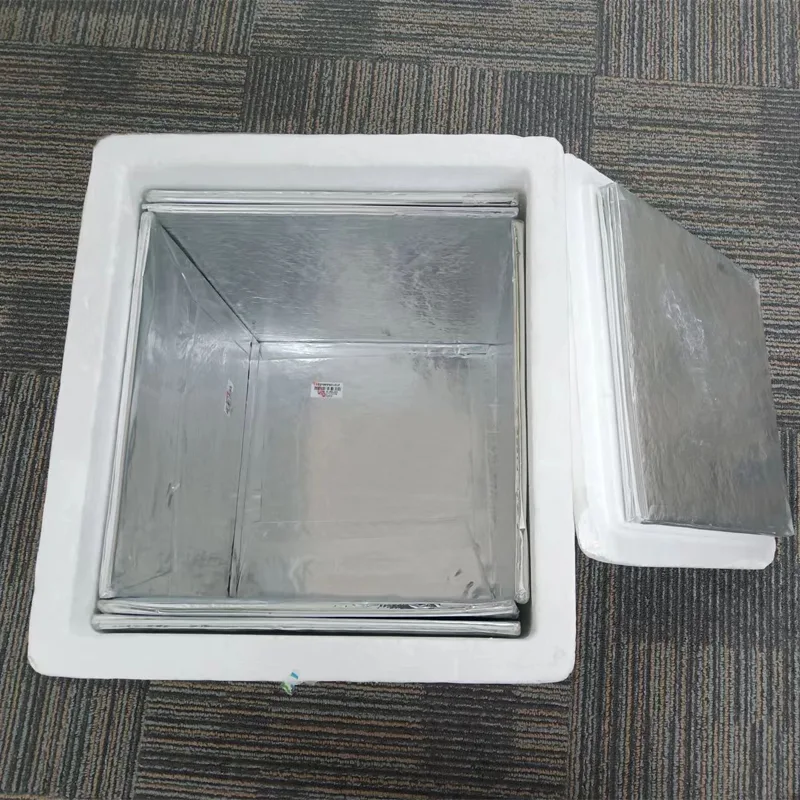
El récord de arquitectura abarca el aislamiento., refrigerante, posición de carga útil, espaciadores, revestimiento, elementos absorbentes o protectores, caja exterior, cierre, etiquetas, sellos, y monitoreo. Identifica interfaces críticas y modos de falla.. Por ejemplo, una tapa de espuma moldeada puede filtrar calor en la junta; un VIP puede perder rendimiento si se perfora su barrera; un panel de fibra puede comprimirse o responder a la humedad; a paquete de refrigerante puede crear riesgo de congelación local; una etiqueta puede oscurecer una marca requerida o interferir con el reciclaje.
El registro debe explicar por qué el enfoque elegido se ajusta a la carga útil utilizable., cubo de carga, embalaje, manejo físico, exposición térmica, reutilización o eliminación, y fabricación. También marca limitaciones del prototipo.. Una muestra fabricada a mano puede verificar la geometría pero no puede representar un proceso de producción moldeado.. Una maqueta impresa puede aprobar el diseño artístico, pero no el rendimiento del adhesivo bajo condensación..
Archivo 3 convierte ese razonamiento en resultados controlados:
Dibujos de ensamblaje y componentes con dimensiones y tolerancias funcionales.;
una lista de materiales o especificaciones de componentes controlados y alternativas aprobadas;
material, hechura, cierre, y requisitos de etiqueta;
el paquete completo, incluyendo preparación de refrigerante, cantidades, posiciones, secuencia, y casos de carga útil;
identificación de configuración y revisión;
características críticas y métodos de medición;
embalaje, paletización, almacenamiento, e instrucciones de manejo;
un conjunto de referencia aprobado, que puede combinar muestras, fotografías, dibujos, y registros.
No fuerce la divulgación de una formulación patentada cuando una especificación controlada y un acuerdo de cambio puedan gestionar el riesgo.. En cambio, "propiedad" no debe excusar la ausencia de evidencia sobre el artículo comprado. Las partes necesitan suficiente información para establecer la conformidad y evaluar el cambio..
| Archivo | Pregunta que responde | Liberar evidencia | Fallo si falta |
|---|---|---|---|
| 1. Caso de uso y roles | ¿Qué servicio se requiere?, y quien lo aprueba? | Requisitos aprobados y mapa de responsabilidades. | Conjeturas del proveedor; las decisiones no tienen dueño |
| 2. Arquitectura | ¿Por qué debería funcionar este sistema?? | Justificación del diseño, interfaces, riesgos, estado del prototipo | Material seleccionado sin lógica del sistema |
| 3. Especificación publicada | ¿Qué se producirá y empaquetará exactamente?? | Dibujos, componentes, empacar, metodos, revisión | Las unidades de muestra y de volumen se separan |
| 4. Paquete de pruebas | lo que se demostró, ¿Bajo qué condiciones?? | Protocolos, datos, informes, desviaciones, aprobaciones | El título de la prueba está demasiado extendido |
| 5. Plan de producción y lanzamiento. | ¿Cómo sobrevivirá la conformidad a la escala y al despliegue?? | plan de control, trazabilidad, capacitación, recepción, piloto | Los operadores y los lotes introducen variaciones incontroladas |
| 6. Registro de cambios y ciclo de vida | ¿Cómo se regirán el aprendizaje de campo y los cambios propuestos?? | Cambiar matriz, historia, desencadenantes, revisiones de tendencias | La evidencia anterior se desconecta del producto actual |
Los seis expedientes no tienen por qué ser seis documentos físicos. Pueden vivir en un sistema documental controlado.. Lo que importa es que cada pregunta sea respondida y los vínculos entre las revisiones sean claros..
Archivo 4 hace que la evidencia sea lo suficientemente específica para usarla
La evidencia no es una duración del folleto., una fotografía de una cámara, o una frase que diga "pasó ISTA." El paquete de evidencia debe identificar la unidad probada y las revisiones de los componentes., selección de muestra, carga útil, refrigerante y acondicionamiento, preacondicionamiento, Detalles y ubicaciones de los sensores., perfil ambiental, acondicionamiento físico, criterios de aceptación, datos sin procesar o rastreables, desviaciones, resultados, limitaciones, y aprobaciones.
La verificación y calificación del diseño deben seguir siendo distintas.. La verificación confirma que los productos coinciden con los insumos., como una dimensión de dibujo, cierre, identidad material, etiqueta, o ajuste de carga útil. La calificación establece la confianza documentada de que el sistema de envío definido es apto para el uso previsto en las condiciones aprobadas.. La inspección de rutina ayuda a garantizar que la producción se mantenga constante; no repite toda la calificación en cada unidad.
por tiempo- y productos farmacéuticos sensibles a la temperatura, La orientación técnica de la OMS describe la calificación de los contenedores de envío y las rutas relacionadas y las actividades de monitoreo.. Las buenas prácticas de distribución de la UE exigen que se mantengan las condiciones definidas del medicamento durante el transporte. ISTA 7E proporciona perfiles de paquetes de calor y frío estandarizados, y estándar ISTA 20 proporciona un proceso estandarizado de diseño y calificación para contenedores de transporte aislados. ISO 22982-1 y ISO 22982-2 abordar los requisitos y métodos de prueba para paquetes de paquetes con temperatura controlada.
Utilice sólo referencias cuyo alcance se ajuste al proyecto.. Un perfil estandarizado no reproduce todos los carriles. Un laboratorio certificado no certifica todas las cajas producidas por un proveedor.. Un informe para una carga útil y disposición de refrigerante no cubre automáticamente otra. Documentar la justificación técnica de los casos de prueba y cualquier puente hacia los datos existentes..
Los peligros físicos deben incluirse cuando sea relevante.. Gota, vibración, compresión, punción, humedad, y la manipulación repetida puede dañar el cierre o el aislamiento antes de que se produzca el desafío térmico.. Los sistemas reutilizables pueden necesitar una evaluación después de la limpieza y el desgaste representativo.. Probar una unidad impecable puede responder una pregunta útil, pero puede que no responda al operativo.
La evidencia ambiental también pertenece al archivo 4. ISO 14021 apoya las afirmaciones medioambientales disciplinadas y autodeclaradas; ISO 14040 y ISO 14044 Proporcionar una estructura de evaluación del ciclo de vida.; ISO 18603 trata los envases reutilizables con su sistema asociado. Un archivo de reclamo debe indicar el componente, porcentaje o atributo cuando corresponda, método, alcance de producción, geografía, base, límite del ciclo de vida, y limitaciones. Una prueba técnica y una declaración ambiental son formas de prueba separadas incluso cuando ambas describen el mismo recuadro..
Herramientas útiles para tomar decisiones
Comprueba los detalles antes de elegir el embalaje.
Estas herramientas rápidas pueden ayudarle a comparar el riesgo de la ruta, necesidades de dimensionamiento, opciones de refrigerante, y detalles del embalaje antes de solicitar una cotización.
Revestimiento de caja & Dimensionamiento de la cubierta de paleta
Lógica de tamaño de revestimiento de cajas y cubiertas de paletas para proyectos de embalaje aislado.
Estimar el tamañoCalculadora de bolsa de hielo
Estimación de la cantidad de bolsas de hielo en gel para envíos refrigerados y planificación práctica de rutas.
Estimar las bolsas de hieloCalculadora de hielo seco
Calcule las necesidades de hielo seco para envíos congelados o ultrafríos antes de empacar.
Estimar hielo secoArchivo 5 industrializa el diseño y entrena la red
El lanzamiento de producción comienza con la especificación controlada pero necesita un proceso que la mantenga.. El proveedor debe traducir las características críticas en controles del material entrante., controles en proceso, inspección final, y manejo de no conformidades. La identidad y los registros del lote deberían ser suficientes para investigar una queja o un cambio..
El control del proceso debe seguir el riesgo.. La densidad moldeada o el grado del material pueden ser importantes para un diseño; la integridad de la costura o la posición del panel pueden ser importantes para otro. Un método de medición debe definir el dato., equipo, condición de la muestra, fuerza cuando sea relevante, y aceptación. Los materiales flexibles o celulares pueden dar lecturas diferentes cuando la medición es vaga.
ISO 9001 Proporciona un marco general de gestión de calidad para productos y servicios consistentes., operaciones controladas, información documentada, disconformidad, y mejora. La certificación puede ser un insumo para la calificación del proveedor si se verifican su sitio y alcance.. No reemplaza la auditoría o revisión del material específico del artículo., proceso, inspección, trazabilidad, y cambiar los controles.
El plan de producción debe cubrir primeros artículos o lotes piloto., comparación de muestra a producción, embalaje de cajas o kits vacíos, protección de paletas, condiciones de almacenamiento, y daños en el envío. Una caja que viene conforme de fábrica pero llega aplastada., húmedo, o mezclado con otra revisión no ha llegado al comprador en estado controlado.
El lanzamiento se extiende más allá de la fábrica. Los operadores necesitan instrucciones de trabajo correctas y componentes acondicionados.. La capacitación debe incluir por qué son importantes los pasos críticos, cómo se distinguen las variantes, qué hacer con los componentes dañados, y cómo se registran las desviaciones. Los equipos receptores necesitan identidad, inspección, datos-de-monitoreo, devolver, e instrucciones de disposición.
Escenario práctico: pasando del prototipo de espuma a la producción moldeada
Imagine un equipo de biotecnología que aprueba un prototipo de espuma cortada a mano para una pequeña carga útil.. Las pruebas térmicas son alentadoras, y adquisiciones solicita una versión moldeada para volumen. La geometría parece idéntica., pero el moldeado puede cambiar la distribución de la densidad del material, esquinas, ajuste de la tapa, y comportamiento superficial. La transición es un paso de diseño y proceso., no es una simple ampliación.
Archivo 2 registra por qué la arquitectura moldeada debería ser equivalente o mejorada. Archivo 3 publica dibujos de producción, controles de materiales, interfaz de la tapa, empacar, y tolerancias. Archivo 4 prueba unidades representativas de producción según el protocolo aprobado. Archivo 5 define la inspección del primer artículo, controles de proceso, identidad del lote, embalaje, y pruebas de operador. Si la unidad moldeada difiere de la muestra cortada a mano, el equipo actualiza la evidencia en lugar de permitir que el resultado del prototipo siga el nombre del producto.
Archivo 6 mantiene vivo el sistema aprobado
Después del lanzamiento, La información de campo refuerza o desafía los supuestos de diseño.. Eventos de temperatura de tendencia, daño, quejas de cierre, desviaciones del embalaje, componentes faltantes, cuestiones dimensionales, fallas en las etiquetas, regresa, rechazos de limpieza, y cambios de ruta por revisión y lote cuando sea posible. Un registrador proporciona datos pero no la decisión.; Los procedimientos de calidad determinan cómo se evalúan los datos y se disponen los productos..
El control de cambios convierte esa retroalimentación en una mejora gobernada. Crear categorías para cambios que el proveedor pueda gestionar dentro de un rango aprobado, cambios que requieren aviso, y cambios que requieren la aprobación del comprador o nueva evidencia. Considere el grado o la fuente del material, contenido reciclado, construcción de espuma o panel, geometría, estampación, adhesivo, transatlántico, imprimir, sitio, refrigerante, empacar, y procesar.
Cada revisión de cambios debe preguntar:
¿Qué requisitos y modos de fallo podrían verse afectados??
¿Sigue siendo aplicable la evidencia existente??
Que verificación, muestras, pruebas, o se necesita recalificación?
que dibujos, reclamos, instrucciones, y los documentos comerciales deben cambiar?
¿Cómo se identificará y realizará la transición del inventario antiguo y nuevo??
hacer producto, regulador, cliente, sostenibilidad, o las partes interesadas en la calidad necesitan aprobación?
La revisión puede ser proporcionada.. La corrección ortográfica de una obra de arte puede necesitar una prueba controlada. Una nueva fuente VIP o disposición de refrigerante puede necesitar una evaluación exhaustiva. Lo que importa es una justificación técnica registrada., no es una nueva prueba completa automática ni una aceptación automática.
Las mejoras medioambientales siguen el mismo ciclo. Reducir el material de la pared, agregando contenido reciclado, simplificando capas, o puede valer la pena crear un diseño reutilizable, pero cada uno altera las suposiciones. El Reglamento de la UE sobre envases y residuos de envases 2025/40 generalmente se aplica desde 12 Agosto 2026 con numerosas obligaciones escenificadas posteriormente, por lo que los envases colocados en ese mercado necesitan la categoría actual- y revisión de roles específicos. Los cambios de sostenibilidad deben preservar el rendimiento requerido y actualizar la evidencia de las reclamaciones..
La continuidad comercial también pertenece aquí. Acordar el mantenimiento y la propiedad de las herramientas, fuentes alternativas aprobadas, momento de notificación, desviaciones de emergencia, referencias de revisión de pedidos repetidos, y acceso a registros. El OEM no determina automáticamente la propiedad de los diseños., moldes, informes, o propiedad intelectual; Los contratos deben asignar esos derechos explícitamente..
Preguntas frecuentes
¿Deben estar terminados los seis archivos antes del primer prototipo??
No. El archivo de caso de uso debe ser lo suficientemente maduro para guiar el trabajo., mientras que la arquitectura, especificación, evidencia, producción, y los archivos del ciclo de vida se desarrollan a través de etapas. Marcar el estado del borrador y las limitaciones del prototipo.. No libere la producción en volumen hasta que los registros relevantes estén aprobados y alineados con la misma configuración..
¿Cuántos prototipos debe requerir un proyecto OEM??
No existe un número universal.. Las etapas y cantidades del prototipo dependen de la novedad., estampación, variantes de carga útil, riesgo de falla, plan de prueba, y proceso de producción. Definir lo que cada muestra pretende demostrar y si es representativa de la producción.. Más muestras no controladas no crean pruebas más sólidas; el aprendizaje planificado lo hace.
¿Puede la inspección reemplazar la calificación térmica??
No. La inspección puede confirmar los materiales definidos., dimensiones, adaptar, asamblea, o mano de obra, mientras que la calificación térmica desafía el sistema completo bajo condiciones específicas. La inspección ayuda a mantener la coherencia después de la calificación porque no es práctico probar cada unidad enviada. Ambos deben conectarse al mismo diseño publicado..
Qué pertenece a una cláusula de notificación de cambio OEM?
Lista de categorías de cambio, aviso de tiempo, información requerida, autoridad de aprobación, reglas de evaluación y repetición de pruebas, desviaciones de emergencia, identificación del lote de transición, registrar actualizaciones, y tratamiento del inventario existente. Materiales de cubierta, fuentes, herramientas, sitios, procesos, construcción, empacar, etiquetas, y reclamos. Adaptar la cláusula al riesgo y a los requisitos de calidad aplicables..
¿Cómo deberían evaluar los compradores un rediseño ambiental??
Primero verifique que la protección del producto y las operaciones sigan siendo aceptables.. Luego defina el atributo ambiental preciso., unidad funcional, base, ciclo de vida y límites geográficos, supuestos de reutilización o recuperación, y evidencia. incluir refrigerante, cubo de carga, pérdida de producto, regresa, limpieza, daño, y final de vida cuando sea relevante. Gestionar el rediseño a través del control de cambios normal..
Conclusión
El bucle de control de seis archivos convierte al OEM de una promesa de personalización a un sistema mantenible. El uso previsto establece el objetivo; La arquitectura y las especificaciones definen el paquete.; La evidencia prueba una revisión con nombre.; producción y lanzamiento preservarlo; Los datos de campo y el control de cambios lo mantienen actualizado.. Cuando esos registros permanecen conectados, los compradores pueden escalar, mejorar, y responder a los cambios de suministro sin perder la base sobre la cual se aprobó el transportista aislado.
Acerca de Tempk
Tempk es la marca de Shanghai Tempk Industrial Co., Limitado. Es embalaje de cadena de frío Las soluciones incluyen gel y agua. bolsas de hielo, materiales de cambio de fase, forros y bolsas aislantes, EPS, PPE, y palcos vip, cubiertas térmicas para palets, refrigeradores médicos, registradores de datos de temperatura, y soporte de validación y empaquetado. En un proyecto OEM, Estos elementos se pueden definir dentro del requisito vinculado., especificación, evidencia, producción, y cambiar registros. El alcance exacto, configuración, responsabilidades, reclamos, pruebas, y los términos comerciales deben acordarse para el caso de uso del comprador..
Envía a Tempk el primer archivo: tu carga útil, carril, proceso operativo, necesidades de aceptación, y propietarios de decisiones, para comenzar una discusión sobre OEM diseñada para un lanzamiento controlado en lugar de una aproximación de catálogo.