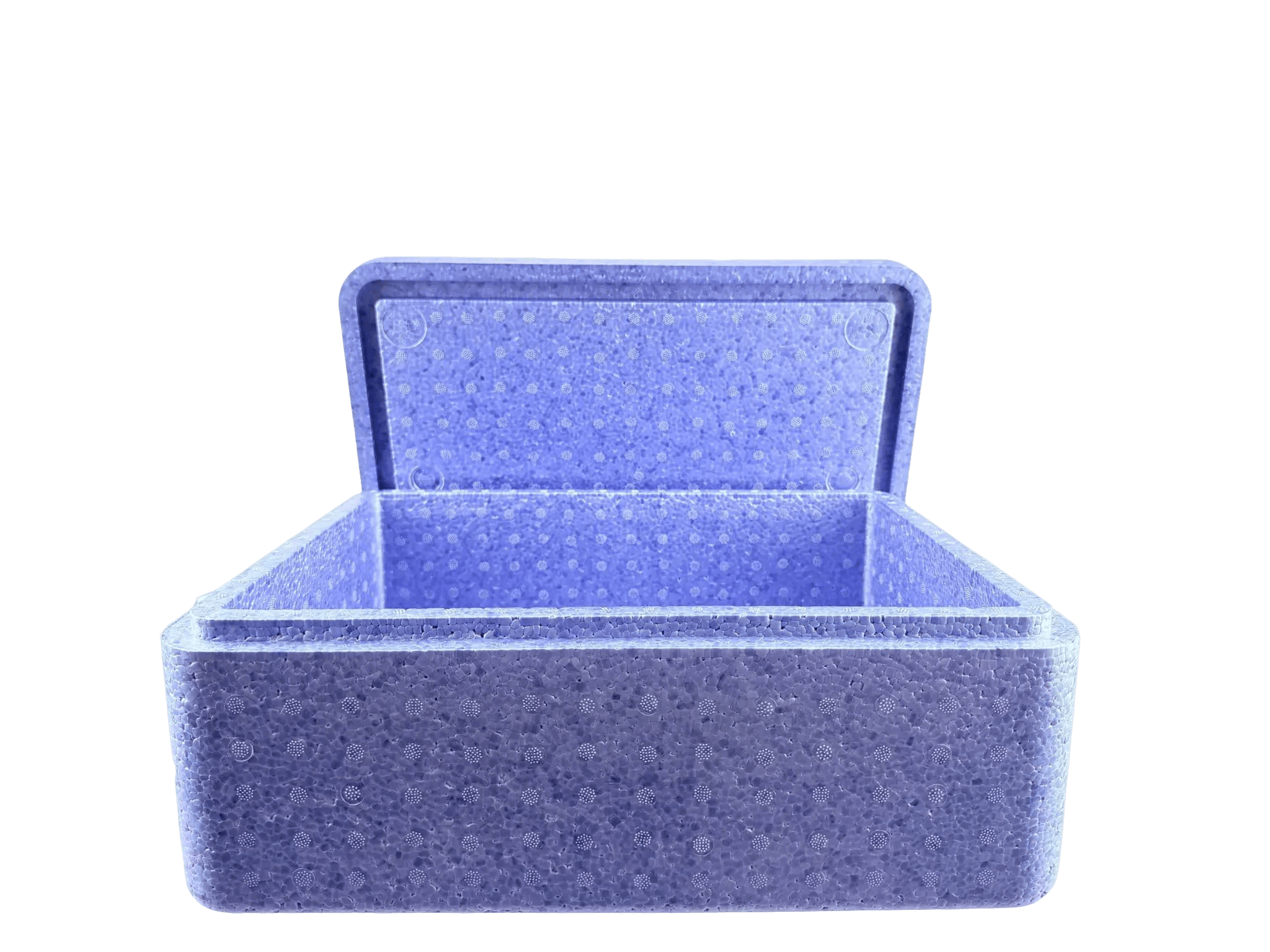
Cómo especificar una nevera portátil de EPP con asas para la ruta de entrega completa
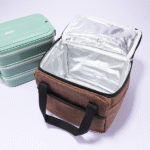
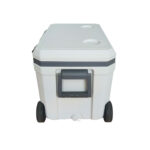
El mejor Caja refrigeradora EPP con asas es el que sigue siendo fácil de agarrar, estructuralmente sano, térmicamente adecuado, y lavable con el embalaje real más pesado. La selección debe comenzar con cada elevación de la ruta., no con una fotografía de caja vacía. Definir masa común y máxima., centro de gravedad, distancia de transporte, espacio libre para estantes, guantes, condiciones húmedas, limpieza, comportamiento de la tapa, y patrón de pila. Luego elija un mango moldeado o adjunto cuya trayectoria de carga pueda explicarse y probarse.. Este marco basado en rutas brinda a las adquisiciones, ingeniería, calidad, y operaciones una forma compartida de comparar diseños y evitar problemas en el manejo al retirar refrigeradores que de otro modo serían útiles.
Mapee cada traspaso antes de elegir el agarre
Dibuje la ruta desde la estación de embalaje hasta el receptor y viceversa.. Marque cada levantamiento, deslizar, llevar, repulsa, pila, apertura, evento de limpieza, y regreso vacío. Incluir alturas y equipamiento circundante.: piso, banco, estante del vehículo, carretilla, paleta, ascensor, escaleras, estante de lavado, y pila de almacenamiento.
Un refrigerador puede enfrentarse a un manejo muy diferente en cada punto. En el banco de embalaje, los agarres laterales poco profundos pueden ser suficientes. en un de, Es posible que los trabajadores necesiten sacar la caja de un estante cercano.. En la entrega, el mismo trabajador puede transportarlo por un largo pasillo. En la zona de lavado, La caja se puede invertir y girar mediante un agarre diferente.. La mejor ubicación del mango admite el evento recurrente más difícil sin obstruir a los demás..
Tenga en cuenta dónde los usuarios agarran actualmente una caja. El comportamiento no intencionado es una prueba valiosa. Si los conductores levantan por el borde de la tapa, las manijas previstas pueden ser inaccesibles o incómodas. Si los equipos de lavado usan una esquina, Es posible que necesiten un agarre giratorio.. Diseñar en torno al comportamiento real suele ser más efectivo que agregar advertencias.
Condiciones ambientales récord. manos mojadas, guantes aislados, superficies frías, cocinas calientes, lluvia, y el detergente cambian el agarre y las demandas de materiales.. Estas condiciones deberían aparecer más tarde en el plan de prueba..
Definir el paquete y el sobre de saldo
Enumere cada componente y su ubicación.: producto, refrigerante, divisores, bastidores, revestimiento, documentos, y registrador. Pesar las configuraciones común y máxima.. Determinar si los contenidos cambian o se eliminan durante las rutas de entrega múltiple. Una hielera que se equilibra cuando está llena puede girar bruscamente cuando se vacía un lado.
La especificación debe identificar la masa máxima empaquetada., pero ese número no es una aprobación universal para levantamiento seguro. Ancho de la caja, distancia de transporte, postura, frecuencia, población de usuarios, y los procedimientos locales también importan. Si el paquete completo es demasiado grande para un manejo manual práctico, Reducir el tamaño de la caja o añadir una ayuda mecánica..
Calcule el centro de gravedad para limitar los paquetes y verifíquelo físicamente. Las manijas deben permitir que la caja cuelgue con una orientación predecible.. Si se coloca refrigerante denso cerca de las paredes laterales, Confirme que no presione los huecos del mango ni cree una carga local dura durante el impacto..
Utilice divisores o posiciones fijas de refrigerante cuando el movimiento cause problemas de equilibrio.. La solución debe preservar la repetibilidad del paquete sin hacer que la carga o la limpieza sean excesivamente complejas..
Seleccione una arquitectura de identificador deliberadamente
Comience con la función que ofrece cada tipo de manija.
- Un orificio moldeado para la mano está protegido., simple, y fácil de identificar, pero elimina la sección de la pared y necesita suficiente espacio para los dedos.
- Un túnel empotrado cerrado conserva una barrera térmica interna pero consume espacio y requiere un moldeado cuidadoso.
- Un agarre moldeado saliente mejora el acceso pero puede engancharse y expandir la envoltura externa..
- Un asa de cinta o cuerda se puede plegar y mejorar el alcance., pero agrega un componente de alto contacto que debe limpiarse y reemplazarse.
- Un mango rígido de plástico o metal puede ofrecer una forma ergonómica definida., mientras que sus anclajes y su interfaz de materiales requieren un diseño cuidadoso.
- Una correa alrededor del cuerpo puede adaptarse al soporte de transporte, pero puede desplazarse, etiquetas de portada, o interferir con la tapa.
Elija la arquitectura según la capacidad de mantenimiento. Una flota centralizada puede beneficiarse de las manijas reemplazables. Una flota de reparto de alimentos dispersa puede preferir agarres integrados sin partes separadas. Una pequeña nevera de laboratorio puede necesitar un asa superior para poder moverla con una sola mano, mientras que una caja de catering grande puede necesitar posiciones para cuatro manos o una interfaz de carrito.
No agregue varios identificadores sin comprender la elección del usuario. Demasiados agarres pueden crear un levantamiento inseguro o inconsistente si algunos no están diseñados para la carga completa..
Trazar la ruta de carga estructural
Para cada agarre previsto, sigue la fuerza dentro de la caja. La mano carga el borde inferior o correa.. La sección de agarre transfiere fuerza alrededor de una abertura o a través de un anclaje.. La pared lateral y el borde lo llevan hacia abajo.. La base soporta la carga útil.. Cualquier puente delgado, esquina afilada, zona mal fusionada, o el inserto concentrado puede interrumpir el camino.
Solicitar dibujos de sección a través del mango., borde, muro, y base. Marcar secciones y radios mínimos de material.. Para asas adjuntas, mostrar la geometría del anclaje y cómo se distribuye la carga. Compruebe si los sujetadores pueden pasar, girar, corroer, o comprimir el EPP. Verifique que el anclaje interno no entre en contacto con el producto o el refrigerante..
La trayectoria debe permanecer estable al levantar y girar unilateralmente.. Probar el mal uso previsible sin presentarlo como el método recomendado. Una caja que falla repentinamente cuando se levanta una manija puede crear un peligro incluso si las instrucciones requieren dos manos..
El apilamiento y el comportamiento de la tapa están relacionados. Las cargas del mango pueden flexionar la llanta., cambiando el compromiso de cierre. La caja aún debe cerrarse y apilarse después de levantarla repetidamente.. Si la tapa soporta cargas de pila vertical, Confirmar que esas cargas pasan por alto los paneles flexibles y se transfieren a través de interfaces estables..
Equilibra la comodidad del agarre con la geometría y el aislamiento
Una abertura más grande mejora el acceso a los guantes pero debilita la sección a menos que la geometría lo compense. Un borde redondeado más grueso mejora la distribución de la presión pero reduce la apertura utilizable. Una textura rugosa mejora el agarre en mojado pero puede complicar la limpieza.. Un túnel cerrado conserva el aislamiento pero se introduce en la cavidad.. Cada mejora ergonómica tiene un impacto estructural., térmico, o consecuencia espacial.
Utilice pruebas de usuarios representativos para equilibrarlos. Incluye diferentes tamaños de mano, guantes, uso húmedo, cargas completas y parciales, y el acarreo más largo. Observar el espacio libre de los nudillos., presión del dedo, posición de la muñeca, rotación de caja, y si los usuarios mantienen la carga cerca del cuerpo.
Térmicamente, evaluar la geometría final. Un orificio pasante o un hueco delgado pueden convertirse en una ruta de calor local.. Las inserciones y sujetadores agregados en el mango pueden crear puentes.. El impacto sobre el producto depende de la posición., refrigerante, carga útil, y exposición ambiental. Cuando un reclamo de temperatura importa, Pruebe el diseño exacto del mango y el paquete completo..
No compare refrigeradores solo por el grosor de la pared. Volumen utilizable, mango huecos, ajuste de la tapa, y el embalaje real determinan el rendimiento.
Tapa integrada, sello, etiqueta, y apilar decisiones
El mango no debe bloquear el precinto., etiqueta de ruta, código de barras, o marca de propiedad. Las etiquetas colocadas directamente al lado de las empuñaduras se desgastan rápidamente. Un panel de identificación protegido debe permanecer visible cuando las cajas se apilan y transportan..
Revisar la arquitectura de la tapa. Una tapa extraíble es simple y lavable pero se puede perder.. Una bisagra o correa moldeada lo mantiene sujeto pero agrega un punto de desgaste. Los pestillos mejoran la retención pero introducen componentes rígidos. La elección correcta depende de la frecuencia de apertura y de los requisitos de calidad..
Cierre de prueba cuando la caja está cargada y las paredes flexionadas.. Una tapa que se asienta fácilmente en un banco vacío puede atascarse después de levantar un lado. Confirmar que el refrigerante y la carga útil no pueden impedir el compromiso total. Utilice señales visuales o táctiles para mostrar el cierre correcto..
Herramientas útiles para tomar decisiones
Comprueba los detalles antes de elegir el embalaje.
Estas herramientas rápidas pueden ayudarle a comparar el riesgo de la ruta, necesidades de dimensionamiento, opciones de refrigerante, y detalles del embalaje antes de solicitar una cotización.
refrigerante & Referencia PCM
Compare las opciones de refrigerante y PCM cuando una ruta necesite soporte de temperatura adicional.
Comparar opcionesReferencia del material aislante
Compare opciones de materiales aislantes para diferentes necesidades de embalaje de la cadena de frío.
Comparar materialesCalculadora de acumuladores de frío
Estimación de la cantidad de bolsas de hielo en gel para envíos refrigerados y planificación práctica de rutas.
Estimar las bolsas de hieloLas características de la pila deben alinearse después del ciclo y la limpieza del mango.. Las cajas superiores no deben obstruir los agarres inferiores si los trabajadores necesitan separar una pila.. Las proyecciones externas no deben reducir inesperadamente la densidad de paletas o vehículos..
Diseño para limpieza e inspección.
Los requisitos de limpieza pueden decidir el tipo de mango.. Definir si la caja se borra, lavado a mano, rociado, inmerso, o procesado en equipos automatizados. Identificar detergente, desinfectante, temperatura, presión, y secado.
Favorecer las superficies accesibles y el drenaje.. Evitar las caries ciegas que retienen líquido., espacios estrechos detrás del hardware, correas absorbentes que no se secan, y texturas que ocultan residuos. Si es necesaria una manija separada, simplificar la inspección y el reemplazo.
Cree una lista de verificación posterior a la limpieza. Comprobar la contaminación, olor, etiquetas dañadas, correas deshilachadas, sujetadores sueltos, EPP aplastado alrededor de los anclajes, empuñaduras moldeadas rasgadas, distorsión del borde, y ajuste de la tapa. Un mango de alto contacto debe inspeccionarse al menos tan detenidamente como la cavidad..
Comprobar la compatibilidad del material en el conjunto terminado.. El EPP puede resistir muchos productos químicos, pero maneja plásticos, textiles, rieles, tintas, adhesivos, y los sellos pueden responder de manera diferente. La aprobación de limpieza pertenece al refrigerador completo..
Establecer una escalera de prueba
Utilice pruebas cada vez más sólidas en lugar de saltar directamente de un modelo CAD a la producción en masa..
| Etapa de desarrollo | Objetivo | Ejemplo de evidencia |
|---|---|---|
| Maqueta ergonómica | comprobar apertura, forma de borde, ubicación, y acceso al bastidor | Prueba de usuario con masa representativa y guantes. |
| Prototipo estructural | Verifique la ruta de carga y la deformación inmediata. | Ascensores de prueba, eventos unilaterales, medidas de tapa y borde |
| Muestra de uso repetido | Evaluar el desgaste del ciclo y la interacción de limpieza. | Ciclos de elevación, lleva, ajustes, ciclos de lavado, inspección |
| Prueba de transporte embalado | Evaluar los peligros de la ruta completa | Vibración adecuada, impacto, compresión, y secuencia de cierre |
| Prueba de embalaje térmico | Confirmar la geometría manipulada dentro del sistema de cadena de frío. | Carga útil exacta, refrigerante, perfil ambiental, plan de sensores, criterios de aceptación |
| Confirmación de producción | Mostrar repetibilidad del diseño aprobado. | Múltiples unidades de producción, dimensiones, adaptar, revisiones seleccionadas |
La escalera evita que se solicite una prueba para responder a todas las preguntas.. Comodidad del usuario, fuerza inmediata, durabilidad a largo plazo, protección de ruta, y el rendimiento térmico necesitan evidencia relacionada pero distinta.
Los criterios de aceptación deben escribirse antes de realizar la prueba.. Incluye accesorio de mango, deformación permanente, dimensiones de agarre, ajuste del borde y la tapa, función de pila, daño agudo, observaciones de usuarios, y condición de carga útil. Un mango que permanece sujeto pero se vuelve incómodo o inestable no debe pasar automáticamente.
Comparar ofertas de proveedores sobre supuestos equivalentes
Envíe a cada proveedor el mismo paquete, ruta, y requisito de evidencia. Preguntar por dimensiones interiores utilizables, dimensiones externas, grado del material, objetivo de densidad moldeada, tipo de mango, cierre, masa vacía, embalaje de cajas vacías, y la base de cualquier reclamo de carga.
Para una capacidad de carga indicada, solicitar método de prueba, recuento de muestras, duración o ciclos, acondicionamiento, distribución de carga, y definición de falla. Confirme si es una condición de funcionamiento recomendada o un valor de prueba final. No compare números generados con diferentes métodos.
Revisar el control de producción.. ¿Qué dimensiones del mango son críticas?? ¿Cómo se comprueba la fusión?? ¿Cómo se ensamblan las manijas adjuntas?? ¿Qué cambios requieren notificación?? ¿Se pueden suministrar manijas o tapas de repuesto?? ¿Cómo se documentan las reparaciones de herramientas??
La certificación del sistema de gestión puede respaldar la confianza en la disciplina del proceso, pero verifique el certificado y el alcance exactos. No establece el manejo cargado o el rendimiento térmico del refrigerador..
Modelo de costo total y vida útil.
Un asa influye en la economía de toda la caja. Si falla un agarre integral, el cuerpo puede ser retirado. Si falla una manija separada, puede ser reemplazable, pero se requiere mano de obra y piezas de mantenimiento.. Incluir estas vías en el costo total..
También incluya la eficiencia del embalaje., tiempo del trabajador, daño del producto, cubo de vehículo, limpieza, transporte de regreso, pérdida, almacenamiento, e inventario de repuesto. Una manija saliente puede reducir las unidades por palet. Un agarre cómodo puede reducir los daños causados por el asentamiento. Una correa complicada puede ralentizar el lavado. Estos efectos operativos pueden importar más que una pequeña diferencia de precio unitario..
Seguimiento de las causas de retiro durante el uso. Si el cuerpo dura más que el mango, rediseñar o reemplazar modularmente puede ayudar. Si las cajas se pierden antes de que se gasten, invertir en rentabilidad e identificación de activos. Si los operadores sobrecargan un popular gran tamaño, ajustar la familia de cajas y las reglas de embalaje.
La sostenibilidad sigue la misma lógica. Vida útil más larga, dimensionamiento eficiente, piezas reemplazables de alto desgaste, baja pérdida, y una ruta de recuperación real son más significativas que una reclamación genérica reutilizable.
Preguntas frecuentes
¿Cuál es la primera medida a solicitar para una hielera con manijas??
Solicite la masa máxima real empaquetada y su distribución, luego, la apertura mínima utilizable del mango y el espacio exterior alrededor del mango.. Estas mediciones conectan la carga estructural y el acceso humano.. Deben revisarse junto con el ancho de la caja., distancia de transporte, guantes, y espacio en rack.
¿Puede un proveedor cotizar una carga de manipulación segura sin conocer la ruta??
Puede informar el resultado de una prueba., pero una recomendación operativa útil requiere contexto. Carga estática, transporte repetido, gotas, temperatura, elevación unilateral, y la limpieza crean diferentes tensiones. El comprador debe comparar las condiciones de prueba con la ruta y realizar pruebas de usuario en condiciones reales de embalaje..
¿Cuándo se debe preferir un mango separado??
Un asa separada puede resultar útil cuando se necesita comodidad para un transporte prolongado., plegable, control con una sola mano, o la reemplazabilidad es importante. Es menos atractivo cuando la higiene, engancharse, recuento de partes, o la separación al final de la vida es difícil. El accesorio y el EPP circundante deben diseñarse y probarse.
¿Cómo se deben clasificar los daños??
Separar el desgaste cosmético del daño funcional. Los problemas funcionales incluyen desgarro., separación de cuentas, elongación permanente, bordes afilados, inserciones sueltas, correas deshilachadas, espacio restringido para los dedos, distorsión del borde, mal ajuste de la tapa, y transporte inestable. Definir criterios de cuarentena y jubilación con fotografías y mediciones cuando sea práctico..
¿Un mango personalizado requiere nuevas pruebas térmicas??
puede. Un cambio de manilla puede alterar la continuidad de la pared, espesor local, sujetadores, forma de cavidad, posición del refrigerante, o comportamiento del párpado. Si el enfriador es parte de un paquete de control de temperatura calificado, el cambio debe recibir una revisión de ingeniería documentada. Los requisitos de prueba dependen de la magnitud del cambio y del riesgo del producto..
Conclusión
La especificación de un refrigerador EPP con asas requiere un proceso de decisión conectado. Mapear la ruta, definir masa empaquetada y equilibrio, Elija una arquitectura de agarre mantenible, trazar la ruta de carga estructural, confirmar la comodidad del usuario, proteger la envoltura térmica, integrar tapa y etiquetas, y prueba a través de una escalera de evidencia por etapas. Luego bloquee el material y la geometría aprobados en el control de producción y administre el estado de las manijas en toda la flota..
Acerca de Tempk
suministros temporales Neveras EPP y relacionados embalaje de cadena de frío productos. Para proyectos con refrigeradores manejados, Podemos revisar formatos estándar o personalizados con respecto al tamaño de la carga útil., masa empaquetada, disposición del refrigerante, espacio para vehículos, limpieza, y apilabilidad.
Comparta el mapa de empaque y transferencia para comparar opciones sobre supuestos operativos equivalentes.