Proveedor de ladrillos de gel de hielo: Cómo elegir el sistema de ladrillos de hielo adecuado
El proveedor de bloques de gel de hielo debe elegirse como parte de un sistema completo de cadena de frío.. El ladrillo almacena energía frigorífica., pero el envío permanece protegido sólo cuando el ladrillo se combina con el contenedor aislado adecuado, volumen de carga útil, método de acondicionamiento, duración de la ruta, y procedimiento operativo. Un buen embalaje es repetible, mensurable, y realista para las personas que lo empacarán y lo recibirán..
El enfoque de compra más seguro es comenzar con los requisitos del producto y avanzar hacia atrás.. Definir el rango de temperatura permitido, tiempo de ruta, exposición ambiental, tamaño del paquete, temperatura de carga del producto, y necesidades de documentación. Luego elija un proveedor de ladrillos de gel de hielo que se ajuste al contenedor y al proceso.. Este enfoque es especialmente importante cuando la confiabilidad del proveedor afecta la consistencia del empaque., disponibilidad de stock, planificación de reemplazo, y momento de lanzamiento del programa.
La decisión rápida
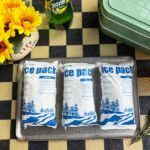
Usar rígido ladrillos de hielo cuando necesitas geometría repetible, manejo limpio, fuentes de frio reutilizables, y un patrón de embalaje que se puede enseñar en muchos envíos. Utilice paquetes de gel flexibles cuando la carga útil sea irregular o el contacto cercano con la superficie sea más importante que el control de la forma.. Considere ladrillos o paneles PCM cuando el producto necesite una banda de temperatura más específica. Considere el hielo seco o los sistemas activos solo cuando el producto y la ruta realmente requieran esas opciones..
No elijas un ladrillo de hielo sólo por tamaño o precio. El ladrillo correcto es el que se adapta a la cavidad del producto., soporta el rango de temperatura objetivo, se puede acondicionar de forma fiable, y actúa dentro del sistema de embalaje seleccionado. Para proveedor de ladrillos de gel de hielo, Los compradores deben comprobar si el proveedor puede apoyar la selección técnica., muestras, documentación, y coherencia continua de los pedidos.
Lo que un ladrillo de hielo puede y no puede hacer
Un ladrillo de hielo puede agregar masa térmica, absorber el calor que ingresa al paquete, y hacer que el paquete sea más fácil de repetir. También puede reducir el agua derretida en comparación con el hielo suelto y puede favorecer la reutilización en una operación de circuito cerrado.. no puede, por sí mismo, calificar un envío, superar el mal aislamiento, arreglar un retraso en la ruta, o demostrar que un paquete es adecuado para cada producto sensible a la temperatura.
Un paquete pasivo funciona porque varias partes trabajan juntas.. La caja aislada, bolsa, transatlántico, o la cubierta de la plataforma ralentiza la transferencia de calor. El ladrillo aporta capacidad de refrigeración.. La masa del producto amortigua el cambio de temperatura.. Los separadores reducen el contacto directo con el frío. Las instrucciones de embalaje controlan la variación humana.. El seguimiento proporciona evidencia. Si una parte cambia, el perfil de temperatura final puede cambiar.
Por eso los compradores experimentados evalúan todo el sistema.. Un ladrillo que funciona bien en una hielera puede tener un rendimiento inferior en un revestimiento delgado. Un paquete que protege una carga útil completa puede fallar con media carga. Un diseño que funciona en primavera puede necesitar revisión en verano o invierno. El nombre del producto por sí solo nunca es prueba suficiente.
Adaptar, Volumen utilizable, y protección de carga útil
El ajuste debe comprobarse con el paquete completo., no con un contenedor vacío. Mida el contenedor después del aislamiento., revestimiento, divisores, papeleo, monitores de temperatura, material absorbente, y los ladrillos están incluidos. El espacio restante es la cavidad de carga útil.. Es común que los compradores sobreestimen la capacidad cuando solo miran las dimensiones externas de la caja..
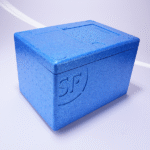
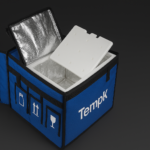
Para cajas aisladas, Cajas EPP, bolsas más frescas, y contenedores de distribución, El ladrillo debe asentarse de forma segura sin forzar la tapa., deformar el revestimiento, o triturar el producto. También debería permitir a los trabajadores cargar el paquete de forma rápida y consistente.. Si el personal debe improvisar la colocación de ladrillos, el embalaje no está listo para escalar.
La protección del producto no es sólo térmica. El ladrillo no debe gotear., romper, cambio, contaminar el área del producto, o crear problemas de condensación que dañen las etiquetas y los cartones. Si el envío incluye viales frágiles, tubos de muestra, paquetes de comida blanda, o cajas de venta al por menor, el diseño debe incluir barreras o compartimentos que impidan la presión directa.
Rango de temperatura y acondicionamiento
El método de acondicionamiento correcto depende del producto.. Un ladrillo congelado puede ser adecuado para algunos alimentos refrigerados o productos congelados., pero puede ser riesgoso para productos que no deben congelarse. Un ladrillo PCM puede necesitar un ciclo de temperatura definido para alcanzar el estado de fase deseado. un condicionado paquete de refrigerante puede ser más seguro para algunas aplicaciones farmacéuticas refrigeradas que un ladrillo usado directamente de un congelador.
Para vacunas refrigeradas y muchos inmunobiológicos, un rango de almacenamiento común es 2 grados C a 8 grados C, y algunos productos pueden dañarse al congelarse. Otros productos tienen requisitos diferentes.. Los compradores deben confirmar la etiqueta del producto., límites de estabilidad, y procedimientos de calidad locales antes de aprobar un paquete. Los ladrillos de hielo nunca deben describirse como automáticamente conformes para uso farmacéutico..
Las instrucciones de embalaje deben explicar durante cuánto tiempo se debe congelar o acondicionar el ladrillo., donde debe almacenarse, cómo los trabajadores identifican los ladrillos listos, y qué hacer cuando un ladrillo está parcialmente descongelado. Sin estos detalles, dos trabajadores pueden usar el mismo ladrillo y contenedor pero producir resultados térmicos diferentes.
Riesgo de ruta: Duración, Exposición ambiental, y Manejo
La duración de la ruta es mayor que el tiempo de transporte en una hoja de reserva.. Incluye puesta en escena de precarga, recogida del transportista, manejo del cubo, tiempo de permanencia en aduana o muelle, entrega de última milla, y retraso en la recepción. Para proveedor de ladrillos de gel de hielo, la ruta puede incluir puntos de exposición que son invisibles durante una simple discusión en la oficina. Esos puntos de exposición deberían dar forma al embalaje..
La temperatura ambiente importa en ambas direcciones. El clima cálido puede agotar la capacidad de refrigeración. El clima frío puede enfriar demasiado un producto que debería permanecer refrigerado pero no congelado. Un buen diseño considera el perfil estacional y puede utilizar diferentes empaques para las estaciones frías y cálidas..
Los patrones de manejo también importan. Una bolsa de entrega abierta veinte veces se comporta de manera diferente a un remitente de paquete sellado. Una paleta envuelta herméticamente puede restringir el flujo de aire alrededor de las cubiertas térmicas.. Una caja almacenada junto a la puerta de un muelle de carga puede sufrir más estrés que una caja trasladada directamente a un camión.. Estos detalles prácticos a menudo explican por qué un paquete tiene éxito en una prueba pero tiene problemas en las operaciones..
Lista de verificación de proveedores para pedidos al por mayor o personalizados
Porque la consulta de evaluación de proveedores es fundamental para este tema., La evaluación del proveedor debe ser específica.. Pregunta por la información que afecta al ajuste, actuación, repetibilidad, y ampliar. Para una política de muestra, Cantidad mínima de pedido, plazo de entrega, hojas de especificaciones, consistencia de producción, y soporte post-orden, El comprador debe documentar sus decisiones antes de realizar un pedido grande..
Dimensiones exteriores, peso lleno, tolerancia, y cantidad de cartón.
Material de carcasa o película, tipo de refrigerante interno, y banda de temperatura recomendada.
Instrucciones de acondicionamiento para congelados., enfriado, o uso de PCM.
Compatibilidad con la nevera portátil seleccionada, bolsa, transatlántico, transportista de paletas, o caja exterior.
Herramientas útiles para tomar decisiones
Comprueba los detalles antes de elegir el embalaje.
Estas herramientas rápidas pueden ayudarle a comparar el riesgo de la ruta, necesidades de dimensionamiento, opciones de refrigerante, y detalles del embalaje antes de solicitar una cotización.
Generador de lista de cumplimiento
Cree una lista de verificación práctica para la revisión del embalaje, envío, y documentación.
Crear lista de verificaciónRevestimiento de caja & Dimensionamiento de la cubierta de paleta
Lógica de tamaño de revestimiento de cajas y cubiertas de paletas para proyectos de embalaje aislado.
Estimar el tamañoReferencia del material aislante
Compare opciones de materiales aislantes para diferentes necesidades de embalaje de la cadena de frío.
Comparar materialesVolumen de carga útil utilizable después de instalar todos los ladrillos y el aislamiento..
Filtración, presión, gota, o controles de calidad visuales utilizados por el proveedor..
Origen de la muestra y si la producción utilizará las mismas herramientas y materiales..
Notificación de cambio para resina, moho, tapa, película, fórmula, llenar volumen, o cambios de embalaje.
Cantidad mínima de pedido, plazo de entrega, etiquetado personalizado, configuración de cartón, y embalaje de paletas entrantes.
Soporte para pruebas piloto, dibujos de embalaje, y repetir la coherencia del pedido.
Las conversaciones con proveedores más útiles incluyen la ingeniería de embalaje., operaciones, obtención, y calidad. El departamento de adquisiciones puede negociar el precio y el plazo de entrega.. Las operaciones pueden confirmar la capacidad de congelación y el manejo.. La ingeniería de embalaje puede probar el ajuste y la temperatura. Calidad puede revisar la documentación y la respuesta a la excursión.. Las cuatro perspectivas reducen el riesgo antes de la ampliación.
Costo: Mire más allá del precio unitario
El precio unitario de un ladrillo es solo un costo.. El costo total incluye el flete entrante, almacenamiento, espacio del congelador, manipulación de mano de obra, tiempo de empaque, daño del producto, ladrillos de reemplazo, limpieza, logística inversa, y el costo de los envíos fallidos. Un ladrillo más barato puede volverse caro si obliga a una caja más grande, agrega demasiado peso, o causa resultados de temperatura inconsistentes.
Para programas reutilizables, calcular la tasa de reutilización práctica en lugar de asumir ciclos ilimitados. Los ladrillos pueden perderse, agrietado, contaminado, o mantenido por los clientes. Las operaciones de circuito cerrado aún pueden lograr un gran valor cuando se controla la recuperación, la limpieza es sencilla, y la rotación del congelador está organizada. Las rutas de ida requieren un cálculo diferente.
El control de costes no debería significar eliminar ciegamente los márgenes de seguridad. El mejor enfoque es ajustar el tamaño correcto del paquete mediante pruebas.. Si los datos muestran que menos ladrillos aún protegen la carga útil bajo el perfil de ruta aprobado, la empresa puede reducir el peso y el costo con confianza. Si los datos muestran que el paquete es marginal, Reducir ladrillos puede ser una falsa economía..
Cuando los ladrillos de hielo no son suficientes
Los ladrillos de hielo pueden no ser suficientes para rutas largas o inciertas, tiempo de permanencia en aduanas no controlado, productos ultrafríos, biológicos de alto valor, cargas útiles con tolerancia de temperatura muy estrecha, o envíos que requieran un control activo continuo. También pueden resultar inadecuados cuando el destinatario no puede manejar los ladrillos descongelados., regresa, limpieza, o eliminación.
Una caja más fresca, caja impermeable, o bolsa aislante no debe describirse como temperatura controlada a menos que se haya evaluado el sistema completo para el uso previsto.. Una caja de plástico puede proteger contra impactos y humedad y al mismo tiempo permitir que el producto se desvíe fuera de su rango.. Un contenedor reutilizable puede reducir los residuos sin dejar de necesitar cualificación.
Cuando el riesgo es alto, Los compradores deben preguntar si un transportista térmico calificado, sistema PCM, sistema de hielo seco, transporte refrigerado, contenedor activo, o servicio monitoreado es más apropiado. Los ladrillos de hielo son herramientas valiosas, pero no son una respuesta universal.
Plan de implementación
Comience con un requisito escrito: producto, rango de temperatura, duración del envío, ruta, recipiente, cantidad de carga útil, y proceso de recepción. Luego cree uno o dos paquetes candidatos utilizando el proveedor de bloques de gel de hielo propuesto.. Pruébelos con el embalaje real y una carga útil representativa.. Incluir tiempo de puesta en escena, método de carga, y exposición estacional esperada.
Después de la prueba, escribir una instrucción de embalaje simple. Incluir recuento de ladrillos, ubicación, acondicionamiento, separadores, colocación del registrador, pasos de cierre, y puntos de inspección. Capacitar a los trabajadores con fotografías o diagramas.. Revise de cerca los primeros envíos de producción para ver si la instrucción sobrevive a las condiciones reales..
Finalmente, establecer activadores de revisión. Vuelva a comprobar el embalaje cuando la cantidad del producto, ruta, estación, transportador, proceso de almacén, recipiente, transatlántico, o cambios de proveedor. Un sistema de cadena de frío no es una compra única. Es un proceso operativo que debe mantenerse alineado con la ruta y el producto..
Preguntas frecuentes
¿Cuántos ladrillos de hielo se deben usar?? No existe un número universal.. Depende del rango de temperatura, aislamiento de contenedores, masa de carga útil, duración de la ruta, exposición ambiental, y acondicionamiento de ladrillos. Pruebe el paquete real antes de escalarlo.
¿Pueden los ladrillos de hielo reemplazar a un transportista calificado?? No. Pueden ser parte de un transportista calificado., pero no hacen un paquete calificado por ellos mismos. Los envíos de alto riesgo necesitan un sistema documentado aprobado para la ruta y el producto previstos..
¿Valen la pena los tamaños personalizados?? Vale la pena considerar los tamaños personalizados cuando los ladrillos estándar desperdician espacio, crear diseños inestables, o evitar un empaque repetible. El valor debe compararse con el costo de las herramientas., Cantidad mínima de pedido, aprobación de muestra, y flexibilidad futura.
Acerca de Tempk
Y Tempk, nos centramos en lo práctico embalaje de cadena de frío para la comida, farmacéutico, biotecnología, y otros envíos sensibles a la temperatura. Nuestra gama de productos públicos incluye bolsas de hielo en gel, paquetes de hielo seco, ladrillos de hielo, bolsas aisladas, revestimientos de cajas aisladas, Cajas EPP, cajas de envío frías, cubiertas térmicas para palets, y materiales relacionados con la cadena de frío. Para proyectos de proveedores de ladrillos de gel de hielo., Ayudamos a los compradores a pensar en el refrigerante., recipiente, carga útil, ruta, y el proceso de manipulación juntos en lugar de tratar el ladrillo como un accesorio separado.
Discuta su paquete
Comparte tu rango de temperatura, duración del envío, tamaño de carga útil, y condiciones de manipulación esperadas para analizar una solución práctica para el proveedor de ladrillos de gel de hielo.. Preguntar por mayor, muestra, u orientación personalizada antes de aprobar un paquete repetido.