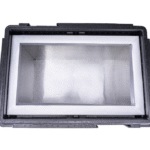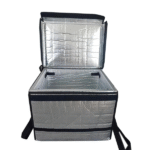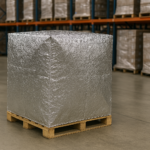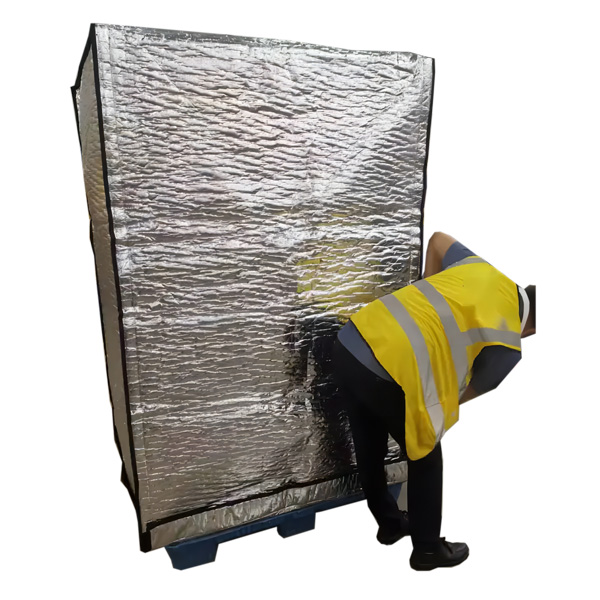
Caja aislada para el diseño de servicios de proveedores de logística: Cinco puertas de decisión
Comprar una caja isotérmica para uso de proveedores logísticos es fácil; definir un servicio defendible en torno a él es más difícil. El contenedor debe caber en la carga útil., desafío térmico, red de transporte, operación de embalaje, requisito de evidencia, y modelo de recuperación. El aislamiento sólo ralentiza la transferencia de calor, Por lo tanto, el rendimiento proviene del paquete ensamblado y de las personas que lo preparan y manejan.. Una revisión de cinco puertas ayuda a los equipos a evitar la selección prematura de productos. Cada puerta produce una decisión que comercial, operaciones, obtención, y los equipos de calidad pueden utilizar antes de que el servicio llegue a un envío activo.
Puerta uno: Definir la Caja Aislada para el Sobre de Servicio del Proveedor de Logística
Las solicitudes de los clientes suelen llegar como "entrega refrigerada," "caja congelada," o un número deseado de horas. Ninguno es lo suficientemente detallado como para seleccionar el embalaje.. Convierta la solicitud en un sobre de servicio: una descripción controlada del producto, carga útil, ruta, condiciones, manejo, y evidencia de que el proveedor está preparado para respaldar.
Comience con las condiciones de transporte aprobadas por el propietario del producto.. No asignar un rango industrial común sólo porque el producto sea alimento., medicamento, o una muestra de laboratorio. Diferentes productos dentro de la misma categoría pueden tener diferentes límites y diferentes respuestas a una breve excursión.. Registre quién es el propietario de la especificación y quién evaluará un evento fuera de ella..
Definir la carga útil como un sobre en lugar de una capacidad de catálogo. Incluir la carga anticipada más pequeña y más grande, dimensiones reales del paquete del producto, masa, condición inicial, orientación, y cualquier contención secundaria. Luego calcule el espacio utilizable después del refrigerante., divisores, material absorbente, u otros componentes obligatorios están instalados. El volumen interno bruto no es una promesa de envío.
Mapa del tiempo desde el inicio del embalaje hasta la transferencia al almacenamiento adecuado en destino. El tránsito regular de transportistas es solo un segmento. Incluir puesta en escena, corte de colección, habitacion central, revisión aduanera o de seguridad, intentos de entrega, y entrada del consignatario. Identificar casos creíbles de retrasos y decidir si el diseño debe cubrirlos o si se aplicará otra contingencia..
El resultado de Gate One debe ser lo suficientemente breve como para revisarlo, pero lo suficientemente preciso como para evitar suposiciones silenciosas.. Si un campo permanece desconocido, asignar un propietario y no permitir que el incumplimiento de un proveedor se convierta en un requisito por accidente.
Puerta dos: Elija la arquitectura de control adecuada
Una caja aislada es una posible parte de la distribución con temperatura controlada.. Seleccione su función comparando arquitecturas de control., no agregando todas las capas disponibles.
Un contenedor de manipulación general protege contra impactos., suciedad, o agua, pero puede tener una función térmica limitada.. Una caja aislada reduce el intercambio de calor pero no crea enfriamiento. Un sistema de envío pasivo combina un recinto aislado con refrigerante acondicionado y una disposición controlada. Un contenedor activo utiliza calefacción o refrigeración eléctrica.. Un vehículo frigorífico controla su espacio de carga, mientras que un registrador de temperatura registra las condiciones sin cambiarlas.
Estas funciones se pueden combinar, pero más componentes no significan automáticamente un mejor control. Un transportista pasivo colocado en un vehículo refrigerado puede proporcionar una protección útil durante las transferencias.. También puede encontrar un ambiente más frío de lo que anticipó su diseño para clima cálido.. Un registrador de datos puede revelar exposición pero no puede compensar la falta de refrigerante. Una cubierta exterior de plástico duradero puede mejorar el manejo sin decir nada sobre la calificación del sistema térmico interior..
El refrigerante es igualmente específico. Los paquetes a base de agua y los materiales de cambio de fase diseñados almacenan energía térmica cerca de su transición de fase. Su acondicionamiento y ubicación influyen tanto en la duración como en el riesgo local de resfriado.. El hielo seco genera temperaturas muy bajas y gas dióxido de carbono., requiriendo un diseño ventilado apropiado, manejo seguro, y controles de mercancías peligrosas específicos del modo. las palabras "bolsa de hielo" o "PCM" no identificar un componente intercambiable.
Elija una arquitectura candidata preguntando:
- ¿Puede soportar la condición requerida del producto sin crear un riesgo en el lado opuesto??
- ¿El paquete completo se ajusta a las cargas útiles mínimas y máximas??
- ¿Puede el personal de origen acondicionarlo y ensamblarlo repetidamente al volumen previsto??
- ¿Puede la red soportar su peso?, orientación, cierre, y dimensiones externas?
- ¿Puede el destino recibirlo y, si es reutilizable, devolverlo?
- ¿Existe un camino creíble para generar u obtener la evidencia requerida??
El resultado aún no es un servicio aprobado. Es una configuración candidata lista para la Puerta Tres.
Puerta tres: Verificar el límite de la evidencia
La cuestión clave en materia de adquisiciones no es "¿Esta caja ha sido probada??" Es "¿Qué sistema exacto se probó?, ¿Bajo qué condiciones?, ¿contra qué criterios?, ¿Y cómo se relaciona eso con nuestro paquete de servicios??" Una revisión de evidencia útil separa los hechos respaldados de las suposiciones del proveedor y del trabajo que el proveedor de logística aún debe realizar..
| Elemento de evidencia | Lo que revela un registro útil | Decisión que apoya |
|---|---|---|
| Definición de componente | Caja, tapa, aislamiento, refrigerante, insertar, cierre, y versión | Si el paquete comprado coincide con el artículo de prueba |
| Definición de carga útil | Tamaño, masa, condición inicial, disposición, y rango de carga | Si los envíos reales se encuentran dentro del sobre admitido |
| Desafío térmico | Secuencia ambiental, duración de la prueba, orientación, y manejo | Si la prueba representa razonablemente el carril propuesto |
| Método de acondicionamiento | Equipo, condición establecida, preparación, verificación, y puesta en escena | Si las operaciones de origen pueden reproducir el estado probado |
| Plano de sensores | Ubicaciones, estado de calibración, intervalo, y enfoque de incertidumbre | Ya sea caliente, frío, y las regiones centrales se caracterizaron |
| Criterios de aceptación | Límites del espacio del producto y tratamiento de las desviaciones. | Qué "aprobar" en realidad significa |
| Resultados y revisión | Curvas, repetir carreras, desviaciones, margen, y aprobación | Qué tan sólida parece la solución y dónde se encuentran sus límites |
| control de cambios | Proceso de notificación e identificación de componentes | Si el suministro posterior sigue relacionado con las pruebas |
Esta tabla evita que la duración del título se convierta en el argumento completo de calificación.. Dos sistemas pueden alcanzar el mismo criterio de valoración y al mismo tiempo mostrar diferentes riesgos de resfriado temprano, calentamiento tardío, gradientes, o repetibilidad. Revisar las curvas y condiciones operativas., no sólo un título de certificado.
Las pruebas deben coincidir con el riesgo. ISTA Standard 7E proporciona perfiles térmicos desarrollados para pruebas de entrega de paquetes y se puede utilizar con un proceso de calificación más amplio.. Los materiales técnicos de la OMS para productos farmacéuticos sensibles a la temperatura describen la calificación de contenedores de transporte, perfil de ruta, y seguimiento del transporte. El PIB de la UE espera que los medicamentos se mantengan dentro de las condiciones de transporte definidas y que los equipos sean adecuados para su uso.. Los requisitos de transporte sanitario de la FDA pueden aplicarse a los movimientos de alimentos cubiertos por motor o ferrocarril en los Estados Unidos.. ISO 23412 cubre un particular indirecto, Modelo de paquetería refrigerada y lo distingue de una paquetería que lleva su propio refrigerante.. Los requisitos de ATP e IATA pueden ser importantes para ciertos movimientos internacionales de alimentos perecederos o aéreos..
Ninguna de esas referencias otorga aprobación general a una caja aislada.. Determinar qué estándares, regulaciones, requisitos del cliente, y los procedimientos internos se aplican al producto., jurisdicción, y modo. Registre la edición o fuente utilizada.. Busque información regulatoria o de calidad calificada cuando el alcance sea incierto..
La calificación debe abordar la configuración completa.. Para un servicio regulado o de alto riesgo, el plan puede incluir revisión del diseño, pruebas operativas bajo desafíos ambientales definidos, Trabajo de performance en rutas representativas., pruebas de distribución física, y seguimiento controlado. Un envío de campo exitoso es una evidencia útil sobre ese evento, pero no establece la idoneidad universal.. En cambio, una prueba de cámara no prueba que los empacadores, centros, y los receptores ejecutarán el método correctamente.
La puerta tres se cierra solo cuando el equipo de aprobación comprende qué se admite y qué límites pertenecen a la descripción del servicio..
Herramientas útiles para tomar decisiones
Comprueba los detalles antes de elegir el embalaje.
Estas herramientas rápidas pueden ayudarle a comparar el riesgo de la ruta, necesidades de dimensionamiento, opciones de refrigerante, y detalles del embalaje antes de solicitar una cotización.
Selector de embalaje
Compare las opciones de embalaje aislado por producto, ruta, y necesidad de temperatura.
encontrar embalajeResistencia a la caída del material aislante
Revise la resistencia a caídas y los factores de manipulación antes de elegir materiales aislantes..
Comprobar resistenciaRevestimiento de caja & Dimensionamiento de la cubierta de paleta
Lógica de tamaño de revestimiento de cajas y cubiertas de paletas para proyectos de embalaje aislado.
Estimar el tamañoPuerta cuatro: Repetibilidad del ingeniero en cada entrega
Un paquete calificado aún puede fallar como operación. Convierta la configuración aceptada en instrucciones y controles basados en roles..
En origen, asignar ubicaciones de almacenamiento controladas para los componentes de la caja y el refrigerante. Verifique que el equipo de acondicionamiento tenga suficiente capacidad para el volumen máximo, incluyendo recuperación después de aperturas de puertas y nuevas cargas. Identificar los componentes para que el personal no pueda sustituirlos casualmente por un paquete similar.. Definir la preparación de la carga útil, exposición máxima de montaje, orden de carga exacto, espaciadores, ubicación del registrador, cierre, sello, etiqueta, y cheque de liberación.
Utilice instrucciones de trabajo visuales cuando la orientación sea importante.. Incluya el motivo de los detalles de alto riesgo.. Es menos probable que un empacador elimine una barrera cuando las instrucciones explican que evita el contacto directo con el refrigerante.. La capacitación debe finalizar con un paquete demostrado y una decisión de competencia documentada.. Los trabajadores temporales y los sitios de contingencia necesitan el mismo control, no es una suposición abreviada.
En la aceptación del transportista, Custodia de registros y cualquier requisito de manejo específico del servicio.. Los centros necesitan una respuesta breve para un caparazón dañado, tapa abierta, paquete mojado, etiqueta faltante, o retraso. Si la inspección requiere apertura, definir quién está autorizado, cómo se protegen los componentes, si el sistema se puede restaurar, y como se registra el evento. No permita que un reempaque informal borre la relación con la calificación.
En el destino, alinear la entrega con la capacidad de recepción. El destinatario debe saber adónde va el envío., que controles realizar, cómo detener o leer el equipo de monitoreo, y a quien contactar. Una alarma de excursión es una señal para la evaluación.. No lo es, por sí mismo, una regla universal de liberación o rechazo. Se requiere información sobre la estabilidad del producto y una decisión de calidad responsable..
Ejemplo práctico: lanzamiento de un carril sanitario de dos ejes
Imagine que un proveedor quiere agregar un servicio de paquetería de atención médica nocturna a través de dos centros.. El proveedor de embalaje ofrece una caja pasiva con datos de cámara favorables. En lugar de confiar en la declaración de duración, el proveedor compara el perfil ambiental probado y la carga útil con su envolvente de servicio. Descubre que la carga útil mínima prevista es menor y que el segundo centro puede contener paquetes más allá del límite planificado..
El equipo añade una disposición de carga mínima evaluada, define una escalada de retraso en el segundo centro, y ejecuta un piloto controlado utilizando el personal de embalaje final y el proceso de recepción.. El monitoreo muestra que la recuperación de datos en el destino es inconsistente, por lo que el lanzamiento se detiene mientras se corrige la responsabilidad y el entrenamiento.. No se necesita ningún resultado inventado por el cliente para ver la lección: La evidencia operativa puede revelar un proceso débil incluso cuando la propia caja funciona como se esperaba..
La revisión de rutina debe combinar eventos de temperatura con señales de proceso. Seguimiento de las desviaciones del paquete, excepciones de condicionamiento, cierres dañados, registradores desaparecidos, registros no leídos, el cubo sostiene, retrasos en la recepción, y sustituciones de componentes. Las tendencias pueden revelar una pérdida de control antes de que se produzca una variación generalizada de la temperatura.
Puerta cinco: Escale los costos y la sostenibilidad sin perder el control
El precio unitario es una pequeña parte del costo del servicio.. Un sistema unidireccional requiere almacenamiento entrante, asamblea, acondicionamiento del refrigerante, mano de obra, cubo de carga, manejo de residuos en destino, y reemplazo después de cada envío. Un sistema reutilizable suma compra de activos, identificación, transporte inverso, colección de estancia, limpieza, el secado, inspección, reparar, pérdida, almacenamiento, y jubilación. Compare las opciones sobre la misma función de envío y red real.
Las cajas reutilizables tienden a tener más sentido operativo cuando los carriles son frecuentes, los destinos son conocidos, existe backhaul, Los activos se pueden escanear., y una instalación central puede inspeccionarlos y limpiarlos.. Una red remota o muy dispersa puede gastar recursos sustanciales recuperando unidades vacías o puede perder unidades antes de que completen suficientes ciclos.. El resultado medioambiental depende de los usos reales completados y del movimiento de retorno., no en la palabra "reutilizable."
Para embalaje unidireccional, El tamaño correcto puede reducir el material y el cubo de carga., pero debe preservar la carga útil soportada y el diseño térmico.. Preguntar si las instalaciones de destino pueden separar y recuperar los componentes reales.. Una vía teórica de reciclaje no es lo mismo que la recogida local. Para envases reutilizables, especificar agentes de limpieza compatibles, condiciones de enjuague y secado, puntos de inspección, piezas de repuesto, y criterios de jubilación. Un revestimiento dañado o un aislamiento húmedo pueden ser un problema tanto térmico como de higiene..
La regulación del embalaje y las expectativas de los clientes en materia de informes están aumentando la atención al diseño del ciclo de vida, Reciclabalidad, y reutilización en varios mercados. El marco de la Unión Europea sobre envases y residuos de envases es un ejemplo actual, pero las obligaciones dependen del operador, formato de embalaje, ruta, y tiempo. Obtenga asesoramiento actual específico del mercado en lugar de describir cualquier casilla como compatible automáticamente.
Escala en pasos controlados. Comience con muestras que coincidan con el diseño de producción propuesto.. Verificar ajuste y ergonomía.. Generar o revisar evidencia térmica y física.. Pilotar el proceso final a un volumen manejable. Congelar la lista de materiales e instrucciones.. Establecer notificaciones de cambios de proveedores y controles entrantes.. Ampliar sólo después de que se comprendan las desviaciones iniciales..
Preguntas frecuentes
¿Cuántos tamaños de cajas aisladas debe ofrecer un proveedor de logística??
No existe un número universal.. Construya tamaños en torno a clústeres de carga útil reales, espacio de refrigerante, equipo de manipulación, y evidencia en lugar de llenar cada vacío en un catálogo. Muy pocos tamaños pueden crear un espacio aéreo ineficiente o cargas sin soporte.; demasiados aumentan el inventario y la complejidad de la capacitación. Una plataforma controlada puede utilizar huellas externas comunes con configuraciones internas claramente aprobadas..
¿Debería el proveedor o el proveedor de logística calificar el paquete??
Un proveedor puede proporcionar evidencia valiosa de diseño y prueba., pero el proveedor de logística y el propietario del producto deben decidir si admite la carga útil prevista., carril, operaciones, y requisitos de calidad aplicables. Las responsabilidades deben documentarse.. Pruebas específicas del cliente, trabajo de ruta, o es posible que aún se necesite aprobación, especialmente cuando el servicio difiere de la configuración evaluada por el proveedor.
¿Es un registrador de temperatura una prueba de que el producto se mantuvo aceptable??
Un registrador documenta lecturas en la ubicación de su sensor. La interpretación de esas lecturas requiere los límites aprobados del producto., contexto del sensor y la calibración, colocación, tiempo, y un proceso de excursión. No puede mostrar todos los puntos de la carga útil ni proteger el envío.. La aceptabilidad del producto debe ser decidida por la parte autorizada utilizando información relevante sobre estabilidad y calidad..
¿Qué cambios deberían provocar una reevaluación??
Revisar cambios en el material o la geometría de la caja., refrigerante, acondicionamiento, rango de carga útil, componentes internos, cierre, ubicación del registrador, ruta, centro, modo, tiempo de servicio, limpieza, o proveedor. La respuesta requerida puede variar desde una evaluación documentada hasta una calificación adicional.. Establezca factores desencadenantes antes del lanzamiento para que los cambios operativos y comerciales no pasen por alto la revisión de calidad..
Conclusión
Una caja aislada para el servicio de un proveedor de logística debe pasar cinco puertas: un sobre de envío preciso, una arquitectura de control adecuada, evidencia que coincida con su uso, traspasos repetibles, y un modelo de ciclo de vida escalable. La disciplina central es mantener los reclamos sujetos al paquete exacto y a las condiciones que los respaldan.. Aislamiento, refrigerante, carga útil, ruta, gente, datos, y la recuperación pertenecen al diseño.. Cuando esos elementos permanecen conectados, el proveedor puede indicar límites de servicio claros, investigar excepciones, y mejorar el rendimiento sin depender de una afirmación de caja universal.
Acerca de Tempk
Tempk ofrece categorías de envases para control de temperatura centradas en el negocio, incluido cajas de aislamiento, bolsas de hielo, bolsas aisladas, y cubiertas térmicas para palets. Podemos discutir el empaquetado y la personalización de los candidatos en el contexto de la carga útil., ruta, empacar, manejo, y requisitos de reutilización. Para proveedores de logística, el valor práctico es una conversación sobre el caso de uso completo, seguido de la revisión de la configuración y la información de soporte necesaria para la decisión operativa y de calidad del propio cliente..
Comparte tu sobre de servicio con Tempk, incluyendo dimensiones de carga útil, condiciones requeridas, etapas de la ruta, necesidades de seguimiento, y modelo de devolución. Utilice esa información para comparar candidatos embalaje aislado antes de comprometerse con el volumen.