Elegir un productor de cajas aisladas para productos farmacéuticos según la evidencia
La cotización puede incluir una caja aislada., paquetes de refrigerante, y un registrador de temperatura. El departamento de adquisiciones aún necesita saber si esos artículos forman un sistema controlado para el medicamento previsto.. Ésa es la prueba central a la hora de elegir un productor de cajas isotérmicas para productos farmacéuticos. Una decisión creíble conecta cinco puertas: un requisito de producto y ruta, un diseño térmico coherente, evidencia de calificación, un paquete ejecutable, y producción estable en el tiempo. Si falta alguna puerta, Un precio bajo o una especificación de material impresionante pueden crear problemas ocultos para la calidad y las operaciones.. El marco siguiente ayuda a un equipo multifuncional a llegar a una decisión de abastecimiento defendible sin asumir que el embalaje por sí solo establece el cumplimiento..
Puerta uno: Convierta la necesidad de envío en criterios de aceptación
Empezar con la medicina. La información de almacenamiento y transporte aprobada., respaldado por el conocimiento de estabilidad del propietario del producto, determina la condición requerida. No copie una estufa refrigerada familiar en una solicitud simplemente porque el envío es farmacéutico.. Los productos pueden requerir refrigeración, temperatura ambiente controlada, congelado, u otras condiciones específicas, y su tolerancia al calor, frío, luz, choque, o la vibración puede diferir.
A continuación, defina la carga útil en términos físicos.. Enumere los paquetes primarios y secundarios., orientación, cantidad, dimensiones, masa, condición inicial, y estiba permitida. Incluya el monitor de temperatura y cualquier documento o elemento de seguridad que deba viajar en el interior.. Indique las cargas mínima y máxima si la cantidad del envío varía. El productor necesita esta información porque la masa térmica y la geometría cambian las condiciones internas..
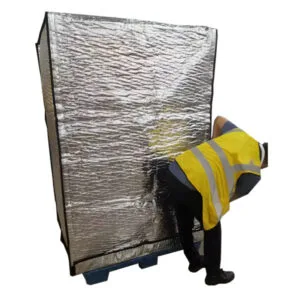
Definir la ruta como tiempo de riesgo transcurrido, no tiempo de tránsito del transportista. preparación de conteo, puesta en escena posterior al paquete, ventanas de colección, transporte de línea, centros, aduanas, cita de última milla, riesgo de entrega fallida, y traslado a almacenamiento controlado. Describir la posible exposición ambiental en verano e invierno., especialmente en los muelles, rampas, el vehículo se detiene, e instalaciones intermedias. Tenga en cuenta si el envío se mueve como un paquete, en una paleta, en un vehículo frigorífico, o en varios modos.
Finalmente, indicar lo que constituye aceptación. Identificar la condición de temperatura relevante., cómo se medirá, en qué parte de la carga útil se aplica, la duración de la prueba, y cómo se tratará la incertidumbre o las desviaciones breves. El equipo de envasado no debe inventar límites de disposición del producto.. La calidad y el propietario del producto deben aprobarlos..
Estas entradas forman una especificación de requisitos del usuario.. puede ser conciso, pero debería distinguir los criterios obligatorios de las preferencias. El tamaño de la caja externa puede estar limitado por el transportista. La baja complejidad del embalaje puede ser una fuerte preferencia operativa. La reutilización podría ser deseable sólo en carriles con retornos confiables. Cuando las prioridades entran en conflicto, El productor puede hacer concesiones visibles en lugar de optimizar silenciosamente el costo o la duración del título..
Puerta dos: Construya un diseño térmico y de manipulación coherente
Una caja aislada resiste el flujo de calor.; Capacidad térmica de suministro de refrigerantes.. Los separadores gestionan el contacto.. La carga útil aporta masa.. El cartón o carcasa exterior protege el aislamiento.. Un cierre mantiene la geometría prevista.. Juntos, Estas piezas crean un paquete pasivo con temperatura controlada.. Un registrador observa ese sistema pero no lo controla.
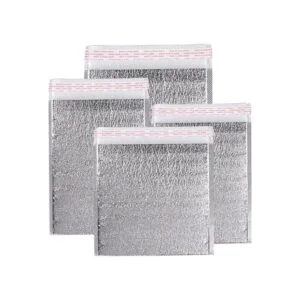
La selección del material debe seguir la restricción.. EPS puede proporcionar una luz, estructura rígida para muchos transportistas unidireccionales. El EPP puede adaptarse a la reutilización gestionada cuando se realiza la limpieza., inspección, y la logística de retorno es viable. La construcción VIP puede ayudar cuando el cubo externo es estrecho, pero los bordes del panel, protección contra pinchazos, y el control de integridad requieren atención. Los revestimientos flexibles pueden simplificar el almacenamiento y el montaje para aplicaciones de paquetería adecuadas.. Ninguna de estas etiquetas demuestra el rendimiento..
Los refrigerantes deben seleccionarse y acondicionarse para el diseño objetivo.. agua congelada o paquetes de gel puede producir condiciones límite frías, por lo que el producto sensible a la congelación no debe entrar en contacto con ellos a menos que un diseño específicamente admitido lo permita. La guía del PIB europeo exige que las bolsas térmicas en cajas aisladas se coloquen para evitar el contacto directo con los medicamentos y enfatiza el ensamblaje capacitado, configuraciones estacionales, y procedimientos de reutilización de envases. PCM puede amortiguar el calor alrededor de una transición de fase diseñada, Sin embargo, la temperatura de la carga útil final depende de la disposición completa..
Utilice la siguiente matriz para mantener la discusión sobre el diseño ligada a las restricciones..
| Restricción de envío | Respuesta de diseño que vale la pena evaluar | Supuesto que no debe pasar desapercibido |
|---|---|---|
| Pequeño, carga útil variable | Insertos, espacios de carga útil modulares, o variantes de carga calificadas | Un resultado con carga máxima cubre una caja casi vacía |
| Dimensiones exteriores estrechas | Arquitectura de pared delgada u optimización de la geometría | Los datos del material por sí solos predicen el rendimiento final |
| Medicina sensible a la congelación | Acondicionamiento controlado de refrigerante y separación física. | "Más paquetes congelados" siempre crea más protección |
| Manejo rudo y repetido | Cáscara reutilizable, piezas reemplazables, reglas de inspección y retiro | El material reutilizable sigue siendo apto indefinidamente |
| Entrega dispersa unidireccional | Sistema de un solo uso del tamaño adecuado e información de eliminación clara | La reciclabilidad nominal significa que se produce una recuperación local. |
| Entregas largas o inciertas | Duración respaldada por evidencia más controles de demora y recepción | Se aplica una duración de laboratorio a cualquier condición de aduana o centro |
La mesa es una conversación de diseño., no es un selector de productos. Más aislamiento puede reducir la entrada de calor pero aumentar el cubo externo. Más refrigerante puede ampliar la capacidad pero ocupar espacio de carga útil, agregar peso de carga, complicar el condicionamiento, y aumentar el riesgo de resfriado. El concepto más sólido equilibra el margen térmico con la operación real de embalaje y distribución..
El rendimiento de la distribución física también pertenece al diseño.. Un transportista con capacidad térmica aún puede fallar si su caja exterior se aplasta, se abre una tapa, un paquete de refrigerante tiene fugas, o un VIP es pinchado. Determinar qué compresión, vibración, impacto, orientación, humedad, y el manejo de los desafíos son relevantes. Las pruebas térmicas y físicas pueden planificarse por separado o en una secuencia justificada., pero sus conclusiones deberían referirse a la misma construcción representativa de la producción..
Puerta tres: Pruebe la configuración y lea los límites
La calificación convierte una configuración propuesta en evidencia documentada bajo condiciones específicas. No certifica todos los productos o rutas posibles..
El protocolo debe identificar la lista completa de materiales., método de montaje, carga útil o simulante justificado, casos de carga mínima y máxima, condiciones de arranque del componente, perfil ambiental, equipo de prueba, mapa de sensores, intervalo de registro, requisitos de calibración, número de carreras, criterios de aceptación, y proceso de desviación. Las fotografías y los diagramas deben hacer que la configuración sea reproducible.. Si el productor hace referencia a una prueba aprobada pero no puede identificar estos detalles, el reclamo no está listo para una revisión de calidad farmacéutica.
Los marcos reconocidos pueden proporcionar estructura. La guía modelo de la OMS aborda el almacenamiento y transporte del tiempo- y productos farmacéuticos sensibles a la temperatura, y su suplemento técnico analiza la calificación de los contenedores de envío.. Estándar ISTA 20 describe un proceso de diseño y calificación para contenedores de transporte aislados. ISTA 7E proporciona perfiles de calor y frío derivados para pruebas térmicas de entrega de paquetes. USP <1079> analiza los riesgos y la mitigación en el almacenamiento y transporte de productos farmacéuticos terminados. El PIB de la UE espera una planificación de rutas basada en el riesgo y, cuando sea relevante, sistemas de control de temperatura validados.
Utilice estas fuentes según su alcance. Un perfil de paquete ISTA no es automáticamente un modelo para un palet bajo una cubierta térmica. La guía de la OMS no aprueba la caja de un productor en particular. El PIB de la UE no satisface el criterio de aceptación del producto por parte del comprador. Los estándares y la orientación ayudan a definir un proceso sólido.; el protocolo aún debe representar el uso previsto.
La ubicación del sensor merece un análisis especial. El calor no entra uniformemente., y los refrigerantes fríos pueden crear extremos locales. Mapear posiciones cerca de las paredes, esquinas, refrigerantes, y el núcleo de carga útil puede identificar gradientes. La posición del registrador de rutina se puede elegir a partir del conocimiento de riesgos y mapeo.. Un único dispositivo colocado para una fácil recuperación no debe presentarse como prueba de que todos los puntos de la carga se comportaron de manera idéntica..
Leer fallos y anomalías. Un resultado justo dentro de un límite bajo un conjunto ideal puede no proporcionar un margen operativo útil. La variabilidad entre ejecuciones replicadas puede revelar sensibilidad a una pequeña brecha, posición del refrigerante, o condición de carga útil. datos faltantes, picos inesperados, y los sensores excluidos requieren una investigación documentada. La calificación es valiosa en parte porque expone supuestos de diseño débiles antes de que el producto esté en riesgo..
Después de la prueba, escribir una declaración de espacio de diseño: ¿Qué condición del producto?, carga útil, componentes, empacar, desafíos ambientales, y duración que la evidencia respalda; qué variantes estacionales existen; y qué condiciones quedan fuera del alcance. Una afirmación acotada es más útil que "Caja farmacéutica calificada."
Puerta cuatro: Haga que el sistema funcione en 6 soy. en el piso de empaque
El acuerdo validado debe sobrevivir al trabajo rutinario.. Eso requiere control de componentes., instrucciones simples, capacidad de acondicionamiento, capacitación, escucha, y una respuesta cuando algo sale mal.
Herramientas útiles para tomar decisiones
Comprueba los detalles antes de elegir el embalaje.
Estas herramientas rápidas pueden ayudarle a comparar el riesgo de la ruta, necesidades de dimensionamiento, opciones de refrigerante, y detalles del embalaje antes de solicitar una cotización.
Calculadora de bolsa de hielo
Estimación de la cantidad de bolsas de hielo en gel para envíos refrigerados y planificación práctica de rutas.
Estimar las bolsas de hieloReferencia del material aislante
Compare opciones de materiales aislantes para diferentes necesidades de embalaje de la cadena de frío.
Comparar materialesrefrigerante & Referencia PCM
Compare las opciones de refrigerante y PCM cuando una ruta necesite soporte de temperatura adicional.
Comparar opcionesCrear una instrucción de paquete en torno a acciones observables. Utilice identidades y recuentos de componentes exactos. Mostrar orientación del refrigerante, separación de productos, ubicación del registrador, llenar el espacio vacío, asiento de la tapa, cierre, y etiquetas. Indique el tiempo permitido entre la retirada de los componentes acondicionados y el cierre del transportista.. Distinguir visualmente las configuraciones estacionales. Incluir reglas de rechazo por fugas de refrigerante., aislamiento agrietado, paneles dañados, cartones mojados, o piezas faltantes.
Verifique la capacidad antes del lanzamiento. Los congeladores de refrigerante o los equipos de acondicionamiento deben adaptarse a la demanda diaria sin aglomeraciones que impidan que los componentes alcancen el estado previsto.. Las áreas de embalaje necesitan suficiente espacio para separar las piezas preparadas y no preparadas.. Los operadores necesitan herramientas para confirmar la identidad de los componentes. Los sitios receptores necesitan acceso al registrador o indicador y una instrucción clara de no liberar automáticamente productos cuestionables..
Escenario práctico de lanzamiento
Considere un distribuidor farmacéutico que introduce servicio el mismo día y al día siguiente desde un centro. La cantidad de carga útil varía, y los últimos pedidos se empaquetan poco antes del cierre del transportista. El desarrollo ha producido una configuración de verano y otra de invierno..
durante un piloto, El equipo descubre que los operadores no pueden distinguir visualmente dos conjuntos de PCM condicionados y que a menudo se omite el inserto de carga mínima.. En lugar de tratarlos como fracasos del entrenamiento, El productor y el comprador revisan las etiquetas y los colores de los componentes., ubicaciones de inventario separadas, simplificar la instrucción, y repetir la verificación correspondiente. La organización también cambia los cortes de pedidos para que el proceso de acondicionamiento y embalaje tenga tiempo suficiente.. Este ejemplo hipotético ilustra un punto central: Los factores humanos son insumos de diseño., no es una ocurrencia tardía.
El control de temperatura completa el circuito operativo. Seleccione un dispositivo con un rango de medición adecuado, soporte de calibración, intervalo de muestreo, formato de datos, método de inicio, y acceso al software. Decide quién lo inicia, donde se sienta, quien lo detiene o lo lee, y cómo se conservan los registros. Cree un procedimiento de excursión que dirija al receptor a poner en cuarentena el medicamento afectado., preservar la evidencia, y contacte con el servicio de calidad autorizado. El productor de envases puede ayudar a interpretar el comportamiento del paquete., pero la disposición del producto pertenece a la organización con autoridad y datos específicos del producto..
Seguimiento de la ejecución después del lanzamiento. Los indicadores útiles pueden incluir desviaciones en el embalaje., componentes dañados, colecciones tardías, alarmas de temperatura, informes faltantes, retorno, y errores del destinatario. El objetivo no es generar un cuadro de mando perfecto. Es para detectar cuando el proceso real se sale de los supuestos calificados..
Puerta cinco: Controlar la relación con el productor de cajas aisladas farmacéuticas
El abastecimiento no termina con la aprobación de una muestra. Las cajas posteriores deben seguir siendo equivalentes a la construcción calificada dentro de las tolerancias definidas..
Acordar dibujos, presupuesto, lista de materiales, muestras de referencia, y atributos críticos para la calidad. Dependiendo del diseño, Los controles pueden cubrir las dimensiones del gabinete., compromiso de la tapa, condición de aislamiento, Presencia y protección VIP, Identidad del refrigerante e integridad del sello., geometría espaciadora, y ajuste de caja exterior. Revisar unidades representativas de producción., no sólo prototipos hechos a mano.
El control de cambios debe nombrar los desencadenantes. Un nuevo proveedor de resina o espuma, molde revisado, película de barrera diferente, adhesivo alternativo, formulación de refrigerante modificada, cambio de diseño del panel, o el proceso de producción reubicado puede requerir evaluación. No todos los cambios exigen un programa térmico completo, pero cada cambio potencialmente significativo necesita una evaluación documentada y una decisión aprobada.. El productor no debe sustituir piezas críticas únicamente porque parezcan comercialmente equivalentes..
La trazabilidad debería respaldar la investigación. Es posible que la organización necesite vincular un envío a la configuración del embalaje., revisión de instrucciones, lotes de componentes críticos, identificador del registrador, y registro del operador. La inspección entrante debe identificar daños., piezas incorrectas, contaminación, o problemas dimensionales antes de que el stock llegue a la línea de embalaje. El material no conforme necesita segregación y disposición.
Comparar costos en todo el sistema operativo: caja y refrigerantes, Acondicionamiento de energía y espacio., mano de obra, almacenamiento, cubo de carga y masa, registrador y manejo de datos, calificación, daño, procesamiento de residuos, transporte de regreso, limpieza, inspección, pérdidas, y reemplazo. Un sistema reutilizable basado en EPP o VIP puede resultar atractivo en el circuito correcto, mientras que un diseño simple de EPS puede ser más práctico en una ruta de un solo sentido. La comparación ambiental debe utilizar el mismo límite del sistema y evitar "verde" reclamos.
Para activos reutilizables, establecer compatibilidad de limpieza, el secado, inspección, reparar, trazabilidad, y jubilación. Una promesa de ciclo de vida fijo no es creíble a menos que se definan las condiciones y la evidencia.. Para envases de un solo uso, Proporcionar una identificación precisa del material y considerar el tamaño y la separación correctos en el sitio de recepción.. La infraestructura de recuperación local determina lo que realmente se recicla.
Preguntas frecuentes
Qué se debe enviar a un productor de cajas isotérmicas antes de solicitar un presupuesto?
Enviar el estado del producto, dimensiones y masa de la unidad empaquetada, cargas útiles mínimas y máximas, etapas de la ruta, exposiciones estacionales y retardadas, modo de transporte, necesidades de seguimiento, y evidencia requerida. También identifique restricciones de tamaño externo o manejo.. Esto permite al productor proponer un sistema comprobable en lugar de adivinar a partir del volumen de cavidad solicitado..
¿Es un paquete calificado lo mismo que un envío conforme??
No. La calificación admite una configuración definida bajo condiciones establecidas. El cumplimiento y la liberación del envío también dependen del producto., mercado, procedimientos, capacitación, escucha, documentación, transportador, y supervisión de calidad. Ningún sistema de envasado debe describirse como universalmente compatible con todos los usos farmacéuticos.. El sistema de calidad del comprador aún debe aprobar el uso previsto..
¿Cuánta duración adicional debe solicitar un comprador??
No hay margen universal. Base la duración en el tiempo total de ruta transcurrido, retrasos creíbles, incertidumbre ambiental, riesgo del producto, y el proceso de riesgo de calidad de la organización.. El exceso de refrigerante o aislamiento puede agregar peso, complejidad, y exposición al frío. Defina contingencias en lugar de seleccionar el reclamo más largo por defecto.
¿Un registrador de temperatura reemplaza la calificación térmica??
No. Un registrador registra un envío particular en su ubicación de medición. La calificación evalúa si un paquete definido puede cumplir con los requisitos bajo desafíos específicos y mapea el comportamiento antes del uso rutinario.. El monitoreo puede confirmar y tendencias de los envíos, pero no crea protección ni prueba condiciones en todos los puntos.
¿Cuándo un cambio de embalaje debería provocar una recalificación??
La decisión debe seguir una evaluación de riesgos documentada.. Cambios en el aislamiento., geometría, refrigerante, carga útil, empacar, fuente de fabricación, o el perfil de ruta puede afectar el rendimiento. Algunos cambios pueden abordarse mediante justificación de ingeniería o pruebas comparativas enfocadas.; otros necesitan una recalificación más amplia. Las reglas de notificación y decisión deben acordarse antes de que comience el suministro..
Conclusión: Pase las cinco puertas
Una elección defendible del productor comienza con requisitos de envío precisos y termina con el control del ciclo de vida.. Verificar que la arquitectura térmica se ajuste a la carga útil., que los datos de calificación revelen su alcance y límites, que el personal del almacén pueda repetir el embalaje, y que los cambios en la producción no pueden ocurrir de manera invisible. Luego compare el costo y el impacto ambiental a lo largo de la ruta real.. Un productor de cajas isotérmicas para productos farmacéuticos debería aportar componentes, claridad de ingeniería, y evidencia; El sistema de calidad de la organización farmacéutica decide si la solución completa es adecuada para su uso..
Acerca de Tempk
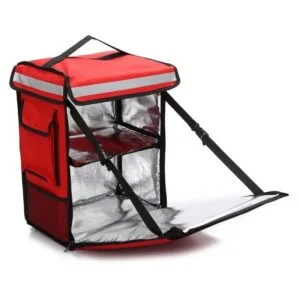
Tempk es la marca de Shanghai Tempk Industrial Co., Limitado. Ofrecemos gel y agua. bolsas de hielo, materiales de cambio de fase, forros y bolsas aislantes, EPS, PPE, y palcos vip, cubiertas térmicas para palets, refrigeradores médicos, y registradores de datos de temperatura como embalaje de cadena de frío soluciones. Tempk también puede hablar sobre validación y soporte de empaquetado.. Para proyectos farmacéuticos, Nuestra función es ayudar a conectar las opciones de componentes con la carga útil del comprador., ruta, proceso de acondicionamiento, y documentación necesaria sin presentar ninguna caja o material como universalmente cualificado.
Envíe a Tempk sus requisitos de usuario y suposiciones de ruta actuales para iniciar una revisión basada en evidencia antes de las muestras., pruebas, o ampliación de la producción.