How to Choose Insulated pallet covers for frozen foods for Real Shipment Conditions
Cobertores de palets aislados para alimentos congelados debe elegirse haciendo coincidir la sensibilidad del producto, exposición de ruta, geometría de la paleta, y requisitos de prueba. For frozen food pallets, una cubierta puede reducir el estrés térmico a corto plazo durante la puesta en escena o la entrega, pero no puede corregir un precondicionamiento deficiente, manipulación insegura, o un modo de transporte inadecuado. La mejor decisión de compra conecta la portada con un flujo de trabajo escrito: cuando se aplica, como se asegura, ¿Qué evidencia respalda su uso?, y lo que comprueba el equipo receptor.
respuesta rapida: use insulated pallet covers for frozen foods when your palletized load needs temporary passive protection during transfer, puesta en escena, o retrasos en la recepción. No los utilice como prueba de cumplimiento de la temperatura a menos que el proceso de embalaje completo tenga evidencia de su producto., ruta, y criterios de aceptación.
El límite útil: protección, no es magia
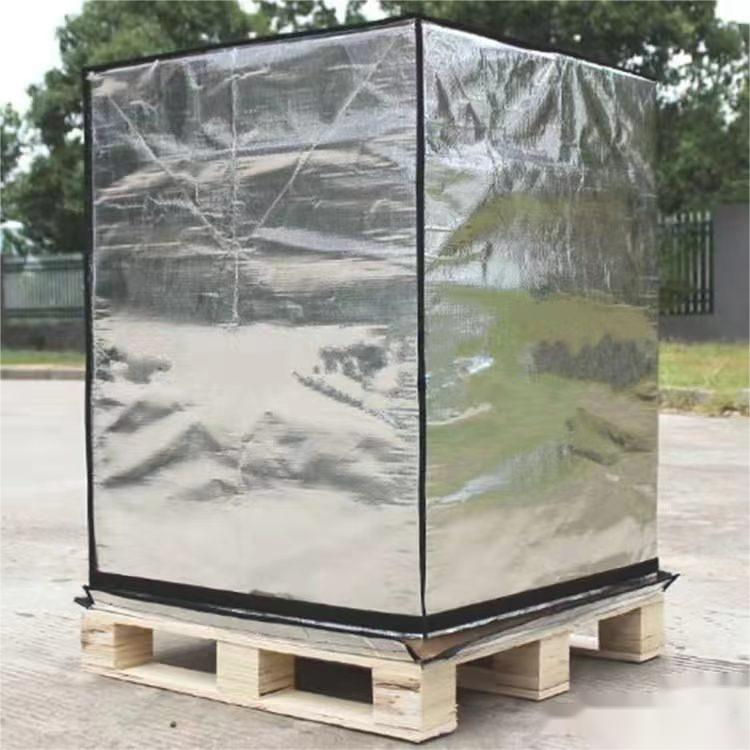
Una cubierta de palet es una capa protectora pasiva. Puede reducir el calor radiante directo., Intercambio convectivo lento alrededor de cajas de cartón., y agregar una barrera removible durante la exposición. No genera aire frío, calentar activamente la carga, o verificar que el envío se mantuvo dentro de un rango requerido. That is why insulated pallet covers for frozen foods should be described as part of a temperature-management process, no como todo el proceso.
The operational boundary is especially important for frozen food pallets. Frozen foods need disciplined time and handling control; a cover only slows heat gain under specific conditions. Si el producto sale del almacén ya caliente, húmedo, dañado, o fuera de la condición requerida, la cubierta puede simplemente ocultar el problema hasta recibir. Un flujo de trabajo más sólido comienza antes de aplicar la cubierta.: confirmar la condición del producto, Confirme que la plataforma esté estable., luego cubra la carga durante una ventana de exposición definida.
Utilice la funda donde coincida con el riesgo.: adding passive protection to frozen pallets during transfer between freezers, muelles, Reefers, y áreas de recepción de clientes. Evite tratarlo como sustituto del almacenamiento controlado, embalaje calificado, control de temperatura del vehículo, o instrucciones específicas del producto. The cover is not a freezer, hielo seco empacar, or reefer control system.
Empiece por el carril, no es la foto del catalogo
La especificación de cubierta correcta es más fácil de definir una vez que dibujas la ruta en papel.. Incluir cada lugar donde se estaciona un pallet, inspeccionado, reetiquetado, consolidado, o moverse entre zonas de temperatura. Para este tema, the common route may include blast-freezer areas, cámaras frigoríficas, reefer loading bays, almacenes de exportación, and retail freezer distribution sites. Estas ubicaciones no son idénticas.. Algunos tienen puertas de muelle abiertas., algunos tienen sol directo, algunos tienen congestión de montacargas, y algunos tienen retrasos en el papeleo.
Un mapa de ruta útil debería identificar quién es el propietario del palet en cada paso.. El expedidor podrá aplicar la cobertura, un transportista puede retirarlo para su inspección, un almacén puede reenvolver el palet, y es posible que el receptor tenga que devolver la funda. Si nadie es dueño de esos pasos, el programa de cobertura se vuelve inconsistente. Es posible que vea buenos resultados en un carril y malos resultados en otro., incluso con el mismo producto y la misma funda.
Pida a los equipos que informen los puntos de permanencia reales, no los puntos de permanencia planificados. Un cronograma puede mostrar una transferencia breve, mientras que las operaciones reales incluyen citas perdidas, controles aduaneros, colas de camiones, o montar en una zona más cálida. Esa realidad debería influir en el tamaño de la portada., diseño de cierre, acceso al etiquetado, y si se requiere monitoreo adicional.
Risk notes for frozen food pallets
The main risks to watch are warming while waiting for a truck, frost and condensation on cartons, cover removal inside the wrong zone, mixed frozen and chilled staging, and unclean covers returned to food areas. Estos riesgos no se solucionan sólo con el aislamiento. Requieren una decisión sobre cuándo la carga está lista para cubrir, cuanto tiempo puede esperar, cómo se monitorea la ruta, y qué hacen los equipos de recepción si el estado del embalaje parece cuestionable.
For frozen food pallets, la cubierta debe respaldar las instrucciones del producto en lugar de anularlas. Si la etiqueta, ficha de datos de seguridad, especificación del cliente, o acuerdo de calidad define una condición requerida, Utilice ese documento como punto de partida.. Cuando la condición requerida no está clara, no seleccione una cobertura basada en un siniestro general. Solicite al propietario del producto o al equipo de calidad que confirme el rango aceptable y las condiciones de manipulación permitidas..
La pregunta más práctica sobre el ajuste del producto es simple: ¿Qué problema estás tratando de reducir?? Una cubierta puede ayudar con la exposición temporal al sol., puesta en escena corta fuera de una sala controlada, o cambios de temperatura durante la entrega. Puede ser la herramienta equivocada cuando la ruta requiere refrigeración activa, un transportista validado, un paquete de refrigerante, o registros de temperatura documentados a un nivel que la cubierta no puede proporcionar.
Preguntas de proveedores que evitan costosos desajustes
| Que confirmar | Razón para preguntar | Buena señal de compra |
|---|---|---|
| Tamaño del palet y ajuste de altura | Los espacios reducen la protección y dificultan el manejo. | El proveedor solicita las dimensiones del palet cargado, no sólo la huella del palet. |
| Cierre y acceso a etiquetas | Se pueden quitar las cubiertas si las etiquetas no se pueden escanear. | El diseño permite escanear, inspección, y resellando. |
| Evidencia térmica | El rendimiento depende de la exposición y la carga.. | El proveedor explica las condiciones de la prueba o establece los límites claramente.. |
| Limpieza y reutilización | Los artículos reutilizables necesitan control de higiene y estado. | Guía de limpieza y criterios de inspección disponibles.. |
| Consistencia de ampliación | Los pedidos al por mayor deben coincidir con las muestras aprobadas.. | El proveedor define la aprobación de muestras y la comunicación sobre cambios de materiales. |
For frozen food pallets, El mejor proveedor no es el que tiene la promesa más amplia.. Es el que le ayuda a definir supuestos y verificar si esos supuestos coinciden con su ruta..
La tabla no pretende ralentizar las compras.. Previene un patrón de falla común: un comprador selecciona una portada basándose en el lenguaje general del producto, Luego, los equipos del almacén descubren que no cabe en el palé., bloques de etiquetas, se moja, o carece de la evidencia necesaria para una cuenta confidencial.
Elaborar un POE encubierto que los trabajadores realmente utilizarán
Un proceso viable comienza antes de que el palet llegue a la puerta.. Confirmar condición del producto, integridad del embalaje, estabilidad del palet, y cualquier instrucción especial. Luego aplique la funda en un área definida., cierres seguros, mantener visibles las etiquetas requeridas, y registrar cualquier excepción. For frozen food pallets, Este paso suele ser más importante que las pequeñas diferencias entre portadas de apariencia similar..
Durante el transporte o puesta en escena, El personal debe saber si la tapa se puede abrir para su inspección y cómo se debe volver a sellar.. Si un palet está partido, reelaborado, o reetiquetado, el proceso de cobertura no debe desaparecer. El receptor deberá inspeccionar tanto el embalaje del producto como el estado de la funda., porque la humedad, olor, desgarrando, o un cierre faltante puede revelar un problema de manejo.
Un simple registro puede ser suficiente para el transporte no regulado: tiempo cubierto, ubicación, persona responsable, condición visible, y recibiendo notas. Los envíos de mayor riesgo pueden requerir registros de temperatura, revisión de calidad, o manejo documentado de desviaciones. El nivel de documentación debe coincidir con el riesgo del producto y las expectativas del comprador., transportador, y receptor.
Utilice declaraciones cautelosas en carriles regulados o sensibles a la seguridad
Para envíos de alimentos, Las prácticas de transporte deben evitar que el producto se vuelva inseguro y deben incluir un control adecuado de la temperatura cuando el alimento lo requiera.. Esto no significa que todas las cubiertas de palets tengan la misma función reguladora.. Significa que la cobertura debe ajustarse a un programa más amplio de logística de alimentos que incluya equipos limpios., carga adecuada, vehículos adecuados, y recibir evaluación.
Food safety programs and customer specifications may define how frozen product must be transported, recibió, y documentado. Utilice un lenguaje cauteloso en las especificaciones y contratos.. Prefiere frases como "apoya la protección contra la exposición temporal".,' 'utilizado como parte de un proceso de manipulación documentado,' o 'para ser evaluado con respecto a la ruta de envío'. Evite declaraciones que sugieran cumplimiento universal, mantenimiento de temperatura garantizado, o idoneidad para cada ruta.
Cuando se requiere calificación formal, pregunta qué estándar, perfil, carga útil, y se utilizaron criterios de aceptación. Datos de prueba térmica de un cargador aislado o un formato de embalaje diferente no debe transferirse automáticamente a una cubierta de palet. Si la aplicación es importante, calificar el sistema en condiciones que se asemejen a la ruta real.
Herramientas útiles para tomar decisiones
Comprueba los detalles antes de elegir el embalaje.
Estas herramientas rápidas pueden ayudarle a comparar el riesgo de la ruta, necesidades de dimensionamiento, opciones de refrigerante, y detalles del embalaje antes de solicitar una cotización.
Calculadora de bolsa de hielo
Estimación de la cantidad de bolsas de hielo en gel para envíos refrigerados y planificación práctica de rutas.
Estimar las bolsas de hieloCalculadora de hielo seco
Calcule las necesidades de hielo seco para envíos congelados o ultrafríos antes de empacar.
Estimar hielo secoComprobador de riesgos de ruta
Revise las condiciones del carril antes de seleccionar el embalaje para requisitos operativos reales..
Comprobar riesgo de rutaDe la muestra al lanzamiento: Los cheques que los compradores olvidan.
Antes de preguntar precio, definir los supuestos operativos. Confirmar las dimensiones del palet cargado, categoría de producto, exposición de carril, vida útil esperada de la cubierta, metodo de limpieza, espacio de almacenamiento, y si las coberturas regresan al origen. For frozen food pallets, also confirm freezer staging workflow, loading dwell time, y gestión de la humedad. Estos detalles determinan si la muestra que recibe es significativa..
Durante la revisión de la muestra, Evite aprobar solo la apariencia visual.. Deje que los trabajadores del almacén coloquen y retiren la cubierta bajo presión de tiempo normal.. Mover el palet a través de puertas., en curvas cerradas, y cerca de puntos de escaneo. Compruebe si la cubierta se arrastra, lágrimas, bloques de etiquetas, o crea un problema de seguridad. Luego solicite a calidad o a operaciones que definan criterios de aprobación o falla antes de pasar a un pedido al por mayor..
Para repetir compras, Pregunte cómo maneja el proveedor las sustituciones de materiales., cambios de producción, embalaje de las propias fundas, y consistencia entre lotes. El comprador no necesita convertir cada pedido en un proyecto de laboratorio., pero el despliegue masivo no debe depender de una única muestra informal si la cobertura es parte de un proceso de envío controlado.
La sostenibilidad pertenece al modelo operativo, no solo el folleto
Reusable pallet covers can reduce liner waste in repeat lanes when they are cleaned and stored in a food-appropriate way. Esa es la visión equilibrada. Las fundas reutilizables pueden ser una alternativa sensata a los forros desechables o a los envoltorios de emergencia repetidos., pero también requieren logística inversa, mano de obra, almacenamiento, inspección, y limpieza. Si las fundas desaparecen tras la entrega o regresan contaminadas, La historia de la sostenibilidad se debilita..
Cuando la sostenibilidad forma parte de la decisión de compra, Pida respuestas prácticas en lugar de afirmaciones amplias.. ¿Cuántas veces se debe utilizar la funda según sus condiciones de manipulación?? ¿Cómo se identificarán las cubiertas dañadas?? ¿Dónde se secarán las cubiertas mojadas?? ¿Quién paga el flete de devolución?? ¿Qué embalaje se utiliza para enviar las fundas?? Estas preguntas ayudan al programa a sobrevivir más allá de la primera orden de compra..
For frozen food pallets, La sostenibilidad nunca debe venir a expensas de la seguridad del producto., higiene, o manipulación documentada. Una funda más duradera sólo tiene valor si sigue siendo adecuada para los bienes que protege. si limpia, olor, residuo, o los daños materiales no pueden controlarse, un enfoque de embalaje diferente puede ser más seguro.
Ejemplo práctico: una muestra que se ve bien pero falla en la ruta
Imagine a buyer needs insulated pallet covers for frozen foods for frozen food pallets moving through a route with a warehouse staging area, una entrega de transportista, y un receptor que a menudo experimenta congestión en el muelle. La primera petición puede parecer sencilla: Proporcionar una cubierta reutilizable para palets estándar.. Una mejor solicitud incluye dimensiones de paletas cargadas., puntos de permanencia esperados, si el palet puede ser inspeccionado en tránsito, cómo las etiquetas deben seguir siendo escaneables, y qué notas de recepción se requieren si la funda llega mojada, rasgado, o desaparecido.
Luego, el proveedor puede recomendar un estilo de cubierta y explicar sus límites.. Las operaciones pueden probar la velocidad y el ajuste de la aplicación.. La calidad puede decidir si se necesitan más pruebas. La adquisición puede comparar el precio unitario con la reutilización., pérdida, limpieza, y almacenamiento. Este ejemplo no es un caso de cliente.; es una forma práctica de prevenir un error de compra común: Tratar una cobertura pasiva como un simple accesorio cuando en realidad afecta a varios departamentos..
Evite estos puntos de falla antes de ampliar
- Covering frozen food pallets before confirming that the load is in the right starting condition.
- Comprar solo por huella de palet e ignorar la altura de carga, sobresalir, etiquetas, y puntos de acceso.
- Dejando huecos de cierre que permitan el intercambio de aire en las esquinas., costuras, o la base del palet.
- Usar una funda reutilizable sin limpieza, el secado, inspección, y proceso de jubilación.
These mistakes matter because insulated pallet covers for frozen foods are usually used at the messy edge of a controlled process: la puerta, la cola de camiones, el cruce, el punto de inspección, o el área de recepción de clientes. Ahí es donde se acumulan las pequeñas acciones. Una solapa suelta, una cubierta mojada, o un reemplazo retrasado puede reducir el valor de un producto que de otro modo sería razonable.
El método de prevención no es complicado.. escribe la regla, formar a las personas que tocan el palet, y auditar el proceso durante envíos reales. Si la portada es lo suficientemente importante como para comprarla., es lo suficientemente importante como para hacerlo visible en el flujo de trabajo.
Preguntas frecuentes
Do insulated pallet covers for frozen foods guarantee a specific temperature range?
No. Son productos de protección pasiva y no crean por sí solos un rango de temperatura garantizado.. El rendimiento depende de la condición inicial del producto., masa de palet, ajuste de la cubierta, exposición ambiental, tiempo de manipulación, y el resto del sistema de transporte. Si se requiere un rango de temperatura específico, Confírmelo a partir de las instrucciones del producto y pregunte qué evidencia respalda la configuración del embalaje..
When should I use insulated pallet covers for frozen foods?
Utilícelos cuando el principal riesgo sea la exposición temporal durante la carga., descarga, puesta en escena, inspección, o transferencia entre áreas controladas. Son especialmente útiles cuando la ruta tiene puntos de entrega predecibles y el personal puede colocar y quitar la cubierta correctamente.. Son menos adecuados como sustituto de la refrigeración activa., embalaje calificado, o un rediseño completo de la ruta.
¿Qué debo comprobar antes de realizar un pedido al por mayor??
Confirmar las dimensiones del palet cargado, diseño de cierre de cubierta, acceso a la etiqueta, requisitos de limpieza, logística de devolución, y coherencia entre la muestra y la producción. For frozen food pallets, also review freezer staging workflow, and loading dwell time. Un pedido al por mayor debe basarse en una prueba de palé real, no solo un dibujo o una foto del producto.
¿Puede una funda reutilizable crear problemas de higiene o contaminación??
Sí, puede ser si la cubierta vuelve mojada, sucio, oloroso, rasgado, o expuesto a mercancías incompatibles. Los programas reutilizables necesitan orientación de limpieza, criterios de inspección, reglas de almacenamiento, y una forma de retirar del servicio las cubiertas dañadas. Para la comida, laboratorio, o envíos industriales sensibles, La revisión de higiene debe realizarse antes del lanzamiento..
¿Qué pruebas debe proporcionar un proveedor??
Solicite una especificación que explique los materiales., dimensiones, estilo de cierre, uso previsto, guía de limpieza, y cualquier evaluación térmica disponible. Si el proveedor menciona pruebas, pregunta por las condiciones de la prueba, carga útil, perfil ambiental, y criterios de aceptación. La evidencia debe coincidir lo suficiente con su solicitud para respaldar la decisión..
Conclusión
Insulated pallet covers for frozen foods make sense when they are tied to a clear route problem, un riesgo de producto definido, y un proceso de manipulación repetible. For frozen food pallets, Centrarse en la condición inicial de la carga., los puntos de entrega reales, el ajuste de la funda, y la evidencia detrás de cualquier reclamo del proveedor. La decisión más segura no es la promesa más dramática; es el de tu almacén, transportador, equipo de calidad, y el receptor puede repetir consistentemente.
Antes de comprar, confirmar la condición requerida del producto, probar una muestra en una paleta real, documentar el flujo de trabajo, y decidir qué deben comprobar los equipos receptores. Ese enfoque práctico protege tanto la calidad del producto como la confianza en la adquisición..
Acerca de Tempk
Tempk apoya a los equipos de logística sensibles a la temperatura y la cadena de frío que necesitan opciones prácticas de embalaje para carga paletizada.. In a discussion about insulated pallet covers for frozen foods, Nos centramos en los detalles que afectan el uso diario.: tamaño de palet, exposición de ruta, ajuste de la cubierta, materiales de construcción, manejo del flujo de trabajo, y los límites de la protección pasiva. Evitamos tratar una portada como una respuesta universal., porque diferentes productos, carriles, y las necesidades de documentación requieren diferentes decisiones de embalaje.
CTA
Comparte las dimensiones de tu palet, tipo de producto, exposición de ruta, y pasos de manejo esperados con Tempk. We can help you compare insulated pallet covers for frozen foods options before you move from sample review to a larger order.