Los envíos de cortes de cordero necesitan un plan de embalaje que proteja tanto la temperatura como el estado físico del paquete.. Para entrega de carnes y aves, the most useful cadena de frío plan is built around the actual product form, embalaje primario, longitud de ruta, y reglas de recepción.
A menudo se juzga al cordero por la integridad del paquete., control de olores, y calidad de la superficie, no sólo por la temperatura de llegada.
El cordero envasado al vacío debe sujetarse para que las focas no rocen el producto congelado. paquetes de gel o bordes de la caja durante la vibración.
Para cortes premium, La prueba de ruta debe verificar tanto la curva de temperatura como el estado visible del paquete después de la exposición a caídas y permanencias..
Datos de planificación de la cadena de frío
| Ventana de temperatura | 0-4 C enfriado; El cordero premium envasado al vacío suele planificarse cerca de 0-2 C sin congelar. |
|---|---|
| Humedad o humedad | Mantenga la condensación alejada de etiquetas y cartones.; Utilice revestimientos sellados y materiales absorbentes para la purga.. |
| Preenfriamiento | Componentes del producto y del transportista preenfriados; cargar el cordero en la misma orientación utilizada durante las pruebas de validación. |
| Presión de embalaje | Evite que el refrigerante duro o los SKU mezclados pesados se presionen en paquetes al vacío.; proteger las áreas de sellado y las puntas de los huesos. |
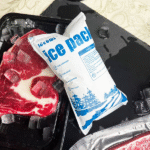
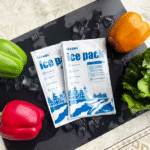
| Colocación de refrigerante | Coloque los paquetes de gel alrededor de los lados de la caja y cúbralos con una barrera protectora.; Mantenga el refrigerante alejado de las costuras de vacío expuestas.. |
| Duración del tránsito | 24-48 h para entrega de paquetes premium; 72 h requiere masa de refrigerante adicional y calificación de carril. |
| Pérdidas comunes | Fallo del sello de vacío, transferencia de olores, tinción de purga, capa superior calentada, daño en la etiqueta, y marcas de presión. |
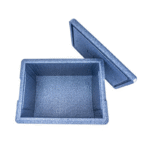
| Paquete Tempk adecuado | Transportador aislado Tempk con revestimiento de barrera contra olores, base absorbente, paquetes de gel separados, y una lista de verificación de recepción para la integridad del vacío.. |
Enfoque de embalaje recomendado
Comience con el producto que ya se encuentra dentro del rango de temperatura de envío.. Un cargador aislado No se debe esperar que la carne caliente baje a la temperatura objetivo durante el tránsito.. Utilice un revestimiento resistente a fugas, material absorbente, y un mapa de refrigerante que mantiene la masa fría lo suficientemente cerca para controlar la ganancia de calor y al mismo tiempo evita la presión directa o el contacto con la congelación en los paquetes minoristas..
Herramientas útiles para tomar decisiones
Comprueba los detalles antes de elegir el embalaje.
Estas herramientas rápidas pueden ayudarle a comparar el riesgo de la ruta, necesidades de dimensionamiento, opciones de refrigerante, y detalles del embalaje antes de solicitar una cotización.
Calculadora de hielo seco
Calcule las necesidades de hielo seco para envíos congelados o ultrafríos antes de empacar.
Estimar hielo secoSelector de embalaje
Compare las opciones de embalaje aislado por producto, ruta, y necesidad de temperatura.
encontrar embalajeCalculadora de bolsa de hielo
Estimación de la cantidad de bolsas de hielo en gel para envíos refrigerados y planificación práctica de rutas.
Estimar las bolsas de hieloPara rutas frías, Los paquetes de gel generalmente se colocan alrededor de las paredes laterales y la tapa porque el panel superior y las paredes exteriores sufren la mayor carga de calor durante el manejo de paquetes.. Para programas congelados, el carril debe validarse por separado porque hielo seco, paquetes de gel congelado, etiquetado, ventilación, y las reglas de aceptación del transportista cambian el paquete. No mezclar supuestos enfriados y congelados en la misma prueba de calificación.
Controles de calidad antes del lanzamiento.
Antes de utilizar el paquete comercialmente, ejecutar una validación de ruta con el mismo tamaño de remitente, peso del producto, masa refrigerante, estación, y servicio de mensajería. Comprobar temperatura del producto a su llegada., sequedad del cartón, integridad del paquete primario, olor, condición de la etiqueta, y si el refrigerante entró en contacto directo con el producto.
Para la selección de envases Tempk, el punto de partida habitual es un EPS o de alto rendimiento caja aislada, un revestimiento sellado, una base absorbente, y paquetes de gel preacondicionados. La masa de refrigerante final debe ajustarse después de una prueba en línea en lugar de elegirse únicamente a partir del volumen de la caja.. This helps the receiving team see a practical difference between a stable cadena de frío and a package that is merely cold when it leaves the warehouse.
Base de referencia
Los supuestos de temperatura están alineados con la guía de alimentos refrigerados ampliamente utilizada que mantiene los alimentos perecederos a 40 F / 4 C o inferior y programas congelados en 0 F / -18 C o menos. Para carnes y aves, validar siempre con las especificaciones del producto del propio remitente, carril de transporte, y requisitos de recepción en destino.