Fabricante de bolsas de hielo seco para envases biológicos: Puertas de aprobación
A fabricante de paquetes de hielo seco para envases biológicos está listo para su compra solo después de que se cierren seis puertas de aprobación. Las puertas comienzan con el etiquetado y la estabilidad del producto., no es una muestra de refrigerante. Distinguen el dióxido de carbono sólido de una lámina de hidratación activada por agua, conectar el componente a un sistema de envío aislado completo, verificar mercancías peligrosas y tareas de contención, calificar cargas útiles mínimas y máximas bajo perfiles cálidos y fríos, y controlar los cambios de producción. La puerta final demuestra que los operadores pueden empacar, monitor, recibir, e investigar excursiones constantemente. Este enfoque evita que la escala comercial se adelante a la evidencia científica y de calidad..
Puerta 1: Establecer la verdad del producto
Cree un perfil de producto controlado antes de contactar con los fabricantes.
La FDA define los productos biológicos de manera amplia, incluyendo vacunas, productos sanguíneos, proteínas recombinantes, células, tejidos, y terapias genéticas. Esa lista explica por qué una plantilla de cadena de frío no puede representar a toda la clase.. La etiqueta aprobada o autorización., programa de estabilidad, protocolo clínico cuando sea relevante, y los procedimientos de calidad identifican los requisitos reales de almacenamiento y transporte..
El perfil debe indicar la condición requerida., exposición al transporte soportada, base de excursión, sensibilidad a la congelación, límite de congelación-descongelación, protección contra la humedad o la luz, orientación, restricciones de agitación, contenedor primario, montaje secundario, y autoridad de disposición. Utilice el lenguaje exacto del producto. Si una condición de envío propuesta no es compatible, Dirija la brecha hacia la estabilidad del producto y los expertos regulatorios en lugar de pedirle a un proveedor de empaques que lo decida..
Definir la carga útil como un soporte., no es un número nominal. Incluir unidades mínimas y máximas., masa, dimensiones, presentación, material a cargar, y estrategia nula permitida. Condición de envío estatal y condición de recepción.. Una carga mínima puede ser el peor caso en el lado frío; una carga máxima puede crear regiones cálidas o reducir el espacio para el refrigerante.
Termina el perfil con datos de ruta.: origen, destino, traspasos, modos, duración prevista, subsidio de demora, estaciones, aduanas, reposición, y horas de recepción. Registre si el contenido es un producto biológico terminado., un intermedio, un material no infeccioso, o un espécimen que requiera clasificación de mercancías peligrosas.
Puerta 1 se cierra cuando los propietarios de productos y rutas aprueban un requisito de usuario comprobable.
Puerta 2: Definir la arquitectura del sistema
Identificar cada función y asignarla a un componente..
El sistema primario de cierre del contenedor sostiene y protege el producto biológico.. Un paquete secundario añade contención, orientación, o protección física. El refrigerante o refrigerante proporciona capacidad térmica.. El aislamiento controla el flujo de calor.. Un exterior estructural protege el conjunto y lleva marcas.. Soportes y separadores evitan el movimiento y el contacto directo con el frío.. Un monitor de temperatura registra las condiciones.. El sistema de envío calificado es el proceso operativo y de configuración controlado completo..
El término “bolsa de hielo seco” debe resolverse en esta puerta.
El hielo seco sólido es dióxido de carbono., sólido. Sublima, crea un ambiente extremadamente frío, puede lesionar a los manipuladores, y requiere una ruta de liberación de gas. Puede soportar un producto biológico congelado cuando la estabilidad, materiales, calificación, y transporte permitido.
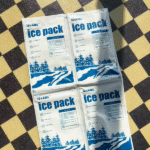
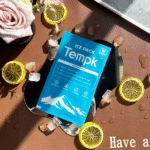
A hidratar la bolsa de hielo seco es un término de producto del proveedor para una lámina activada por agua. La instrucción oficial de Tempk identifica su lámina como no de hielo seco, dirige la hidratación, y requiere congelación antes de su uso.. Por lo tanto, se considera un refrigerante acuoso congelado.. No produce dióxido de carbono ni hereda la ONU 1845 estado.
paquetes de gel y los paquetes PCM especialmente formulados tienen su propio acondicionamiento y comportamiento de fase.. Un PCM puede ayudar a dar forma a un perfil de temperatura, pero ningún paquete crea un rango controlado sin el aislamiento, carga útil, colocación, y evidencia.
Evidencia de aprobación por componente
| Elemento del sistema | Evidencia de aprobación | Condición de parada |
|---|---|---|
| Paquete biológico y primario. | Requisitos de etiqueta y estabilidad, Cierre del contenedor y compatibilidad de materiales. | Almacenamiento no resuelto, congelación, excursión, o requisito de cierre |
| Refrigerante o refrigerante | Identidad, formulación o referencia del material, acondicionamiento, dimensiones, control de lotes, información de seguridad | Identidad ambigua de “bolsa de hielo seco” o afirmación de rendimiento universal no respaldada |
| Aislamiento y exterior | Dibujo controlado, materiales, dimensiones, cierre, rendimiento físico, diseño de ventilación donde sea necesario | Construcción desconocida, ruta de gas bloqueada, o evidencia estructural inadecuada |
| Soporte de carga útil | Configuraciones mínimas y máximas, estado inicial, separadores, control de vacío | Sólo carga nominal probada o contacto incontrolado con el producto. |
| Evidencia térmica | Perfiles fríos y calientes justificados., sensores mapeados, datos sin procesar, criterios, instrumento estatal | El reclamo de duración carece de carga útil, perfil, o pasar contexto |
| Monitor | Decisión prevista, posición mapeada, rango, evidencia de exactitud, intervalo, estado de calibración, flujo de trabajo de datos | Dispositivo seleccionado sin proceso de colocación o disposición |
| Operaciones | POE de embalaje, capacidad de acondicionamiento, capacitación, puesta en escena, recepción, respuesta de paquete dañado | La configuración del laboratorio no se puede reproducir. |
| Control del fabricante | Especificación aprobada, muestras de producción, trazabilidad del lote, inspección, notificación de cambio | La muestra de ventas no se puede vincular a la producción de rutina. |
Una brecha de evidencia puede permanecer abierta durante el desarrollo, pero no puede ocultarse detrás de un título de certificado o un adjetivo de marketing.. Asignar a cada hueco un propietario y criterio de aceptación.
Puerta 3: Resolver seguridad, Clasificación, y Transporte
Clasificar el contenido y el refrigerante por separado..
El hielo seco sólido es ONU 1845, Clase 9 para el transporte aéreo relevante. Los requisitos de los Estados Unidos para los movimientos de aeronaves y embarcaciones exigen un embalaje que libere dióxido de carbono y evite la ruptura de presión.. Las disposiciones sobre envíos aéreos incluyen acuerdos con los operadores., marcado de masa neta, e información especificada. El 2026 La lista de verificación de hielo seco de la IATA agrega una verificación de aceptación operativa en la edición actual, y las aerolíneas pueden imponer variaciones.
Los almacenes y estaciones de embalaje también necesitan controles. El dióxido de carbono puede acumularse en espacios confinados o mal ventilados., y el contacto frío puede causar lesiones. Utilice una evaluación de ventilación y seguridad ocupacional específica del sitio, equipo y herramientas de protección adecuados, almacenamiento seguro, y procedimientos capacitados. Nunca selle hielo seco sólido en un volumen hermético.
A continuación clasifica los contenidos biológicos.. Un biológico terapéutico terminado no es automáticamente una sustancia infecciosa. Si un espécimen cumple con la definición de Sustancia Biológica, Categoría B, luego ONU 3373 se aplican requisitos.
Las normas de categoría B de los Estados Unidos exigen un embalaje triple con receptáculo primario, embalaje secundario, y embalaje exterior rígido, además a prueba de fugas, a prueba de tamices, absorbente, amortiguación, y disposiciones de marcado aplicables al contenido. Bajo 2026 Instrucción de embalaje de IATA 650, El hielo seco utilizado para muestras refrigeradas o congeladas está fuera del embalaje secundario o en el embalaje exterior o sobreembalaje.; Los soportes mantienen los paquetes secundarios en posición después de que el hielo seco se disipa.; las ventilaciones del paquete de hielo seco; y la integridad primaria y secundaria debe mantenerse a la temperatura del refrigerante.
Estas disposiciones modelo deben aplicarse cuando la clasificación así lo requiera., no copiado en todos los biológicos. Transportador, origen, tránsito, destino, modo, cantidad, paquete, documentos, y la capacitación de los empleados necesitan una revisión actualizada.
Puerta 3 Se cierra con una clasificación documentada y una evaluación de aceptación de carril..
Puerta 4: Calificar Caliente, Frío, y rendimiento físico
Redactar y aprobar el protocolo antes de las pruebas formales.. El protocolo identifica la configuración exacta., componentes equivalentes a la producción, soportes de carga útil, condiciones iniciales, perfiles, sensores, instrumentos, duración, desafíos fisicos, y pasar criterios.
Seleccione desafíos ambientales justificados
Usar datos de ruta, estándares reconocidos, o análisis de riesgos documentado. ISTA 7E proporciona perfiles térmicos para sistemas de entrega de paquetes, y estándar 20 proporciona un proceso de diseño y calificación para contenedores de transporte aislados. La orientación de la OMS incluye la calificación de los contenedores de envío y el perfil de ruta por tiempo- y productos farmacéuticos sensibles a la temperatura. Capítulo General de la USP 1079 Contribuye a un marco de almacenamiento y transporte de productos terminados basado en el riesgo.. Seleccione el método que se ajuste al sistema de distribución.; un perfil estándar no es automáticamente un perfil de carril.
Desafíe las condiciones tanto de frío como de calor cuando sea relevante. Los perfiles cálidos evalúan la entrada de calor y el agotamiento del refrigerante. Los perfiles de frío examinan la congelación no deseada o el enfriamiento excesivo. Los controles estacionales pueden diferir.
Asignar sensores al riesgo
Coloque sensores calibrados en posiciones cálidas y frías creíbles identificadas durante el desarrollo.. Incluir ubicaciones adyacentes al producto donde el contacto con el refrigerante pueda ser importante, interfaces de pared o tapa, y áreas internas que podrían calentarse. Indique si cada sensor representa aire., un producto simulante, una superficie de paquete primario, u otra medida.
Herramientas útiles para tomar decisiones
Comprueba los detalles antes de elegir el embalaje.
Estas herramientas rápidas pueden ayudarle a comparar el riesgo de la ruta, necesidades de dimensionamiento, opciones de refrigerante, y detalles del embalaje antes de solicitar una cotización.
Calculadora de bolsa de hielo
Estimación de la cantidad de bolsas de hielo en gel para envíos refrigerados y planificación práctica de rutas.
Estimar las bolsas de hieloResistencia a la caída del material aislante
Revise la resistencia a caídas y los factores de manipulación antes de elegir materiales aislantes..
Comprobar resistenciaSelector de embalaje
Compare las opciones de embalaje aislado por producto, ruta, y necesidad de temperatura.
encontrar embalajeEl monitor utilizado en el envío de rutina no necesita duplicar cada sensor de calificación., pero su ubicación debe estar justificada por el mapa.. Gama de instrumentos, exactitud, intervalo, respuesta, y la evidencia de calibración debe ajustarse a la decisión.
Desafía las cargas útiles mínimas y máximas
Paréntesis justificados de prueba. La carga útil mínima puede tener menos masa térmica y una alta relación refrigerante-producto. La carga útil máxima puede cambiar la geometría, reducir el espacio de refrigerante, o crear zonas cálidas. Si se utiliza una estrategia familiar, Explique por qué los productos y cargas elegidos representan los extremos..
Inspeccionar los materiales después del estrés de distribución.
Combinar o secuenciar pruebas térmicas y físicas según lo justifique la evaluación de riesgos.. Examinar la protección del contenedor primario, contención secundaria, sellos de refrigerante, fragilidad a baja temperatura, adhesión de etiquetas, condensación, aislamiento, compresión exterior, desfogue, y movimiento de componentes. Pasar un gráfico de temperatura no excusa un paquete roto o una etiqueta comprometida.
Confirmar margen operativo
Evaluar deliberadamente variaciones creíbles en el condicionamiento., tiempo de empaque, puesta en escena, técnica del operador, y tolerancia de componentes. No introducir abusos arbitrarios; desafiar los límites reales del proceso. Establecer qué desviaciones requieren reelaboración o rechazo..
Puerta 4 cierra con informes aprobados, desviaciones resueltas, datos sin procesar, y una envolvente operativa definida.
Puerta 5: Aprobar la línea base de fabricación y producción
La aprobación del fabricante debe conectar la muestra calificada al suministro de rutina..
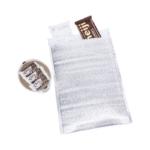
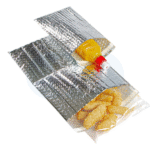
Crear una especificación de componente que controle los atributos capaces de afectar la seguridad., adaptar, comportamiento térmico, o cumplimiento. Para una hoja de hidratación, esto puede incluir la geometría de la celda, dimensiones secas y acondicionadas, construcción absorbente, película o tela, patrón de sello, instrucciones de hidratación, defectos visuales, e identificación del lote. Para paquetes de gel o PCM, referencia de formulación de control, llenar, recipiente, sello, dimensiones, acondicionamiento, e identificación. Para aislamiento, materiales de control, Densidad o construcción cuando sea relevante., geometría interna, interfaz de la tapa, y exterior.
Revisar muestras de preproducción o equivalentes de producción. La inspección entrante puede incluir la identidad, dimensiones, masa cuando es significativa, sellos, fuga, imprimir, ajuste condicionado, y documentación. Los criterios de muestreo y aceptación deben seguir los procedimientos de riesgo y calidad..
La trazabilidad debería vincular el lote del proveedor con el recibo, acondicionamiento, empacar, envío, e investigación de excursiones. Si posteriormente se encuentra defectuoso un lote, La organización debe identificar los sistemas afectados sin depender de la memoria..
El control de cambios cubre la materia prima, formulación, película, equipos o ajustes de sellado, dimensiones, impresión, lugar de fabricación, subcontratista, y embalaje suministrado cuando esos cambios puedan afectar la línea base. El fabricante avisa con antelación.; el comprador valora la documentación, inspección, pruebas de comparación, o recalificación.
Los términos comerciales van después de la definición técnica.. Confirmar pedido mínimo, plazo de entrega, almacenamiento, embalaje unitario suministrado, paletización, identificación personalizada, y continuidad como preguntas. No los inventes ni asumas que una impresión personalizada significa una solución térmica personalizada.
Puerta 5 cierra cuando se aprueba el proveedor, especificación, términos de calidad, controles entrantes, y el proceso de cambio están activos.
Puerta 6: Demostrar el control de implementación y excursiones
Ejecute un piloto con roles y sistemas reales. Componentes de condición de los operadores, ensamblar paquetes mínimos y máximos, activar monitores, aplicar marcas, paquetes de licitación, recibirlos, recuperar datos, y seguir los procedimientos de disposición. Observar si las instrucciones permanecen claras bajo presión de tiempo rutinaria..
Verificar capacidad de acondicionamiento. Un protocolo basado en packs totalmente acondicionados falla cuando un congelador sobrecargado no puede reproducir ese estado. Las operaciones de hidratación necesitan una absorción y manipulación controladas del agua.. El hielo seco sólido necesita una recepción segura, puesta en escena ventilada, pesaje protegido, y cantidad neta exacta en el momento de la licitación.
Verificar la integridad de los datos. Vincular el ID y los datos del monitor al envío y a los lotes de componentes. Controlar relojes y zonas horarias, archivos originales, acceso, revisar, y retención. Defina quién responde a una alerta en tiempo real y qué intervención está realmente disponible.
Desviación hipotética de la puerta de aprobación
Imagine un intermediario biológico congelado cuyas condiciones de envío admitidas permitan un sistema calificado de hielo seco sólido.. Puerta 4 pases de prueba, pero el piloto operativo muestra que las bandejas secundarias se desplazan hacia abajo a medida que el hielo seco se disipa. El movimiento aún no rompe contenedores, pero cambia la ubicación del sensor y podría aumentar el riesgo mecánico.
El proyecto no renuncia a la observación porque pasaron las temperaturas. Los ingenieros agregan un soporte compatible con bajas temperaturas que mantiene la posición de la bandeja después de una pérdida de refrigerante. Confirman que el soporte no bloquea la ventilación ni crea un nuevo puente térmico, repetir desafíos físicos y térmicos relevantes, actualizar el dibujo, y volver a capacitar a los operadores.
Durante un piloto posterior, se produce una alarma de registrador. El envío está en cuarentena.. Revisiones de calidad ubicación del sensor mapeado, exposición, estabilidad, registro de embalaje, lote de componentes, y estado del dispositivo. La eliminación sigue la evidencia del producto aprobado.. La desviación del embalaje y la decisión del producto se documentan por separado pero están conectadas..
Este ejemplo hipotético muestra el propósito de Gate. 6: Descubra fallos del sistema y del flujo de trabajo antes del lanzamiento generalizado..
Puerta 6 cierra cuando las operaciones, escucha, recepción, y los procedimientos de excursión se demuestran y aprueban..
Preguntas frecuentes
¿Se pueden acortar las puertas de aprobación para una caja disponible en el mercado??
La profundidad puede estar basada en el riesgo., pero un producto disponible en el mercado no elimina las responsabilidades específicas del producto.. Aún necesitas condiciones aprobadas, ajuste de carga útil, relevancia térmica, compatibilidad de materiales, clasificación de transporte, instrucciones de funcionamiento, escucha, y control de proveedores. Los datos de calificación existentes pueden respaldar la revisión cuando su configuración y criterios sean comparables..
¿A qué grupo pertenece la aprobación final del embalaje??
La propiedad varía según la organización., pero la aprobación normalmente implica la estabilidad del producto o expertos técnicos., ingeniería de embalaje, calidad, logística, seguridad, especialistas en reglamentación o mercancías peligrosas, obtención, y operaciones. Definir una autoridad de liberación final responsable para uso rutinario. La recomendación de un proveedor no debe reemplazar la decisión de calidad del propietario del producto..
¿Es una lámina activada por agua más segura que el hielo seco sólido??
Evita la sublimación de dióxido de carbono y el peligro asociado de liberación de gas porque no es hielo seco sólido.. Todavía puede gotear, crear puntos fríos, dañar un producto sensible a la congelación, o fallar si no está condicionado. La seguridad y la idoneidad dependen de la documentación del material., manipulación controlada, empacar, calificación, y evidencia.
¿Cuándo se debe recalificar el sistema??
Utilice una evaluación de riesgos documentada después de realizar cambios en el producto., carga útil, componente, fabricante, proceso, ruta, servicio, perfil, instalación, equipo de acondicionamiento, o criterios de aceptación. Las desviaciones significativas o las tendencias adversas también pueden dar lugar a una revisión.. No todos los cambios requieren las mismas pruebas, pero cada cambio relevante requiere una evaluación formal documentada.
¿Quién decide si una excursión afecta al biológico??
La función de calidad del producto autorizada decide utilizando información y procedimientos de estabilidad aprobados., con aportes de expertos relevantes. Configuración de suministro del personal de embalaje y evidencia térmica.; registros de ruta de suministros logísticos; el monitor suministra datos. el transportista, fabricante de refrigerante, o el registrador por sí solo no puede liberar o rechazar el producto.
Cierre todas las puertas antes de la escala comercial
La ruta de aprobación mantiene los requisitos del producto por delante de la orden de compra.. Confirmar etiqueta y condiciones de estabilidad., definir el sistema completo, clasificar contenidos y hielo seco, calificar perfiles cálidos y fríos con soportes de carga útil, controlar el fabricante, y demostrar la reproducibilidad operativa. El hielo seco sólido puede soportar un producto biológico congelado compatible, pero puede dañar productos sensibles a la congelación y debe ventilarse.. Una lámina de hidratación es un refrigerante a base de agua congelada., no dióxido de carbono. Escucha, aislamiento, refrigerante, contención, y la calificación siguen siendo funciones separadas que funcionan sólo como un sistema controlado.
Acerca de Tempk
Tempk describe láminas de hidrato activadas por agua, paquetes de gel, y embalaje aislado. Evalúe el componente exacto a través de las especificaciones actuales., instrucciones, muestras equivalentes de producción, y documentos relevantes. El propietario del producto biológico aún define las condiciones del producto y califica el paquete terminado.; sin rango, carga útil, duración, proceso de dar un título, o el cumplimiento se deriva del nombre del refrigerante. Enviar la matriz de requisitos y evidencias del usuario controlado para solicitar la información necesaria para la aprobación del fabricante..