Guía de envasado de cadena de frío de crema natural sin conservantes
Los envíos de cremas naturales sin conservantes necesitan un paquete que proteja la estabilidad de la fórmula, presentación minorista, y confianza del cliente. La colocación natural y sin conservantes puede aumentar la sensibilidad al calor., cambios de temperatura repetidos, manejo de frascos, y exposición a la humedad, por lo tanto, el envío debe planificarse a partir del rango de almacenamiento validado de la fórmula y no únicamente del tamaño de la caja..
El rango de manejo final debe provenir de los datos de estabilidad de la marca., instrucciones de la etiqueta, acuerdo de calidad, y resultados de las pruebas de ruta. Una cadena de frío no necesita enfriar el producto lo más posible.. Debe mantener la fórmula dentro de su rango aprobado y al mismo tiempo evitar la congelación., condensación, movimiento del tarro, y daños en cajas de venta al por menor.
Datos de planificación de embalaje
| Rango de temperatura | Utilice el rango de almacenamiento validado de la marca.; Muchas cremas sin conservantes utilizan un carril fresco o refrigerado para proteger la calidad.. |
|---|---|
| Humedad y condensación | Mantener cajas, sellos, etiquetas, y los insertos de papel se secan porque la condensación puede debilitar el embalaje minorista premium. |
| Preenfriamiento | Crema terminada preacondicionada, expedidor, refrigerante, y área de embalaje antes de cargar para que el producto no se utilice como disipador de calor. |
| Presión del paquete | Proteger frascos, bombas sin aire, sellos de aluminio, y cajas de venta al por menor de compresión, impacto de caída, y presión del refrigerante. |
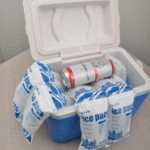
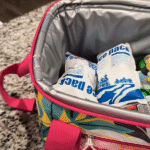
| Posición del refrigerante | Utilice paquetes de gel acondicionados o paquetes de cambio de fase separados de los frascos por corrugados., espuma, o inserciones moldeadas. |
| Duración del transporte | 24-48 h comercio electrónico, spa, reabastecimiento minorista, o los carriles de suscripción deben incluir pruebas ambientales de verano y de permanencia en la puerta. |
| Pérdidas comunes | Exposición al calor, separación de fases, cambio de textura, cartones mojados, movimiento del tarro, elevación del sello, y quejas de riesgo microbiano. |
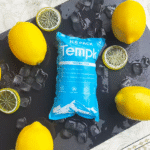
| Ajuste del embalaje Tempk | Transportador aislado de cadena de frío Tempk, refrigerante acondicionado, inserto de frasco, barrera seca, y registrador de temperatura para carriles validados. |
¿Qué cambios para este producto?
La crema natural sin conservantes puede ser más vulnerable a las quejas de riesgo microbiano, separación de fases, cambio de textura, y rechazo del cliente cuando se expone a altas temperaturas o envases húmedos. Las cremas en frascos también necesitan control de presión porque un paquete de gel pesado o un cartón mixto pueden estresar la tapa., sello, o caja exterior.
Materia de preenfriamiento y acondicionamiento del refrigerante. Si el producto ingresa al remitente caliente, El refrigerante se ve obligado a eliminar el calor del producto antes de proteger la ruta.. Si el refrigerante está demasiado frío o demasiado cerca del frasco, La fórmula o el área de la etiqueta pueden dañarse incluso cuando la temperatura promedio de la caja parece aceptable..
Herramientas útiles para tomar decisiones
Comprueba los detalles antes de elegir el embalaje.
Estas herramientas rápidas pueden ayudarle a comparar el riesgo de la ruta, necesidades de dimensionamiento, opciones de refrigerante, y detalles del embalaje antes de solicitar una cotización.
refrigerante & Referencia PCM
Compare las opciones de refrigerante y PCM cuando una ruta necesite soporte de temperatura adicional.
Comparar opcionesGenerador de listas de verificación de cumplimiento
Cree una lista de verificación práctica para la revisión del embalaje, envío, y documentación.
Crear lista de verificaciónRevestimiento de caja & Dimensionamiento de la cubierta de paleta
Lógica de tamaño de revestimiento de cajas y cubiertas de paletas para proyectos de embalaje aislado.
Estimar el tamañoEnfoque de embalaje recomendado de Tempk
Usa un Tempk cargador aislado o revestimiento de caja con condicionado paquetes de gel, una barrera seca, y un inserto para frascos que mantiene los productos en la zona probada. Para pedidos premium de comercio electrónico, el prospecto debe proteger tanto la calidad de la fórmula como la presentación al desembalar, incluidos los bordes del cartón, etiquetas impresas, y sellos.
Para rutas cálidas, validar el paquete con perfiles ambientales de verano, puerta de entrada, y el recuento real de productos. Para programas refrigerados o de cámara fría, Confirmar que el equipo receptor comprende el rango de temperatura esperado y sabe cómo manejar la condensación., controles de sello, y tomar decisiones.
Recibir cheques
A la llegada, revisar los datos del registrador cuando se utilicen, sequedad del cartón, posición del frasco, condición del sello, legibilidad de la etiqueta, y cambios de fórmula visibles. Si el producto muestra separación, cambio de olor, fuga, o saturación de cartón, seguir el procedimiento de calidad de la marca antes de liberar el envío.
Tempk puede admitir el tamaño del transportista, colocación de refrigerante, diseño de inserción, y validación de rutas para programas de cuidado de la piel sin conservantes naturales. Compartir dimensiones del producto, material del frasco, recuento de casos, rango objetivo, duración de la ruta, perfil ambiental, y requisitos de unboxing para crear un paquete específico de carril.