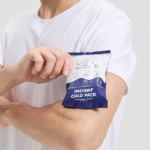
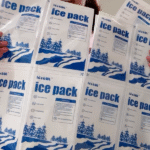
La nata fría es un producto lácteo con alto contenido de humedad y un período de calidad corto.. Un buen envasado debe mantener el producto frío., proteger la tapa o el sello de la caja, y mantenga la superficie de venta lo suficientemente seca para la compra de comestibles., kit de comida, panadería, y equipos de recepción de servicios de alimentos. El objetivo no es simplemente agregar más refrigerante. El embalaje debe reducir la ganancia de calor sin congelar la pared del producto., aplastando el contenedor, o crear condensación que debilita las etiquetas y los cartones.
Cream cadena de frío planning data
| Rango objetivo típico | 0-4 C para rutas de crema fría; Utilice el rango de liberación propio del productor cuando sea más estricto.. |
|---|---|
| Humedad y condensación | Mantenga las botellas y los cartones secos; Los cartones de color crema pueden ablandarse cuando la condensación se deposita debajo de un paquete de gel o en el panel superior.. |
| Preenfriamiento | Enfríe previamente la crema y el recipiente aislado antes de empacar.. No confíe en que el transportista baje el producto caliente después de cargarlo.. |
| Presión de embalaje | Utilice divisores o mangas para que los hombros de las botellas, tapa, cajas de cartón, y los sellos de seguridad no son comprimidos por la masa refrigerante. |
| Posición del refrigerante | Utilice la colocación lateral y superior con una barrera seca.. Evite el contacto directo del paquete congelado con botellas de plástico delgadas o cajas de cartón con tapa a dos aguas.. |
| Duración del tránsito | Lo mejor para validado 24-48 h rutas de paquetería y alimentación; Las rutas más largas necesitan un transportista más grande., refrigerante añadido, o transporte de línea refrigerado. |
| Pérdidas comunes | olor agrio, separación, sudoración de cartón, fuga de tapa, deformación de la botella, y cálida llegada después de la estancia en la puerta. |
| Ajuste del embalaje Tempk | Caja aislada o cargador de EPS, paquetes de gel acondicionados, forro absorbente, divisores verticales, y un registrador de rutas para validación estacional. |
Por qué la crema necesita su propio envase
La crema se calienta más rápido que los alimentos congelados densos y tiene una penalización de calidad visible cuando el control de la temperatura es débil.. El abuso de temperatura puede acortar la vida útil, mientras que un manejo brusco puede aflojar las tapas, costuras abiertas a dos aguas, o crear pequeñas fugas que dañen el resto del envío. a diferencia del queso, la crema generalmente viaja como líquido en botellas o cajas de cartón, cargando tan verticalmente, relleno de vacíos, y la protección de la tapa son tan importantes como la temperatura.
Para rutas de paquetes refrigerados, Comience con el producto que ya ha sido preenfriado en almacenamiento en frío. Cargue la nata en un recipiente frío. cargador aislado con paquetes de gel condicionado para el rango objetivo seleccionado. Coloque refrigerante alrededor de la carga útil., no directamente contra las paredes delgadas del contenedor. Agregue una barrera seca entre el refrigerante y los paquetes minoristas, luego use divisores o una bandeja ajustada para evitar el impacto de la tapa a la pared durante la clasificación y entrega.
Herramientas útiles para tomar decisiones
Comprueba los detalles antes de elegir el embalaje.
Estas herramientas rápidas pueden ayudarle a comparar el riesgo de la ruta, necesidades de dimensionamiento, opciones de refrigerante, y detalles del embalaje antes de solicitar una cotización.
refrigerante & Referencia PCM
Compare las opciones de refrigerante y PCM cuando una ruta necesite soporte de temperatura adicional.
Comparar opcionesComprobador de riesgos de ruta
Revise las condiciones del carril antes de seleccionar el embalaje para requisitos operativos reales..
Comprobar riesgo de rutaReferencia del material aislante
Compare opciones de materiales aislantes para diferentes necesidades de embalaje de la cadena de frío.
Comparar materialesEnfoque de paquete Tempk recomendado
Tempk normalmente comenzaría con un caja aislada o remitente de EPS dimensionado según el recuento de productos, un diseño de paquete de gel adaptado a la duración de la ruta, y un forro absorbente o capa de control de humedad. Para envíos pequeños de DTC, una cavidad de carga útil compacta ayuda a mantener la crema en posición vertical y limita el movimiento. Para envíos de suscripción de comestibles, el paquete debe separar la crema de los productos agrícolas o secos y proteger la tapa de la presión de carga superior.
La validación debe incluir un simulador de producto o una carga de producto en vivo., un registrador de temperatura calibrado dentro de la zona de carga útil, y recibir controles de temperatura, sequedad del cartón, fuga, olor, y separación visible. Pruebe las rutas de verano y las viviendas a domicilio antes de escalar. FoodSafety.gov enumera el almacenamiento en el refrigerador en 40 F (4 do) o debajo, y las referencias del Código Alimentario de la FDA respaldan el uso del control de temperatura para la seguridad de los alimentos como principio básico de manipulación. Las decisiones de lanzamiento comercial aún deben seguir las especificaciones del propietario del producto., reglas locales, y el resultado real de la prueba de ruta.