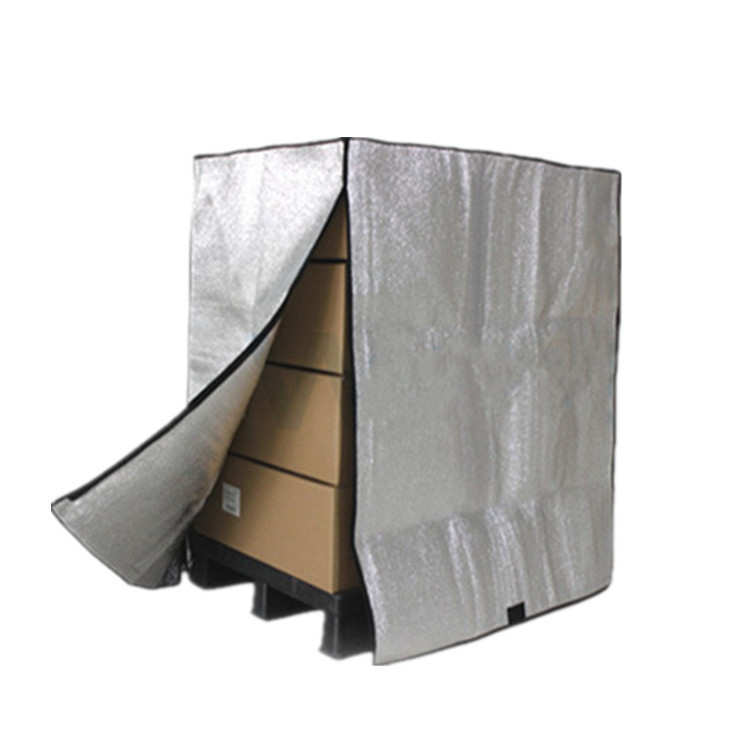
Un método de cinco puertas para mantas térmicas para palés para el envío de materiales peligrosos
Una cubierta térmica nunca debe ser el primer artículo aprobado en una plataforma de materiales peligrosos.. Las primeras aprobaciones se refieren al material., embalaje autorizado, comunicación de peligros, ruta, y transportista. Sólo entonces podrá mantas térmicas para palets para el envío de materiales peligrosos se evaluará como protección secundaria contra la exposición ambiental definida. No pueden reemplazar el embalaje con especificaciones de la ONU cuando sea necesario., clasificación, segregación, marcas, etiquetas, documentación, capacitación, arreglos de emergencia, o aceptación del transportista.
Los equipos de adquisiciones pueden gestionar la decisión a través de cinco puertas: ajuste legal, necesidad térmica, integración física, evidencia, y control operativo. Un candidato avanza sólo cuando supera todas las puertas.. Este método evita que un resultado térmico fuerte oculte un defecto de mercancías peligrosas y evita que un paquete desnudo que cumple con las normas quede envuelto en una cubierta mal diseñada..
Puerta 1: ¿Es la unidad terminada legal y operativamente admisible??
Congelar la discusión general hasta que una persona responsable capacitada haya definido las mercancías peligrosas.. Registre el número ONU o de identificación cuando corresponda., nombre de envío adecuado, clase o división, peligro subsidiario, grupo de embalaje cuando se le asigna, cantidad, estado fisico, concentración, y modo. Confirme las instrucciones de embalaje autorizadas., disposiciones especiales, límites de cantidad, restricciones de ruta, y cualquier variación del transportista u operador.
Según las regulaciones de materiales peligrosos de los Estados Unidos, El oferente es responsable de la clasificación y descripción adecuadas y de determinar que el embalaje está autorizado.. Los requisitos básicos de comunicación aparecen en 49 Parte CFR 172 y requisitos de embalaje del remitente en la Parte 173, con reglas adicionales para el aire, buque, y modos de autopista. Las Regulaciones de Mercancías Peligrosas de la IATA guían los envíos aéreos e incluyen variaciones del transportista y requisitos de aceptación.. El ADR y las normas nacionales pueden aplicarse a la circulación por carreteras europeas. Utilice siempre las disposiciones actuales para el carril real..
Ahora inspeccione el conjunto cubierto propuesto.. Preguntar:
¿Todas las marcas requeridas, etiqueta de peligro, marca de orientación, identificación, y la bolsa para documentos permanecen visibles?
Si la información está oculta, ¿Se han cumplido correctamente los requisitos aplicables de marcado y etiquetado del sobreembalaje??
¿La cubierta interfiere con las rejillas de ventilación?, valvulas, dispositivos de alivio de presión, cierres, puntos de elevación, amarres, o acceso de emergencia?
¿Se permite la consolidación?, y ¿aún se cumplen los requisitos de compatibilidad y segregación??
¿El transportista ha aceptado la cobertura?, método de fijación, acceso de inspección, y presentación completa?
En los Estados Unidos, 49 CFR 173.25 aborda los sobreenvases autorizados y la reproducción de marcas y etiquetas requeridas cuando no sean visibles, incluido el uso de la marca “OVERPACK” en situaciones indicadas. La determinación exacta depende del montaje.. No trate un bolsillo transparente o una etiqueta copiada como una solución universal.
Puerta 1 falla si la cubierta oculta la comunicación, cambia una configuración autorizada sin aprobación, bloquea una característica de seguridad del paquete, o no puede ser aceptado por el operador. Las pruebas térmicas no deben continuar hasta que se corrijan estos problemas..
Puerta 2: ¿Qué exposición exacta se supone que debe moderar la cubierta??
Escribe una declaración de uso de una oración.. Un buen ejemplo es: "La cubierta está destinada a disminuir la ganancia de calor durante la acumulación de carga aérea al aire libre y un retraso por pérdida de conexión después de que una paleta sale de un camión controlado". Un mal ejemplo es: "La cubierta mantiene los productos químicos a la temperatura adecuada". El primero se puede probar.. El segundo no tiene límite de producto definido, condición ambiental, duración, o segmento de ruta.
Cree un registro de exposición ordenado en el tiempo. Incluir pre-puesta en escena, cargando, seguridad, habitacion entre muelles, aduanas, transferencia entre activos controlados, aberturas de puertas, períodos de contenedor sin energía, inspecciones de transportistas, retrasos, y recibiendo. Usar datos de carril, observaciones de las instalaciones, registros meteorológicos, y entrada de portadora cuando esté disponible. Separe la exposición ambiental a la sombra de la carga solar directa y observe el contacto conductor con pisos o equipos..
Definir por qué la temperatura es importante para el material. Calidad del producto, presión del paquete, viscosidad, fragilidad, comportamiento de fase, y la seguridad del transporte son preocupaciones diferentes. Los límites deben provenir de un producto aprobado y una evaluación de mercancías peligrosas.. Un proveedor de coberturas no debería seleccionarlas..
Algunas mercancías peligrosas tienen control especializado o temperaturas de emergencia., puede generar calor, o requieren ventilación. El aislamiento pasivo no es un sistema de enfriamiento activo y puede retener el calor generado internamente.. Estos materiales requieren un enfoque normativo y de seguridad de procesos específico.. Puerta 2 falla si la organización está tratando de utilizar el aislamiento como sustituto del control activo requerido, estabilización aprobada, refrigeración, ventilación, o un plan de emergencia.
Puerta 3: ¿La cubierta se ajusta al palet y sus funciones de seguridad??
Mida la carga unitaria completa. Las dimensiones nominales del palet omiten la altura., sobresalir, cajas abultadas, anillos de tambor, protectores de esquinas, pliegues elásticos, principales irregularidades, ubicaciones de etiquetas, y autorizaciones de acceso. Registre las dimensiones de producción normales y máximas.. Especifique si una almohadilla base o un faldón son parte del diseño..
Cada elemento constructivo debe responder a un riesgo.:
| Característica bajo revisión | Decisión que debe apoyar | No buscar |
|---|---|---|
| Exterior reflectante | Reducir la exposición radiante definida | Suciedad, abrasión, orientación incorrecta, reclamo de desempeño no respaldado |
| capa aislante | Resistir la conducción a través de caras. | Compresión, mojada, espesor inconsistente, derramamiento |
| Costura y cierre | Limite el intercambio de aire y manténgase seguro | Puente termal, brecha, engancharse, apertura no planificada |
| Superficie interior | Proteger los paquetes exteriores durante el uso. | Abrasión, incompatibilidad, contaminación, preocupación estática |
| Tratamiento base | Abordar las fugas de aire en el borde inferior o el recorrido del suelo | Interferencia del montacargas, líquido atrapado, falda inestable |
| Zona de acceso y etiqueta | Preservar la inspección y la comunicación. | Marcas cubiertas, válvulas bloqueadas, documentos inaccesibles |
La revisión del diseño debe incluir fugas previsibles.. Una manta térmica general no es contención de derrames. Determinar si su material podría reaccionar con, absorber, desparramar, u ocultar contenidos escapados y cómo los socorristas los eliminarían o aislarían. Atmósferas inflamables, operaciones sensibles a la estática, fuentes de ignición, y la eliminación de cubiertas contaminadas requieren un sitio- y evaluación específica del material.
La ergonomía es parte del ajuste.. Una cubierta pesada o alta que requiere que el personal trepe, alcanzar los tambores, o pararse en los carriles para montacargas crea un riesgo diferente. Realizar una observación de tareas con trabajadores representativos y equipo de protección personal.. Puerta 3 falla si es seguro, No se puede demostrar una instalación repetible..
Puerta 4: ¿La evidencia coincide con la afirmación??
Traducir la declaración de uso a un protocolo.. Identificar la revisión de la portada., construcción de producción, palet y carga útil, condición inicial, perfil ambiental, componente solar si es relevante, duración, aberturas, mapa de sensores, estado de calibración, intervalo de registro, repeticiones, configuración de control, y criterios de aceptación. Aprobar el protocolo antes de ejecutarlo.
El calor se mueve a través de la radiación., convección, y conducción. Las superficies reflectantes abordan principalmente el intercambio radiante.; Las capas aislantes resisten los caminos conductores y el movimiento interno del aire.; Los cierres y faldones afectan el intercambio de aire.. Esquinas, costuras, sujetadores, y las áreas comprimidas actúan como puentes. La base del palet puede comportarse de forma diferente a los laterales.. Un estudio creíble mide el sistema ensamblado en lugar de extrapolarlo desde una sola capa.
Utilice cargas útiles que representen la masa de la carga prevista., capacidad calorífica, geometría, y embalaje. Una paleta de líquidos densos puede responder lentamente, mientras que una plataforma de poca masa con grandes huecos puede responder más rápido. Si se utiliza una madre sustituta, justificar por qué es conservador o representativo.
Mapee los posibles puntos calientes o fríos, así como una referencia central.. Capture la exposición ambiental y, Cuando el riesgo solar importa, una superficie adecuada o un indicador radiante. Sincronizar sensores. Un registrador es una herramienta de evidencia, no protección térmica. Su lectura representa su ubicación y precisión.; no certifica todos los paquetes.
Herramientas útiles para tomar decisiones
Comprueba los detalles antes de elegir el embalaje.
Estas herramientas rápidas pueden ayudarle a comparar el riesgo de la ruta, necesidades de dimensionamiento, opciones de refrigerante, y detalles del embalaje antes de solicitar una cotización.
Comprobador de riesgos de ruta
Revise las condiciones del carril antes de seleccionar el embalaje para requisitos operativos reales..
Comprobar riesgo de rutaReferencia del material aislante
Compare opciones de materiales aislantes para diferentes necesidades de embalaje de la cadena de frío.
Comparar materialesCalculadora de bolsa de hielo
Estimación de la cantidad de bolsas de hielo en gel para envíos refrigerados y planificación práctica de rutas.
Estimar las bolsas de hieloLos estándares térmicos pueden proporcionar disciplina. ISTA Standard 7E incluye perfiles para pruebas térmicas de entrega de paquetes contenedores de transporte aislados, y estándar 20 Proporciona un proceso de diseño y calificación.. Una cubierta flexible de palet completo puede requerir un protocolo diferente justificado o una cualificación específica de la ruta. Citar un nombre estándar sin demostrar el alcance no es suficiente.
Leer las afirmaciones literalmente. Es posible que se admita una “ganancia de calor reducida en la configuración probada”. "Protege todos los materiales peligrosos durante un número fijo de horas" casi nunca se desprende de un estudio. Puerta 4 falla si el informe omite la carga útil, perfil, sensores, configuración de la cubierta, o criterios de aceptación; se basa únicamente en datos de materiales planos; o convierte una prueba limitada en una garantía universal.
Puerta 5: ¿Pueden las operaciones mantener el estado aprobado??
La aprobación existe en papel.; existe control en el muelle. Redactar un SOP que identifique la cobertura y revisión aprobadas., límites de paleta, orientación, inspección previa al uso, secuencia de instalación, cierres, zonas de etiquetas, puntos de acceso, colocación del sensor, uso del sello, eliminación, y almacenamiento. Incluir condiciones claras para detener las lágrimas., mojada, contaminación, delaminación, etiquetas faltantes, dimensiones incorrectas, comunicación oculta, condiciones de liberación cálidas o frías, o cambios de ruta.
Agregar una verificación de liberación de la unidad completa realizada por personal capacitado en mercancías peligrosas. Inspeccione después de que la manta esté completamente instalada.. Confirmar la condición del embalaje, marcas, etiquetas, orientación, tratamiento de sobreembalaje cuando corresponda, documentos, segregación, respiraderos, valvulas, cierres, correas, y presentación del transportista. Esta orden detecta problemas que una inspección de paleta desnuda pasa por alto.
Definir propiedad de excepción. La logística se encarga de las conexiones perdidas y los eventos de equipos.; Los especialistas en mercancías peligrosas se ocupan de las desviaciones en el embalaje y la comunicación.; La calidad evalúa las excursiones térmicas y el alcance de la calificación.; La seguridad gestiona las fugas o la exposición.; el transportista decide la aceptación según sus reglas. Una lista de teléfonos no es suficiente. Escriba la información que cada función necesita y la autoridad para retener o rechazar un envío..
Al recibir, inspeccionar antes de descartar evidencia. Estado de la portada del registro, aberturas o sellos rotos, daño del paquete, fuga, abultado, legibilidad de la etiqueta, estado del registrador, y temperaturas requeridas por el plan aprobado. Una lectura estable del sensor no autoriza la aceptación de un paquete de materiales peligrosos dañado. Una cubierta dañada no significa automáticamente que el producto haya fallado; seguir la evaluación definida.
Puerta 5 falla cuando el sistema depende de experiencia no escrita, no se puede rastrear la revisión de la portada, no tiene respuesta al daño, o protección de créditos durante los tramos de ruta en los que se retire la cobertura.
La licitación debería definir la reutilización, Detener reglas, y un resultado controlado
Una vez definidas las puertas, la solicitud de cotización se vuelve más útil. Entregar al proveedor el sobre del palet., etiqueta y mapa de acceso, exposición de ruta, restricciones de manejo, usar modelo, expectativas de limpieza, y objetivo de prueba propuesto. No reveles información sensible sobre mercancías peligrosas más allá de lo apropiado., pero proporcione suficiente para una revisión técnica segura.
Requerir una lista de materiales de construcción o una descripción de capa controlada, tolerancias dimensionales, detalles de costura y cierre, puntos de inspección de producción, y proceso de notificación de cambios. Solicite evidencia térmica en contexto completo, ni un solo resultado titular. Solicite información relevante sobre inflamabilidad, estático, compatibilidad química, comportamiento de la humedad, limpieza, y eliminación para que especialistas internos puedan evaluarlo. Estos documentos no confieren aprobación para mercancías peligrosas.; apoyan la opinión del comprador.
Evaluar la coherencia entre la muestra y la producción. Verificar dimensiones terminadas, masa donde sea útil, colocación de costura, fuerza de cierre, condición de la superficie, ventanas de etiquetas, e identificación. Acordar reparaciones y defectos aceptables antes del suministro en volumen.. Un cambio aparentemente menor en el cine, espuma, adhesivo, hilo, o el cierre puede cambiar el comportamiento térmico o la idoneidad de seguridad.
Las comparaciones comerciales deben incluir la mano de obra de instalación., volumen de almacenamiento, manejo del transportista, limpieza, transporte de regreso, pérdida, inspección, reparar, y jubilación. Evite asumir un recuento de reutilización no verificado o una duración térmica fija. Comparar opciones con la misma función aprobada.
La reutilización y la sostenibilidad pasan por las mismas puertas
La reutilización puede reducir el material desechado en un circuito cerrado, pero también puede agregar flete de devolución, limpieza, pérdidas, y laminados complejos. Definir la unidad funcional como una protegida exitosamente, movimiento de paletas compatible. Luego contabiliza la fabricación de la tapa., viajes realmente realizados, red de retorno, limpieza, refacción, piezas de repuesto, y ruta al final de su vida útil.
Cada reutilización comienza con la inspección.. Establecer límites para las lágrimas, aislamiento triturado, manchas, exposición química, reflectividad dañada, fallo de costura, cierres faltantes, e identidad ilegible. Una cubierta contaminada debe ingresar al proceso de respuesta a materiales peligrosos y desechos apropiado para el contaminante., no es un flujo de ropa ordinario.
Seguimiento de coberturas individuales si el riesgo y el valor lo justifican. La identidad ayuda a vincular la inspección, refacción, limpieza, y revisión. No reemplaza el examen físico ni acredita el desempeño.. Una cubierta reutilizada aún debe pasar por Gates 1 a través de 5 para el envío previsto.
Cuatro decisiones de parada automática
Algunas condiciones deberían detener la liberación sin un debate sobre el beneficio térmico.:
Las mercancías peligrosas no están correctamente clasificadas., descrito, empaquetado, marcado, etiquetado, documentado, o aceptado para el modo.
La cubierta bloquea la comunicación requerida., ventilación, alivio de presión, manejo, inspección, o acceso de emergencia.
El material tiene un requisito de control de temperatura crítico para la seguridad que la configuración pasiva propuesta no ha sido aprobada específicamente para cumplir..
El reclamo térmico no se puede rastrear hasta una configuración representativa y un perfil relevante..
Estas paradas mantienen intacta la jerarquía.. El propósito de una cubierta térmica es agregar un margen a un envío sano, nunca hacer que un envío defectuoso parezca completo.
Conclusión: Una decisión de liberación que puede sobrevivir a la auditoría
Las mantas térmicas para palés para envío de materiales peligrosos estarán listas para su uso solo cuando la organización pueda responder cinco preguntas con registros: ¿Es admisible la unidad completa?? ¿Está definida la exposición?? ¿La cubierta se integra de forma segura?? ¿La evidencia respalda la afirmación limitada?? ¿Pueden las operaciones preservar el estado aprobado??
Si la respuesta a alguna pregunta es incierta, Mantenga el proyecto en esa puerta.. El resultado disciplinado es un caso de uso más limitado pero más defendible.: una cubierta especificada, aplicado a una paleta específica, para una condición de ruta específica, bajo un POE que protege todas las obligaciones relativas a mercancías peligrosas.
Acerca de Tempk
Shanghai Tempk Industrial Co., Limitado. opera Tempk como embalaje de cadena de frío marca. Nuestra información oficial del producto incluye cubiertas térmicas para palets, embalaje aislado y cajas, refrigerantes, y PCM, mientras que las páginas de soluciones describen la revisión del paquete, planificación de la posición del registrador, y soporte del plan de validación. Para envío de materiales peligrosos, Este alcance puede informar la evaluación de una capa térmica exterior contra la geometría y la exposición definidas.. No se extiende a la clasificación., embalaje autorizado para mercancías peligrosas, marcas, documentos, enrutamiento, respuesta de emergencia, o aprobación del transportista; las partes de envío calificadas retienen esas decisiones.
Comience con la declaración de uso propuesta., dibujo de palet completo, reglas de acceso, y límite de prueba. Luego, Tempk puede discutir una revisión de embalaje térmico de alcance limitado..